REVIEW · ARUSHA
6-Day Serengeti Migration: Private Safari with Mid-range Luxury
Book on Viator →Operated by PINNACLE ADVENTURES & SAFARIS LTD. · Bookable on Viator
Serengeti days, crater mornings, and real-time planning. This 6-day safari stitches together Tarangire, Serengeti migration country, and Ngorongoro in a tight, small-group run with a pop-up-roof 4×4 and an English-speaking guide. You’ll also get a formal briefing before you roll out, plus airport transfers to keep day one from feeling like chaos.
What I love most is the rhythm. You get real time in the Serengeti, not just a drive-by, and the schedule is built around where animals tend to concentrate. I also like that Ngorongoro is treated as a full experience, with an early crater descent and a crater-floor picnic near the hippo area.
One possible drawback: the days are long and early. You’ll spend plenty of hours on safari roads, and because the Great Migration is seasonal and location-based, you’re booking the chance to see it, not a guaranteed moment on cue.
In This Review
- Key highlights worth knowing
- Tarangire first: baobabs, elephants, and a proper game-drive start
- The drive toward Serengeti: Lake Manyara route and Ngorongoro highlands
- Serengeti mornings and Seronera valley drives
- A full day in Serengeti: slow safari, smarter searching
- Sunrise game drive, then down to Ngorongoro
- The Ngorongoro crater floor: hippo lake picnic and a full wildlife day
- Lodging and vehicle comfort for mid-range luxury
- Price and value: what $5,340 includes and what to budget for
- Who this itinerary suits best (and who should think twice)
- Should you book this 6-day Serengeti migration safari?
- FAQ
- Where does this safari start and end?
- Do you include airport transfers and hotel pickup?
- How many people are in the group?
- What parks and areas are included?
- What vehicle do you use for game drives?
- Are park fees and the Ngorongoro Crater fee included?
- What meals and accommodations are included?
- What health requirement is mentioned for Tanzania?
Key highlights worth knowing
- Pop-up roof Land Cruiser (4×4) with 6 window seats for easy spotting and better photo angles
- Maximum group size of 7 for a more personal pace and quicker guide Q&A
- Guide + safari cook included so meals and game-drive logistics stay smooth
- Multiple Serengeti days with drives across Seronera and central-to-north migration areas
- Two-part Ngorongoro: transfer afternoon, then an early full crater-floor viewing day
- Arusha briefing and hotel meet-up the day before (or a morning meet-up if you arrive late)
Tarangire first: baobabs, elephants, and a proper game-drive start
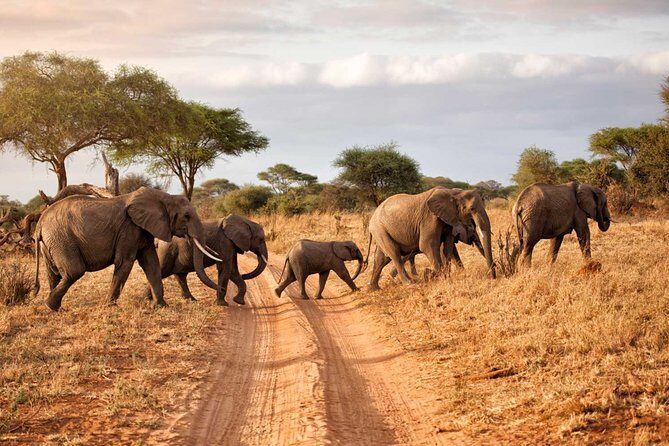
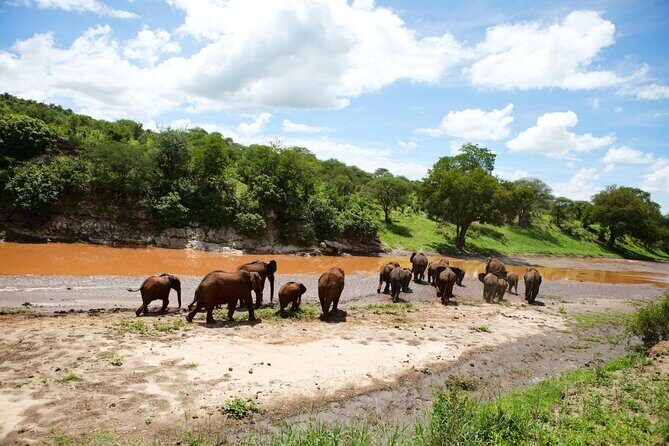
Your safari begins with a full day in Tarangire National Park after breakfast. This is one of the best places to get your safari legs under you fast, because Tarangire mixes open ground, river activity, and famous ancient baobab trees. You’ll likely spot elephants at different distances, including families moving and feeding near the Tarangire River corridor.
A big reason this day matters is that it sets your expectations for how Tanzania wildlife viewing works. In Tarangire, you’re not chasing one single species; you’re scanning for patterns. Elephants, lions, leopards, buffaloes, zebras, giraffes, and antelopes can show up, and birdlife is a constant background hum—useful when the big cats are slow.
Practical tip: bring eye-level patience. With the pop-up roof vehicle, you can stand or raise your viewing height, but the best sightings often come from slow scanning and staying quiet when animals are feeding. This is also a day where your guide’s animal-finding skill really pays off.
Possible drawback? It can feel like a lot of driving and scanning right away, especially if you’re arriving from a flight. If you’re tired, ask your guide to keep the pace steady and plan for breaks.
You can also read our reviews of more private tours in Arusha

The drive toward Serengeti: Lake Manyara route and Ngorongoro highlands
On day two, you head past Lake Manyara into the fertile Ngorongoro highlands. This is a classic “change of scenery” travel day: you cross into the Ngorongoro Conservation Area and then reach the wide open plains of Serengeti in the early afternoon.
Why I like this kind of transfer day: it gives you a smooth mental shift from park-to-park. Tarangire is river-and-baobab focused. The drive toward Serengeti cues you into grassland viewing, where you can spot movement farther away. Even when you’re not yet deep in the plains, you’re already reading the country like a wildlife map.
You also get set up for the core of the safari once you arrive. Your night is at Baobab Serengeti Tented Camp or similar, which is where you’ll reset between long game drives. In practical terms, that matters because Serengeti days are best when you’re not rushing your recovery.
One note to keep in mind: transfer days tend to be about positioning. It might not feel like a “big action” day every hour, but it’s the day that puts you closer to where the best sightings are most likely to happen.
Serengeti mornings and Seronera valley drives
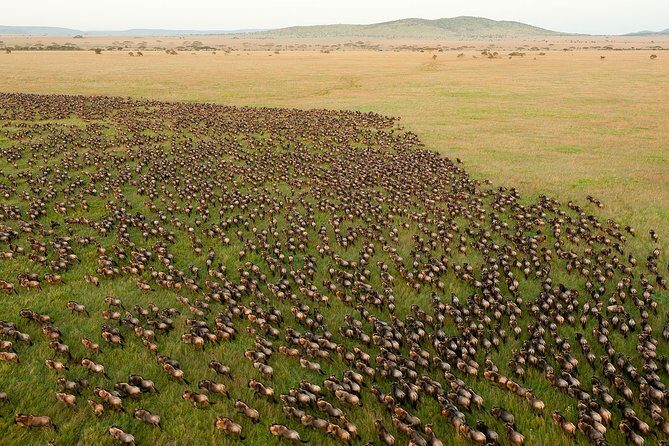
Days three and four are where the safari identity really locks in. After breakfast on day three, you spend time exploring Serengeti National Park, with an emphasis on areas like the Seronera Valley. During the dry season—or when animals gather at water—you might have predator-action opportunities, plus the chance to track migration movement across central to north Serengeti.
Lunch is a picnic inside the park. I like this format because you stop feeling like you’re only “passing through.” A picnic lunch gives you a mental reset while keeping you in wildlife time, not dragging the day into a long return trip.
Day three also usually means more late-afternoon driving, then back to camp for shower, dinner, and sleep. That’s not just for comfort. Game-drive quality often improves as the day cools, so the timing is built to help you catch animals when they’re active.
What you should know about expectations: Serengeti can be incredible even when sightings are spaced out. If you’re learning how to read animal behavior, your guide’s tracking and interpretation can be as valuable as the final photo.
A full day in Serengeti: slow safari, smarter searching
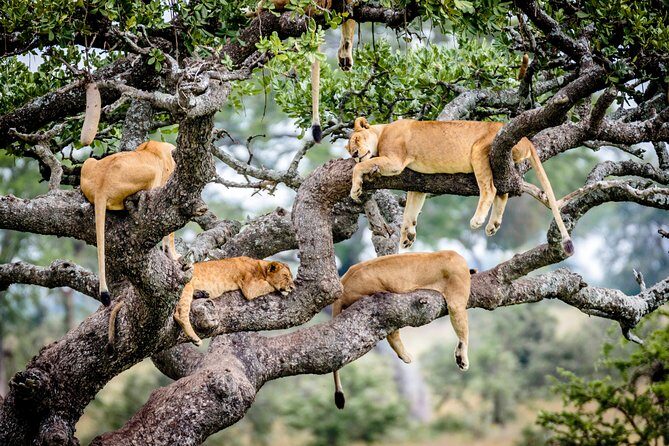
Day four is described as a full day in Serengeti, and that’s exactly how it should feel—no rush, plenty of time, and an emphasis on watching how animals live together. The idea is that your guide scouts with you, so you’re not just bouncing from sighting to sighting.
This is also the day where the Serengeti size starts to feel real. You’re looking at two broad vibe zones: open grassland in the south and open woodlands and hills in the north and west. With that mix, you can get both grazing scenes and more structured animal behavior depending on where you are.
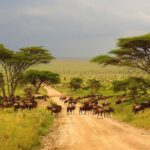
And because Serengeti connects to the Great Migration stories across the ecosystem, this is where your guide tries to line you up with likely movement corridors. You might see zebra and wildebeest activity, plus the predator side of the food chain as herds draw hunters closer to water and open plains.
The “slow safari” part is more than a slogan. When you have time, you can notice things like how animals react to vehicles, when birds signal changes, and how predators position themselves. Those details turn the day into something more memorable than a list of species.
Sunrise game drive, then down to Ngorongoro
Day five starts with a sunrise game drive, then you return for brunch. Sunrise is a payoff moment because the light is softer and many animals move differently at dawn than they do at midday. After that, you transfer to Ngorongoro for an afternoon arrival.
Ngorongoro is where this itinerary earns its big-name status. You’re heading toward an area with crater walls about 2,000 ft high and a crater floor spreading roughly 102 sq. miles. Your day-five transfer is the bridge, setting you up for the real event—an early descent on day six.
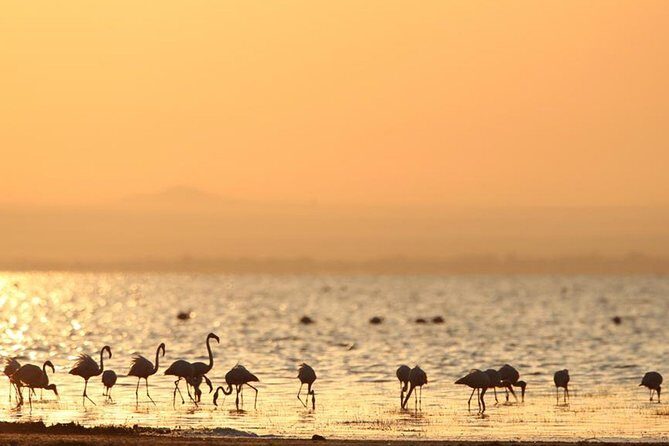
The crater’s description is also specific: it’s like a self-contained ecosystem with a river, swamps, a soda lake that can look like steam from above, flamingoes at water edges, forested pockets, and open plains. The crater is known for high wildlife density, and it includes the rare black rhino.
Practical consideration: Ngorongoro timing is about daylight and vehicle routes. You’ll want to be ready to move when your guide says it’s time. This isn’t the day for rigid schedules or slow wandering.
A few more Arusha tours and experiences worth a look
The Ngorongoro crater floor: hippo lake picnic and a full wildlife day
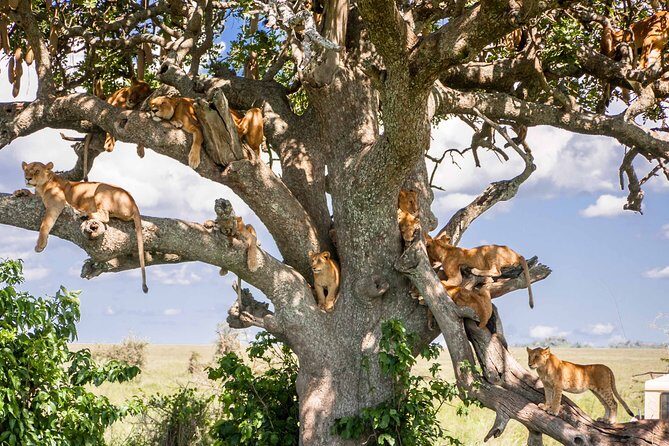
Day six is an early morning descent down to the crater floor for wildlife viewing. This is the day you feel the scale difference between the rim and the crater interior—suddenly, wildlife feels close and the ecosystem feels complete.
You’ll stop for a picnic lunch near the hippo lake, then keep going in the afternoon before driving up the steep road and returning to Moshi or Arusha. The steep return drive is part of the experience; it also helps explain why the day starts so early.
What you can reasonably expect inside the crater: lots of animals using the same water and grazing patterns, plus a chance to see species that are otherwise harder to spot in other regions. The crater ecosystem includes almost every species of wildlife indigenous to East Africa, with the black rhino called out as a rare prize. Even when your exact sightings vary, the crater itself is the point. It’s a natural amphitheater for wildlife watching.
Big tip for enjoyment: don’t rush your scanning. In Ngorongoro, you’re often looking at animals in layers—foreground movement, mid-distance grazers, and background birdlife. Your guide’s ability to point out what matters makes a huge difference here.
Lodging and vehicle comfort for mid-range luxury
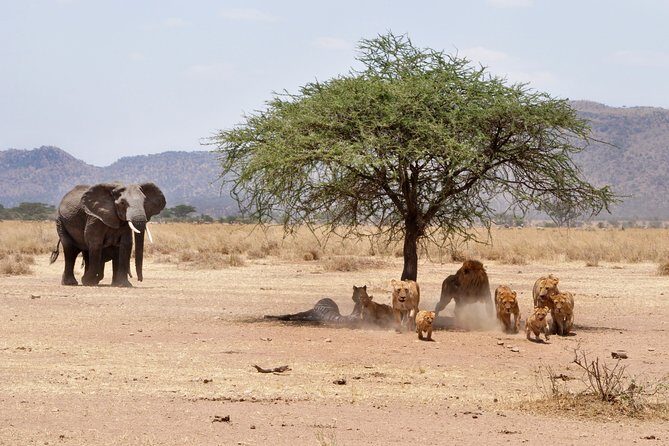
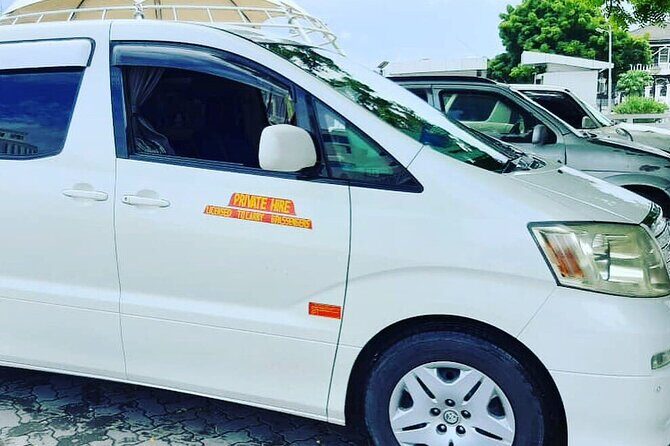
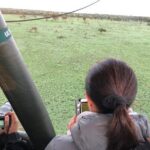
This safari is built as mid-range luxury, and the comfort details are practical rather than flashy. You travel in a Toyota Landcruiser 4×4 safari vehicle with a pop-up roof and 6 window seats, plus power adapters. That setup matters on long days because you get real viewing height without constantly rearranging cameras.
Your days also include bottled water, which sounds minor until you’ve been in a hot sun for hours and you start appreciating simple comforts. Meals are handled by the safari cook and included in the package, which reduces stress and keeps you from searching for food off-route.
Lodging is included for one night before, one night during the safari, and one night after. During the Serengeti portion, you stay at Baobab Serengeti Tented Camp or similar. If you’re sensitive to sleeping in tents, ask your operator about room setup early—but the tented-camp format is common in Serengeti because it keeps you close to game-drive timing.
Another “comfort” win: the safari begins with a meet-up at your lodge or hotel for a detailed briefing the day before. If you arrive late, the plan shifts to a morning meet-up before departure to Tarangire. That flexibility is what helps the whole trip stay calm instead of turning into a chain of surprises.
Price and value: what $5,340 includes and what to budget for
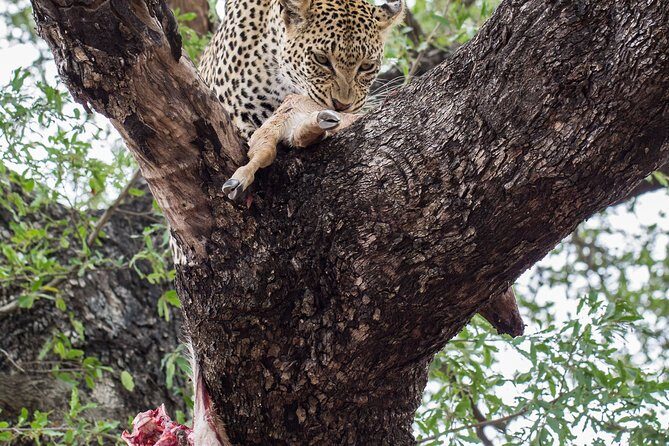
At $5,340 per person for about 6 days, this isn’t a budget safari. But the key question is coverage. This price includes all fees and taxes, a 4×4 safari vehicle with fuel, bottled water, airport pickup and drop-off, a professional English-speaking guide, and a safari cook with wages.
You also get the big-ticket park cost for Ngorongoro Crater included, plus meals: breakfast (6), lunch (6), and dinner (6). Accommodation is covered for the night before and after, plus the night during the safari. That means you’re paying mostly for the safari engine—the logistics, staff, transport, and time in parks—rather than piecing together costs day by day.
What isn’t included is also clear: visas, flights, travel and health insurance, items of personal nature, and gratuities. Health requirements are noted, including that Yellow Fever vaccination is compulsory if traveling to Tanzania.
So is it good value? If you add up the typical costs of private transport, a guide, meals, park fees, and crater charges, it can be hard to beat. This is especially true because the group is capped at 7, which can keep the experience feeling more personal than mega-vehicle tours.
My advice: treat this as a “buy the time and expertise” price. The parks are what you came for, but the guiding and timing are what make those parks productive.
Who this itinerary suits best (and who should think twice)
This safari fits best if you want a classic Northern Tanzania route with strong wildlife focus: Tarangire, Serengeti migration country, and Ngorongoro. It also suits you if you prefer a small group size capped at 7 and you value English-speaking guidance.
You’ll likely enjoy it most if you’re comfortable with early mornings and long days on safari roads. This schedule includes sunrise drives, crater descent early starts, and multiple days in Serengeti.
If your dream is a guaranteed migration sighting every day, you may feel frustrated. Migration depends on season and where herds are at that moment, and the itinerary is designed around best chances, not strict certainty.
As for service quality signals, the operator has shown up with strong staff support in the planning phase and on the ground—office contact planning for custom routes and guide names like Goodluck, Julius, and Adam mentioned for animal-finding and on-the-ground care.
Should you book this 6-day Serengeti migration safari?
If you want a solid, well-structured Northern Tanzania safari with comfort touches and serious wildlife time, I’d book it. The combination of multiple Serengeti days plus a real crater-floor day is the core strength. And the inclusion list is strong for the money: transport, guide, cook, meals, accommodation nights, and park/crater fees are handled.
I’d hesitate only if you hate early starts or you expect the Migration to be guaranteed on your exact dates. If you’re flexible, patient, and excited to watch animals do their thing, this route gives you a very fair shot at memorable wildlife—especially in Serengeti and Ngorongoro.
FAQ
Where does this safari start and end?
It starts in Arusha, Tanzania, and ends back at the meeting point. The safari route also returns to Moshi or Arusha after Ngorongoro on the final day.
Do you include airport transfers and hotel pickup?
Yes. Airport transfer/pickup and drop-off are included, and the safari begins with a meet-up at your lodge or hotel for a detailed briefing.
How many people are in the group?
The maximum group size is 7 travelers.
What parks and areas are included?
You visit Tarangire National Park, travel via the Lake Manyara area and Ngorongoro highlands, explore Serengeti National Park, and finish with Ngorongoro Crater and the Ngorongoro Conservation Area.
What vehicle do you use for game drives?
You use a Toyota Landcruiser 4×4 safari vehicle with a pop-up roof and 6 window seats, plus power adapters.
Are park fees and the Ngorongoro Crater fee included?
Yes. All fees and taxes are included, including the Ngorongoro Crater fee.
What meals and accommodations are included?
Accommodation is included for 1 night before, 1 night after, and during the safari. Meals included are 6 breakfasts, 6 lunches, and 6 dinners.
What health requirement is mentioned for Tanzania?
Yellow Fever vaccination is compulsory if traveling to Tanzania, according to the listed health requirements.