REVIEW · MOSHI
Climbing Kilimanjaro through 8 days Lemosho Route
Book on Viator →Operated by ZAFS Tours · Bookable on Viator
Quiet trails can change your whole climb. The 8-day Lemosho Route from ZAFS Tours is built for slow, steady altitude progress, starting on the western side of Kilimanjaro where the trekking feels more remote. I like that you get long acclimatization time, and you’re also set up for a biodiversity-rich walk with wildlife moments along the way. With guides such as John Jechs and Alex (plus chef support like Zachariah), the experience feels organized without turning you into a robot on a schedule.
The drive from Moshi to Londorossi Gate sets the tone early, and the route’s big claim is that you’ll move through major climate zones, from alpine meadows toward the glaciers. The one caution: this climb costs $2,760 per person, and the listing does not include pre and post hike lodging in Moshi—so plan those extra nights if you need them.
In This Review
- Key Things That Make This Lemosho Climb Worth Your Time
- From Moshi to Londorossi Gate: The Quiet Start That Sets the Mood
- Shira Plateau to High-Altitude Realities: Expect Climate to Change Fast
- Acclimatization on an 8-Day Plan: The Real Reason People Choose Lemosho
- Your Crew: Guides, Chef Zachariah, and the Day-to-Day Teamwork
- Meals on the Mountain: Breakfast, Lunch, Dinner Done for You
- Camping Equipment and the Comfort You Actually Notice
- Timing and Logistics: Meeting Point, Private Group, and How to Show Up Ready
- What a Typical 8-Day Lemosho Rhythm Feels Like (Without the Guesswork)
- Price and Value: Why $2,760 Can Make Sense on Kilimanjaro
- Who Should Choose This Lemosho Route (and Who Might Want a Different Option)
- Should You Book ZAFS Tours for the 8-Day Lemosho Route?
- FAQ
- What route is this climb based on?
- Where does the climb start and end?
- What time does the activity start?
- Is pickup included?
- How long is the trek?
- What meals are included?
- What camping equipment is provided?
- Is this a private experience?
- Is accommodation in Moshi included before and after the hike?
- What is the cancellation policy?
Key Things That Make This Lemosho Climb Worth Your Time
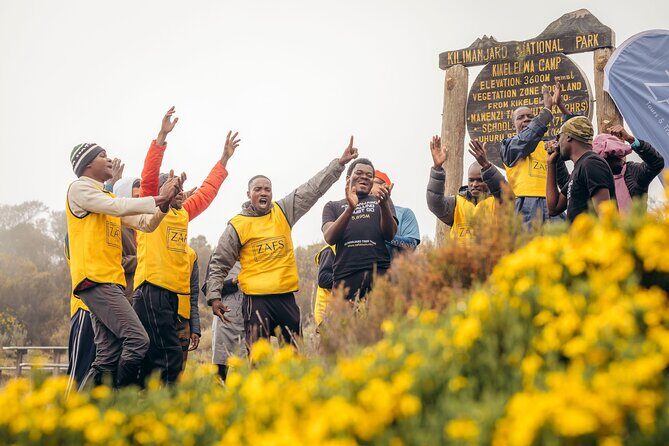
- Western-side start at Londorossi Gate: fewer crowds and a wilder feel on the trail
- Shira Plateau to multiple climate zones: big scenery changes without rushing
- Longer 8-day acclimatization: a steadier approach than the shorter programs
- Full camping support: tents, crew tents, dining setup, plus mountain meals
- A real team behind you: guides, chef, waiter, and porters working as one unit
- Close monitoring on the mountain: including pulse-ox checks mentioned by past climbers
From Moshi to Londorossi Gate: The Quiet Start That Sets the Mood
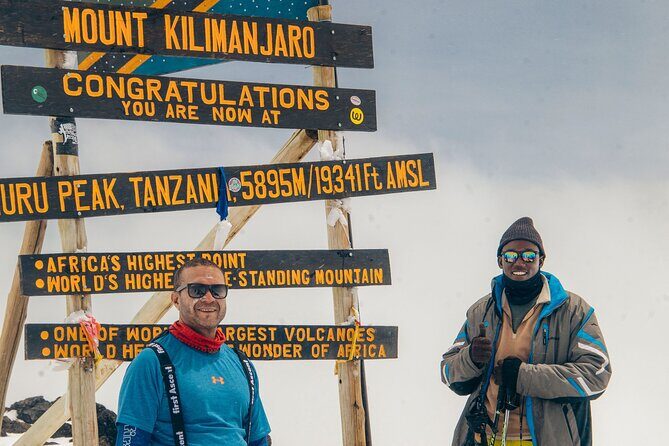
You start in Moshi (meet at Moshi Leopard Hotel, Market St). The trek day begins with a 9:00 am start, then you head out with private transportation. The drive is about 4 hours to Londorossi Gate. That matters more than it sounds.
First, you avoid wasting your energy in transit. Second, you get your bearings in daylight, not after a long scramble of logistics. And third, starting from the western slope changes the vibe. Lemosho is known for being less visited, and the route summary points to a calmer trail with wildlife sightings and a sense of wilderness.
In practical terms, this kind of start can be the difference between day-one stress and day-one confidence. You’ll likely spend that first stretch focused on hydration, warm layers, and getting into a hiking rhythm—not trying to figure out what’s happening.
You can also read our reviews of more tours and experiences in Moshi.

Shira Plateau to High-Altitude Realities: Expect Climate to Change Fast
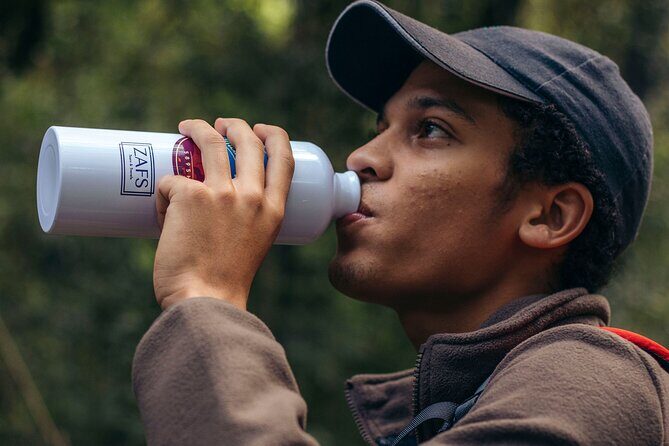
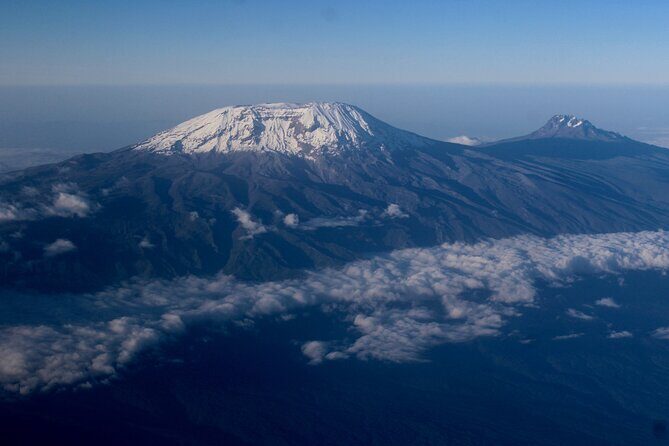
Once you’re through Londorossi Gate, the route takes you toward the Shira Plateau. That’s where the climbing really becomes a story of changing altitude and changing weather.
The route description is clear: as you climb, you move through all climate zones, from alpine meadows to conditions close to the eternal ice zone. That’s not just poetic wording. For you, it means you’ll need to think in layers and expect sudden shifts in temperature.
Here’s what I’d plan for:
- Layer strategy beats one-thick-jacket thinking. You’ll likely cool off during breaks and warm up during walking.
- Gloves and a hat aren’t optional comfort items. Cold wind at altitude can make you regret skipping basics fast.
- Weather flexibility matters. Even if it’s clear at first, Kilimanjaro weather can change.
Also, Lemosho has a reputation for a more gradual ascent. That’s where the longer duration helps. You’re not trying to “win” altitude. You’re giving your body time to adjust while still building toward the summit goal.
Acclimatization on an 8-Day Plan: The Real Reason People Choose Lemosho
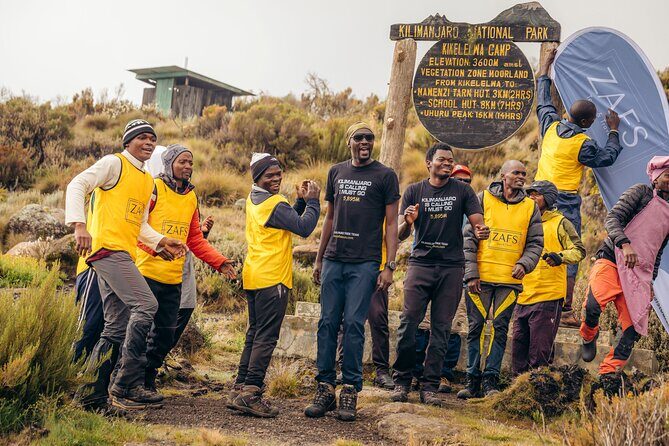
The tour description emphasizes better acclimatization through a longer route and a smoother climb. In plain language: this is about lowering the odds that altitude hits you all at once.
Altitude sickness doesn’t care how motivated you feel. What you can control is how quickly you gain elevation and how closely you listen to your body. With the Lemosho approach, you get more days to spread out the work, rather than compressing it into a shorter program.
Past climbers also highlight monitoring habits, including pulse-ox readings and evening check-ins with guide briefings. That’s exactly what you want on Kilimanjaro: a team watching the numbers and making calls early, not waiting for a crisis.
A helpful way to think about the acclimatization days: they are not “wasted hiking.” They’re training. You’ll walk, rest, adapt, and then continue. Each small step teaches your system how to function at lower oxygen levels.
Your Crew: Guides, Chef Zachariah, and the Day-to-Day Teamwork
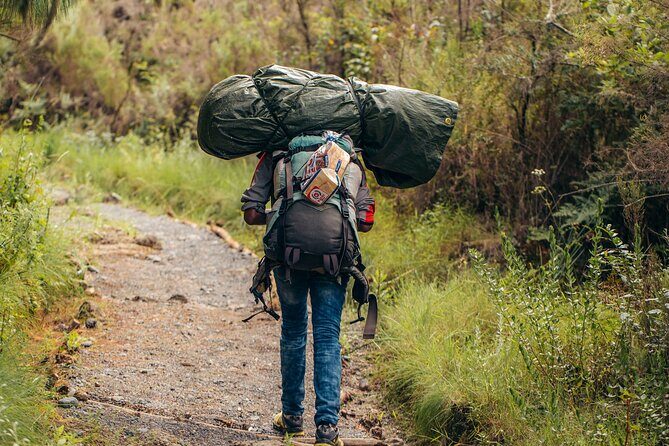
This package isn’t just about a guide leading you up a mountain. It’s about a full support structure. The listing includes a mountain crew with experienced guides, a chef, a waiter, and porters.
That matters for two reasons. One: your hands and mind stay focused on walking, breathing, and pacing. Two: the camp life runs smoothly, so you don’t lose sleep troubleshooting gear.
I’m also glad the reviews and shared info put names to the faces. Climbers mention lead guides such as John Jechs, plus guides like Alex, Erik, and Mushi. They also call out chef Zachariah for food quality, including support for a vegetarian menu. That isn’t a small detail on Kilimanjaro. When your body is working hard, good meals help you actually hike the next day.
If you’re the type who wants accountability, you’ll likely appreciate how the guides coach your pace and safety. One review highlights that guides give important evening briefings and monitor progress closely. That style is comforting when the mountain gets quiet and you start wondering if you’re doing things right.
Meals on the Mountain: Breakfast, Lunch, Dinner Done for You
Let’s talk food, because it’s one of the biggest “hidden” determinants of how a summit feels.
This climb includes:
- Breakfast daily (freshly prepared on the mountain)
- Lunch daily while you’re hiking
- Dinner daily cooked by the expert chef
- Coffee and/or tea
That’s a full-board setup, not a “bring your own snacks and hope” plan. You’re going to be burning energy in cold air. Having reliable meals reduces decision fatigue. Instead of worrying what you forgot, you can focus on hydration and pace.
What I especially like about this setup is timing. You’ll be eating in a controlled routine, with a team managing camp and prep. When you’re at altitude, routine is a comfort tool.
Also, if you care about dietary needs, it’s a good sign that climbers specifically mention vegetarian-friendly food prepared by the chef team.
Camping Equipment and the Comfort You Actually Notice
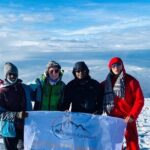
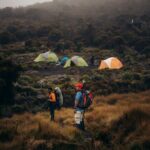
Many people picture a Kilimanjaro tent as an uncomfortable box. The listing here includes camping equipment such as private tents, a dining tent, and tents for the crew.
Here’s what that means in real life:
- You’re not hauling everything. The package covers key camping gear.
- You get a proper dining area, so meals aren’t just eaten standing in the cold.
- The crew’s systems are built in. Porters and staff handling setup is part of the value of the price.
You’ll still want to bring your own hiking essentials (layers, hat, gloves, etc.). But the “camp infrastructure” is handled. That’s one less stress point on summit week.
Timing and Logistics: Meeting Point, Private Group, and How to Show Up Ready
You meet at Moshi Leopard Hotel at 9:00 am, and the activity ends back at the same meeting point. It’s described as a private tour/activity, meaning only your group participates.
That’s useful if you:
- prefer a smaller, more controlled experience
- want your guide to manage pacing for your team
- don’t want to feel like you’re sharing camp space and walking pace with strangers
Also, the listing notes pickup offered and “near public transportation.” The practical takeaway: it’s not a hard-to-reach staging point.
Before you go, pack with the expectation that your day may feel like a repeating cycle: walk, pause, adjust layers, drink, eat, and then repeat. A crew that keeps camp running smoothly helps you stick to that rhythm without distractions.
What a Typical 8-Day Lemosho Rhythm Feels Like (Without the Guesswork)
I’ll keep this honest: the exact camp names and day-by-day distances aren’t spelled out in the info I received. But the route structure is consistent with what Lemosho is designed to do, and you can still plan your expectations.
Over the 8 days, you can generally expect three phases:
1) Getting started on the western slope.
After the drive to Londorossi Gate, your first hiking days focus on finding your pace and settling in. This is where the “gradual ascent” matters most.
2) Working through the Shira Plateau area and climate changes.
The route description calls out moving through major climate zones. You’ll feel the temperature and terrain shift as you gain altitude, and you’ll likely see changes in vegetation too.
3) Summit preparation and the final push.
The goal is reaching Uhuru Peak. In practical terms, this part of the trip is about conserving energy, following guide guidance closely, and staying calm when it gets steep or cold. Once you summit, you’ll shift into recovery mode for the descent and return.
If you’re choosing between 7 and 8 days, the message here is clear: longer programs are recommended for better acclimatization. This is one of those rare situations where “more time” usually means “less suffering later.”
Price and Value: Why $2,760 Can Make Sense on Kilimanjaro
At $2,760 per person, this is not the cheapest way to climb Kilimanjaro. But the value comes from what’s included.
The price covers:
- Private transportation
- All fees and taxes
- Camping equipment (including private tents and dining setup)
- Mountain crew: guides, chef, waiter, and porters
- Meals: breakfast, lunch, dinner daily
- Coffee and/or tea
- All the mountain service you’d otherwise have to arrange
So you’re paying for a full operating system: camp setup, food, safety support, and the logistics that make the mountain experience workable. If you compare that kind of package to doing the mountain portion piecemeal, the price looks less random and more like a bundle.
The one value trade-off is that you’ll still need to handle what’s not listed—especially pre and post hike accommodation in Moshi, which is available on request but not automatically included.
Who Should Choose This Lemosho Route (and Who Might Want a Different Option)
This is a strong fit if you want:
- a quieter route with lower traffic
- a start on the western side for remote-feeling trekking
- a climb designed around gradual ascent and acclimatization
- a full-service camping experience with a professional crew
The listing suggests moderate physical fitness. That doesn’t mean “easy.” It means you should be comfortable hiking for long hours and handling steep stretches at altitude with a slow, steady pace.
If you’re short on time, you might consider other duration options. But the route messaging here clearly favors the 8-day format for your odds and your comfort.
Should You Book ZAFS Tours for the 8-Day Lemosho Route?
If your priority is a well-run climb with serious support, I’d say this is worth booking.
Here’s my practical checklist:
- You want full-board meals and mountain camp gear handled for you.
- You like the idea of a western start with less crowd energy.
- You want more acclimatization time, not shortcuts.
- You want a team that focuses on safety and monitoring, including pulse-ox checks mentioned in past experiences.
I would hesitate only if you’re looking for the absolute lowest cost or you don’t want to manage extra logistics in Moshi. Since pre and post accommodation isn’t included, you’ll need a simple plan for those nights.
If you can handle that, the 8-day Lemosho with ZAFS gives you a mountain journey that feels structured, human, and built for success.
FAQ
What route is this climb based on?
This experience is the Kilimanjaro Lemosho Route with an 8-day program.
Where does the climb start and end?
It starts in Moshi at Moshi Leopard Hotel, Market St, Tanzania, and it ends back at the same meeting point.
What time does the activity start?
The start time is listed as 9:00 am.
Is pickup included?
The summary says pickup offered, and the listing includes private transportation.
How long is the trek?
The duration is 8 days (approx.).
What meals are included?
The climb includes breakfast, lunch, and dinner daily, plus coffee and/or tea.
What camping equipment is provided?
Camping equipment is included, including private tents, a dining tent, and tents for the crew.
Is this a private experience?
Yes. It’s listed as a private tour/activity, meaning only your group participates.
Is accommodation in Moshi included before and after the hike?
No. Pre and post hike accommodation in Moshi is available on request, but it’s not included by default.
What is the cancellation policy?
There is free cancellation up to 24 hours in advance for a full refund. Within 24 hours, the amount you paid is not refunded.