REVIEW · KILIMANJARO
7 Days Highlight of Tanzania Mid-Range Standard
Book on Viator →Operated by Enticing Journeys · Bookable on Viator
Big cats and big skies in one week. This private safari strings together Tarangire, Serengeti, Ngorongoro Crater, and Lake Manyara, with long game drives and early starts that keep your days full.
I like that park fees and taxes are handled, so you’re not doing extra cost math mid-trip. I also like the mix of wildlife styles: elephants by a river, then serious bird life and the famous tree-climbing lions potential, and finally Serengeti big-cat country.
The main consideration is the pace. You’ll be up early for the Mara River and you descend about 610 meters into Ngorongoro, so it’s better suited to travelers who enjoy movement and long days.
In This Review
- Key Highlights to Know Before You Go
- The Safari Circuit From Arusha: What This 7-Day Pace Really Means
- Tarangire National Park and Tortills Tented Camp: Elephants, Rivers, and a Night at the Edge
- Lake Manyara’s Mix of Habitats: Birds, Hot Springs Country, and Tree-Climbing Lion Potential
- Serengeti Game Drives: Big Cats, Mara River Drama, and Two Very Different Days
- Retima Hippo Pool and Mara Mornings: How to Chase Sightings Without Burning Out
- Ngorongoro Crater Descent: Big Five Country on an Open Floor
- Where the Money Goes: Mid-Range Comfort, Included Meals, and Real-World Value
- Logistics That Affect Your Experience: Pickup, Private Group Only, and Long Drives
- Should You Book This 7-Day Tanzania Safari?
- FAQ
- How long is the safari?
- What places will I visit during the week?
- Is pickup offered?
- Is this a private tour?
- What meals are included?
- Are park fees included?
- What costs are not included?
- Is there a full refund if I cancel shortly before the trip?
Key Highlights to Know Before You Go
- Tarangire elephant corridor near the park edge at Tortills Tented Camp
- Lake Manyara’s bird density, with 400+ recorded bird species
- Serengeti big-cat focus, including Serengeti heritage Tented Camp stays
- Mara River crossings timing, possible between June and August depending on rainfall
- Ngorongoro Crater day trip on open grassland with Big Five country
- Retima Hippo Pool and Ngoitokitok picnic for close-up moments on your schedule
The Safari Circuit From Arusha: What This 7-Day Pace Really Means
This is a classic northern circuit week, built around maximum sightings rather than slow travel. You start in Arusha, then work through Tarangire, Lake Manyara, Serengeti (with a Mara River day), and Ngorongoro Crater, finishing with time described as ending around Lake Eyasi for the Busmen/Hadza people. One small practical note: the detailed day-by-day plan you provided doesn’t spell out the Lake Eyasi segment, so ask your operator how that final cultural portion fits into the calendar.
The private setup matters. Because it’s your group only, your driver-guide can adjust stops when animals show up, and you don’t waste time waiting for other vehicles. It’s a real advantage in places like the Serengeti, where the best sightings often happen fast.
You should also plan for long days in the vehicle. Each safari day is measured in hours, not minutes, and that’s part of the trade-off for packing in multiple ecosystems in one week.
A few more Kilimanjaro tours and experiences worth a look
Tarangire National Park and Tortills Tented Camp: Elephants, Rivers, and a Night at the Edge
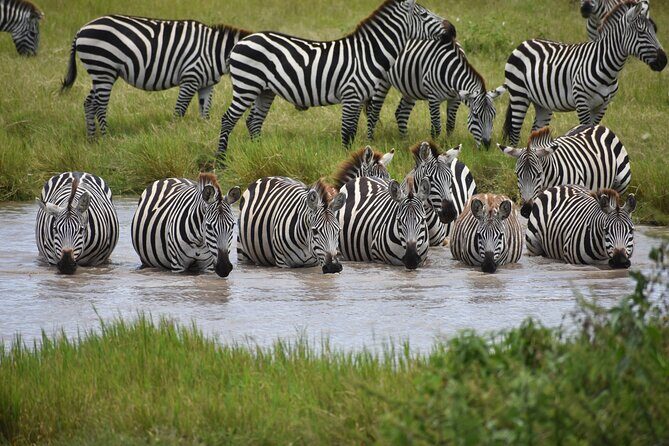
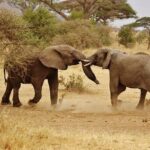
Tarangire often gets underrated because it’s not always the first name on people’s lips. But it’s fantastic for elephants, and the timing is a big reason why. The park supports Tanzania’s biggest elephant population, and in the dry season you tend to see animals concentrating around the Tarangire River.
Your base is Tortills Tented Camp, positioned right near the park edge. The key practical benefit is that you’re close to where the elephants move out of the park, so you’re not starting your game drive from far away. That’s a sneaky way to gain more actual safari time.
On the ground, expect familiar “savanna cast” like giraffe, zebra, buffalo, and multiple antelope species. If you’re the type who likes patterns—how animals shift through the day and seasons—Tarangire is a great place to get your bearings quickly.
One drawback: because Tarangire can be wildlife-heavy in certain stretches, you’ll want patience at peak sightings. This isn’t a theme park. Your guide will still do the work—reading signs and traffic patterns—but you’ll sometimes sit and watch while others drift in and out.
Lake Manyara’s Mix of Habitats: Birds, Hot Springs Country, and Tree-Climbing Lion Potential
Lake Manyara is the “smaller-feeling” park on this circuit, but it hits hard on diversity. Instead of one single habitat, you get a layered mix: underground-water forest, acacia woodlands, grasslands, swamps and marshes, and even hot springs country. That variety shows up in your sightings list.
Bird life is the standout. Over 400 bird species have been recorded here, and you can be looking at everything from flamingos to migratory water birds depending on conditions. If you enjoy birdwatching, this day can be a highlight because the action doesn’t rely only on the big mammals.
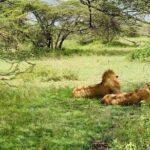
Another reason Manyara earns its place is the possibility of tree-climbing lions. The park’s acacia woodlands are where that legend comes from, and while you can’t control what you’ll see, the habitat is right for the story.
You’ll be doing game viewing after breakfast with a picnic lunch packed for you. That’s useful because it keeps your day flowing and avoids the “where do we eat now?” scramble that can happen on DIY trips.
Possible downside: Some parks reward motion and scanning; Manyara rewards knowing when to slow down. If you’re the type who only wants constant action, you might find a few quieter stretches between the more exciting moments.
Serengeti Game Drives: Big Cats, Mara River Drama, and Two Very Different Days
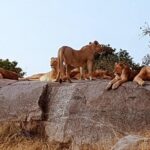
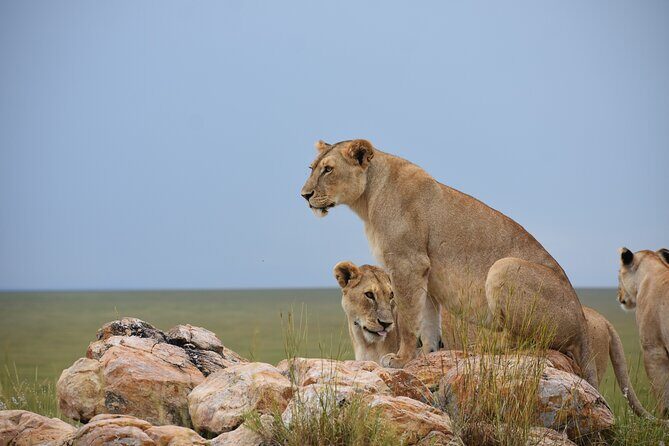
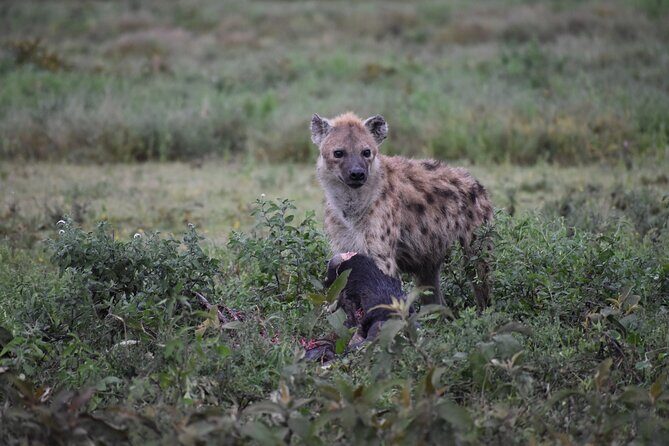
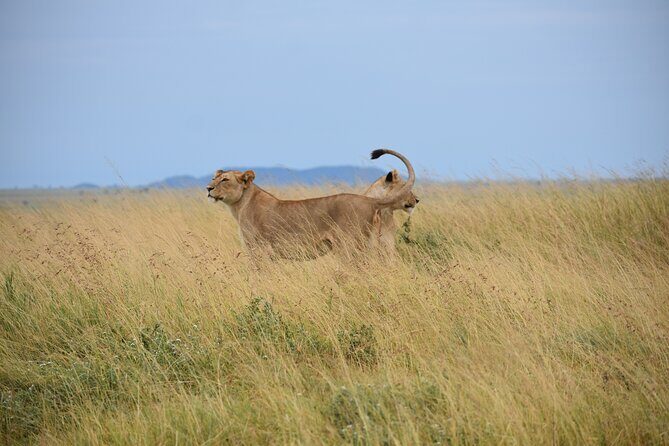
Serengeti is where this safari earns its reputation, and this week gives you more than one flavor of it. In the central area, the focus is classic big-cat territory: lions, leopards, and cheetahs, with other wildlife such as hyenas, jackals, elephants, giraffes, hippos, and buffalo in the mix.
After a drive and picnic lunch, you’ll spend a night at Serengeti heritage Tented Camp. That matters more than it sounds. Staying inside the rhythm of Serengeti country usually makes it easier to start early and keep your sightings momentum.
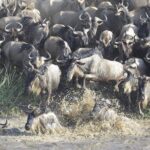
Then you get a second Serengeti day in the northern zone along the Mara River. This is the day built around the famous drama: wildebeest and zebras moving through dangerous water areas with Nile crocodiles in the mix, followed by predators waiting on the other side. Timing is rainfall-driven, and the possibility of crossings can fall anywhere from June to August.
Even if you don’t catch a crossing, the Mara River area is still top-tier for predators because animals funnel toward water and greener patches. Your guide’s job becomes reading the riverbank story—where pressure builds, where herds bunch, and where predators choose to hunt.
One practical tip: bring layers for dust and cool mornings. The Mara River day often feels colder early and then warmer later, and you’ll be in the open-air safari mode long enough that comfort becomes part of your enjoyment.
Retima Hippo Pool and Mara Mornings: How to Chase Sightings Without Burning Out
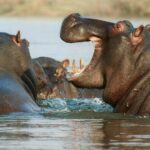
This route smartly uses two different “animal styles.” One is the Mara River day: full of risk, motion, and predator potential. The other is the hippo-focused pause at Retima Hippo Pool, where you can see hippos up close and still enjoy your food.
That hippo stop is short—about an hour—but it’s a nice change of pace from the longer game drives. You get variety without losing too much time.
The Mara morning drive is where you earn your best chances. Your day starts early, then you scan across the river corridor for hoofed animals heading to water, followed by the iconic predators that follow the action. Depending on luck, you may also see hippos, lions, cheetahs, leopards, elephants, giraffes, warthogs, and even the endangered black rhino.
A quick reality check: black rhino sightings aren’t guaranteed on any safari, but the important part is that your schedule puts you where the odds improve—water travel paths and predator routes.
Burn-out is the main risk here, not lack of sightings. If you want to enjoy the entire week, keep your expectations flexible: the goal isn’t constant action every minute. It’s consistent chances, guided well.

Ngorongoro Crater Descent: Big Five Country on an Open Floor
The Ngorongoro day starts very early, and you descend about 610 meters from the conservation area down into the crater floor. The crater area is roughly 265 square kilometers, which makes it feel contained compared to the Serengeti’s endless plains, but it’s still huge enough for serious wildlife encounters.
The crater is famous for Big Five potential—black rhino, wildebeest, zebra, along with lions, elephants, and more. The terrain is open grassland with streams and water features, which helps with visibility. When the animals are spread out, you can still spot them and track movement without fighting constant brush.
You’ll spend your day exploring the crater floor, and you’ll stop to picnic on the grasslands with grazing herds nearby. That’s a rare kind of meal: you’re eating in the middle of wildlife movement rather than beside a road.
After crater time, there’s a Ngoitokitok Picnic Area stop, described as a place to dine while hippos are within walking distance. Again, you can’t count on seeing hippos at every moment, but the location setup is clearly designed for that kind of close-up.
If you’re worried about physical strain: the early start and the descent matter. It’s still doable for many people, but this is one day you should think about mobility and stamina.
Where the Money Goes: Mid-Range Comfort, Included Meals, and Real-World Value
This tour is priced at $4,465 per person for about 7 days. That’s not a budget safari, and it’s not a luxury private helicopter-and-silk-straight-through fantasy either. It lands in a practical mid-range zone where you’re paying for access, time, and logistics.
Here’s what you get that supports the price:
- All national park fees and admission-related costs are included.
- Private transportation runs through the route.
- You get a lot of meal coverage: 6 breakfasts, 7 lunches, and 6 dinners.
In plain terms, you’re paying for not having to handle the administrative side of safari life. That matters because in Tanzania, the “extras” can add up quickly once you start layering parks, permits, and day-by-day logistics yourself.
Comfort-wise, you stay mid-range partner lodges at least on the crater area night. The plan describes tasteful restaurants and commodious rooms for rest. That kind of room quality isn’t a small detail when you’re sleeping after long days in the vehicle.
Also, the tour includes a mobile ticket, which can reduce last-minute hassle when you’re switching locations.
Potential disappointment: your accommodation style isn’t described in deep detail for every night. You can expect mid-range standard based on what’s listed, but if you have strong preferences about tents vs. rooms, ask before booking.
Logistics That Affect Your Experience: Pickup, Private Group Only, and Long Drives
Pickup is offered, and confirmation happens at booking time. Since it’s a private tour/activity, the schedule is built around your group rather than timed to merge with other vehicles.
The transport is private, which is a big deal when you’re traveling between parks across long distances. It also tends to make the day smoother: fewer stops, fewer mismatched pacing issues, and fewer chances for your time to get chopped up.
Near public transportation is listed as an attribute, but on safari you’ll mostly be living in the safari vehicle. So treat that as a background detail, not something you’ll rely on.
Long drives are still long drives. If you’re prone to motion sickness, bring what you normally use. You don’t need a dramatic plan—just a practical one.
Should You Book This 7-Day Tanzania Safari?
I’d book this if you want a one-week sampler of northern Tanzania that hits the big names—Tarangire, Lake Manyara, Serengeti, and Ngorongoro—without leaving you to organize park fees and transport day by day. The schedule also makes smart room for variety: hippos at Retima Hippo Pool, Mara River danger and drama, and crater grassland picnics.
I’d think twice if you’re not into early mornings or long days in a vehicle. This is built for wildlife chances, not for slow mornings and late breakfasts.
One final smart move: since the tour description says it ends around Lake Eyasi for the Busmen/Hadza community but the day-by-day details you shared don’t spell that out, confirm exactly what cultural time is included, how long it lasts, and where it fits before you pay.
If you like your safari with structure, variety, and strong wildlife odds, this is a solid choice for a mid-range budget that still wants real Tanzania.
FAQ
How long is the safari?
It’s listed as 7 days (approximately).
What places will I visit during the week?
You’ll spend time at Tarangire National Park, Lake Manyara National Park, Serengeti National Park (including a Mara River-focused drive), Ngorongoro Crater, and you’ll also stop at Retima Hippo Pool and Ngoitokitok Picnic Area. The tour overview also describes ending around Lake Eyasi for the Busmen/Hadza people.
Is pickup offered?
Yes, pickup is offered.
Is this a private tour?
Yes. It’s described as private, with only your group participating.
What meals are included?
Breakfast is included for 6 days, lunch is included for 7 days, and dinner is included for 6 days.
Are park fees included?
Yes. All national park fees are included.
What costs are not included?
Visa fees, tips, travel insurance, and items of a personal nature are not included.
Is there a full refund if I cancel shortly before the trip?
Free cancellation is available up to 24 hours in advance for a full refund. If you cancel less than 24 hours before the experience’s start time, the amount paid is not refunded.