REVIEW · KILIMANJARO
7 Day Safari in Tanzania National Parks
Book on Viator →Operated by Altezza Travel · Bookable on Viator
A 7-day safari is where Northern Tanzania really clicks. I like how this route strings together Arusha, Tarangire, Ngorongoro Crater, and the Serengeti so you can hunt for Big Five sightings without doing frantic backtracking. You’ll be in a proper safari rhythm—early drives, smart breaks, and a couple of special “you can get close” moments.
What I like most is the mix: you get at least one walking safari option in Arusha (with an armed ranger), then you shift back into classic Land Cruiser game drives. I also appreciate the comfort and support—English-speaking guide, 3–4 lodge full board, and practical add-ons like binoculars, bottled drinks in the jeep, and an AMREF air ambulance service.
One drawback to think about: you’re doing a full week of long days in remote areas. Also, the tour isn’t suitable for people who rely on special mobility aids, since lodges and vehicles in park regions often lack the needed infrastructure.
In This Review
- Key highlights I’d underline before you book
- Why Northern Tanzania, in One Packed Week, Makes Sense
- Arusha National Park: The Walking Safari Start and Why It’s Special
- Tarangire: Two Days for Elephants, Birds, and the “Not Just Serengeti” Species
- Ngorongoro Crater: One Descent, Tons of Animals, and a Better-than-You-Think Picnic
- Serengeti Game-Drive Rhythm: Seronera, Visitor Center Choices, and Sunset Chances
- Serengeti Finale Days: Kopjes, Lion Country Feel, and Simba Rock
- Price and Value: What You’re Really Buying for $4,802
- Vehicle Comfort, Timing, and the Little Things That Keep You Happy
- Big Five Odds and What a Real Safari Expectation Looks Like
- Who This 7-Day Safari Fits Best (and Who Might Feel Frustrated)
- Should You Book This Tanzania National Parks Safari?
- FAQ
- What time do the safari days typically start?
- Is pickup from my hotel included?
- What parks are included in this 7-day safari?
- How are meals handled during the trip?
- Are national park fees included?
- What safari vehicle will you use?
- Is bottled water and coffee provided during game drives?
- Do you get binoculars?
- Is Wi-Fi available?
- Is the tour suitable for people with mobility issues?
- Can I get help for medical emergencies?
Key highlights I’d underline before you book
- Arusha National Park walking safari with an armed ranger, plus time for an educational stop at Ngurdoto Museum
- Tarangire on two different days, with chances for species you may miss in Serengeti (think gerenuks, oryx)
- Ngorongoro Crater’s big-animal “concentration” and a relaxed picnic stop near Lake Magadi
- Serengeti built around viewing rhythm: Seronera area, visitor center options, and a sunset restart for golden-hour chances
- Kopjes and Simba Rock—photo-worthy rock formations and a real-life reference point for the Lion King story
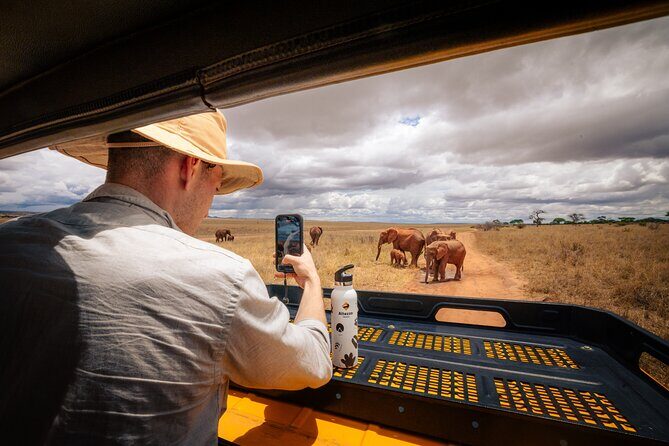
- Safety and comfort details: pop-up roof Land Cruiser, refrigerator and power sockets in the vehicle, medical kit, and AMREF Flying Doctors
Why Northern Tanzania, in One Packed Week, Makes Sense
This is the kind of itinerary that works because it’s not just “see a lot of parks.” It’s built around how wildlife actually shows up across Tanzania’s northern parks. You start with Arusha’s nearby nature spaces, then slide into Tarangire’s distinct habitat, hit Ngorongoro for high-density wildlife viewing, and spend your remaining days in Serengeti—where you get the broad, moving picture of the ecosystem.
The other smart piece is pace. You’re not bouncing every day between far-apart regions. The tour keeps you in a logical arc through the parks, so your time on game drives is spent driving for viewing, not driving for logistics.
Also, you get a real safari vehicle setup: a new 4×4 Land Cruiser with a pop-up roof, ergonomic seats, a refrigerator, and power sockets. When you’re out for hours, that matters more than people think. Cold water and decent seating help your attention stay on spotting, not on discomfort.
A few more Kilimanjaro tours and experiences worth a look
Arusha National Park: The Walking Safari Start and Why It’s Special
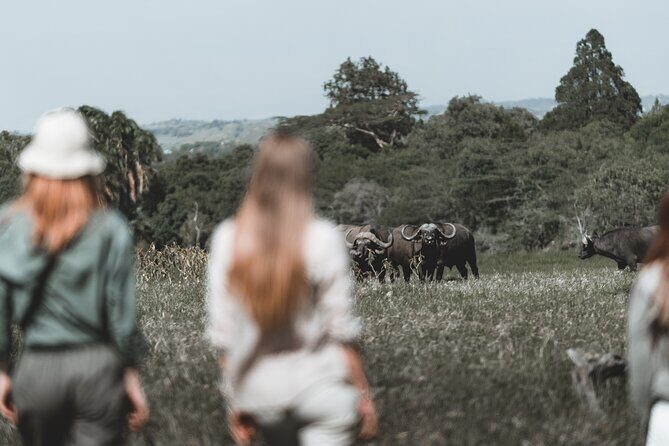
Arusha National Park is often treated like a warm-up. That’s a shame, because it has one of the most memorable experiences in this whole package: a 1.5-hour bush walk allowed in this area, led with an armed ranger. The point isn’t just photos. Walking changes how you understand the landscape—sound first, then movement, then the “oh wow” moments when an animal appears closer than you expect.
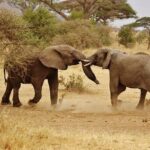
You’ll likely cover savanna plains and have a chance to spot giraffes, bushbuck, buffalo, and warthogs during this part of the day. The wildlife tends to feel more “present” when you’re on foot, and the ranger guidance helps you notice behaviors you’d miss from inside a vehicle.
If you’re curious about the human side of conservation, you can also add a stop at Ngurdoto Museum. The idea here is practical: learn how people and wildlife share space, and why management matters. After the walk, you shift into a Land Cruiser safari so you can expand your sightings radius without losing the day.
Practical note: this is a full day in the field. Go in knowing you’ll be outside and active early, and you’ll appreciate the break between walking and driving.
Tarangire: Two Days for Elephants, Birds, and the “Not Just Serengeti” Species
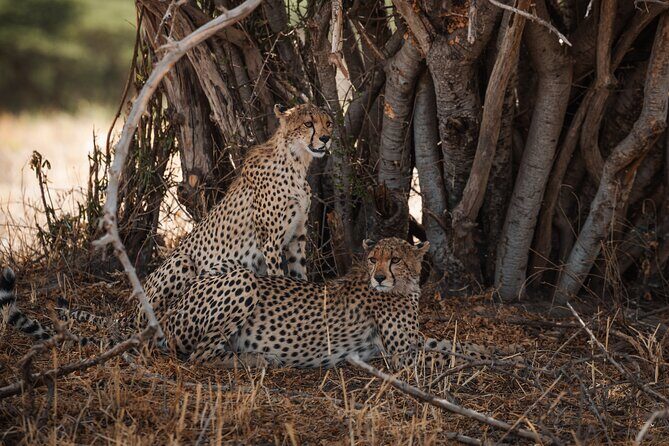
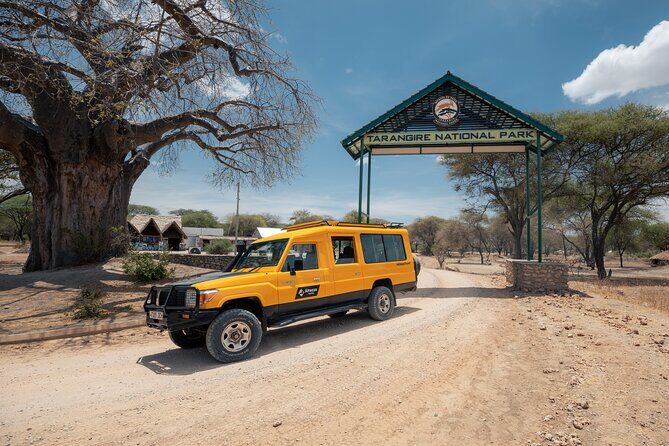
Tarangire is the park where the scenery shifts and the wildlife gets a different flavor. You start around 7:30 AM and reach the park by about 10:00 AM for your first game drive. That timing is good: you’re not rushed into darkness at dawn, but you still catch active morning viewing.
On day one, you’re in classic Tarangire mode. The big draw is the overall game-drive experience, with lots of opportunity to spot animals around the park’s key areas. On day two, you get something even more valuable: a second day taken in new sections of Tarangire.
That change matters because Tarangire isn’t “one sight.” It’s habitat variety. You may encounter species that don’t show up as often in Serengeti—long-necked gerenuks and oryx are specifically highlighted. You’ll also see hyraxes (small, amusing, and surprisingly close for photos if you keep your distance). And if you like birds, Tarangire is a standout: the park is said to host over 550 bird species, and the car comes with high-resolution binoculars to support bird-watching.
One more practical reminder: don’t touch wildlife, even if you’re close. Keep your space, use your zoom, and let the animals keep acting like animals.
Ngorongoro Crater: One Descent, Tons of Animals, and a Better-than-You-Think Picnic
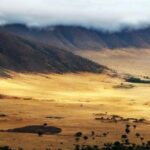
Ngorongoro Crater is famous for a reason, but the way this day is set up helps you experience it without feeling like cattle in a queue. You’ll descend in a short drive—around half an hour—through forests and scenery before you reach the crater floor.
Here’s the key idea: the crater acts like an enclosed viewing bowl. The tour notes that it supports a very dense animal presence per square meter compared to many other places. When that works out on your day, it can feel like you’re getting multiple sightings in the same “micro-area,” even without doing excessive driving.
After your morning game drive, you stop for a snack and rest at a picnic area near Lake Magadi. This is a simple part of the itinerary, but it’s also where you recharge for the afternoon viewing window.
If you’re a Big Five hunter, this is one of the days where your odds can feel best—because the distribution of animals can be unusually tight. Even if you don’t tick every box, it’s still the kind of day you remember for the density and variety you see close together.
Serengeti Game-Drive Rhythm: Seronera, Visitor Center Choices, and Sunset Chances
Once you’re in Serengeti, the tour shifts into a “work the day” pattern—find animals, take smart breaks, and re-start when light gets better. You go to the central Serengeti area called Seronera and then drive with your guide to find what you most want to see.
Your day has a fork in the road around lunchtime. You can stop at the Serengeti Visitor Center, where you get a lunchbox and learn about the park’s animals and history. The visitor center area also offers more hyrax viewing opportunities, which is a nice bonus if you like small “not just the big stuff” moments.
Or, you can head back to your camp for quick lunch and a nap, then rejoin the drive before sunset. That choice is about your energy. If you want maximum viewing time, the visitor center option can be a good fit. If you’re tired from early starts, a short reset can keep you sharp when the action often looks best.
This is also where timing starts to matter. The tour explicitly builds in a restart before golden hour on one of the days. In Serengeti, that’s when you can get dramatic behavior and better light for spotting—from stripes and faces to dust and movement.
A few more Kilimanjaro tours and experiences worth a look
Serengeti Finale Days: Kopjes, Lion Country Feel, and Simba Rock
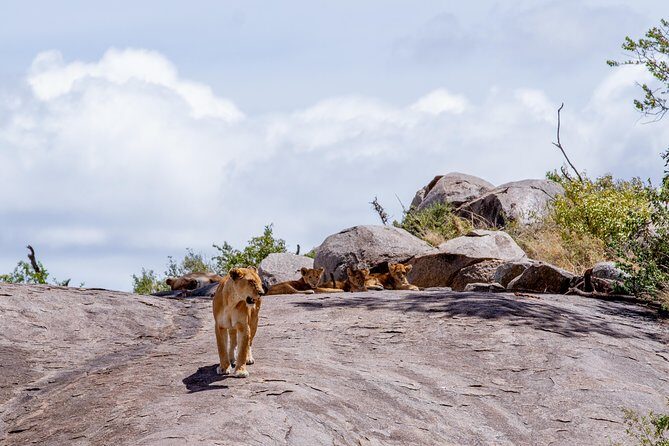
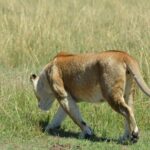
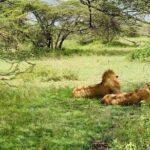
Central Serengeti has a way of making each drive feel like a fresh start. On your later day(s), you’re still in the savannah, still chasing that combination of “today’s sightings” plus surprise moments—curious elephants, lazy lions turning suddenly alert, and the occasional cheetah sighting that pops up when you think it’s time for a break.
A highlight here is the Kopjes, those volcanic rock formations that provide excellent resting shade for animals and great photo viewpoints for you. Even when animals are far, kopjes help your guide anchor where to scan and where animals might be using cover.
And yes, the tour includes Simba Rock—a real rock formation connected to the Lion King inspiration story. Even if you’re not a movie person, it’s a fun marker that adds meaning to the place. It also gives you a specific reference point while you’re out in a park that’s otherwise enormous and hard to “orient” visually.
From the guide side, the experience is helped by good spotting skills. In past trips with Altezza, guides like Daniel have been praised for pushing hard to make sure you get amazing wildlife sightings. Other guides named in the experience history—Stephen, Anold, and Noel—also come up for being friendly and knowledgeable. You should still remember that wildlife is wildlife. But solid guide skills make a difference in where you spend your time.
Price and Value: What You’re Really Buying for $4,802
The price—$4,802 per person—is not cheap, and you shouldn’t treat it like you’re buying a bargain. You’re paying for a bundle of things that otherwise cost money and energy separately: park fees, vehicle use, guide time, and lodging with full board meals.
Here’s where the value shows up:
- You’re in comfortable 3–4 lodges and you’re included for breakfast, lunch, and dinner (drinks are extras).
- You’re not just paying for a car; you get a new Land Cruiser 4×4 designed for game drives with a pop-up roof and power sockets.
- The itinerary includes national park fees for the entire tour, so you’re not juggling add-on charges mid-trip.
- There’s support in place: 24/7 phone/email support and an AMREF flying doctors air ambulance service.
- You get binoculars (one per car) and water/soft drinks/hot coffee and tea during drives.
If you were to arrange your own safari, you’d likely spend time coordinating guides, vehicles, and park entry fees yourself. Here, it’s packaged—so your energy goes into spotting, not scheduling.
A realistic caution: safari value is also about what you actually see. This route targets Big Five, but no itinerary can promise rhinos or leopards. Still, the park mix improves your odds, and that’s the main reason the price can feel “worth it” if sightings click.
Vehicle Comfort, Timing, and the Little Things That Keep You Happy
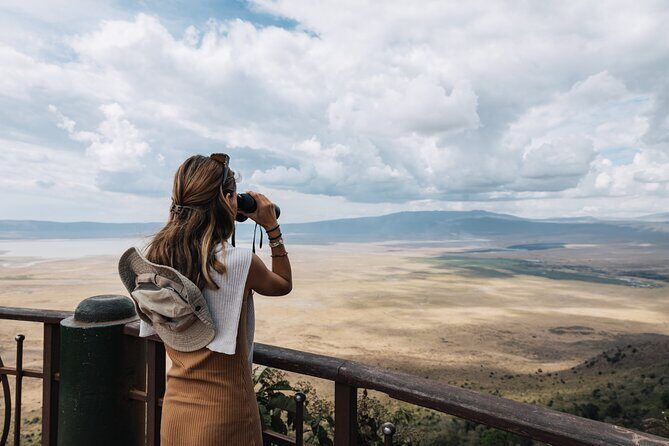
This kind of safari lives or dies by the day-to-day comfort details. On this tour, the vehicle setup is thoughtful: pop-up roof for sightings, ergonomic seating, a refrigerator, and power sockets. Add water, soft drinks, and hot coffee/tea while in the jeep, and you get a smoother day even when the schedule is intense.
Wi-Fi is free, but don’t plan your life around it. Coverage is only available in about 60–75% of traveled territories, so treat it like a bonus, not a guarantee. If you need reliable connectivity for work, you’ll want a backup plan.
Another practical note: the tour is private for your group. That’s a big deal for comfort and flexibility because you’re not stuck with strangers’ pacing or sighting preferences. It can also help your guide adjust how aggressively you chase certain animals, based on your interests.
Big Five Odds and What a Real Safari Expectation Looks Like
This itinerary is marketed around Big Five possibilities: elephant, buffalo, leopard, rhino, and lion. The important truth is that you’ll be in the right regions for those animals, but luck and timing still decide many sightings.
What you can plan for is variety. You’ll cover Arusha’s walkable wildlife, Tarangire’s distinct species and huge bird list, Ngorongoro’s high-density viewing, and Serengeti’s expansive plains where predators move and hunt.
So if your expectation is a checklist, you might get frustrated. If your expectation is a week of high-quality drives with real chances in multiple habitats, you’re setting yourself up for a better trip.
And if you’re reading the experience history for clues: people have described close lion encounters on past trips—one account says being close to a pride to the point of almost touching. That’s not something you can demand, but it tells you what kind of viewing can happen when animals approach or when your guide reads animal movement well.
Who This 7-Day Safari Fits Best (and Who Might Feel Frustrated)
This tour suits you best if you want:
- a focused Northern Tanzania route without major backtracking
- a mix of walking + classic game drives
- English-speaking professional guidance
- lodges with full board instead of camping logistics
- a vehicle built for long hours of spotting
You might feel less happy if:
- you need accessibility accommodations for mobility aids, since the tour notes it isn’t suitable for people using special mobility aids
- you dislike long day drives in remote areas with limited services
- you expect consistent Wi-Fi and constant connectivity
Also, if you have dietary needs, you’re encouraged to tell the operator when booking; the tour says they accommodate a range of meal plans including vegan, vegetarian, halal, gluten-free, and lactose-free.
Should You Book This Tanzania National Parks Safari?
I’d book this if you want a well-tuned Northern Tanzania circuit—Arusha to Tarangire to Ngorongoro to Serengeti—in one clean week, with park fees and full board lodging handled. The big reasons are the route logic (different habitats, not repetitive scenery), the viewing setup (Land Cruiser with pop-up roof), and the inclusion of practical comforts like drinks during drives and binoculars.
But before you click confirm, ask yourself two things:
1) Do you want a safari week where your job is to spot and your guide’s job is to do the hard searching?
2) Are you good with remote-day limits—less Wi-Fi, lots of early starts, and a vehicle schedule built around wildlife?
If yes, this is the kind of safari package that can turn Northern Tanzania into a set of real memories, not just a photo attempt.
FAQ
What time do the safari days typically start?
The start time is listed as 7:30 AM.
Is pickup from my hotel included?
Yes. Pickup is offered, with pickup from your hotel or another agreed location.
What parks are included in this 7-day safari?
The route includes Arusha National Park, Tarangire National Park, Ngorongoro Crater (Ngorongoro area), and Serengeti National Park.
How are meals handled during the trip?
Accommodations include full board meals: breakfast (6), lunch (7), and dinner (7). Drinks are available as extras.
Are national park fees included?
Yes. National park fees for the entire tour, including park entry and concession fees, are included.
What safari vehicle will you use?
You’ll use a new Land Cruiser 4×4 with a pop-up roof, ergonomic seats, a refrigerator, and power sockets.
Is bottled water and coffee provided during game drives?
Yes. The jeep includes bottled water, soft drinks, and hot coffee and tea while you’re in the vehicle on safari.
Do you get binoculars?
Yes. Binoculars are included (one piece per car).
Is Wi-Fi available?
Free Wi-Fi is included, but signal availability is listed as about 60–75% of traveled territories.
Is the tour suitable for people with mobility issues?
No. The tour states it isn’t suitable for people with mobility issues using special mobility aids.
Can I get help for medical emergencies?
The tour includes an AMREF air ambulance service and a medical kit.