REVIEW · KILIMANJARO
7 Days Cultural and Wildlife Safari
Book on Viator →Operated by Gilmag Safaris · Bookable on Viator
Elephants, flamingos, and Maasai culture in one week. This 7-day Northern Safari Circuit mixes Serengeti and the Ngorongoro Crater with Lake Natron and Lake Eyasi for culture you can actually see, not just read about. You’ll move through forests, acacia country, crater basins, and Rift Valley lakes where wildlife density feels unreal.
Two things I really like: first, the route hits multiple ecosystems in a short time, so you’re not just repeating the same scenery all week. Second, the cultural stops go beyond a photo stop, including a hike with a local Maasai guide at Lake Natron and a hunt experience with the Hadzabe at Lake Eyasi. The possible drawback is pace: the days start early, you’ll often be on the road, and you’ll be using packed lunches, so it’s not a slow, sleep-in itinerary.
Price is $3,748 per person, and the value comes from what’s included—meals most days, unlimited bottled water, park fees and taxes, plus emergency Flying Doctor evacuation. Still, you’ll want to be ready for a packed schedule and for the fact that the tour is non-refundable, so pick dates carefully.
In This Review
- Key highlights that make this safari worth your time
- Northern Safari Circuit: why this 7-day route makes sense
- Day 1 at Lake Natron: Engaresero River falls and Maasai guidance
- Lake Manyara: flamingo breeding zones and those ancient human footprints
- Lake Eyasi: a Hadzabe hunt experience and Datoga culture time
- Olduvai Gorge to Serengeti: human origins, then endless plains
- Serengeti National Park game drive day: habitats that change the odds
- Ngorongoro Crater: the 600-meter descent and black rhino chances at Lake Magadi
- Tarangire National Park on the off-main-route side
- Price and value: $3,748 and what you’re actually buying
- Guides, communication, and how to keep the week feeling smooth
- Should you book this 7-day cultural and wildlife safari?
- FAQ
- Where does the safari start?
- Where does the safari end?
- How long is the safari?
- Is pickup included?
- Is this a private tour?
- What wildlife areas are included in the safari?
- What cultural experiences are included?
- What meals are included?
- Is bottled water provided?
- Is emergency evacuation included?
- Do I need to budget for tips?
Key highlights that make this safari worth your time
- Serengeti game drives across swamps, woodland, soda lakes, and short-grass plains for year-round sightings
- Ngorongoro’s crater descent (over 600 meters) plus a full day of animals and Lake Magadi for black rhino chances
- Lake Natron hikes with a Maasai guide and a stop at Engaresero River falls (round hike 2–3 hours)
- Lake Eyasi Hadzabe hunt and Datoga time in the Rift Valley, tied to hunter-gatherer lifeways
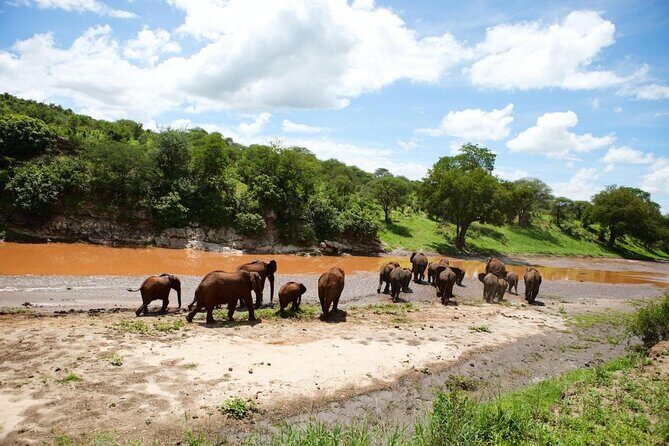
- Tarangire’s baobabs and elephant numbers—often a calmer, off-the-main-route park feeling
Northern Safari Circuit: why this 7-day route makes sense
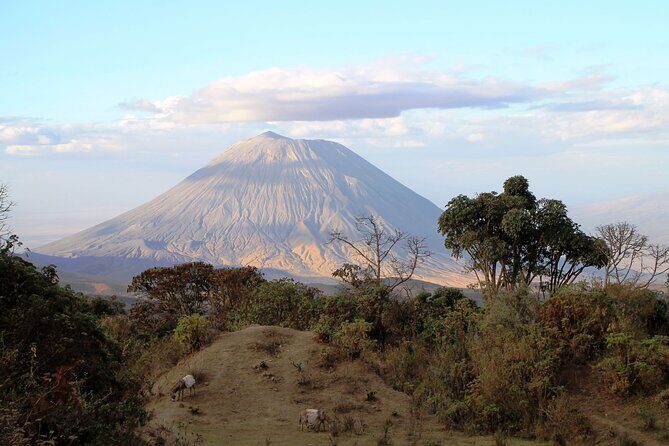
This safari is built for variety. You’re not only chasing the big-name parks—you’re also getting wildlife in different settings, from lake edges and river valleys to the bowl of Ngorongoro. That matters because animals behave differently across habitats, and the trip stays interesting even when you’re repeating game drives.
Another smart choice: it stitches together wildlife days with culture days. Lake Natron (Maasai-led) and Lake Eyasi (Hadzabe hunt and Datoga mingling) give you a broader sense of northern Tanzania, not just safari vehicles and dust. If you like your travel grounded in real places and real people, this flow works well.
The “lodge and tented camp” style also usually means you experience the parks in a classic safari way—sleeping close enough to the action without feeling like you’re living out of a suitcase all week. If you’re someone who wants comfort without losing the safari feel, this balance is usually the sweet spot.
A few more Kilimanjaro tours and experiences worth a look
Day 1 at Lake Natron: Engaresero River falls and Maasai guidance
Your week begins with arrival at Kilimanjaro International Airport, where you clear customs and immigration with Gilmag Safaris’ representative waiting to meet you. After a safari briefing, you head west to Lake Natron, a drive that’s long enough to matter—think of it as your setup day, not your “rest day.”
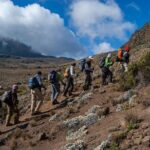
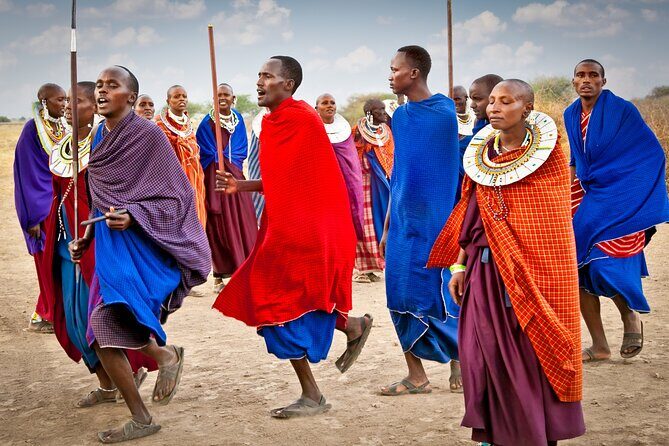
When you reach the area, you’ll clear with “three gates” and then go out with a local Maasai guide for a hike through a river valley. The target here is time outside and time up close: you hike through the river bed and look for many falls of the Engaresero River. The round hike is about 2–3 hours, which is long enough to feel like an adventure but not so long that it wipes you out before sunset.
What you’ll like about this day: it’s active early, and it gets you off the typical safari track. Lake Natron also has a reputation for stark beauty, and the added waterfall hike makes it more than a “quick stop and photo” moment.
What to consider: Lake Natron days can feel physically demanding if you’re not used to walking. Also, because you’ll be transitioning between gates, drives, and a guided hike, this day runs on its own schedule.
Lake Manyara: flamingo breeding zones and those ancient human footprints
Right after breakfast, the route shifts to a guided walk tied to Lake Natron’s southern areas. The focus isn’t just birds—it’s the ecological timing of the lake. The trip highlights magnificent flamingo breeding sites, with about two million flamingos migrating each year to nest on the salty pack ice that forms during the dry season.
You also learn about local life around the lakeshores, described as semi-nomadic. That context helps you see the lake as a living system, not just scenery for wildlife spotting.
Then comes a detail I love because it’s specific and surprising: you’ll walk on to admire one of the oldest footprint records of homo sapiens, believed to date back almost 120,000 years. It’s one of those “wait, I can’t believe I’m standing here” moments that makes a safari feel more human and grounded.
From Lake Natron you exit the gates and drive toward Lake Manyara National Park for game viewing. The day, in other words, strings together birds, human origins, and then the classic safari payoff of finding mammals and predators.
What to consider: this is another early and walking-based day. If you want long breaks, build them into your mindset here—you won’t get them in the schedule.
Lake Eyasi: a Hadzabe hunt experience and Datoga culture time
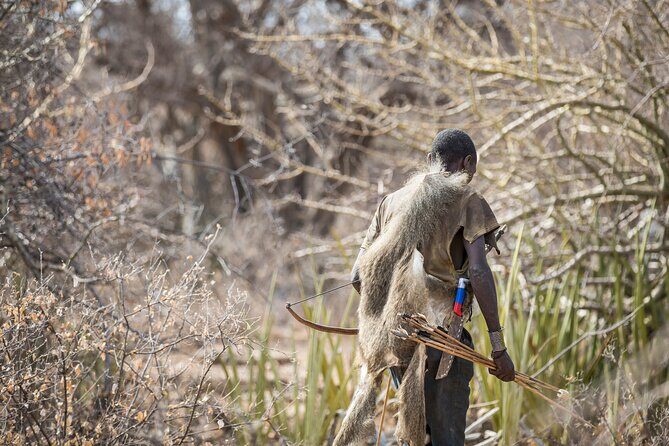
Lake Eyasi is where the safari earns its cultural weight. You leave the lodge with a packed lunch for a hunt experience with the Hadzabe, described as East Africa’s last remaining true hunter-gatherers. The itinerary frame is clear: you’re not just watching; you’re learning about how the hunt fits into daily life near the Rift Valley.
The details given here are vivid and practical: Hadzabe bowstrings made out of giraffe tendons, arrows treated with poison extracted from Desert Rose, and hunting that includes both smaller and larger animals. You also spend time with food knowledge—wild fruits and berries are a major part of their diet.
The tour also includes a chance to mingle with the Datoga tribe at Lake Eyasi. That’s important because it widens the cultural picture beyond one community, while still staying in the same region and cultural corridor.
How to think about this day: a hunt experience isn’t a passive activity. If you’re the kind of person who respects process, asks questions, and follows your guide’s pacing, you’ll get more out of it. If you expect a themed “show,” you might feel disappointed.
What to consider: this is an experience tied to real lifeways. Dress and behavior matter here; follow your guide’s cues and keep things respectful.
Olduvai Gorge to Serengeti: human origins, then endless plains
On the next travel day, you head from the crater region direction toward Serengeti via the Ngorongoro Conservation Area. There’s a stop at the rim for a crater view, which is one of those “scale” moments. You see the outline before you later go down into the crater itself.
Then you pass by Olduvai Gorge, linked with the Leakey family’s work. The itinerary description points to fossil discoveries from almost two million years ago, and it notes that the area holds some of the earliest evidence of human ancestors, including fossilized bones and stone tools. There’s a good chance this museum stop is the closest you’ll get on this trip to understanding how long people have been in this landscape.
From there, the route opens into the vastness of Serengeti. You’ll hear the meaning of the name: Serengeti means endless plain. Even if you’re not a geography nerd, it lands. The scale alone changes how you interpret animal movement—herds look like weather patterns.

Serengeti National Park game drive day: habitats that change the odds
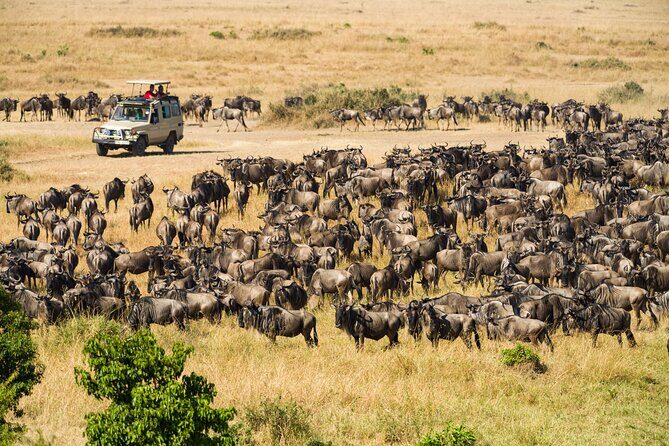
Serengeti is the star day for classic safari sightings. You head out after breakfast with lunch boxes for a full day game drive covering as much area as possible. The itinerary notes timing related to migration—while migrations normally pass through areas in April, May, and November, the Seronera area is described as within reach of both southern plains and the Mara River in the north.
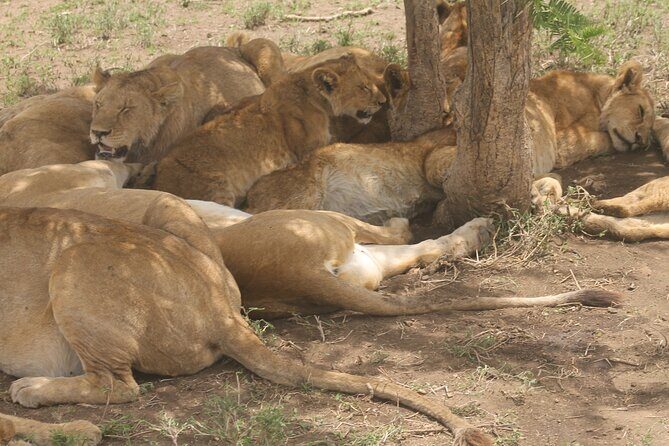
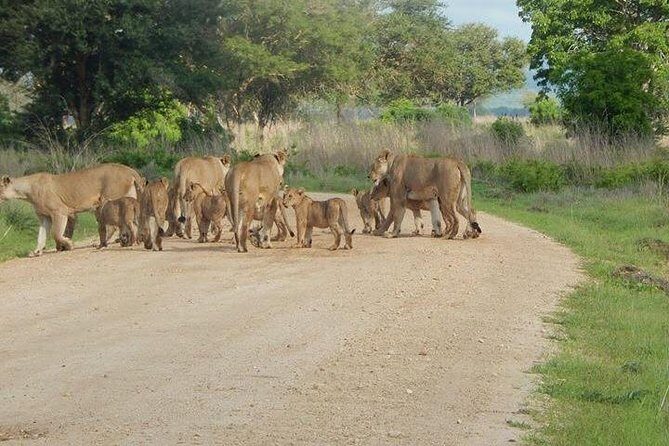
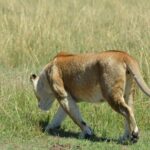
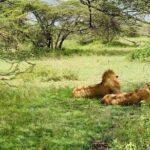
Even without perfect migration timing, the resident animals are emphasized as phenomenal: elephants, buffalo, gazelle, zebra, lion, and predators are expected year-round in the described areas. The tour also calls out habitat variety—swamps, woodland, soda lakes, and Serengeti’s short-grass plains—so you’re not limited to one kind of viewing.
What you’ll like about this setup: a full day in Serengeti with varied habitats means more chances of different animals at different times. It also reduces the pressure of “we must see everything today,” because you’re moving across zones.
What to consider: full-day drives can be long. Bring your patience and your camera battery habits. The biggest win comes when you slow down mentally and let the driver’s spotting strategy do its job.
Ngorongoro Crater: the 600-meter descent and black rhino chances at Lake Magadi
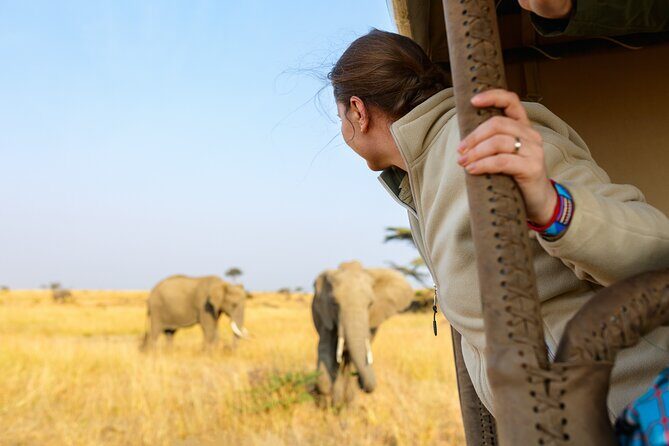
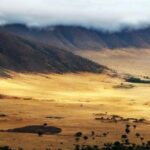
Ngorongoro is the day that feels like a switch flips from “park” to “world.” After early breakfast, you drive to the Ngorongoro Conservation Area and descend over 600 meters into the crater for a full crater tour.
The itinerary is very clear about why the crater holds so much life: it has year-round water supply and fodder. That’s the reason the crater can support herds and predators in the same enclosed system.
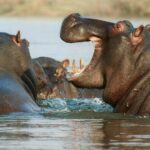
You’ll see an array of animals described in the itinerary: wildebeests, zebras, buffalos, eland, warthogs, hippos, and giant African elephants. You also visit Lake Magadi, a shallow alkaline lake in the crater’s south-west corner, described as one of the best places to spot the endangered black rhino. The tour also plans a packed lunch at the hippo pool, which is exactly the kind of moment you don’t forget.
What to consider: crater roads and animal positioning can control the pace of the day. If you’re the type who gets anxious when plans shift, remind yourself that this is part of safari logic.
Tarangire National Park on the off-main-route side
The final park stop is Tarangire National Park, after early breakfast. You’ll do game viewing and enjoy packed lunch overlooking the Tarangire River, then return for an afternoon drive.
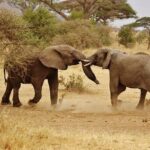
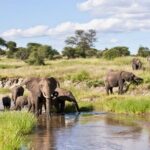
Tarangire’s signature is baobabs. The itinerary highlights thousands of baobabs marking the landscape, and it also points to Tanzania’s largest concentration of elephants. In addition to elephants, you’re looking for leopards, ostrich, lions, warthog, zebras, and cheetahs, with a chance of seeing wild dog if you’re lucky.
One practical detail: the itinerary notes that Tarangire is slightly off the main safari route. That matters for your experience because it can mean fewer competing vehicles and a more relaxed feeling, depending on the day.
What you’ll like here: Tarangire tends to feel different from Serengeti—more baobab country, more river views, and often a more “local” vibe to the sightings.
What to consider: because it’s off the main track, sightings aren’t guaranteed. But the elephant emphasis here is a strong reason to include it.
Price and value: $3,748 and what you’re actually buying
Let’s be honest about the price: $3,748 per person is not pocket change. The value comes from the fact that the package includes a lot of the moving parts that usually add up on safari.
Included items listed for this experience:
- unlimited supply of bottled mineral water
- Flying Doctor Emergency Evacuation
- all fees and taxes
- breakfasts (7), lunches (7), and dinners (6)
On top of that, there’s pickup offered, group discounts, and a private tour/activity setup where only your group participates. The mobile ticket part also helps reduce last-minute hassle.
What’s not included is simple: tip for guide. That’s the one item you should plan for so it doesn’t feel like an afterthought.
One more “value” issue to consider: the cancellation terms are non-refundable and can’t be changed. If you’re booking far ahead, pick dates with care, because plans that shift later can hit you financially.
Guides, communication, and how to keep the week feeling smooth
Two names showed up in feedback as standouts: Erick and Mary. Erick was praised for finding the important animals and for coaching guests on how to react around lions, which is exactly the kind of confidence-boosting guidance that makes a safari feel safer and calmer. Mary was praised for patience and for helping plan options that fit budget and a flexible schedule, with communication handled in a friendly, practical way.
What this means for you: the tour works best when you treat the guide like the main brain of the trip. Let them set the rhythm. If they’re telling you where to be looking, trust it and give them the space to do their job.
Also, because the itinerary repeatedly uses early breakfasts and packed lunches, you’ll want to be ready for a “schedule-first” style of travel. Hydration helps. Water is covered here, so take advantage of it.
Should you book this 7-day cultural and wildlife safari?
Book it if you want a Northern Safari Circuit that mixes wildlife variety with real cultural encounters in places like Lake Natron and Lake Eyasi. This route makes sense for people who like packed days, big wildlife expectations, and guides who know how to help you stay steady during close wildlife moments.
Skip it or rethink it if you want a relaxed, slow trip with lots of downtime. The schedule leans early, long, and full. Also, because the experience is non-refundable and guide tips aren’t included, you’ll want to be confident you’re ready for the commitment.
If you’re aiming for a week where Serengeti and Ngorongoro are the big show, and the cultural stops actually add meaning, this is a strong match.
FAQ
Where does the safari start?
It starts at Kilimanjaro International Airport (Kilimanjaro Airport Rd, Tanzania).
Where does the safari end?
The experience ends back at the meeting point (Kilimanjaro International Airport area).
How long is the safari?
It lasts about 7 days.
Is pickup included?
Pickup is offered as part of the experience.
Is this a private tour?
Yes. It’s listed as a private tour/activity, meaning only your group participates.
What wildlife areas are included in the safari?
The itinerary includes Serengeti National Park, Ngorongoro National Park (Ngorongoro Crater), Lake Manyara National Park, Manyara, and Tarangire National Park, plus stops at Lake Natron and Lake Eyasi.
What cultural experiences are included?
You’ll do a cultural tour linked to the Maasai community around Lake Natron, and at Lake Eyasi you’ll hunt with the Hadzabe people and mingle with the Datoga tribe.
What meals are included?
The package includes breakfast for 7 days, lunch for 7 days, and dinner for 6 days.
Is bottled water provided?
Yes. There’s an unlimited supply of bottled mineral water.
Is emergency evacuation included?
Yes. Flying Doctor Emergency Evacuation is included.
Do I need to budget for tips?
Yes. Tips for the guide are not included.