REVIEW · KILIMANJARO
Mount Kilimanjaro 6 days – Machame route
Book on Viator →Operated by Intrepid Explorer Tanzania · Bookable on Viator
Kilimanjaro in six days is serious work. The Machame route is popular for good reason: it builds altitude in stages and sets you up for that big crater-rim push for a shot at the Stella Point sunrise. I like the way the itinerary threads forest, Shira Plateau, Barranco, and Barafu into a logical climbing rhythm. I also like that you’re not left to fend for logistics—camp gear, meals, guides, and even emergency oxygen are part of the deal.
The one drawback is the obvious, but it matters: Day 5 is brutal by design. You’ll start the summit climb between midnight and 2 a.m., grind up heavy scree, and then keep moving in thin air. If you’re not comfortable with early starts and long hours, this climb will feel longer than the math says.
In This Review
- Key things you’ll notice on this Machame climb
- Machame Route: why this 6-day plan works for many first-timers
- Price and what you actually get for $2,220
- Day 1: Machame to Machame Camp through rain forest and mud
- Day 2: from the rainforest glades up to Shira campsite
- Day 3: Shira Plateau toward Lava Tower (Shark’s Tooth) and down to Barranco
- Day 4: Barafu Camp and the South Circuit build-up
- Day 5: midnight start, heavy scree, Stella Point sunrise, then up to the summit
- Day 6: Mweka descent, summit certificates, and back to Moshi
- The mountain crew: why names like Wence, Emmanuel, and Yahya matter
- Packing and pacing: how to avoid the common Machame mistakes
- Who this Machame climb suits best (and who should think twice)
- Should you book this Kilimanjaro Machame 6-day climb?
- FAQ
- How long is the Kilimanjaro climb on the Machame route?
- What is the distance of the Machame route from gate to gate?
- Is pickup offered from Moshi?
- What’s included in terms of guides, crew, and camping support?
- Does the package include meals and emergency oxygen?
- What should I bring because it’s not included?
- Is there a refund if I cancel?
Key things you’ll notice on this Machame climb
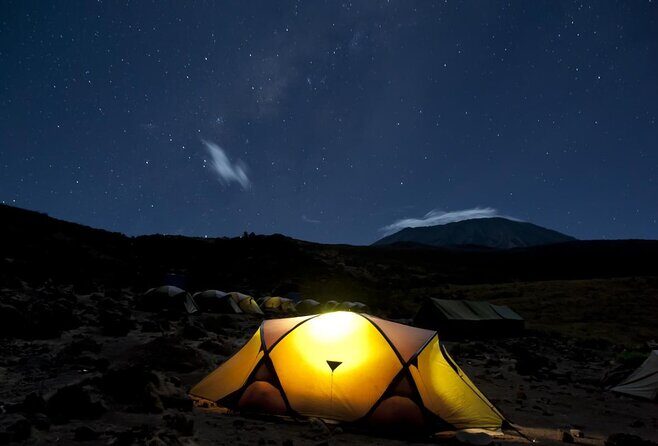
- 62 km gate-to-gate route with a gradual ramp that still leaves you challenged
- Forest-to-highland transitions that affect how your legs feel from day to day
- Acclimatization day 3: you finish around similar elevation to where you started
- Stella Point stop for sunrise after the toughest scree section
- Camp comfort handled for you with tents, camp chairs, tables, and sleeping mattresses
- A named mountain team people often credit for organization and camp quality
Machame Route: why this 6-day plan works for many first-timers
The Machame Route is about 62 km (37 miles) from gate to gate, and it’s known as one of the stronger choices on Kilimanjaro. That reputation comes from the way it handles altitude. You’re not just walking uphill every day in a straight line—you’re given stages where your body can adapt, then pushed at the right times.
The climb is aimed at people with moderate fitness and some hiking experience, but that doesn’t mean you need to be a mountain athlete. Many first-timers take on Machame and do fine, as long as they respect the pace and show up mentally ready for effort.
A few more Kilimanjaro tours and experiences worth a look
Price and what you actually get for $2,220
At $2,220 per person, this isn’t the cheapest way to do Kilimanjaro—but it is the kind of price that can make sense if you hate last-minute scrambling. Your package covers a lot of the “hidden” costs and heavy lifting:
Included value highlights:
- All fees and taxes
- Return transfers (airport to Moshi and Moshi to the airport)
- Hotel the night before and after the climb, with dinner and breakfast included
- Emergency oxygen for emergencies only (not a summit aid)
- A basic first aid kit
- A full climbing crew: qualified mountain guide, assistant guides, porters, and cook
- Camping equipment: tents, camp chairs, tables, sleeping mattress
- Water for washing up daily
- Meals during the trek: 5 breakfasts, 6 lunches, and 5 dinners
What’s not included (and you should plan for it):
- Visas and health/travel insurance
- Personal items, alcoholic/non-alcoholic beverages
- Individual trekking gear (you bring your own boots, layers, poles if you want them, etc.)
- Snacks and personal medicine
- Water purifying tablets (not included)
- An optional portable toilet, though it’s highly recommended
For many people, the real value here is the support system. When you’re hiking at altitude with a night camp every day, having the crew handle camp setup and meal service can turn your focus into something useful: your breathing, your rhythm, and your mental game.
Day 1: Machame to Machame Camp through rain forest and mud
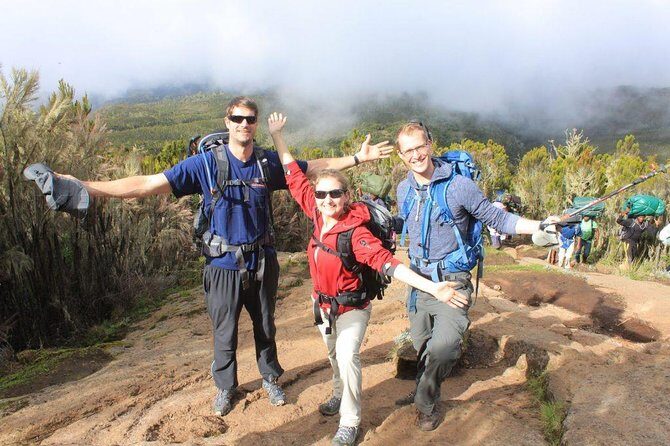
You’ll start with a short transfer from Moshi to the Mount Kilimanjaro National Park gate (about 45 minutes). Along the way you pass the village of Machame, then you walk into the rain forest on a winding trail up a ridge.
This first hiking day is about 11 km (7 miles) and roughly 5–6 hours, climbing from about 1,830 m to 3,050 m. Expect a trail that can be muddy and slippery at the lower elevations. I’d treat this as your practice round. The fitter you get at careful foot placement early, the easier the climb feels later.
Practical tip: gaiters and trekking poles are a smart idea on day 1. They’ll save your shoes and keep your stance steady on slick ground.
Day 2: from the rainforest glades up to Shira campsite
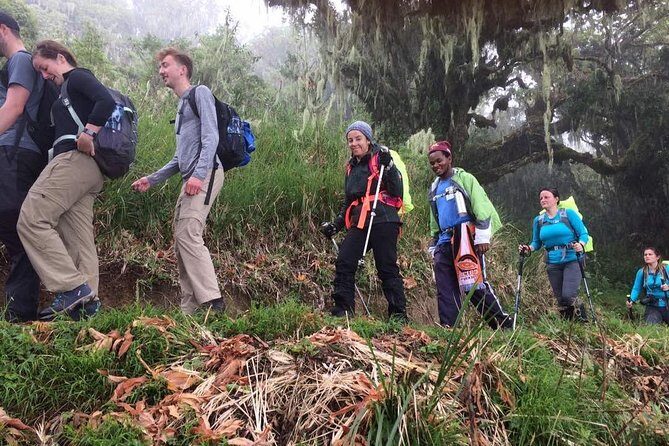
After breakfast you leave the forest glades behind. The route continues uphill, crossing a valley on a steep rocky ridge, then turning west toward a river gorge before arriving at Shira campsite.
This day is 5 km (3 miles) with 4–5 hours of walking, rising from around 3,050 m to 3,850 m. Even though the distance looks short on paper, the steepness and altitude make it feel like more than a casual hike.
This is a day you’ll want to keep controlled. Don’t try to “win” it. You’re building altitude capacity, not testing ego.
Day 3: Shira Plateau toward Lava Tower (Shark’s Tooth) and down to Barranco
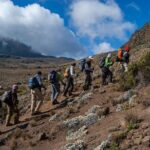
Day 3 is where Machame starts to feel dramatic in the best way. From the Shira Plateau you go east up a ridge, then pass a junction connected to the peak of Kibo. After that, your direction changes to the south east toward Lava Tower, a rock formation commonly nicknamed the Shark’s Tooth (around 4,650 m / 15,250 ft).
You can also run into a second junction option related to the Arrow Glacier area, then continue to Barranco Camp. This day is about 10 km (6 miles) and 5–6 hours, going from roughly 3,850 m to 4,000 m.
Here’s why this day matters for you: you end around a similar elevation to where you began. That’s intentional acclimatization. You’re getting altitude exposure without stacking another huge increase that your body can’t handle.
Day 4: Barafu Camp and the South Circuit build-up
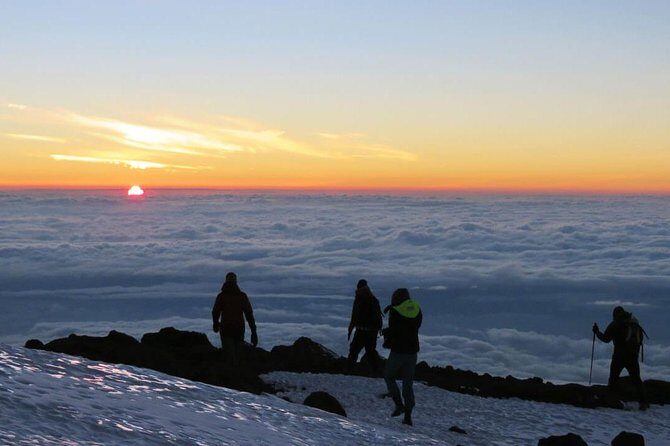
You continue uphill to Barafu Camp, walking about 9 km (5 miles) for around 7 hours. Elevation climbs from roughly 4,050 m to 4,700 m.
The big idea on day 4 is the South Circuit: you’ve completed it, and you get summit views from multiple angles along the way. Then you settle in at Barafu, rest, eat dinner, and prepare for the summit night.
This is not a day to rush or treat like a warm-up. If you want the summit to go smoother, the key is sleep and fuel—keep your energy for the long hours coming.
Day 5: midnight start, heavy scree, Stella Point sunrise, then up to the summit
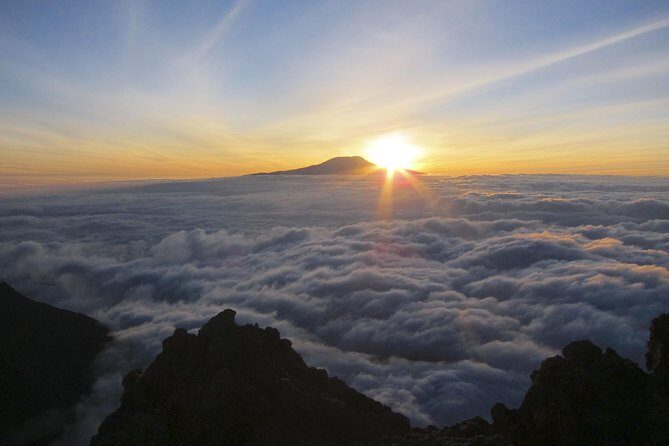
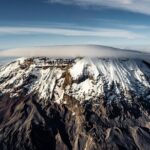
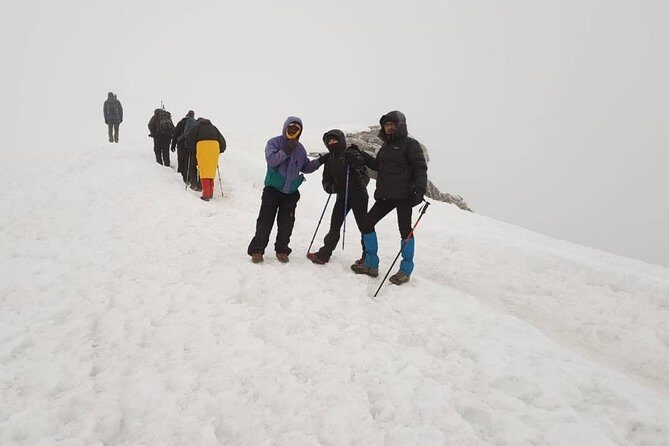
Day 5 is the long one. You’ll leave very early—between midnight and 2 a.m.—and head toward the summit between the Rebmann and Ratzel glaciers. You’ll ascend through heavy scree in a northwesterly direction to Stella Point on the crater rim.
This segment is described as the most mentally and physically challenging part of the trek, and that’s believable given what you’ll be doing: climbing in deep rubble, in the dark, at high altitude.
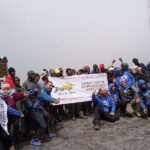
At Stella Point, you stop briefly. Then you’re rewarded with a sunrise that many people describe as the most impressive they’ve seen on Earth (expect cold hands and unforgettable light). Faster hikers may also catch sunrise from nearer the summit, but plan around the idea that you’ll do the work first and earn the view.
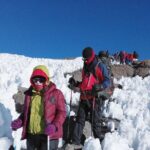
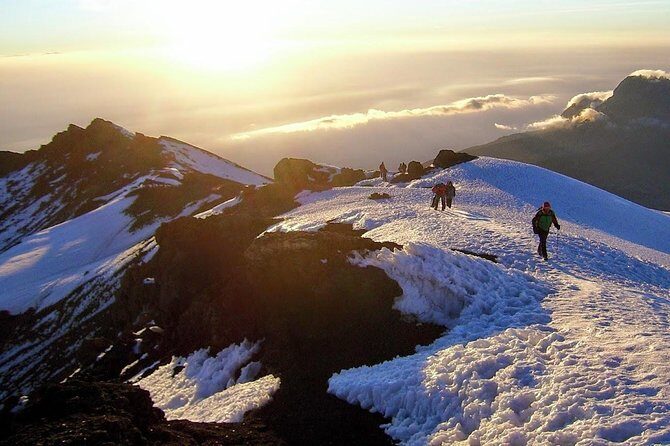
After Stella Point, you may encounter snow along the final ascent to the summit area. The total day is about 14 hours, with roughly 5 km up and 13 km down. You end back much lower—around 3,090 m.
Day 6: Mweka descent, summit certificates, and back to Moshi
After breakfast, you descend to Mweka Park Gate to receive your summit certificates. Then you continue about an hour more to Mweka Village, where a vehicle meets you and drives you back to your hotel in Moshi (about 30 minutes).
This is 10 km (6 miles) and 3–4 hours of walking, going from about 3,090 m down to 1,680 m. The descent can be wet and muddy at lower elevations, so your earlier-day advice still applies: gaiters and trekking poles can make a huge difference when your feet get tired.
Even though it’s not a summit day, pack smart. Shorts and t-shirts might be fine, but keep rain gear and warmer layers handy.
The mountain crew: why names like Wence, Emmanuel, and Yahya matter
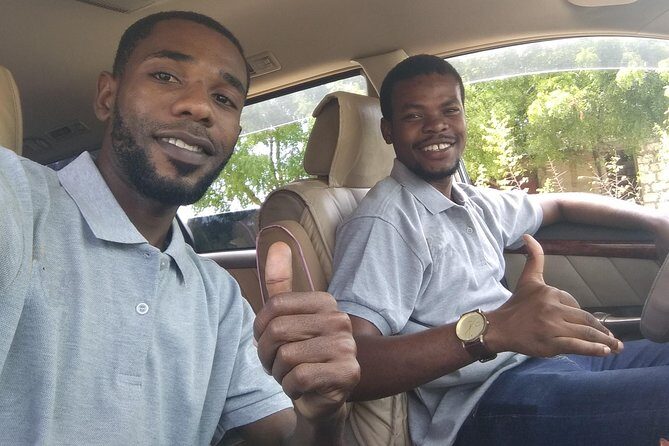
One reason Kilimanjaro feels manageable is that the operation runs like a machine—people know what to do before you even ask. In this climb, the names that come up often include Wence (the owner), with guide Emmanuel showing up as a leader on the mountain team.
Support staff names you may hear credited include Isaya, Jumanne, Ngwasuma, Chef, and Yahya. When people mention camp setups and food quality, these are the folks behind it.
That said, here’s the balanced part you should pay attention to. There’s also an account where a solo traveler had a negative experience connected to route changes and trust. The response to that concern makes an important point for you: if you want a specific route choice, be clear up front, and confirm how route changes are handled and what they cost. You can’t assume you’ll be able to swap later without extra steps.
Packing and pacing: how to avoid the common Machame mistakes
This trek gives you camping gear, tents, chairs, tables, and sleeping mattresses—but it doesn’t remove the need for good personal kit. The data is pretty direct about what helps in the conditions you’ll meet:
- Bring gaiters and use trekking poles for muddy, slippery sections (especially day 1 and day 6).
- Bring individual trekking gears since they’re not included.
- Expect some cold and wet weather: keep rain gear and warmer layers even if shorts and t-shirts might be plenty at lower elevations.
- If you care about comfort, plan for a portable toilet—it’s optional, but described as highly recommended.
- Bring personal medicine, snacks, and water purifying tablets (not included).
Pacing tip that matters more than gear: follow the plan even when you feel okay. The route is structured around altitude changes, and that structure is part of what makes success more realistic.
Who this Machame climb suits best (and who should think twice)
This Machame 6-day climb is a strong fit if you:
- have moderate physical fitness and are comfortable with long walking days
- want a well-known route with an acclimatization-focused rhythm
- like the idea of a full crew handling camp equipment and meals
It may be a poor fit if you:
- hate early wake-ups (the summit push starts between midnight and 2 a.m.)
- aren’t comfortable dealing with mud, cold, and wet conditions
- want a route that can be changed casually without extra cost or paperwork
Should you book this Kilimanjaro Machame 6-day climb?
I’d book it if your goal is a structured Kilimanjaro trek where you’re not managing camp logistics yourself. The package value is real—hotel nights, transfers, meals, camping gear, guides/porters/cook, and emergency oxygen all help you stay focused on the hike instead of the checklist.
I’d be cautious if you’re the type who needs lots of flexibility on the route. Confirm the route plan early, understand what happens if decisions change, and keep your expectations tight. Do that, and this Machame climb can be a memorable six days of work—and payoff.
FAQ
How long is the Kilimanjaro climb on the Machame route?
The trip is about 6 days, with day-by-day hikes that start at Machame Gate and end after the descent at Mweka Park Gate and then back to the Moshi area.
What is the distance of the Machame route from gate to gate?
It’s approximately 62 km (37 miles) from gate to gate.
Is pickup offered from Moshi?
Yes. Return transfers are included, and the experience notes that pickup is offered.
What’s included in terms of guides, crew, and camping support?
You get a qualified mountain guide, assistant guides, porters, and a cook, plus camping equipment such as tents, camp chairs, tables, and a sleeping mattress. Camping support includes water for washing up daily.
Does the package include meals and emergency oxygen?
Yes. Meals include multiple breakfasts, lunches, and dinners. Emergency oxygen is included for use in emergencies only, not as summit aid.
What should I bring because it’s not included?
You’ll need to bring individual trekking gears, personal medicine, snacks, and water purifying tablets. Visa and travel/health insurance are also not included.
Is there a refund if I cancel?
Free cancellation is available up to 24 hours in advance for a full refund. If you cancel less than 24 hours before the start time, the amount paid is not refunded.