REVIEW · KILIMANJARO
8 Days Great Wildebeest Migration – Mara River Crossing
Book on Viator →Operated by Gilmag Safaris · Bookable on Viator
Wildebeest drama happens at sunrise. This 8-day trip is built around the Mara River crossing in Northern Serengeti, plus classic safari stops that put you close to big cats and the Serengeti ecosystem with a private guide. You’re also set up to experience more than wildlife, with a community visit and a Maasai village stop that adds real context to how people live alongside these parks.
I particularly like the way the schedule gives you multiple shots at the migration moment, not just one rushed drive, and the full-board setup that keeps you fed and moving without constantly hunting for meals. The big consideration is that migration timing is seasonal (target months are July to mid-October), but a dramatic river crossing still depends on conditions, so you should be mentally ready for surprises.
In This Review
- Key things I’d pin on this safari
- Wildebeest Crossing Dreams: what this 8-day circuit really delivers
- Private guiding and real-world park logistics (how you spend your time)
- Day 1 in Arusha: Kibo Palace Hotel and getting your footing
- Day 2 at Lake Manyara: elephants, monkeys, flamingos, and a village walk
- Day 3 into Serengeti: central Serengeti plus a smooth route via Ngorongoro
- Days 4 and 5 in Northern Serengeti: Mara River crossing attempts at the right time
- Day 6 in the Lobo area: big cats and rare antelope in North-East Serengeti
- Day 7: Ngorongoro Crater floor, black rhino chances, and Lake Magadi flamingos
- Day 8: Arusha return with a Maasai village stop and cultural shopping
- Price and value: what $4,374 covers (and what it doesn’t)
- Comfort and camp rhythm: hot showers, full board, and time to recover
- Best time to target the Mara River crossing (and how to plan mentally)
- Guides and organization: what the operator seems to do well
- Who should book this safari?
- Should you book this safari?
- FAQ
- How long is the safari?
- Where does the safari take place?
- What is the main highlight?
- What months are best for the wildebeest crossing?
- What’s included in the price?
- What’s not included?
- Can I cancel and get a refund?
Key things I’d pin on this safari
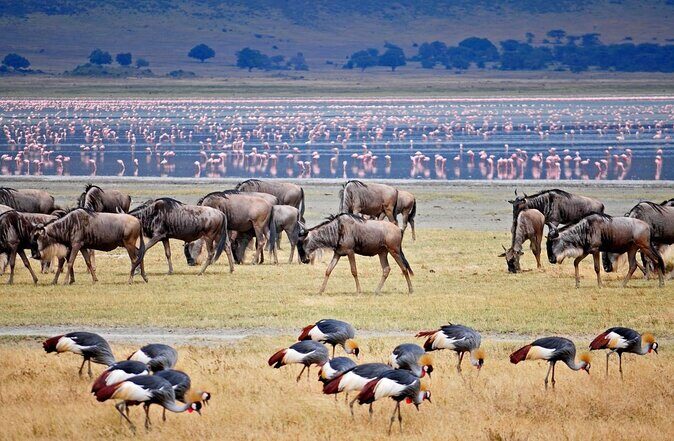
- Mara River focus for the wildebeest crossing: two full days centered on Northern Serengeti and the river area.
- Serengeti game drives with UNESCO-star power: you spend time in central Serengeti and return for another hunting ground later.
- Lake Manyara plus a village walk: you get animals and culture in the same early leg.
- Ngorongoro Crater day: a full crater-floor day with a strong chance for the black rhino and Lake Magadi flamingos.
- Full board in solid camps: breakfast, lunch, and dinner are included, plus bottled water.
- Gilmag Safaris planning track record: the operator’s team (Mary) and guides (like Nickson, Abu, and Chris) are repeatedly praised for organization and animal-spotting.
Wildebeest Crossing Dreams: what this 8-day circuit really delivers
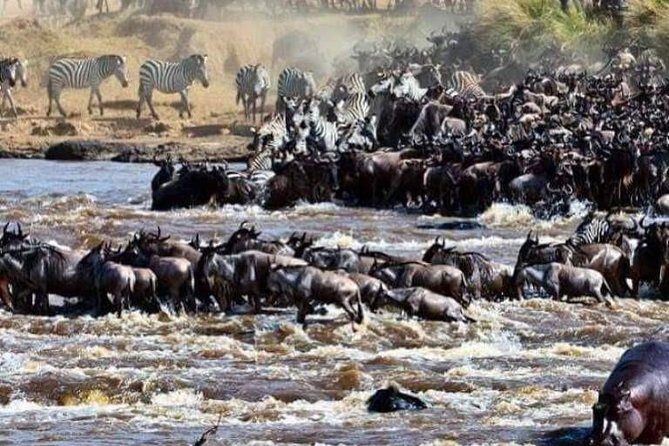
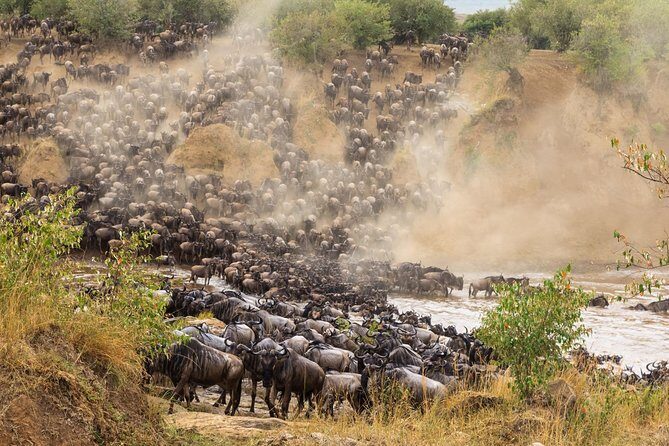
If your bucket list includes the wildebeest crossing, this safari is aimed at the right “when” and the right “where.” In July through mid-October, herds often move into the Mara River corridor, and that’s when the drama is most likely: wildebeests charging toward the river while crocodiles lurk below the surface.
What I like is that this doesn’t treat the crossing like a checkbox. You spend dedicated time in Northern Serengeti on two days, with early departures and multiple game drives. That matters because animals aren’t on a timetable. If you only go once, you can miss the peak action by a few hours. Two days gives you breathing room for shifts in herd movement and for the guide to reposition you.
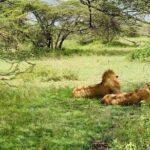
You also get the “big safari” mix without turning it into a marathon. You’re in Serengeti more than once. You’re in Ngorongoro for a full crater day. And you get Lake Manyara as a warm-up that can deliver its own wow moments (including the famous tree-climbing lions, when conditions align).
You can also read our reviews of more tours and experiences in Kilimanjaro.

Private guiding and real-world park logistics (how you spend your time)
This is a private tour, meaning your group drives with your own guide and doesn’t get shuffled into a larger vehicle. That has practical benefits. Your guide can adjust the day based on what you’re seeing, rather than waiting for everyone to catch up or for a group to vote.
It also helps with the migration part. River crossings are a moving target. If the herds shift location, you want to be able to follow quickly and with confidence. A private setup usually makes those timing decisions smoother.
That said, it’s still a safari. Early mornings start because wildlife activity often peaks then, and drives between parks take time. So if you’re the type who wants late starts and slow pacing, you might feel the schedule is busy. If you like the hunt-and-spot rhythm, you’ll feel right at home.
Day 1 in Arusha: Kibo Palace Hotel and getting your footing
Your safari begins in Arusha. After you arrive at the airport, you’re met and transferred to Kibo Palace Hotel for dinner and an overnight stay. This first night is mostly about getting settled, sleeping, and preparing for the days of early departures that follow.
I like that your day 1 isn’t packed with drives right away. Arusha is where most northern circuit logistics start, so it’s a sensible base to reset your body after travel and be ready to hit the parks efficiently the next morning.
Day 2 at Lake Manyara: elephants, monkeys, flamingos, and a village walk
Day 2 is a strong blend of wildlife and local life. You drive to Mto wa Mbu for a guided village walk. This is where you get a chance to interact with local people, visit homes, and see small-scale banana and rice farms. There’s also mention of tasting traditional beer, which is one of those experiences that can make the trip feel grounded rather than purely mechanical.
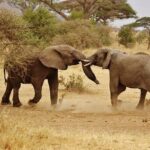
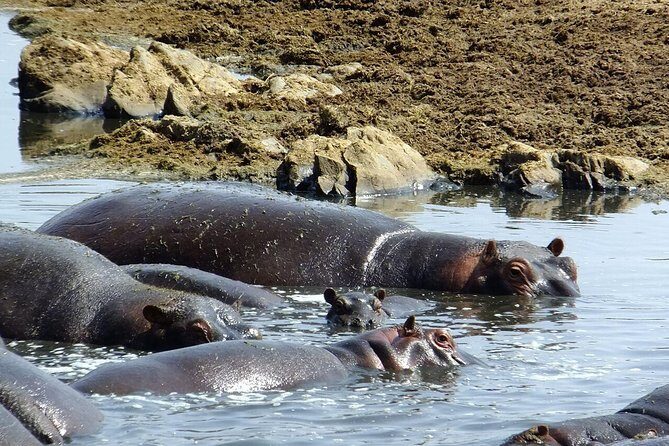
Then you head to Lake Manyara National Park for game viewing. The park’s known for variety, and you’re in the mix for elephants, giraffes, hippos, impalas, dik dik, waterbucks, flamingos, and monkeys. If you’re lucky, you may also see the rare tree-climbing lions and leopards.
Practical note: Lake Manyara can be hit-or-miss for certain species based on time of day and where animals are moving. What keeps this day valuable is that you’re not gambling on one outcome. You’ve got a whole menu of possible sightings, plus the community experience.
Overnight is at Marera Valley Lodge in Karatu for dinner and sleep.
Day 3 into Serengeti: central Serengeti plus a smooth route via Ngorongoro
On day 3, you drive into Serengeti National Park, going via the Ngorongoro Conservation Area. You arrive in time for lunch at Hippo Trails Camp, then head out for afternoon game viewing in central Serengeti.
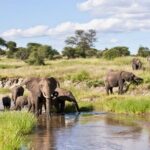
This is the kind of day that balances travel with payoff. Central Serengeti is where you often get broad action: elephants, giraffes, hippos, warthogs, gazelles, impalas, and the big predators if conditions line up.
The tour description also stresses high chances for a wide range of species, including lions, leopards, and cheetahs. Even if you don’t see every cat, the overall biodiversity makes it feel like a living system rather than a single animal hunt.
Back at camp, you get a hot shower before dinner and overnight at Hippo Trails Camp. That detail is small, but it matters on safari days. When you’re bouncing around all day, a reliable hot shower is a real morale booster.
Days 4 and 5 in Northern Serengeti: Mara River crossing attempts at the right time
These are the big days, and they’re designed that way.
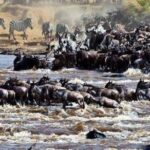
On day 4, you start with an early morning game drive, return for breakfast, then leave with a packed lunch for Northern Serengeti. The goal is intense: see wildebeests crossing the Mara River while crocodiles attack them. The emotional payoff here is the contrast—mass movement of wildebeests against a river full of predators built for ambush.
On day 5, you run morning and afternoon game drives along the Mara River area, with another early departure. This day is specifically framed around the migration window, described as July to mid-October. That’s useful because it sets your expectations: this safari is tuned to the season when the odds improve.
You’re also told that Northern Serengeti can be excellent for big cats and elephants and has opportunities for the endangered black rhino. While sightings can’t be guaranteed, building in time in the right zone improves your chances more than adding another random park stop would.
All meals and overnight on these days are at Mara River Camp. Being based in the same area for two nights usually helps with efficiency. You aren’t constantly packing and unpacking, and it keeps you closer to the action.
Day 6 in the Lobo area: big cats and rare antelope in North-East Serengeti
Day 6 shifts from the river focus to another strong hunting ground: the Lobo area, in the north-east of Serengeti National Park. This part of the park is described as having unique terrain, and the big value is that it can deliver different sightings than you might get in central Serengeti.
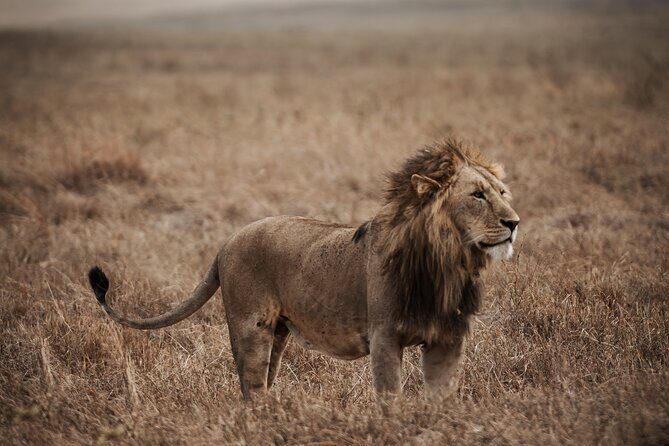
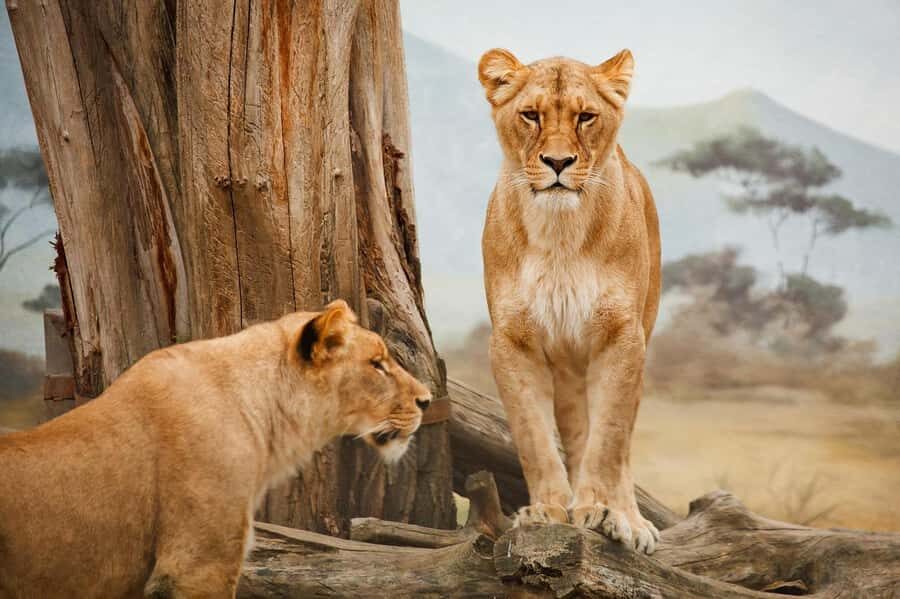
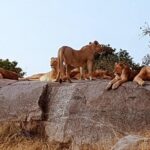
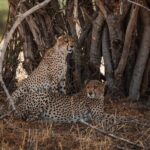
You’ll likely spend time on leopards, cheetahs, and big prides of lions. The tour also highlights the clip-springer antelope as a rarer sighting. That’s the kind of target that makes a return trip to Serengeti feel worth it, because the experience isn’t a straight repeat.
In the afternoon, you drive to central Serengeti for dinner and overnight again at Hippo Trails Camp. This change of base gives you a sense of movement across the park without making the day feel chaotic.
Day 7: Ngorongoro Crater floor, black rhino chances, and Lake Magadi flamingos
Ngorongoro Crater is the day that can turn your safari into a geology and wildlife mash-up. After breakfast, you go with packed lunch into the crater area for game viewing on the crater floor.
The tour describes it as the 8th wonder of the world, and it’s easy to see why once you’re down in the crater environment—lots of animal activity in a confined space, plus dramatic views when you look out from above.
The highlighted targets here are the endangered black rhino and flamingos in Lake Magadi. You’re also in the mix for Thomson’s and Grant’s gazelles, warthogs, hippos, zebras, waterbucks, hyenas, and jackals. If you’re lucky, lions may rest near vehicles for shade, which is one of those safari quirks that turns waiting into something productive.
In the evening, you ascend the crater, depart the park, and drive to Karatu for dinner and overnight at Marera Valley Lodge again. That’s a smart move because it keeps the day’s energy focused. You’re not trying to cram yet another park stop after Ngorongoro.
Day 8: Arusha return with a Maasai village stop and cultural shopping
Your final day brings you back to Arusha. You drive from Karatu and stop en route at a traditional Maasai village. Then you have hot lunch in Arusha and a visit to the local Maasai market for souvenirs, if you want to shop.
You also visit the Cultural Heritage Centre before transfer to Kilimanjaro International Airport for your flight home.
What I like here is that it’s not only a good-bye. It gives you a chance to connect what you saw in the parks to the people and places around them. You’re leaving with stories you can explain, not just photos of animals.
Price and value: what $4,374 covers (and what it doesn’t)
At $4,374 per person, this isn’t a budget safari. The value comes from what’s included and what’s intentionally left flexible.
Included items listed for you are:
- all fees and taxes
- emergency air rescue insurance
- bottled drinking water
- accommodation as per the route
- meals: breakfast (7), lunch (8), dinner (7)
That’s the core of a full safari package. Park fees and in-park time add up fast in Tanzania. When those costs are already rolled in, you avoid nasty surprises later. You also get emergency air rescue insurance included, which adds peace of mind in a region where getting medical support can be complicated.
What’s not included:
- tips
- travel insurance
- laundry
- visa
- flights
- alcoholic and non-alcoholic drinks
So your real total depends on your home-country flights, visa situation, and whether you plan to add gratuities and beverages. If you’re the type who likes beer or wine during downtime, budget that in ahead of time.
If you compare value, this package also stands out because it’s a private safari with a tight route that targets the migration moment. You’re paying for focused time in the right zones, not for extra stops that dilute your chance to see the Mara River crossing.
Comfort and camp rhythm: hot showers, full board, and time to recover
Safari days can be tiring because the game-viewing mode is all day long. This route helps your body by including full-board meals and multiple nights in camps that are set up for relaxation.
The mention of a hot shower on day 3 matters. It’s not a guarantee in every safari style, and you’ll appreciate having that return-to-normal feeling after long drives and dusty roads.
You’ll stay at these camp/hotel bases:
- Kibo Palace Hotel (Arusha, day 1)
- Marera Valley Lodge (Karatu, days 2 and 7)
- Hippo Trails Camp (Serengeti, days 3 and 6)
- Mara River Camp (Northern Serengeti, days 4 and 5)
Because you’re not constantly packing every night, you can keep your clothes and camera gear organized. That makes a real difference when you’re shooting wildlife at sunrise and again in the late day light.
Best time to target the Mara River crossing (and how to plan mentally)
The tour ties the migration timing to July through mid-October, focusing on the crossing back and forth between Serengeti and Kenya’s Masai Mara game reserve.
Here’s the key way to read this: the schedule helps you be in the right place when the herds are most likely to be in motion, but the river crossing itself still depends on movement, water levels, and predator pressure. So go in with two goals:
1) be ready for the river action when it happens
2) still enjoy massive wildlife viewing even if the exact moment doesn’t line up perfectly
If you keep that mindset, you’ll still get a strong safari even on days when the crossing is quiet.
Guides and organization: what the operator seems to do well
From the feedback I reviewed for Gilmag Safaris, the planning support is a major strength. Mary is repeatedly credited for fast communication and for making adjustments when plans change. Guides also get praised for two things that matter on safari: finding animals and keeping the drive fun rather than stiff.
Names that show up again and again include Nickson, Abu, Chris, and Gilbert. That doesn’t mean the exact guide you get is one of those individuals, but it does signal a pattern: the operator runs safaris with guides who know wildlife behavior and can explain it in a way that keeps you paying attention.
On top of that, the tone of the feedback leans toward gold-star service: pickups and schedules are handled well, and lodge choices are described as excellent. That’s the difference between a safari that feels planned and one that feels cobbled together.
Who should book this safari?
This is a strong fit if you:
- want the Mara River crossing experience as a main goal, not a side quest
- enjoy seeing multiple ecosystems (Lake Manyara, central Serengeti, Northern Serengeti, Ngorongoro)
- like a private-guide format where your day can respond to what’s happening
- value full board and comfortable downtime between drives
- want a little culture mixed in, with a village walk and Maasai heritage stops
It may feel like a lot if you want slow travel, zero early mornings, or a very minimalist schedule.
Should you book this safari?
If you’re serious about the wildebeest crossing and want a well-structured northern circuit that also includes Serengeti and Ngorongoro, I think this is worth your attention. The price is high, but the inclusions (park fees/taxes, meals, accommodations, bottled water, and emergency air rescue insurance) help it make sense, especially for a private safari aimed at peak migration timing.
Book it if you can handle early starts and long drives, and if you’re willing to accept that wildlife timing isn’t always predictable. If you want a guaranteed, exact-second crossing, no operator can promise that. But if you want the best odds and a safari day that stays exciting even when the river is quiet, this route is built for you.
FAQ
How long is the safari?
It runs for 8 days (approx.).
Where does the safari take place?
It covers Arusha, Lake Manyara National Park, Serengeti National Park (including Northern Serengeti for the Mara River area), Ngorongoro Crater in the Ngorongoro Conservation Area, and return via Arusha with stopovers that include a Maasai village.
What is the main highlight?
The main highlight is the wildebeest migration and the Mara River crossing, with game drives focused on seeing wildebeests move toward and across the river.
What months are best for the wildebeest crossing?
The migration is supposed to be in this area between July and mid-October.
What’s included in the price?
All fees and taxes, emergency air rescue insurance, bottled drinking water, accommodation as per the schedule, and meals including breakfast, lunch, and dinner.
What’s not included?
Tips, travel insurance, laundry, visa, flights, and alcoholic and non-alcoholic drinks.
Can I cancel and get a refund?
Yes. You can cancel up to 6 days in advance for a full refund, with smaller refunds available for cancellations closer to the start time.