REVIEW · KILIMANJARO
9 Days – Best of Tanzania Safari
Book on Viator →Operated by Silver Sky Travel · Bookable on Viator
Wildlife hits fast on this Northern Circuit loop. It’s a smart 9-day route across Tanzania’s big-name parks, with game drives from a custom open-roof 4×4 and a private setup that keeps you moving on your own schedule.
I like two things a lot: the private vehicle for the full trip, and the comfort-category stays with private bathrooms (a real sanity-saver after long drives). One thing to consider is the pace: most days start early with long stretches in the vehicle, so this fits best if you’re okay with being on safari mode almost every day.
In This Review
- Key highlights you should know
- Northern Circuit in 9 Days: the big-park hits
- Open-roof 4×4 viewing and real private time
- Day 1 arrival in Arusha: getting your bearings fast
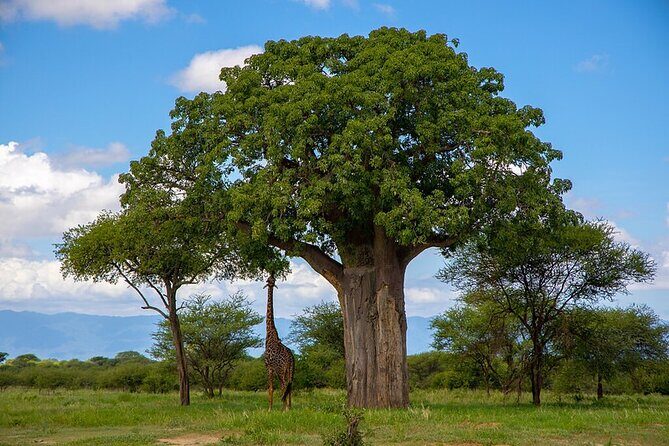
- Day 2 Tarangire: Elephant Playground energy
- Day 3 Lake Manyara: Rift Valley views and woodland edges
- Day 4 Ngorongoro Crater: the 600m drop that changes everything
- Day 5–6 Lake Ndutu: wildebeest, predators, and calving timing
- Day 7–8 Serengeti Seronera and Wagakuria: the plains and the big-cat odds
- Day 9 early drive and a flight from Seronera airstrip
- Comfort category stays: what you should expect
- Price and value check for a $4,000 per-person safari
- Who should book this safari, and who should think twice
- Should you book the Best of Tanzania Safari?
- FAQ
- How long is the safari?
- Where does the tour start, and what time does it begin?
- Is pickup included?
- Is this tour private?
- What’s included in the price?
- Which parks are included?
- What is not included?
- What is the cancellation policy?
Key highlights you should know
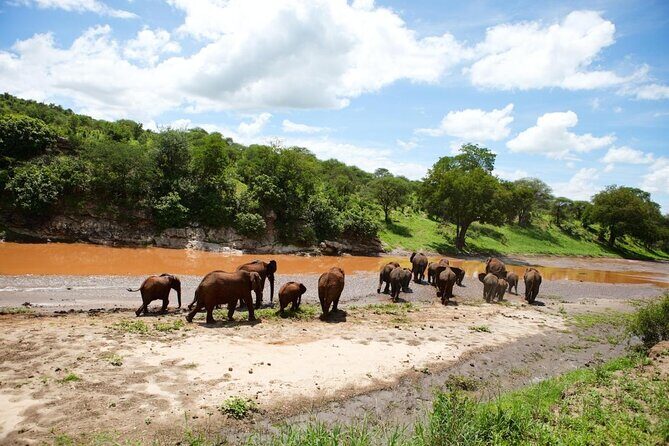
- Full Northern Circuit coverage: Tarangire, Lake Manyara, Ngorongoro, Ndutu, and multiple Serengeti areas
- Open-roof 4×4 game viewing for better spotting and photos
- Private tour for your group only, with a dedicated driver-guide
- Ngorongoro Crater descent around 600m for a dense concentration of wildlife
- Ndutu season focus where wildebeest calving can peak around February (timing-dependent)
- Serengeti drives across different regions (Seronera and Wagakuria), not just one area
Northern Circuit in 9 Days: the big-park hits
This tour is built around one simple idea: if you want the classic Tanzania highlights without stitching together a bunch of separate bookings, you want a clean loop that hits the key habitats.
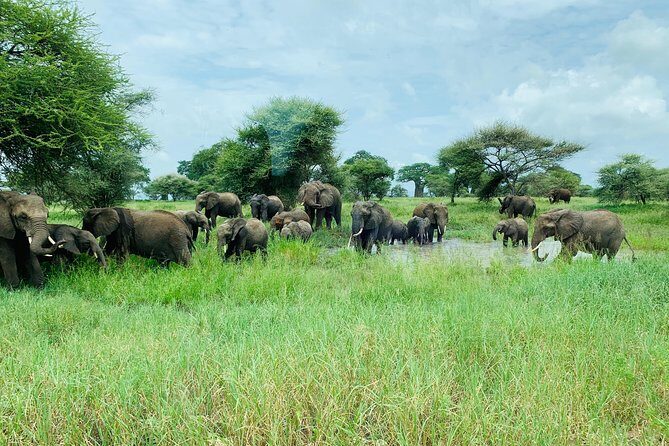
In practice, that means you get a mix of parks that all feel different. Tarangire brings elephants and baobabs. Lake Manyara adds Rift Valley drama and shaded woodland edges. Ngorongoro is a crater world of its own. Ndutu and Serengeti deliver the open-plains “sea of grass” style safari that many people come to Africa for.
The pacing is also useful. Instead of doing two parks back-to-back with constant check-in friction, you settle into each region long enough to enjoy real game-drive time. You’ll be planning your day around sightings, not around logistics.
A few more Kilimanjaro tours and experiences worth a look
Open-roof 4×4 viewing and real private time
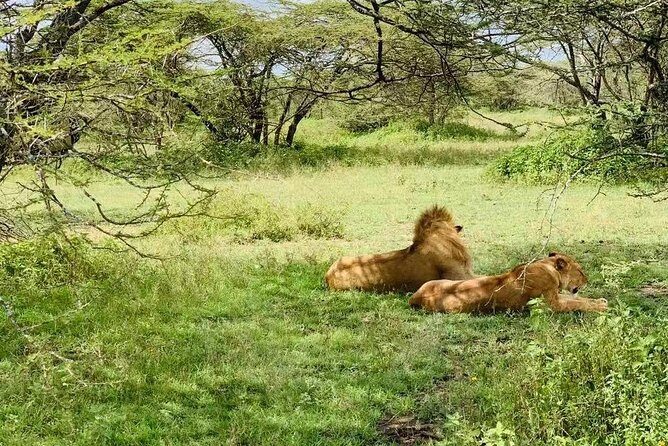
One of the biggest value points here is how the trip is set up to keep your time focused on animals.
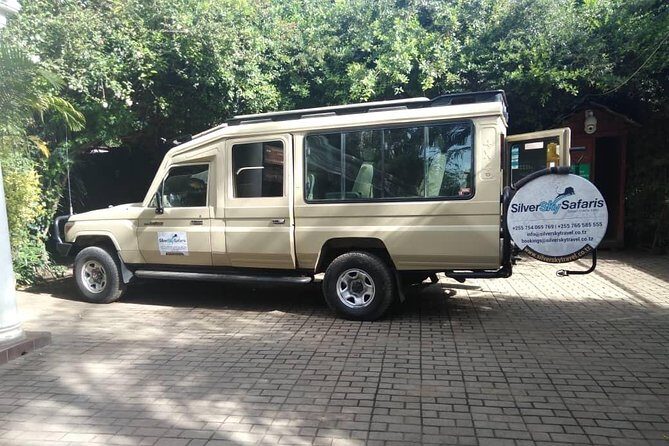
You’ll use a custom-designed 4×4 safari vehicle with an open roof for game viewing. Even when nothing is “dramatic” at the moment, open-roof driving makes it easier to scan for movement, spot birds, and get eyes on distant herds before they merge into the background.
It’s also private, so you’re not waiting for a mixed group to return from a bathroom break or doing math on shared timelines. That matters in parks, where the best sightings can pop up and vanish fast. You’ll also have an air-conditioned vehicle included, plus bottled water, WiFi on board, and all park fees and taxes covered.
A quick reality check: WiFi and air-con are nice, but game viewing is weather- and schedule-driven. Plan to treat the comforts as support, not the main event.
Day 1 arrival in Arusha: getting your bearings fast
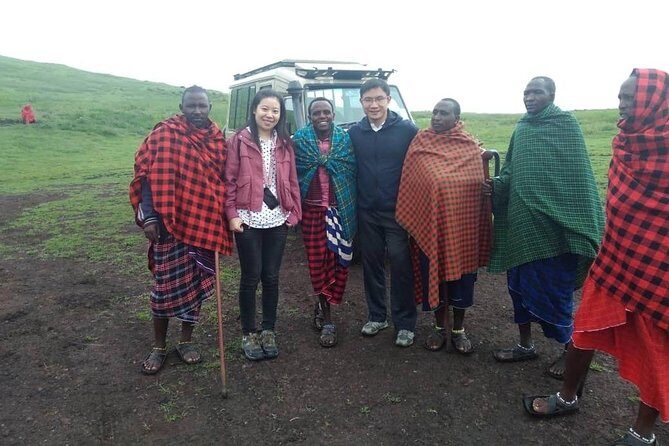
Day 1 is about landing, meeting your driver-guide, and settling into Arusha at your chosen hotel.
This “soft landing” matters because you’ll be trading city rhythm for park rhythm right away. Arusha is where you’ll get oriented—where you’ll likely meet your driver-guide, confirm pickup details, and do that first brief reality check on the safari calendar.
If you want to be ready for an early start, this is the day to pack snacks (or at least make sure your carry-on is easy), charge devices, and set clothes out. Once you’re on safari, you’ll be living out of your day bag.
Day 2 Tarangire: Elephant Playground energy
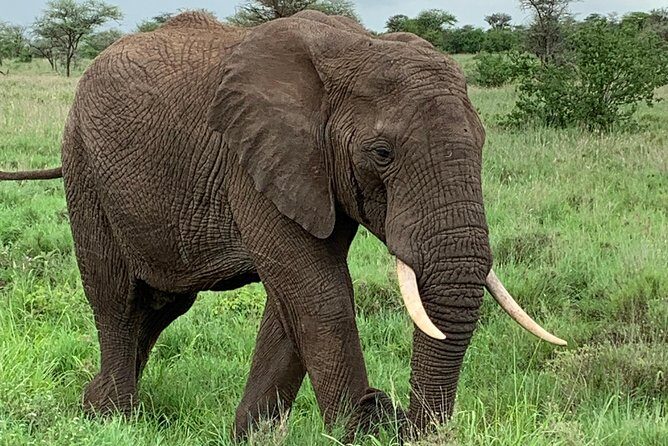
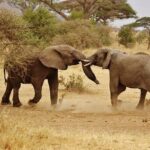
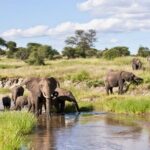
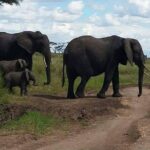
Tarangire is often described as the Elephant Playground, and the nickname fits the vibe. You’ll drive down from Arusha to the park early, arriving for lunch at your lodge, then heading out for an afternoon game drive.
What makes Tarangire a strong start is how quickly it can deliver variety:
- big herds and classic safari silhouettes (elephants are a main draw)
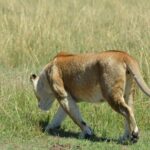
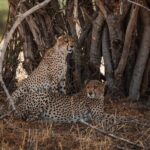
- cats when luck and timing align (lions, cheetahs, and leopards are possible)
- zebras, wildebeest, buffalo, and antelope species
- lots of birdwatching opportunities
The way the itinerary is framed also helps you ease in: afternoon drives after lunch give you a gentler intro to park life. Then you can go to sleep with that first set of animal sightings still fresh.
Practical note: for photography, late-day light can be excellent. You’ll likely want to keep your camera ready rather than buried in a bag.
Day 3 Lake Manyara: Rift Valley views and woodland edges
Day 3 starts with a morning departure from Tarangire and heads to Lake Manyara National Park.
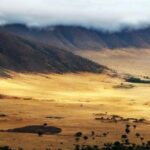
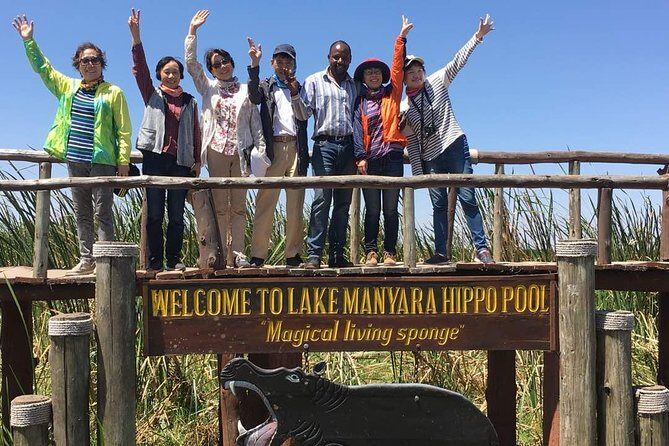
This is one of those parks where the scenery helps you understand the wildlife. Lake Manyara sits at the base of the Great Rift Valley Escarpment, so you’ll see the park’s mix of plains, acacia woodlands, and the shallow alkaline lake shoreline.
Wildlife you might spot includes:
- buffalo and elephant
- giraffe and impala
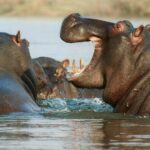
- hippo
- plus other game and bird life
You’ll also visit the lake itself, and the tour’s vibe leans into the “classic African moment”: animals moving through different habitats in the same day. Many people love this stop because it feels less “all plains” than Serengeti, but still very much safari.
A possible drawback here: Manyara can be slower than some parks if the animals are spread out. If you’re the kind of person who loves birds and smaller sightings, you’ll probably enjoy it anyway. If you only want big-cat action, you’ll want to bring a patient mindset.

Day 4 Ngorongoro Crater: the 600m drop that changes everything
Ngorongoro Conservation Area is where the trip turns into a true bucket-list day.
You’ll travel to Ngorongoro early, then descend about 600 meters into the crater for an early morning game drive. That timing is not random. Early drives tend to be your best shot for animals moving, resting, and feeding, when visibility is better and wildlife activity is higher.
Ngorongoro is a World Heritage Site with a permanent population of more than 30,000 animals, and the crater walls act like natural barriers—so many animals stay put rather than constantly migrating in and out.
This stop is big on variety:
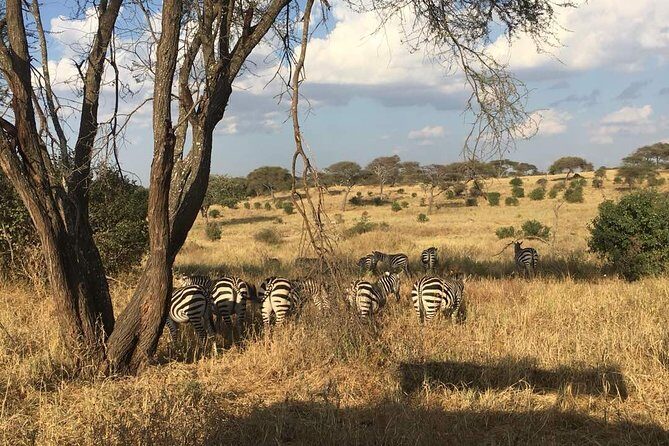
- lions, elephants, giraffes, zebras, and hippos
- flamingos, jackals, and lots of antelopes
- birds at scale
- and the possibility of rare black rhino, which is described as almost extinct in Tanzania
The tour also notes the idea of seeing the Big Five during a drive, which is exactly the kind of “crater density” people hope for. You shouldn’t assume it will happen, but the odds are boosted by the fact that so many animals live in one enclosed space.
Practical tip: crater mornings can feel cooler than the surrounding areas. Bring layers even in warmer seasons.
Day 5–6 Lake Ndutu: wildebeest, predators, and calving timing
After breakfast, you head to the Lake Ndutu area, part of the southern Serengeti ecosystem. The tour positions Ndutu as a seasonal powerhouse, especially in the months where the wildebeest migration and calving are expected to be most intense.
Ndutu is alkaline, and the water is described as still drinkable and used by wildlife. That’s one reason this area draws animals—water sources are everything when you’re following the movement of grazing herds.
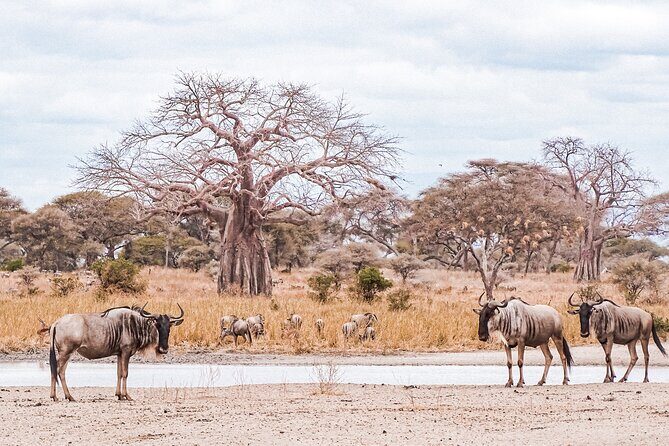
Day 5 is an afternoon game drive after lunch. The itinerary points out that from December to April, wildebeest migration is commonly found on the short-grass plains, with heavy wildlife presence including elephants, birds, and resident game.
Then Day 6 is the full-day Ndutu push. This day is built for the drama of the calving cycle. Around February, the tour notes that a period lasting about three weeks can produce a large wave of calving. In that phase:
- the short grass offers little cover
- predators can find young more easily
- wildebeest calves can run minutes after birth
- within a few days they’re strong enough to keep up with the herd
That’s the honest angle here: Ndutu can feel intense because it’s “nature in motion,” including predation. If that kind of realism makes you uncomfortable, you can still enjoy Ndutu, but you should know what you’re choosing.
If you’re excited by predator-prey dynamics, Ndutu is one of the best places to watch the timing of life cycles play out on the ground.
Day 7–8 Serengeti Seronera and Wagakuria: the plains and the big-cat odds
Day 7 shifts you to central Serengeti National Park, also known as the Seronera area. The itinerary frames Seronera as one of the richer habitats, with the Seronera River acting as a steady water source that attracts wildlife.
You’ll arrive around lunch time, then get an afternoon game drive. For many safari plans, the first Serengeti day can feel like a “welcome to the plains” moment. It’s a different visual world: long sightlines, herds moving across open areas, and predators working the edges.
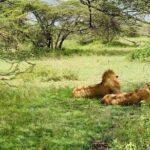
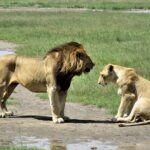
Day 8 is another full day game drive, this time in the Wagakuria area. The itinerary calls out resident wildlife numbers there, including prides of lion that can be up to 30 strong.
This is also where the calendar matters. The tour notes that July through October is considered the most desirable time to sight the Great Migration, when over two million wildebeest, zebras, and gazelles move through the Serengeti and Masai Mara ecosystems. In that season, wildebeest are on the northern Serengeti plains.
If you travel outside peak migration months, you can still enjoy Serengeti for resident predators, water-dependent wildlife, and herds moving within the park. But your “big migration” experience is more likely to match expectations when you line up with that July–October window.
Day 9 early drive and a flight from Seronera airstrip
Your last day is designed around the best wildlife light: an early morning game drive in the Serengeti. The tour notes this is when animals get out for morning feeding or return from night hunting.
You’ll then have a hot breakfast at your lodge, and later transfer to the Seronera airstrip to catch your flight to Kilimanjaro.
This is a thoughtful ending. Ending with an early drive gives you one last strong chance for sightings, and it also means you’re not forced into a long road journey at the end of the trip.
Comfort category stays: what you should expect
The accommodation mix is a big part of why this itinerary can feel smooth rather than rough.
You’ll sleep in a combination of:
- hotel
- tented lodges
- tented camps
The key detail is that these are described as comfort category and include private bathroom facilities. That private bathroom piece is a practical comfort upgrade, especially after days when you’re dusty from game drives and your body wants a proper rinse instead of “rough camping logistics.”
If you’re used to higher-end safari tents, you’ll recognize the style right away. If you’re new to tented camps, the main adjustment is managing expectations: you’ll have the romance of “on the savanna,” but still with that comfort-minded setup.
Price and value check for a $4,000 per-person safari
At $4,000 per person for about 9 days, this is a premium-style safari price. The value comes from what’s already bundled, not just the number.
From the tour inclusions, you can count on:
- meals: breakfast, lunch, and dinner coverage (the package lists 10 breakfasts and 8 lunches/dinners)
- accommodation in comfort category
- park entry fees and taxes
- bottled water
- air-conditioned vehicle and WiFi on board
- a private custom safari vehicle with an open roof for game viewing
When you compare this kind of all-in package to piecing together a route yourself, the savings often come from coordination: getting transfers right, lining up park time, and keeping your daily schedule realistic.
One more value angle: your route covers multiple ecosystems (woodland, crater, alkaline lake area, short-grass plains, and river-driven Serengeti habitat). If you’re comparing to a trip that only hits one park type, the breadth matters.
Who should book this safari, and who should think twice
This tour is a strong fit if:
- you want the classic Northern Circuit without managing transfers yourself
- you care about game viewing from an open-roof 4×4
- you prefer private time rather than shared group chaos
- you want a comfort level with private bathrooms, not basic camping
It may feel like too much if:
- you hate early mornings and long days in the vehicle
- you want a slower itinerary with more free time per day
- you only care about one type of wildlife moment (like big-cat action every day)
The review snippets also point to good planning and a very responsive guide experience. One name that shows up is Bariki, described as a nice guide and driver who helped find lots of sightings. That kind of on-the-ground skill is worth real money in safari country.
Should you book the Best of Tanzania Safari?
If your goal is a focused, high-impact Northern Circuit safari—Tarangire, Manyara, Ngorongoro, Ndutu, and Serengeti—this is the kind of itinerary that makes sense. You’re paying for park coverage, private guiding, and comfort-minded lodging, not just transportation.
I’d say you should book if you’re okay with a packed schedule and you want a serious chance at both migration timing (July–October) and calving-season action around February in Ndutu. Pass or consider a gentler option if you want lots of downtime or you’re sensitive to the realities of predator-prey dynamics.
FAQ
How long is the safari?
It’s listed as 9 days approximately.
Where does the tour start, and what time does it begin?
It starts in Arusha, Tanzania, with a start time of 8:00 am.
Is pickup included?
Yes, pickup is offered.
Is this tour private?
Yes. It’s a private tour/activity, and only your group will participate.
What’s included in the price?
The package includes bottled water, an air-conditioned vehicle, WiFi on board, all fees and taxes, accommodation, and meals (breakfast, lunch, and dinner as listed).
Which parks are included?
You visit Tarangire, Lake Manyara, Ngorongoro Crater (in the Ngorongoro Conservation Area), Lake Ndutu (in the southern Serengeti ecosystem), and Serengeti National Park (including the Seronera and Wagakuria areas).
What is not included?
Flights, VISA, phone calls, laundry, alcoholic beverages, and personal items are not included.
What is the cancellation policy?
Free cancellation is available. You can cancel up to 24 hours in advance for a full refund.