REVIEW · KILIMANJARO
7-Day Machame Route Kilimajaro
Book on Viator →Operated by Williamson Adventures · Bookable on Viator
Seven days on Kili feels organized from the start. What makes this Machame Route trek interesting is the full support setup—guide, porters, and a cook—plus hassle-free pickup so you’re not trying to figure out logistics at altitude. I also like that included meals keep your energy steady from sunrise hikes through camp dinners.
That said, this is an advanced-style route with real cold and wind moments. Shira Camp can feel bitterly cold, and Barafu Camp sits on a narrow rocky ridge with high winds, so you’ll want to be ready for uncomfortable sleep at least once.
In This Review
- Key things to know before you go
- Machame Route: a strong 7-day plan, if you respect the climb
- Your support team (and why it changes everything)
- Day 1: Machame Gate and that rainforest-to-farmland feeling
- Day 2: Moorland climbing, Shira Plateau views, and freezing-exposed camping
- Day 3: Lava Tower scree, altitude warning signs, and Barranco Valley comfort
- Day 4: Barranco Wall to Karanga Camp, the “shorter day” that still works
- Day 5: Barafu Camp, summit prep vibes, and wind management
- Day 6: Midnight summit push—Stella Point sunrise and the long way down
- Day 7: Mweka Gate forest walk, certificates, and real-world celebration
- Price and value: what $2,550 really covers on this trek
- Fitness and comfort: what moderate readiness should mean here
- Who should book the 7-Day Machame Route (and who should pause)
- Should you book this Machame Route Kilimanjaro trek?
- FAQ
- How long is the Kilimanjaro Machame Route trek?
- Where do I start, and is pickup included?
- What’s included in the tour price?
- What is not included?
- What route will I hike?
- How difficult is it, and who is it for?
- Can I get a full refund if I cancel?
Key things to know before you go
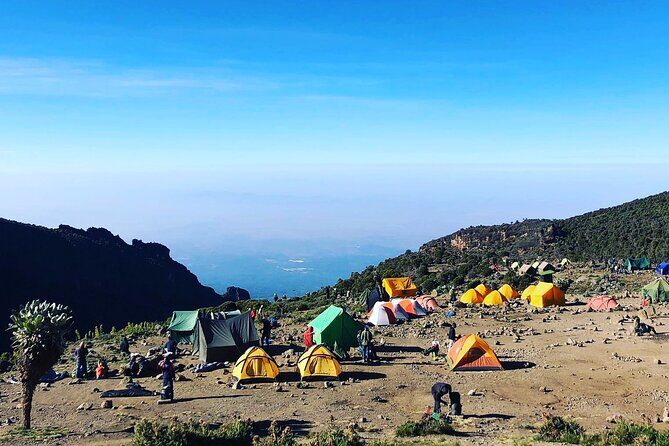
- Machame Gate rainforest start: Montane forest, coffee plantations, and chances to spot colobus monkeys and colorful birds
- Shira Plateau cold exposure: Shira Camp is exposed and can drop below freezing
- Lava Tower to Barranco acclimatization work: tough scree followed by a descent that still helps your body adjust
- Barranco Wall “shorter day” payoff: glacial valleys and a climb that’s steep but manageable
- Barafu Camp ridge winds: tents are pitched where wind is part of the deal
- Midnight summit start with Stella Point sunrise: first light at Stella Point (5739m) before pushing to Uhuru Peak (5895m)
Machame Route: a strong 7-day plan, if you respect the climb
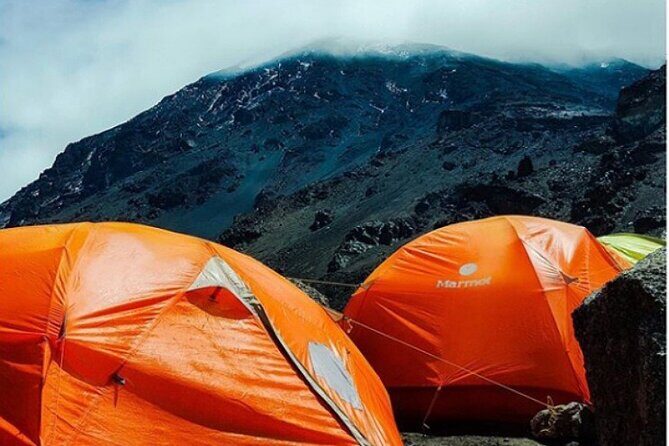
The Machame Route is known for giving you a full Kilimanjaro storyline in just a week. You start through lush forest, then climb into moorland, shift into rocky semi-desert and alpine desert zones, and finally tackle the crater rim before reaching Uhuru Peak. It’s a lot of terrain change in a short time, and that’s part of why the trek feels rewarding.
The other part is how the route is paced. Even when the hiking day feels big, the plan includes altitude practice days—especially around Lava Tower into Barranco, and later during the Barranco-to-Karanga stretch. This matters because Kilimanjaro isn’t about only strength. It’s also about how your body handles rising altitude.
I’d call the vibe “structured but real.” You’ll hike with your team, follow the trail, and work step-by-step, but the mountain still has its own opinions—cold nights, steep sections, and that midnight rhythm when everyone is moving but the world is still dark.
A few more Kilimanjaro tours and experiences worth a look
Your support team (and why it changes everything)
This trek is set up as a group climb with a guide, porters, and a cook. That sounds like standard tour language, but on Kilimanjaro it’s the difference between managing fatigue and constantly second-guessing logistics.
You’ll have:
- a guide leading your route and keeping you moving at a workable pace
- porters handling camp logistics so you can focus on climbing
- a cook preparing included meals along the way
From the feedback connected to Williamson Adventures, names like Leonard and Tom show up in a positive way as professional, decent guides. You can’t control who you’ll get, but you can count on this kind of team approach.
What I like for you: when the schedule is tight, food and shelter become more than “extras.” They’re recovery fuel and rest protection. This itinerary includes breakfast, lunch, and dinner every day of the hike, which means you’re not trying to find meals after a long day when you’re cold and tired.
Day 1: Machame Gate and that rainforest-to-farmland feeling
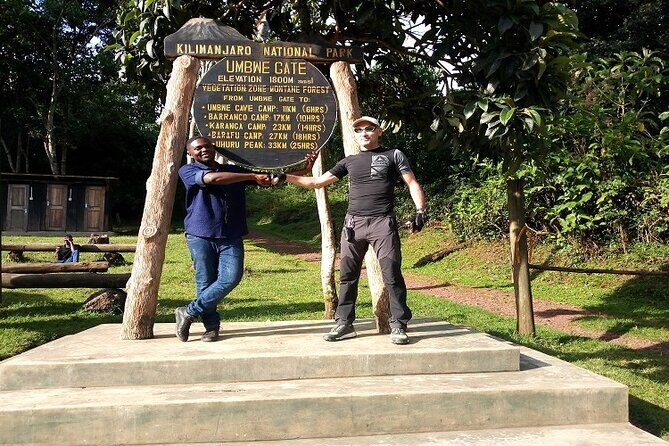
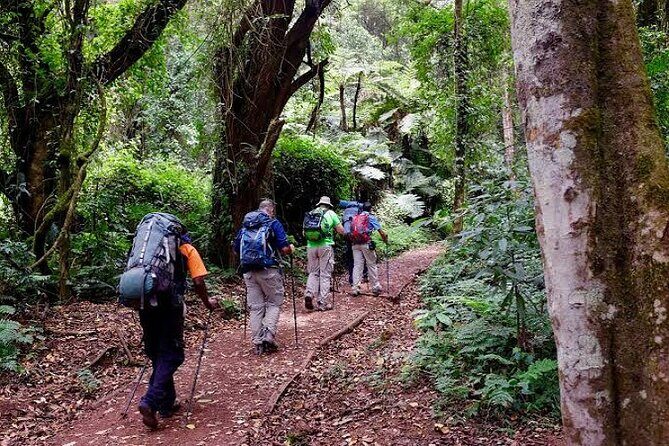
Your day starts with pickup from your hotel in Moshi (about 45 minutes to Machame Gate). After registration at Kilimanjaro National Park, you begin the journey on a well-maintained trail through Montane Forest.
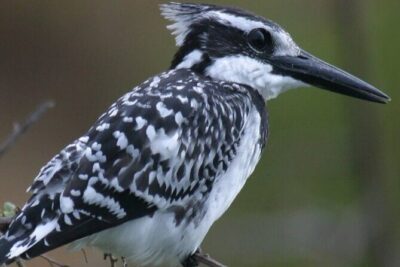
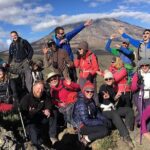
This is the part I think helps most hikers get their bearings fast. The climb is steady, not a sudden assault, and you’ll pass through dense rainforest and even coffee plantation areas. Your guide will talk about local flora and fauna, and you’ll have a real chance of seeing Black and White Colobus monkeys and brightly-colored birds.
Then you reach Machame Camp near the edge of the rainforest. The hike time is about 6 hours, which gives you enough time to feel like you’re climbing without turning Day 1 into a suffering contest.
Possible consideration: you’ll still be gaining altitude, even if the first day doesn’t feel brutal. So keep your effort controlled. Save your best stamina for the higher zones.
Day 2: Moorland climbing, Shira Plateau views, and freezing-exposed camping
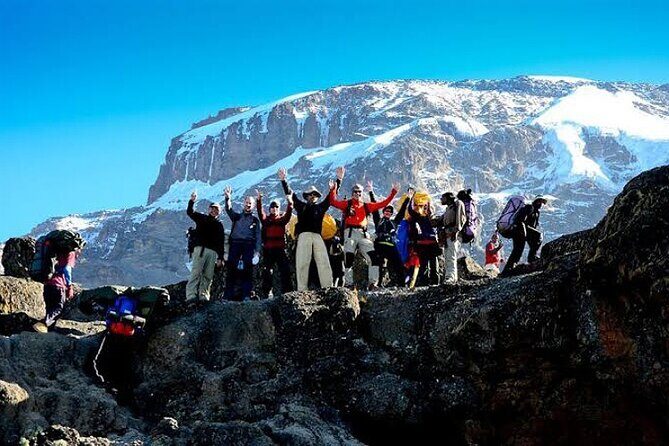
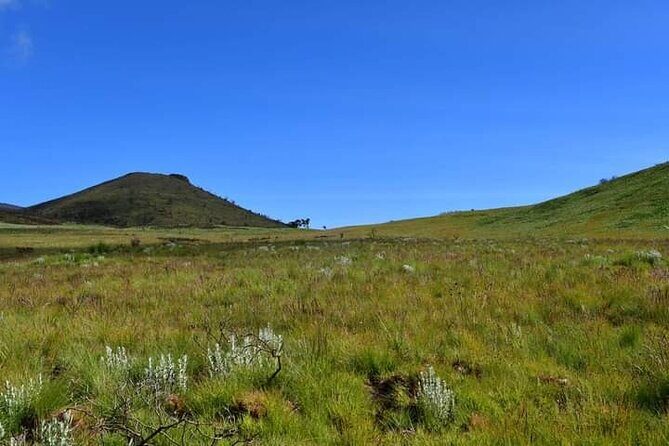
Day 2 starts early and moves into a moorland vegetation zone with a slightly steeper gradient. This is where the views can start to sharpen—especially when Kibo (the summit cone of Kilimanjaro) becomes visible along a rocky ridge toward Shira Plateau.
Shira is a collapsed volcanic crater. The trail heading across the plateau becomes a bit easier, and you’ll continue to Shira Camp. On a clear day, panoramic views can be excellent.
Here’s the big practical point: Shira Camp is very exposed. Temperatures can drop below freezing. So even if Day 2 feels manageable, you’re heading into a cold-night reality.
- Hiking time: about 5 to 6 hours
- Elevation gain: 840 meters / 2,800 feet
Possible drawback/consideration: cold camping can make you feel weaker the next day even if you’re doing everything right. Your goal at camp isn’t to be tough. Your goal is to get warm, eat, and sleep enough.
Day 3: Lava Tower scree, altitude warning signs, and Barranco Valley comfort
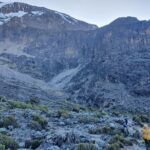
Day 3 is where the route changes texture again. You’ll move into semi-desert and rocky landscapes around Lava Tower, a volcanic rock formation about 300 feet high. The ascent involves a rocky scree path to Lava Tower, and the views from there can be a real payoff.
Then comes the “mountain training” part: you descend into the Barranco Valley and finish at Barranco Camp, tucked below the imposing Barranco Wall in a sheltered valley.
This is also the day when altitude can start showing up. The route description notes that some hikers begin experiencing symptoms of altitude sickness around this stage. The good news is that while you finish near similar elevation to where you started, the day still helps with acclimatization—your body learns, even if your elevation doesn’t.
Hiking time is about 7 hours.
Possible consideration: don’t treat Day 3 like a race. If you feel off—headache, nausea, unusual exhaustion—talk to your guide and don’t push through pride.
Day 4: Barranco Wall to Karanga Camp, the “shorter day” that still works
Day 4 is designed to support acclimatization. It’s shorter, and after breakfast you begin ascending the Barranco Wall. The trail includes glacial valleys, but the description notes it’s easier than it looks—still, it’s steep enough to feel like work.
After reaching the top of the wall, you cross hills and valleys and then descend into Karanga Valley to reach Karanga Camp.
This is a great day for two reasons:
- You get movement without the “full suffering” feeling of a longer day.
- You practice hiking on terrain you’ll see again closer to summit demands.
- Hiking time: about 4 to 5 hours
- Elevation gain: 145 meters / 456 feet
Day 5: Barafu Camp, summit prep vibes, and wind management
After leaving Karanga, Day 5 heads toward a junction connected to the famous Mweka Trail. From there, you’ll hike along a rocky ridge for about 1 to 2 hours before arriving at Barafu Camp.
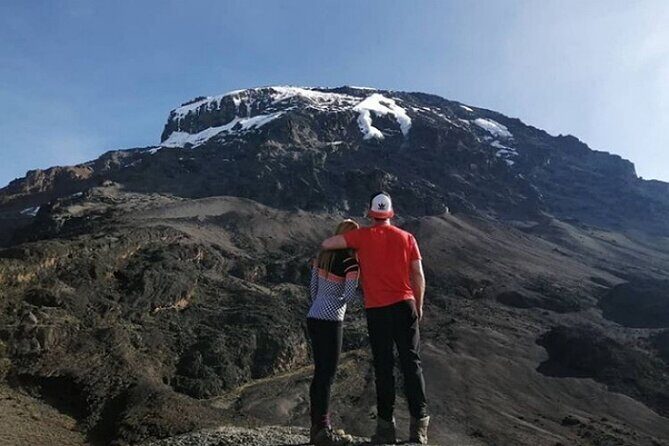
Barafu offers stunning views of Kilimanjaro’s summit from multiple angles. But here’s the practical catch: your tents are pitched along a narrow and rocky ridge with high winds. It’s worth taking a little time early to understand your surroundings, because when night falls and the wind rises, you’ll want to feel oriented.
- Hiking time: about 3 to 4 hours
- Elevation gain: 605 meters / 1,994 feet
Possible consideration: camp conditions can drain comfort fast. Keep moving when you need warmth, and don’t wait too long to get into your sleeping routine. With that ridge exposure, getting cold is easy.
Day 6: Midnight summit push—Stella Point sunrise and the long way down
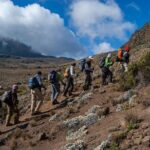
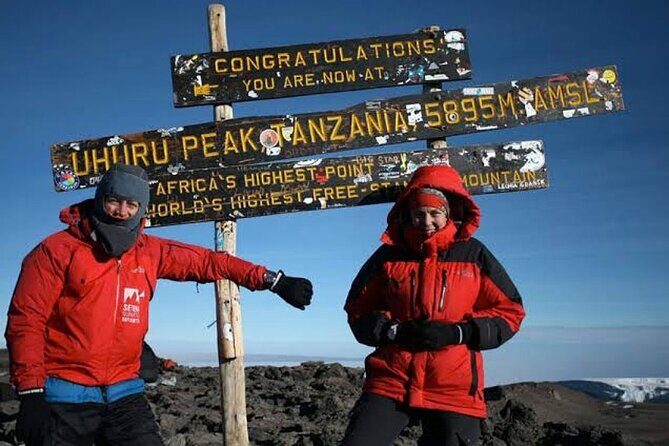
This is the day most people remember. You start around midnight, walking steeply upward toward the summit glaciers. The climb is described as scree walking for about 4 to 5 hours, gaining incredible height over a short distance.
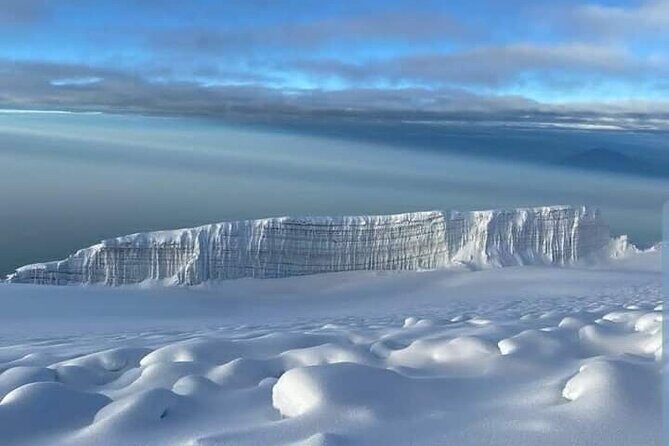
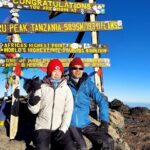
Once you reach Stella Point (5739m), you should be on the crater rim as the first rays of sun hit. The views from there are built for awe: ice cliffs within the crater, plus sights toward jagged Mawenzi and the wider landscape.
Then you keep going about another hour to reach Uhuru Peak (5895m). After that, the descent becomes about method: return to Stella Point, then move down scree slopes and back toward Barafu Camp.
The schedule has you returning to Barafu for breakfast, and then continuing downhill toward Mweka/Millennium Camp for the night. (Either way, you’re transitioning from summit mode to recovery mode fast.)
- Hiking time: about 7 hours
Possible consideration: summit day is physically demanding and mentally repetitive. The best way to handle it is controlled effort—steady steps, consistent breathing, and listening to your guide’s pacing. If you go out too fast, you can burn out before the sunrise moment that’s supposed to feel like a victory lap.
Day 7: Mweka Gate forest walk, certificates, and real-world celebration
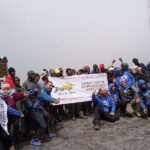
Day 7 is the easiest part of the adventure, which is a blessing. You’ll hike down to Mweka Gate via scenic paths through the forest. If you made it to Stella Point and Uhuru Peak, you’ll be awarded certificates at the gate.
Then you drive back to your hotel for a shower and a proper meal. The itinerary also mentions dinner and celebrations with a Kilimanjaro beer.
Hiking time: about 3 to 4 hours, plus driving.
Possible consideration: you might feel oddly “flat” emotionally once you finish. That’s normal. Your body is spent, and after days of structure, the world suddenly feels quiet.
Price and value: what $2,550 really covers on this trek
At $2,550 per person, this isn’t a cheap hike. But the value comes from what’s included—and what isn’t.
What’s included:
- all fees and taxes
- private transportation
- all accommodation during the trek
- a rescue fee
- meals: breakfast (7), lunch (7), dinner (7)
- rescue fee noted explicitly
- pickup from your hotel or airport (the experience summary emphasizes pickup)
Not included:
- tips for guides, porters, and cook
- meals at your hotel before and after the climb (and drinks)
- travel insurance
- flights
Here’s the way I’d frame it for you: you’re paying for a packaged summit experience where the big costs—park access, logistics, and camp support—are handled. You still need to budget for human gratitude (tips) and protect yourself with travel insurance.
Also note the group size limit: the tour has a maximum of 50 travelers. That’s a common cap for group operations. What matters more than the cap, though, is that your hike is still guided and supported by porters and cook, so you’re not solo in the chaos.
Fitness and comfort: what moderate readiness should mean here
The tour notes that travelers should have moderate physical fitness. On Kilimanjaro, moderate doesn’t mean casual. It means you can handle sustained uphill days for multiple days in changing terrain.
What you should expect:
- a steady build from rainforest to higher zones
- cold exposure at Shira Camp
- scree and rocky sections (Lava Tower day and summit night are the heavy hitters)
- a longer, steep push around midnight on Day 6
- wind exposure on the Barafu ridge
For comfort, you’ll want to think like this: your hardest battle won’t always be your legs. It’ll be cold, wind, and the way sleep gets chopped up at exposed camps.
Who should book the 7-Day Machame Route (and who should pause)
This trek is a strong fit if you:
- want a classic Kilimanjaro route story with varied ecosystems
- like having a structured plan with guides and porters
- want all meals and camp lodging handled so you can focus on hiking
- are okay with cold nights and wind, especially around Shira and Barafu
You should pause if you:
- hate sleeping in cold, exposed conditions
- have difficulty with steep, rocky terrain (scree is part of the plan)
- aren’t willing to adjust your pace based on altitude signals
Should you book this Machame Route Kilimanjaro trek?
If you want an organized, supported climb that still feels like an authentic Kilimanjaro adventure, I think this one makes sense. The combo of all meals, camp lodging, and private transport reduces the mental load. The Machame itinerary also includes real acclimatization moments—particularly the Barranco practice day and the Lava Tower to Barranco adjustment work.
The main “make sure you’re a fit” items are the cold exposure and wind, plus the summit night grind. If you can handle that with patience—and you’re ready to follow your guide’s pacing—this trek is likely to feel like a well-run route with a big reward at the top.
FAQ
How long is the Kilimanjaro Machame Route trek?
It’s listed as a 7-day experience, roughly 7 days.
Where do I start, and is pickup included?
You’ll get pickup from your hostel/hotel in Moshi, and you’re driven to Machame Gate to begin the hike. Pickup is offered from your hotel or airport.
What’s included in the tour price?
The price includes all fees and taxes, private transportation, accommodation during the hike, a rescue fee, and meals: 7 breakfasts, 7 lunches, and 7 dinners.
What is not included?
Tips for guides, porters, and cook are not included. Also not included are lunches/dinners/drinks at hotels before and after the climb, travel insurance, and flights.
What route will I hike?
This is the Machame Route on Mount Kilimanjaro, using the trek sequence that includes Machame Gate, Machame Camp, Shira Camp, Barranco Camp, Karanga Camp, Barafu Camp, the crater-rim points (including Stella Point), Uhuru Peak, and ending at Mweka Gate.
How difficult is it, and who is it for?
It’s described as suitable for travelers with moderate physical fitness. The route includes steep climbing and rocky scree, especially on summit night.
Can I get a full refund if I cancel?
Yes. You can cancel up to 24 hours in advance for a full refund. If you cancel less than 24 hours before the start time, the amount paid will not be refunded.