REVIEW · KILIMANJARO
4 Days Lake Manyara National Park, Ngorongoro Crater , Serengeti National Park.
Book on Viator →Operated by majali.tours · Bookable on Viator
Three parks, one big wildlife circuit.
This 5-day northern Tanzania safari connects Lake Manyara, Serengeti, and Ngorongoro Crater for serious game viewing with a smooth day-to-day flow from Kilimanjaro Airport. I like that the plan is built around when animals are most active, not just checkboxes. I also like the steady structure: transfers, park time, and meals are handled so you can focus on spotting wildlife.
My favorite part is the timing and setting—Lake Manyara is especially good in the late afternoon, when the light makes the Rift Valley feel close and the forest comes alive. You’ll get a picnic lunch in Manyara, then head out for a late-day drive where monkeys bounce through the trees and elephants show up against the escarpment.
One thing to consider: this is an early-start safari (meeting at 6:00am) with long drive days, and it’s weather-dependent. If conditions are poor, plans can shift because good weather is required.
In This Review
- Key highlights you should care about
- Your kickoff: Kilimanjaro Airport transfer and manager briefing
- Lake Manyara National Park: late light, monkeys in trees, elephants on the escarpment
- Serengeti National Park via Ngorongoro Conservation Area and Olduvai Gorge
- A second Serengeti viewing window and the jump to Ngorongoro rim comfort
- Ngorongoro Crater game drives: black rhino, flamingoes, and lion power
- Price and logistics: what you’re paying for at $3,096.91
- Comfort, guides, and language help you actually notice
- Who this safari fits best (and who should consider another option)
- Should you book this 4/5-day Lake Manyara–Serengeti–Ngorongoro safari?
- FAQ
- FAQ
- What parks are included in this experience?
- How long is the safari?
- What time does the tour start?
- Is pickup from the airport included?
- Are park fees included?
- What meals are included?
- Are meals and lodging details included at the parks?
- Does this include a mobile ticket?
- What languages can the guides work in?
- What is not included in the price?
- Is the trip refundable if you cancel?
Key highlights you should care about
- Late-afternoon Lake Manyara drives for that best mix of animals and light
- Olduvai Gorge stop on the way to Serengeti to connect the Rift Valley story to what you see
- Evening game drive in Serengeti plus a second round of viewing the next morning
- Ngorongoro Crater focus on black rhino and black-manned male lions
- Full-board overnights on the parks circuit, with specific stays at Fanaka Lodge, Seronera camp, and Sopa Lodge
- Meal coverage built into the price with multiple lunches, breakfasts, and at least one dinner included
Your kickoff: Kilimanjaro Airport transfer and manager briefing
You start at Kilimanjaro International Airport (or another pickup destination), with a guide meeting you and moving you to your hotel. The day begins early—start time is 6:00am—so plan to be ready to go when the clock hits. In the evening, there’s a briefing with the managers, which is a practical touch. It means you get a clear picture of what comes next, and you can ask questions before the first full safari day.
One practical benefit here is mental relief. Safari days in Tanzania can be long and busy, especially when you’re moving between parks. Having transportation lined up and a briefing built into the schedule helps you stay focused on the wildlife instead of logistics.
A few more Kilimanjaro tours and experiences worth a look
Lake Manyara National Park: late light, monkeys in trees, elephants on the escarpment
Lake Manyara is a park with personality. The drive from Moshi to Lake Manyara takes about 4 hours, and you’ll stop for a picnic lunch before heading out for a late afternoon game drive. That late-day timing matters. Animals tend to be more active as the temperatures ease, and the scenery is easier on the eyes when the sun is lower.
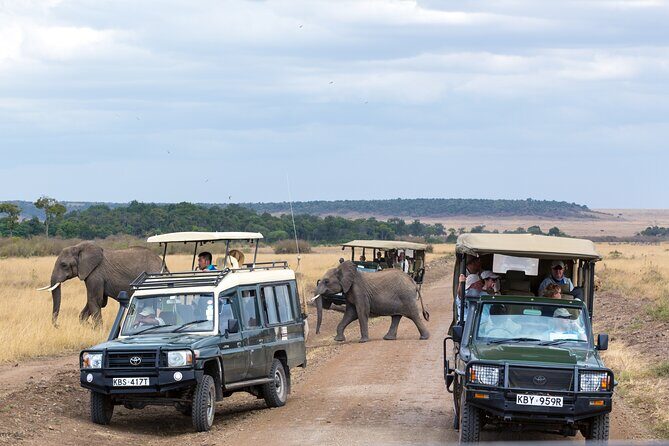
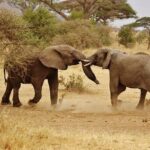
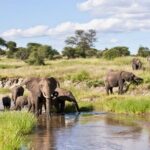
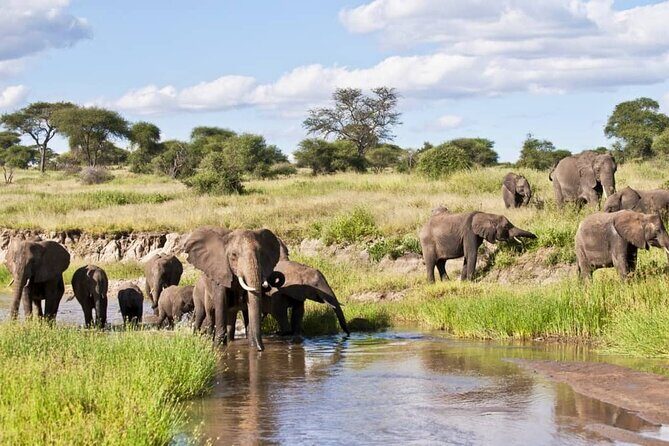
When you approach from the east, the Rift Valley escarpment looms in the distance, forming a dramatic backdrop to the lake. It’s not just pretty. That view helps you understand why the park feels different from other savanna areas—there’s a real sense of geography shaping where wildlife gathers. In the ground water forest, monkeys leap through the trees. On the escarpment, you may see elephants standing in the shade—an easy moment to miss if you rush or if you aren’t paying attention to how the terrain changes.
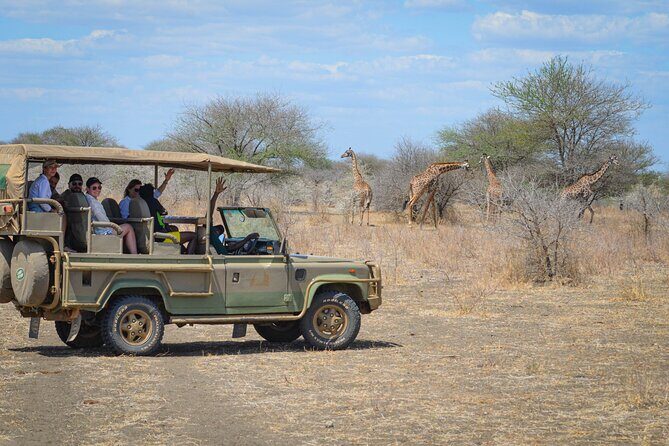
Expect a solid chance of seeing zebras, impalas, giraffes, buffaloes, and hippos. It’s also a great place to practice your spotting skills: look for movement in the canopy for monkeys, then scan the edges where elephants and other larger animals use the terrain as cover.
Overnight is at Fanaka Lodge with full board. That’s a helpful detail because you’re not scrambling for meals after a long driving day. For people who want comfort without fuss, this lodge-night format is a good start to the circuit.
Serengeti National Park via Ngorongoro Conservation Area and Olduvai Gorge
Next you head toward Serengeti, driving via the Ngorongoro conservation area. Travel time is listed as 2 to 4 hours. You’ll spend this travel stretch going from “arrival mode” to “safari mode,” with an important stop along the way: Olduvai Gorge.
Olduvai Gorge is an archaeological site in the eastern Serengeti plains where early human fossils were first discovered. You’ll also hear about the tectonic forces that created the Great Rift Valley, and how the same forces shaped the amazing scenery you see around you. Even if you’re not a formal museum person, this stop is valuable because it gives you context. When you later spot predators and herds against the Rift’s dramatic features, the geography feels less random.
Once you reach Serengeti, you get a game drive from afternoon into late evening. This is one of the smartest ways to do Serengeti in a limited time window. Morning drives are great, but an evening drive can give you different behavior patterns—especially as animals start moving when temperatures drop.
Then there’s a late evening drive to your overnight spot: Serengeti Seronera Wildlife Camp. The plan also mentions an optional upgrade to lodge accommodations, still full board. If you’re choosing between camp and lodge, the simplest approach is to pick the level of comfort you’ll actually enjoy for a rest day. On safari, your sleep quality affects your morning eyesight.
A second Serengeti viewing window and the jump to Ngorongoro rim comfort
The next morning starts with breakfast, followed by a half-day game viewing in Serengeti. This is where you get the best value from having two Serengeti sessions. One drive can be great; two drives increase your odds because wildlife doesn’t move on a schedule. You might see different species, different group behavior, or just the same animals in new light.
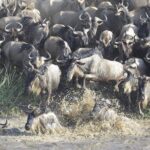
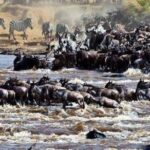
The plan describes Serengeti as a world heritage site with the earth’s largest concentration of plain game still roaming free. In plain terms: you’re likely to be surrounded by grazing animals at scale. That matters because it affects predator chances too. When herbivores are abundant, predators and scavengers have more opportunities—so your viewing can feel more alive, even when you’re not seeing a big cat at every stop.
Late afternoon, you drive back to the Ngorongoro crater rim and rest at Sopa Lodge for dinner and overnight. Staying on the rim changes the feel of the day. You get a break from constant scanning, and you wake up positioned for the crater.
This transition is also a time saver. Ngorongoro is its own world, and arriving at the rim means you spend less time in transit and more time ready to go when the crater day starts.
Ngorongoro Crater game drives: black rhino, flamingoes, and lion power
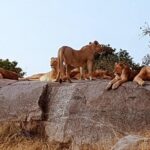
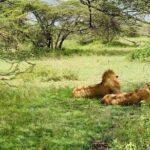
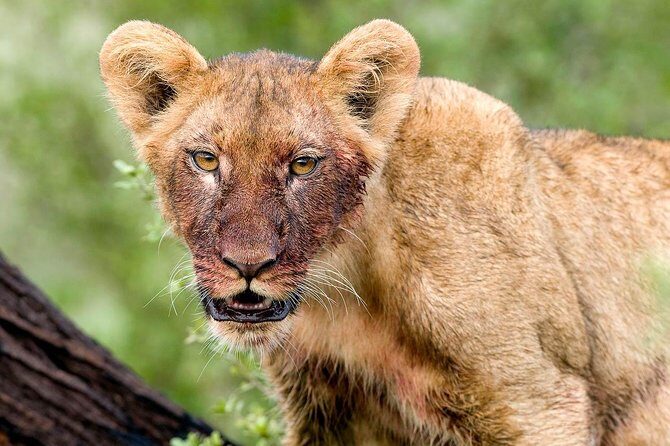
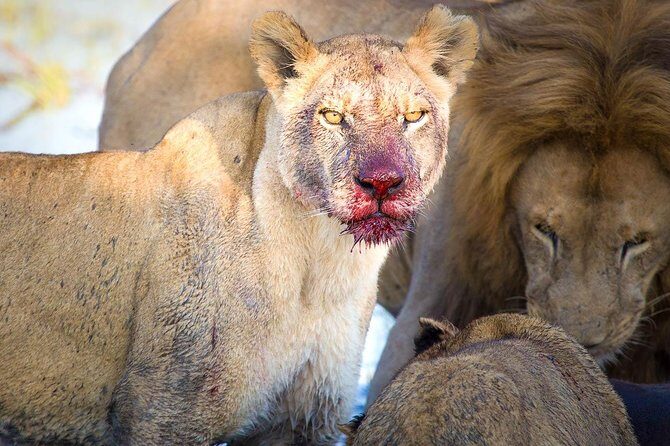
Ngorongoro Crater is the Tanzania stop most people have on their wish list—and for good reason. After breakfast, you head into the crater for game drives. This is described as the best place in Tanzania to see black rhino. It’s also known for lion activity, including prides with the magnificent black-manned males.
Here’s what’s practical about that focus: this is one of the few places where you can plan your day around those headline species and then still have plenty left over. Because the crater also attracts colorful birdlife. You may see flamingoes and other water birds, especially around areas that collect water.
Game viewing in the crater isn’t limited to rhino and lions. You can also encounter leopard, cheetah, hyena, and smaller antelope species, plus small mammals. The variety matters. If you’re traveling with different interests—big cats, birds, or the thrill of seeing rhino—this day can satisfy multiple “must-see” boxes.
In the late afternoon, you drive back to Kilimanjaro Airport for departure or to Moshi at your hotel. That timing keeps your end of trip from stretching too long into the night, which is helpful if you have international flights scheduled the next day.

Price and logistics: what you’re paying for at $3,096.91
At $3,096.91 per person, you’re paying for a multi-day wildlife circuit that covers three major areas: Lake Manyara, Serengeti, and Ngorongoro. The value question is simple: do you want to spend your days driving between far-apart parks with all the uncertainty that comes with planning? This package keeps transportation and park fees included, plus it covers a big chunk of your day-to-day spending.
From the included list, your price includes:
- Park fees
- Transportation
- Meals: 4 breakfasts, 5 lunches, and dinner
Not included:
- International flights and visas
- Tips
That meal coverage is more than a nice-to-have. With safari days, you’ll be hungry at weird times. Having lunches and breakfasts handled means fewer stops, less waiting, and more time watching wildlife.
Also note the practical “how” details: pickup is offered, and you receive a mobile ticket. Confirmation comes at booking time, which helps reduce pre-trip uncertainty.
One logistics detail to watch: the activity lists a maximum of 500 travelers. That doesn’t tell you your actual vehicle size, so it’s worth confirming the number of people in your specific safari group when you book. With wildlife viewing, your spotting success improves when your group isn’t so large that everyone is fighting for viewing angles.
Comfort, guides, and language help you actually notice
This safari is built around knowledgeable staff and communication. Guides are described as fluent in multiple languages you can choose—Chinese, Arabic, Spanish, and French—and that language support is mentioned broadly from drivers to cooks. If you’re traveling with family or friends who aren’t comfortable in English, this is genuinely useful. It’s easier to ask questions in your own language, and easier to understand where to look.
Accommodation-wise, the overnight stops are specific:
- Fanaka Lodge after the Lake Manyara day
- Serengeti Seronera Wildlife Camp (with an optional lodge upgrade)
- Sopa Lodge on the Ngorongoro crater rim
One caution I’d give you, based on the way this operator responds to concerns: verify your accommodation type and any upgrades before you depart. There was a dispute described around lodge versus camping and how an upgrade was handled. That doesn’t mean it will happen to you. It just means you should double-check that your confirmation matches what you expect—especially if you’re booking as part of a join-in arrangement.
Who this safari fits best (and who should consider another option)
This safari circuit is a great fit if you:
- Want to see three Tanzania wildlife powerhouses in one trip window
- Like structured days with meals and transport handled
- Care about headline species such as black rhino in Ngorongoro and lion prides
- Don’t want to piece together separate park bookings yourself
It may feel less ideal if you:
- Don’t like early starts and long driving days
- Are extremely weather-sensitive (this experience requires good weather)
- Prefer lots of free time with no schedule pressure
If you’re the type who likes to stay on schedule so you can maximize wildlife time, this works well.
Should you book this 4/5-day Lake Manyara–Serengeti–Ngorongoro safari?
I’d book it if your priority is a high-odds northern circuit—Lake Manyara for its forest and escarpment energy, Serengeti for two game-drive chances, and Ngorongoro for a crater day focused on rhino and lions. The inclusion of park fees and a strong meal plan makes it easier to control your budget once you’re in Tanzania.
Before you confirm, I’d do three quick checks:
- Confirm your accommodation type for each night, including any lodge versus camp differences
- Ask how many people are in your safari vehicle (even if the overall activity listing is high)
- Make sure your travel window lines up with a realistic weather forecast
If those boxes look good, this is a solid way to experience Tanzania’s big wildlife highlights without turning your trip into a spreadsheet.
FAQ
FAQ
What parks are included in this experience?
You’ll visit Lake Manyara National Park, Serengeti National Park, and Ngorongoro Conservation Area for game drives in Ngorongoro Crater.
How long is the safari?
It’s listed as 5 days (approx.).
What time does the tour start?
The start time is 6:00 am.
Is pickup from the airport included?
Yes. Pickup is offered, and you meet the guide at Kilimanjaro International Airport or another pickup destination.
Are park fees included?
Yes. Park fees are included.
What meals are included?
The included meals are 4 breakfasts, 5 lunches, and dinner.
Are meals and lodging details included at the parks?
The itinerary includes overnight stays at specific places: Fanaka Lodge, Serengeti Seronera Wildlife Camp (with an optional lodge upgrade), and Sopa Lodge on the Ngorongoro rim. The plan also specifies full board for at least one of the overnight days.
Does this include a mobile ticket?
Yes. The experience includes a mobile ticket.
What languages can the guides work in?
The guides are described as fluent in languages of your choice, including Chinese, Arabic, Spanish, and French.
What is not included in the price?
International flights & visas and tips are not included.
Is the trip refundable if you cancel?
This experience is non-refundable and cannot be changed for any reason. If it’s canceled due to poor weather, you’ll be offered a different date or a full refund.