REVIEW · KILIMANJARO
8-Day Tanzania Migration Footsteps – Midrange
Book on Viator →Operated by BUSH 2 CITY ADVENTURE · Bookable on Viator
A great safari starts with smooth logistics. This 8-day Tanzania migration route pairs a private guide with airport pickup from Kilimanjaro, then points you at the big animal stages. You’ll spend the week moving between Tarangire, the Serengeti, and Ngorongoro in a way that’s built for sightings, not just checklists.
What I especially like is the pace and comfort: you’re not stuck in basic tent camping. The trip is pitched around the best camps and lodges, plus intimate, tailored meals, and even campfire downtime with starry skies. In the feedback, people also flag the food and the fact that lodging feels more like a real retreat than a rougher field setup.
One consideration: the driving days are long (several 12-hour days), and you’re relying on good conditions for this specific kind of wildlife viewing. Also, it’s non-refundable and not changeable for any reason, so this is a plan you want to feel confident about before you lock it in.
In This Review
- Key Highlights Worth Planning Around
- Arusha First Step: Setting Your Safari Rhythm After JRO
- Tarangire’s Elephant Power and Baobabs (Two Days Done Right)
- Serengeti Game Drives: Migration Country Meets Big-Predator Reality
- Serengeti From Above: Hot Air Balloon With Champagne Breakfast (Optional)
- Ngorongoro Crater: Concentration-Watching in a Natural Amphitheater
- Price and Value: What $5,245 Covers in Real Safari Terms
- Comfort Level: Lodges, Dining, and the Less-Rough Style of Safari
- Who Should Book This Migration Footsteps Route
- Should You Book It?
- FAQ
- Where does the tour start?
- How long is the trip?
- Is this a private safari?
- What’s included in the price?
- Are park admissions included?
- Are international flights included?
- Can I choose the hot air balloon or not?
- What about tipping?
- FAQ
- When is pickup available?
- Do I need to be very fit?
- What happens if weather is poor?
- What if I want to extend after the safari?
Key Highlights Worth Planning Around
- Airport pickup plus private transportation: You start with less hassle and more time in the parks.
- Tarangire twice, not just a drive-by: Two days focused on elephants and baobabs around the river season.
- Serengeti with migration-focused positioning: You’re scheduled to hit the classic predator and herds country in peak-looking spots.
- Hot air balloon option in Serengeti: If you choose it, you get a champagne breakfast experience tied to the ride.
- Ngorongoro Crater drive for high-density wildlife: A full crater day designed for maximum sightlines.
- Meals, park access, and fees handled for you: Breakfast, lunch, and dinner are included for 7 days, plus activities and listed admissions.
Arusha First Step: Setting Your Safari Rhythm After JRO
Your trip begins at Kilimanjaro International Airport (JRO). After you land, your guide from Bush 2 City welcomes you and takes you to your hotel so you can reset before the wildlife work starts. Even with travel energy, this start matters because it helps you show up for Day 2 ready to move.
What I like here is the emphasis on a real safari vehicle and freedom to pause. The plan includes a private safari setup with your own jeep and the ability to stop and watch wildlife when possible. That kind of flexibility beats fixed-time “drive past it” routines.
If you’re the type who hates rushing, the Arusha night is a useful buffer. You also get a next-day private safari with your guide, which makes the start feel guided but not frantic.
You can also read our reviews of more tours and experiences in Kilimanjaro.

Tarangire’s Elephant Power and Baobabs (Two Days Done Right)
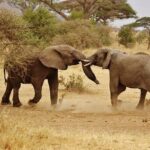
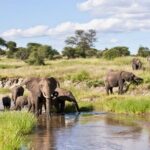
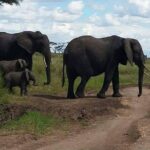
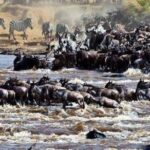
Tarangire National Park is built around dry-season logic. The park is known for big herds of elephants and towering baobab trees, which can live for centuries and store water—useful when it’s dry. During the dry months, the Tarangire River becomes a magnet, pulling animals toward the same water points.
The schedule gives you Tarangire twice: one day that’s a packed game-drive day, and another day that’s a longer outing. Both are aimed at catching the elephant concentration and the way other wildlife gathers around that river area. If you care about seeing animals behaving naturally—grouping, feeding, moving between water and shade—two focused days help a lot.
A practical detail: you’ll be out for about 12 hours on these days, so plan mentally for a full safari day. That’s not “easy travel,” but it is the kind of time-on-the-ground that usually pays off in wildlife spotting.
Serengeti Game Drives: Migration Country Meets Big-Predator Reality
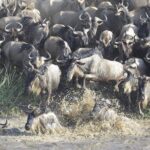
Then you move into Serengeti, via the scenic route that routes you into the park for an afternoon drive. Serengeti is where the migration story gets most of its attention, and this itinerary is framed to take advantage of that. The guide is there to help you find animals, including predators, across the wide system of sightings.
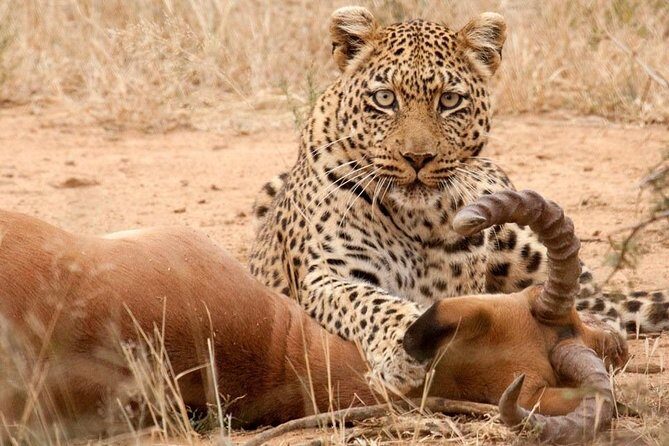
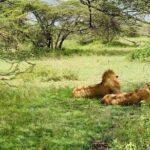
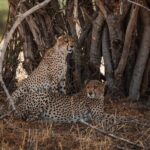
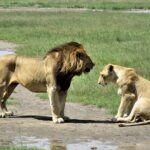
On the first Serengeti day, you arrive for an afternoon drive. The plan is built around the idea that you’ll be in the right place as the light starts to shift, when animals often feel more active. The numbers in the plan are eye-catching: over four thousand lions, 225 cheetahs, a thousand leopards, 3500 hyenas, and hundreds of wild dogs. Those are not promises, but they do tell you what the area is famous for.
The next day is a full day exploration with your driver guide. You return to Acacia Central Tented Camp for dinner, and the evening setup includes campfire time and stargazing. That’s a small thing that can matter a lot after long drives: you get to decompress without racing to another location.
Here’s the balanced truth: Serengeti can feel like “everything at once,” but the guide’s job is what turns that into real results. When someone is actively looking and helping you read behavior, you spend less time guessing and more time understanding.
Serengeti From Above: Hot Air Balloon With Champagne Breakfast (Optional)
On Day 6, you’re given a genuine choice: do the hot air balloon ride or take a full day of land-based game drives. If you pick the balloon, the plan includes a champagne breakfast tied to the morning experience. That alone is a reason some people love this specific itinerary, because it changes the entire feel of the day.
If you prefer to stay grounded, you keep your day focused on wildlife encounters with your driver guide. Either way, the goal stays the same: maximize time in Serengeti while the day’s light helps you see animal movement and predator activity.
I also like that the plan doesn’t force the choice too late. You’re deciding as the day starts, which means your morning energy can go into the activity you want most.
Ngorongoro Crater: Concentration-Watching in a Natural Amphitheater
Ngorongoro Crater is the day for dramatic “wow” density. The plan describes it as one of Africa’s seven natural wonders, formed about two million years ago by a massive volcanic eruption. What that means in practice is a crater environment that supports a high concentration of animals.
Inside the crater, you’re scheduled for a game drive surrounded by wildlife like lions, zebras, buffalos, and black rhinos. The key idea is that the crater funnels animals into a tighter viewing stage, so your game drive can feel more focused than a broader open-plains chase.
Afterward, you return to your lodge for dinner and an overnight stay. This day works well as the climax of the safari arc because it blends variety with intensity: big animals and strong sightlines in one setting.
Price and Value: What $5,245 Covers in Real Safari Terms
This trip is listed at $5,245 for the 8-day package. In value terms, the price is easier to judge because a lot of the big safari cost drivers are included.
You get airport transfers, all activities (unless marked optional), accommodation for the nights included, and roundtrip transport using a private setup. On top of that, the plan states all fees and taxes are covered, and you get meals laid out for the full stretch: 7 breakfasts, 7 lunches, and 7 dinners.
That matters because safaris often get expensive via add-ons you only notice after you book. Here, the structure is meant to reduce surprises, so you can focus on the experience you came for—game drives, lodges, and a tight routing between the parks.
One more value note: tipping is the main predictable “extra” noted in the plan. The guideline is US$20.00 per person per day, which helps you budget before you leave home.
Comfort Level: Lodges, Dining, and the Less-Rough Style of Safari
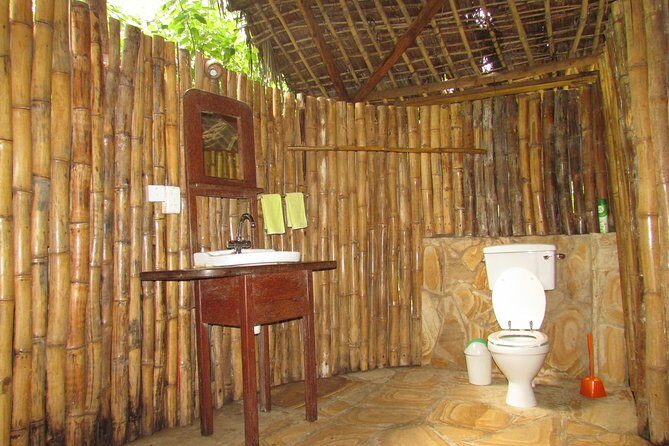
This is sold as a midrange safari, and the lodge emphasis is part of the positioning. In the feedback, people specifically praise the accommodations, including that lodging feels like nice lodges instead of tents. That’s a big deal if you’re tired of sleeping in a setup that feels too rough after long days of driving.
Dining gets mentioned too, with praise for amazing food and tailored mealtimes that fit the rhythm of safari days. Even when you’re out hunting sightings all day, what you eat and how you unwind at night is part of whether the safari feels like a vacation or just a grind.
The campfire and starry-sky downtime also adds up. It gives you time to decompress without needing a separate excursion plan.
Who Should Book This Migration Footsteps Route
This itinerary is a good fit if you want a focused “best-of” mix without the chaos of constantly switching logistics yourself. You’ll likely enjoy it most if you:
- Want private guiding with the freedom to stop during drives.
- Care about big elephant country (Tarangire) plus prime viewing zones (Serengeti and Ngorongoro).
- Prefer comfortable lodges and structured meals over a more rustic camping approach.
- Are okay with long safari days (some are described as about 12 hours).
It also lists a moderate physical fitness level requirement. That likely means you can handle typical safari movement and long sitting periods in vehicles.
Should You Book It?
If you’re aiming for a smooth, high-sighting-potential route with lodging that feels comfortable and a plan that handles the big costs up front, I think it’s a strong option. The combination of Tarangire twice, Serengeti-focused days, and a crater day at Ngorongoro is the kind of routing that makes the week feel purposeful.
Just don’t book this like a flexible placeholder. It’s non-refundable and can’t be changed for any reason, and the experience requires good weather. If your dates are firm and you want an efficient, well-run safari week, this is the type of package that can deliver exactly what you paid for.
FAQ
Where does the tour start?
The experience starts at Kilimanjaro International Airport (JRO), with the meeting point listed at Kilimanjaro Airport Rd, Tanzania.
How long is the trip?
It’s listed as 8 days (about 7 nights).
Is this a private safari?
Yes. It’s a private tour/activity, and only your group participates.
What’s included in the price?
The package includes all fees and taxes, all activities (unless labeled optional), accommodation (unless listed as upgrade), roundtrip airport transfers, a professional driver/guide, private transportation, and meals: 7 breakfasts, 7 lunches, and 7 dinners.
Are park admissions included?
The itinerary notes admission ticket free for most days, and Ngorongoro Crater is marked as admission ticket included.
Are international flights included?
No. International flights from and to home are not included.
Can I choose the hot air balloon or not?
Yes. On Day 6, you can choose between a hot air balloon ride (with champagne breakfast) or a full day of game drives.
What about tipping?
A tipping guideline of US$20.00 per person per day is provided.
FAQ
When is pickup available?
The meeting point opening hours are listed as 6:00 AM to 6:00 PM, with dates shown for 01/01/2026–02/28/2026 and 03/01/2026–03/31/2026.
Do I need to be very fit?
The experience requires moderate physical fitness.
What happens if weather is poor?
It requires good weather. If it’s canceled due to poor weather, you’ll be offered a different date or a full refund.
What if I want to extend after the safari?
On the last day, you can add extra time at the lodge depending on your flight schedule, and the plan suggests extending with island options like Zanzibar, Pemba, or Mafia.