REVIEW · KILIMANJARO
6 Days Mara River Crossing – The Great Migration
Book on Viator →Operated by African Overland · Bookable on Viator
Great Migration days feel like real time travel. This 6-day safari focuses on one of the wildest natural shows on Earth: over a million wildebeest, zebra, and antelope moving clockwise through the Serengeti–Masai Mara ecosystem, with time for courtship, mating, and births along the way. You also get the added thrill of chasing the herds around the Mara River zone, where the action can spill into two countries.
What I like most is the tight route that hits three major parks instead of just doing one long stretch of Serengeti. I also like that the plan is built around multiple days in the right area, not a single rushed stop. You’ll be spending real time on game drives, then returning to the same camp base for evenings and reset time.
One thing to consider: the timing of crossings depends on nature, and the tour also needs good weather to run smoothly. Add in long drive days, early mornings, and you’ll want a moderate fitness level and a patient mindset.
In This Review
- Key Highlights at a Glance
- The Great Migration, Mara River Style
- The Route: 6 Days That Actually Make Sense
- Day 1: Tarangire National Park’s Elephant and Baobab Energy
- Day 2: Serengeti Arrival Via Ngorongoro Conservation Area
- Day 3: First Mara River Chase and the Night-Sound Factor
- Day 4: A Second Shot at the Mara River Crossing
- Day 5: Leaving the Mara Area Back Toward Central Serengeti
- Day 6: Ngorongoro Crater Game Viewing, Then Back to Arusha
- Price and Value: What $3,606.16 Buys You
- What the Private Format Changes for You
- Who This Safari Fits Best
- Should You Book This Mara River Crossing Safari?
- FAQ
- How long is the Mara River crossing safari?
- What parks are included in this safari?
- Does the tour include pickup and drop-off?
- What meals are included?
- Are park fees and admission tickets included?
- Are tips included in the tour price?
- Is this tour private or shared?
- What happens if the weather is poor?
Key Highlights at a Glance
- Mara River focus: multiple days aiming specifically for the crossing moments
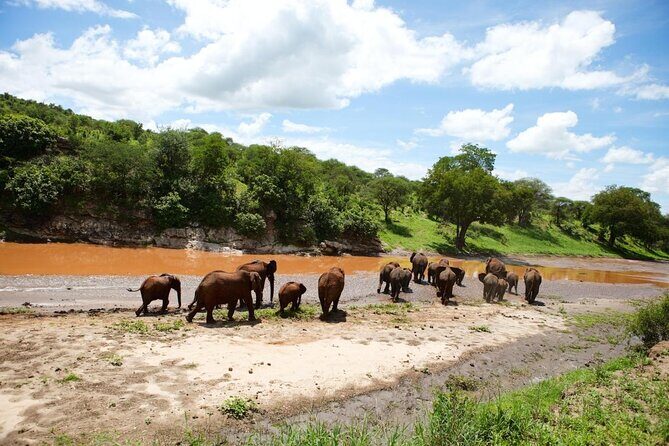
- Tarangire first: elephants, baobabs, and even a shot at spotting tree-climbing pythons
- Serengeti time in two areas: central and northern Serengeti bases help you chase the herds
- Ngorongoro Crater day: crater game viewing plus the classic descent-and-ascend day
- Private safari setup: only your group participates, so the pace can feel more personal
The Great Migration, Mara River Style
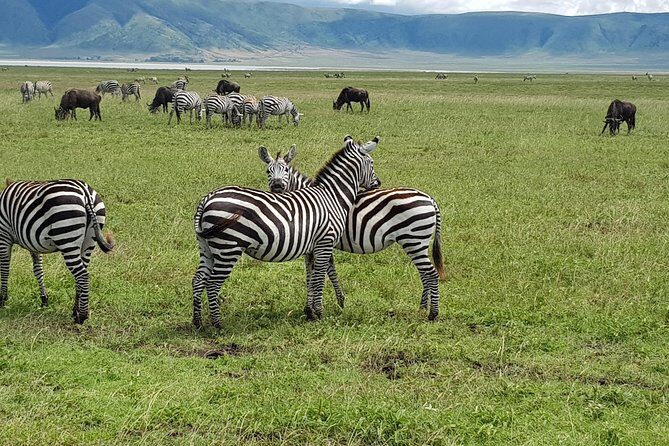
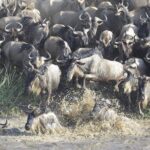
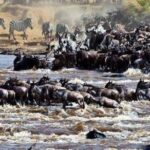
If you’ve ever seen photos of wildebeest plunging into the river, you already know the vibe. What you might not expect is how unpredictable it can feel from the ground—because herds don’t move on a movie schedule. This safari is designed around the seasonal pattern of the herds moving clockwise through the Serengeti–Masai Mara ecosystem, and your big goal is to be in the Mara River area when the crossing is happening.
That matters because the Mara River crossing isn’t just a pretty moment. It’s the result of grazing needs, herd behavior, and timing—plus lots of watching for signals: where the animals cluster, how they react to water edges, and how quickly the situation can shift. Having more than one day in the right area gives you more chances to catch what you came for, rather than banking everything on one morning.
You’ll also benefit from the way the route builds tension and release. You start with Tarangire to get into safari mode, then shift into Serengeti for the main migration chase. After that, you still get a big “wow” closer with Ngorongoro Crater game viewing, which gives your trip a second iconic wildlife setting to enjoy.
A few more Kilimanjaro tours and experiences worth a look
The Route: 6 Days That Actually Make Sense
This trip runs about six days, and it’s structured so you’re not constantly packing up. You’ll do full day game drives in Tarangire, then spend multiple days in Serengeti while heading toward the Mara River. On the final day you move to the Ngorongoro Conservation Area for crater viewing, then head back to Arusha for drop-off.
You also have meal coverage that supports long days outdoors. Breakfast and lunches are planned for game-drive rhythm, and you’ll have dinners at your camps—useful after hours in the vehicle when you want food and rest without thinking about it.
At a practical level, you should be ready for:
- early starts on key days (especially the Mara-area days and the crater day)
- full day time in the parks, not just short drives and photo stops
- a steady focus on wildlife spotting rather than “sightseeing for sightseeing’s sake”
The price is $3,606.16 per person, which is a serious commitment. The value angle here is that you get all fees and taxes included and the itinerary covers multiple parks, plus meals through the days listed. If you’re the type who wants your money to go toward time in wildlife zones, this setup is aligned with that goal.
Day 1: Tarangire National Park’s Elephant and Baobab Energy
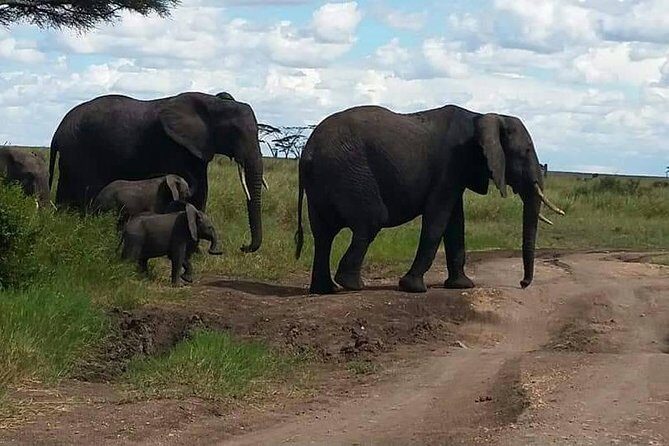
Your safari starts with pickup in or around Arusha (and the tour also lists Kilimanjaro International Airport as a meeting point). From there, you’ll drive about 2.5 hours to Tarangire National Park.
Tarangire is a strong “starter park” because it doesn’t rely on only one animal story. It’s known for:
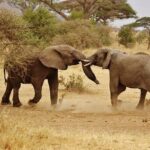
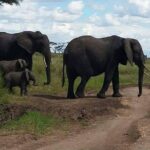
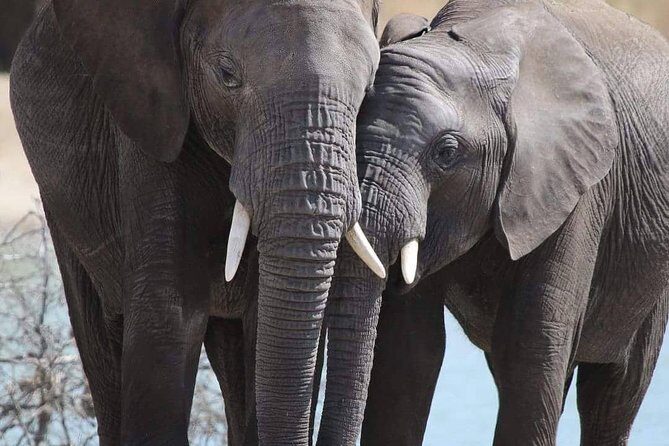
- large numbers of elephants
- the famous baobab trees
- tree climbing African pythons
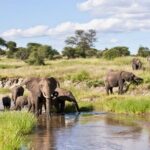
That combination is why I like beginning here. It gets you into a variety of wildlife situations quickly—some sightings are classic herd moments, while others are about spotting movement and stillness in the right place. If you’re lucky, you’ll catch that rare-feeling moment involving the pythons. Even if you don’t, Tarangire tends to keep your eyes busy, and that helps you lock into safari mode faster.
At the end of the park day, you exit and head to Sangaiwe Tented Lodge. You get a chance to cool off with a pool break, which is a nice recovery tool after a long drive and big animal-watching day. This lodge stop also helps set expectations: you’re not switching to basic camping every night. The trip is built around comfort so you can handle dawn time later.
Day 2: Serengeti Arrival Via Ngorongoro Conservation Area
On day two, you shift to Serengeti National Park. After early breakfast, you depart with a packed lunch and drive via the Ngorongoro Conservation Area to reach Serengeti.
What I like about this day is that it’s not an awkward “half day.” You’re scheduled for game driving all afternoon after your lunch break. Serengeti’s main job in this itinerary is the migration itself, and the plan is built around the movement of about 1.5 million herbivores with the herds and their followers.
You overnight at Tanzania Bush Camp in central Serengeti. Central Serengeti is often a good place to build momentum because it supports wide-ranging spotting—plus it gives you a comfortable base before you start pushing farther north toward Mara River territory.
Day 3: First Mara River Chase and the Night-Sound Factor
Day three is where the energy spikes. You’ll do another full day game drive in Serengeti while heading north in pursuit of the migrating animals. Then you move into the Mara River area with the explicit goal of witnessing the crossing.
This is a key difference between “seeing the migration” and trying for the crossing. You’re not just driving around grasslands and hoping. You’re positioning for the river moment, where timing and animal behavior matter.
In the evening, you head to Tanzania Bush Camp in northern Serengeti. Dinner is followed by relaxing campfire time while you listen to the sounds of the African bush. Even if you don’t think of yourself as a “campfire person,” I’ll tell you why this is useful: after a full day of scanning the horizon, your brain needs an off-switch. Camp time helps you reset so you can go again the next day.

Day 4: A Second Shot at the Mara River Crossing
Day four keeps you in the Mara River game-drive rhythm. After breakfast, you head out for a full day of viewing along the Mara River, specifically with high chances of witnessing the crossing.
Here’s the practical value: wildlife timing can change quickly. If conditions aren’t right one day, the chances improve on a second day. And even when the crossing itself doesn’t happen at the exact time you want, being there for repeated “build-up” moments can be almost as memorable: watching herds gather, watching how they react to river edges, and watching the whole area shift from grazing to urgency.
You return to the Tanzania Bush Camp for dinner and overnight back in the northern Serengeti area. That repeat base is another smart move for your comfort. You’re not losing energy every evening to constant relocation.
Day 5: Leaving the Mara Area Back Toward Central Serengeti
On day five, the plan transitions away from the Mara River area. After breakfast, you drive back toward central Serengeti with lunch boxes, and you keep doing game viewing along the way.
This is the day I’d describe as the “you might get rewarded for staying patient” stretch. By now, you’ve spent time tracking migration movement. You’ve seen how herds behave when they’re clustered, and how they spread out again. Driving back with game en route means you’re not turning your day into travel time only—you keep the scanning going.
The day ends with a Serengeti sunset moment and dinner in the middle of the park. That’s a different kind of wildlife experience than dawn drives. Instead of rushing toward the next animal sighting, you get that slow-burn feeling of the plains changing light.
Day 6: Ngorongoro Crater Game Viewing, Then Back to Arusha
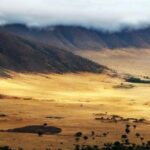
Your last day starts very early. You exit Serengeti and drive to the Ngorongoro Conservation Area. Then you descend into the crater for game viewing and later ascend, exit the park, and drive back to Arusha for drop-off.
Crater game viewing is a classic finishing move because it feels like a different ecological stage. You get the “from above” drama of reaching the crater edge, then the “from inside” experience as you spend time looking for animals within the crater setting.
After the crater day, drop-off is either to your prebooked hotel or to Kilimanjaro International Airport so you can catch your flight back home.
One timing note: because this is an early start day, pack like you’ll be moving fast. You don’t want to be hunting for a charger, a lens cap, or water bottle in the dark.
Price and Value: What $3,606.16 Buys You
Let’s talk value in the real-world way—what’s included, and what you’ll still handle yourself.
Included:
- All fees and taxes
- Breakfast (5), Lunch (6), Dinner (5)
- Park admission is listed as free on the days noted in the itinerary
- Pickup offered
- A private setup where only your group participates
Not included:
- Tips
That’s the big story with this price point. Many safari costs get padded by separate park fees, guide fees, and entry tickets. Here, the fee structure is covered up front. You’re paying for a route that moves through Tarangire, Serengeti (with Mara River chasing), and Ngorongoro Crater, with meals built in so you can stay focused on wildlife rather than logistics.
The booking lead time is also worth noting. This tour is commonly booked about 151 days in advance. For a migration-focused safari, that’s a clue that timing matters and spots go early. If you have your heart set on a specific travel window, start planning sooner rather than later.
What the Private Format Changes for You
This is a private tour/activity, meaning only your group participates. That may sound like a luxury detail, but it can affect your day-to-day experience.
With a private setup, you’re more likely to get:
- a pace that matches your group’s attention span and energy
- flexibility when your guide is trying to position for wildlife sightings (within the constraints of the parks)
- a less “everyone stare in the same direction at once” vibe
It can also help if you’re traveling with friends or family who want more control over the day’s rhythm—like extra time scanning for movement near the Mara River area, or asking more questions without feeling rushed.
Who This Safari Fits Best
This tour is a good match if you:
- want a migration-focused safari with multiple Mara River days
- like having a structured route that still leaves room for wildlife surprises
- want good comfort at night, not just basic overnight setups (the lodge/camp style is part of the plan)
- are okay with long days and early starts (moderate physical fitness is noted)
You might want to think twice if you:
- hate long drive days or get impatient with wildlife waiting
- need a super flexible schedule because nature timing and weather can influence results
Should You Book This Mara River Crossing Safari?
I think it’s a strong booking choice if your top goal is the Great Migration and you’re willing to invest in a route that actually targets the river crossing zone with repeat attempts. The combination of Tarangire (elephants and baobabs), multiple Serengeti days oriented toward the Mara River, and a final Ngorongoro Crater day gives you more than one big “signature” wildlife setting.
Book it if:
- you want value through included fees and meals
- you prefer a private group setup
- you’re traveling with enough patience to enjoy the waiting game
Hold off or ask more questions if:
- you’re traveling during a period where weather worries you
- your group struggles with early starts and long days
FAQ
How long is the Mara River crossing safari?
The tour duration is listed as 6 days (approx.).
What parks are included in this safari?
You’ll visit Tarangire National Park, Serengeti National Park, and the Ngorongoro Conservation Area for game viewing in Ngorongoro Crater.
Does the tour include pickup and drop-off?
Pickup is offered, and the plan also includes drop-off back to Arusha either to your prebooked hotel or to Kilimanjaro International Airport.
What meals are included?
Breakfast is included 5 times, lunch is included 6 times, and dinner is included 5 times.
Are park fees and admission tickets included?
All fees and taxes are included, and admission tickets are listed as free for the park days in the itinerary.
Are tips included in the tour price?
No. Tips are not included.
Is this tour private or shared?
It’s a private tour/activity, so only your group participates.
What happens if the weather is poor?
The experience requires good weather. If it’s canceled due to poor weather, you’ll be offered a different date or a full refund. If you cancel for other reasons, it’s non-refundable and can’t be changed.