REVIEW · KILIMANJARO
Great Migration Safari In Tanzania
Book on Viator →Operated by Savannah Explorers · Bookable on Viator
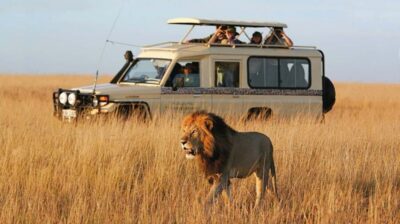
Safari timing is everything, and so is your guide. This Kilimanjaro-area safari is built around the Great Migration in Northern Serengeti, plus the classic Tanzania stops of Tarangire and Ngorongoro. I especially like the private 4×4 Land Rover or Toyota Land Cruiser setup, because it gives your guide real flexibility to position you for sightings.
I also like that the operator calls it 100% tailor made, so you’re not stuck with some rigid, one-size-fits-all idea of where you’ll be each day. In the past, guides such as Thomas, Ismail, Jackson, Evarest, Sultan, Agustin, Kisamo, and Samwel Mangulai have been singled out for professionalism and good on-the-spot decision-making. The one possible drawback: if your travel dates are outside the July–October window, the migration sightings can be less dramatic, since the herd timing shifts by season.
In This Review
- Key highlights worth knowing upfront
- A 7-day Great Migration plan that doesn’t waste time
- Starting in Karatu: quick reset after landing
- Tarangire National Park: elephants and baobabs with picnic lunch
- Chasing the Great Migration: Lobo, Bologonya, and Mara in Northern Serengeti
- Serengeti Central: predators, big plains, and feline chances
- Ngorongoro Crater: one descent, huge animal density
- Vehicles, private guiding, and what you actually get for your money
- Price and value: $3,900 per person, what you’re buying
- When the migration shows up: plan around July to October
- Who should book this safari (and who might not)
- Should you book the Great Migration Safari with Savannah Explorers?
- FAQ
- FAQ
- Where does this safari start and end?
- Is it a private safari or a shared group?
- Which parks are included in the 7-day route?
- What vehicle do you use for game drives?
- When is the Great Migration most likely on this itinerary?
- Is pickup from Kilimanjaro Airport included?
Key highlights worth knowing upfront
Serengeti North route for July–October migration timing focused on herds aggregating before the Mara River crossing area
Multiple ecosystems in 7 days: Tarangire, Northern Serengeti, Central Serengeti, and Ngorongoro Crater
Private game drives in a 4×4 Land Rover or Toyota Land Cruiser so your guide can adjust the plan
Lodge/tented-camp pacing built around long wildlife drives rather than constant hotel hopping
Known-for-the-details guiding with praise for guides like Thomas, Ismail, Jackson, Sultan, and Evarest
Park entry handled for the main safari days plus picnic lunches on the key driving days
A 7-day Great Migration plan that doesn’t waste time
Let’s be honest: most safari regrets come from one thing—time. You show up, you lose daylight getting from A to B, and then the best animals are moving while you’re still stuck in traffic. This itinerary is built to keep you in the game-drive rhythm most of the trip, with real chunks of time in Tarangire, then two full-focused days tied to Northern Serengeti, then a day in Central Serengeti for broader predator chances and big-Migration “movement” energy.
You also start and end in the same general area. You’re picked up at Kilimanjaro Airport and moved to Karatu for the first overnight, then returned to the airport area at the end. That matters. It reduces the “where is the meeting point again?” stress and keeps your logistics simple.
A few more Kilimanjaro tours and experiences worth a look
Starting in Karatu: quick reset after landing
Day 1 is straightforward. You land at Kilimanjaro Airport, and you’re transferred to Karatu (about 2 hours) for the first night. If you have time, there’s an optional stop at a local market on the way; otherwise you’re not forced to rush.
This is a good way to start because it gives you a buffer. Safaris are long days. You don’t want your first wildlife drive to be powered by jet lag and bad timing. Karatu also puts you in the right launching point for the parks you’ll hit next.
Practical tip: if you care about photos, get your camera gear ready during the transfer. Once the game-drive starts, your hands will be busy and lighting changes fast.
Tarangire National Park: elephants and baobabs with picnic lunch
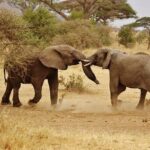
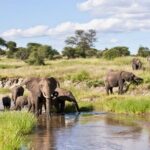
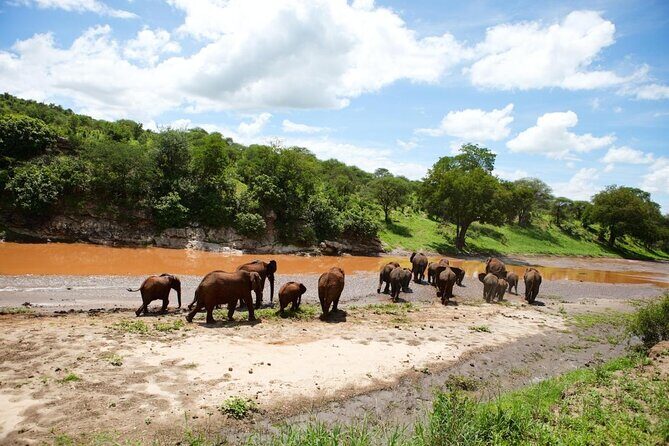
On Day 2, you drive from Karatu to Tarangire National Park (about 1 hour), then go out for a game drive with a picnic lunch. Tarangire is famous for large elephant herds, big baobab trees, and a strong predator presence. That combination is why this stop works early in the safari: it’s a high-energy introduction, with plenty of scenery and animal variety.
The elephant herds here are the kind of wildlife you can picture later when you’re back home. You also get that Tarangire look—open plains mixed with dramatic tree silhouettes—so even days when the big cat action is quiet, you still come away with images and moments that feel “Tanzania” at its most classic.
One caution: game drives are slower than you think, and the viewing windows depend on what animals are doing. If you’re prone to getting antsy, it helps to treat this day as the warm-up act. You’ll find a steadier pace once you’re deep into Serengeti.
Chasing the Great Migration: Lobo, Bologonya, and Mara in Northern Serengeti
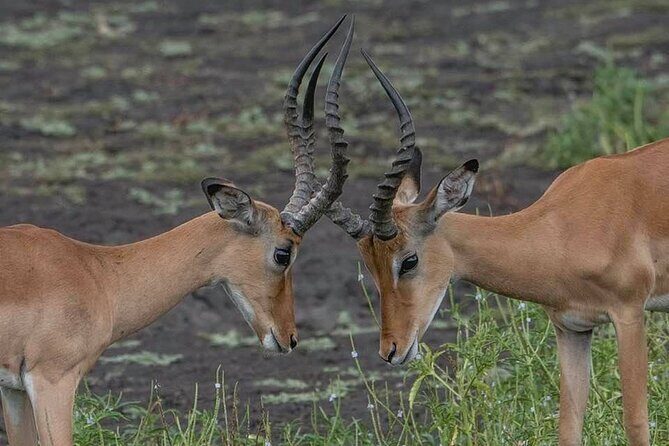
Days 3 and 4 are the core of the Great Migration focus. After breakfast you move from Karatu through the Ngorongoro Conservation Area and head into Northern Serengeti—aiming for Lobo, Bologonya, and Mara regions.
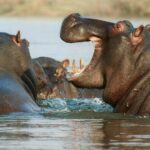
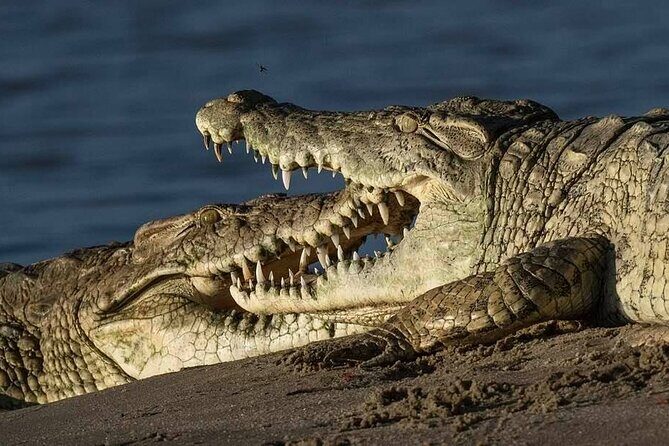
Here’s the key detail you should plan around: the itinerary specifically points to Great Migration sightings during summer (July to October). In that period, the herds move north and aggregate before the Mara River crossing area, where you get the drama of crocodiles in the mix. This is why the route is structured around the northern zones. The objective isn’t vague “see some wildebeest.” It’s to be in the right neighborhood for the movement pattern.
Day 3 gives you an 8-hour game-drive day, and Day 4 stretches longer (10 hours) with another Northern Serengeti session. That extra time helps. When animals are moving in long lines, the difference between a short drive and a longer one can be the difference between seeing a herd “in transit” and seeing them gather and react.
What I like about this approach: it respects how unpredictable wildlife can be while still giving you a strong migration-target strategy. Your guide is doing positioning work all day, and you’re not just hoping for luck from the roadside.
Serengeti Central: predators, big plains, and feline chances
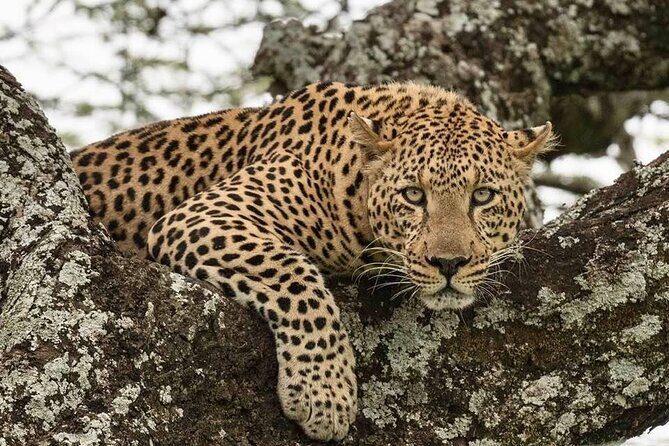
On Day 5 you shift from the northern regions (Lobo/Bologonya/Mara) over toward Serengeti Central. After a transfer of about 3 hours, you’re back out for a long game-drive day (10 hours).
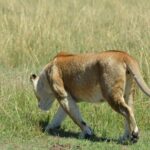
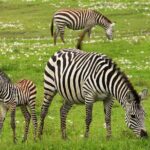
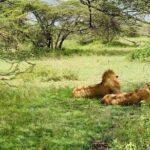
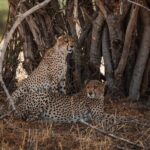
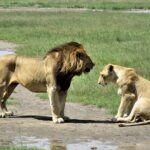
The itinerary frames Central Serengeti as the place where the Great Migration moves through rivers and open plain areas, and it also notes that this is where you tend to get strong predator chances—especially for felines. If you’re the kind of person who wants more than wildebeest (I know you are), this is the day that helps balance the “herd spectacle” with the more stop-and-stare drama of hunting behavior.
This is also where you may appreciate the raw scale of Serengeti more. You’re not looking at a zoo-style enclosure. You’re driving across a huge system, so you get long sight lines, changing lighting, and the feeling that the animals could turn up anywhere. It’s a good day to keep your snacks and water topped up because you’ll likely spend less time thinking about logistics and more time tracking movement.

Ngorongoro Crater: one descent, huge animal density
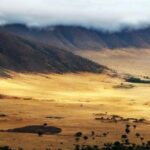
Day 6 is a classic Tanzania highlight: you drive from Serengeti to the Ngorongoro Conservation Area (about 2 hours), then descend into the Ngorongoro Crater for a game drive with a picnic lunch. The crater is known for high wildlife density, which is exactly what you want after several long Serengeti days.
Why this is a smart pacing choice: you’ve spent time covering wide ground searching for the migration rhythm. Then you get a concentrated “wow” day where many animals live close together, and your chances of seeing something major remain strong even if the migration is quiet at that moment.
It’s also notable that the conservation area includes Maasai communities and livestock alongside wildlife. You’re seeing a living landscape and a working system, not just a protected “no people allowed” set piece.
Vehicles, private guiding, and what you actually get for your money
This is a private safari. That word matters. With only your group in the vehicle, your guide can set the pace and adjust the stops without compromising for other people’s schedules. You’re also in a 4×4 Land Rover or Toyota Land Cruiser, which is the standard tool for staying comfortable on uneven tracks and getting to the right viewing areas.
In the reviews, guides were praised by name—Thomas and Ismail show up as professionals who made guests feel safe and happy, and Jackson is mentioned for strong results on a tight schedule. Sultan and Evarest are praised for the ability to work with expectations and still deliver good sightings. Even when people come from different countries and languages, the recurring theme is that the guide’s job is more than spotting animals. It’s reading the situation, managing time, and making decisions in real conditions.
Practical note for you: when the guide stops, get ready fast. The moment you see that herd reaction—heads up, legs shifting—you want to be focused and steady, not rummaging for the lens.
Price and value: $3,900 per person, what you’re buying
At $3,900 per person for about 7 days, this safari isn’t built for bargain hunters. So don’t judge it like a budget tour. Judge it like a logistics-and-experience purchase: private driving, a dedicated professional guide, and major wildlife areas packed into one route.
Here’s the value logic I see:
- You’re covering multiple prime parks (Tarangire, Northern Serengeti, Central Serengeti, Ngorongoro Crater) instead of repeating the same environment.
- You’re traveling in a proper safari vehicle and using long game-drive blocks instead of short “drive-by” sessions.
- Picnic lunches are built into the schedule on key park days, which reduces downtime.
- The operator also flags park admissions as handled for the main days, so you aren’t stuck doing last-minute budgeting mid-safari.
One thing to weigh: “tailor made” is good, but it can also mean your exact route depends on conditions and timing. If you have very strict must-see priorities and travel during shoulder seasons, you may want to have a clear conversation about what success looks like for migration sightings in your dates.
Also, if flexibility matters to you, note that this experience is listed as non-refundable and non-changeable once booked. That’s not a deal-breaker for everyone, but it’s a real factor to consider before you lock in.
When the migration shows up: plan around July to October
This itinerary’s migration timing is clearly tied to July to October. That’s when the herds are described as moving north and aggregating in Northern Serengeti before the Mara River crossing area.
If you’re traveling in that window, you’re aiming for the best match between your dates and the behavior pattern the route is designed around. If you’re traveling outside that window, I’d treat the Great Migration as “possible but not guaranteed.” You’ll still get Serengeti wildlife and predator action, but the specific big migration moments may not line up the same way.
For planning sanity: tell your guide your expectations upfront. Ask how they’re structuring the route for your month, not just the safari name. A good guide can explain the tradeoffs in plain language.
Who should book this safari (and who might not)
This Great Migration Safari fits best if you want:
- Private time with a professional guide and dedicated 4×4 driving
- A route built around Northern Serengeti migration timing
- Classic Tanzania diversity: elephants and baobabs (Tarangire), predator-rich drives (Serengeti), and the crater “density” day (Ngorongoro)
You might think twice if:
- Your dates fall outside July–October and you’re only happy with a dramatic crossing moment
- You need a trip you can easily modify if plans change, since this one is listed as non-refundable and non-changeable
Should you book the Great Migration Safari with Savannah Explorers?
If your dates align with July to October, and you want a private, high-effort route that targets migration while still delivering predators and crater wildlife, I think this is a strong pick. The repeated praise for guides like Thomas, Ismail, Jackson, Sultan, and others is a good signal that the human part of the safari is taken seriously—not just the vehicle and the parks.
My practical advice: book it if you can commit and you’re excited about long game drives and real wildlife unpredictability. Skip it (or choose carefully) if you need maximum scheduling flexibility or you’re aiming for a specific migration moment outside the described seasonal window.
FAQ
FAQ
Where does this safari start and end?
It starts at Kilimanjaro Airport and ends back at the meeting point area.
Is it a private safari or a shared group?
It’s private, meaning only your group participates.
Which parks are included in the 7-day route?
You visit Tarangire National Park, Serengeti (North and Central), and Ngorongoro Crater/Conservation Area.
What vehicle do you use for game drives?
You’ll use a 4×4 Land Rover or Toyota Land Cruiser.
When is the Great Migration most likely on this itinerary?
The plan targets Great Migration during July to October, when herds move north and aggregate before the Mara River crossing area.
Is pickup from Kilimanjaro Airport included?
Yes. Pickup is offered, and the transfer begins at Kilimanjaro Airport (with an approximately 7:00 am start time listed).