REVIEW · KILIMANJARO
5 days Serengeti Wildebeest Migration Safari
Book on Viator →Operated by KITONGA TOURS AND SAFARIS CO.LIMITED · Bookable on Viator
This is the kind of safari where timing matters, and you can feel it in every drive. I like how the route is built around wildebeest migration movements across the Serengeti, with extra chances to find predators when light is best. I also love the extra-world feel of sleeping close to the action in the heart of the Serengeti and waking up for a sunrise drive.
One thing to keep in mind: migration location changes, so days can feel a bit “follow the animals” rather than perfectly predictable sightseeing on a fixed schedule.
In This Review
- What I like most about this 5-day migration route
- A practical drawback to plan around
- Quick highlights before you go
- The big idea: following migration instead of chasing a checklist
- Day 1: Tarangire or Lake Manyara start, plus Mto Wa Mbu color
- Day 2: Serengeti National Park first full day, with night in the park area
- Day 3: Sunrise predator drive (and the balloon option if you want to splurge)
- Day 4: Loop back through Serengeti toward Ngorongoro, for a second migration look
- Day 5: Ngorongoro crater’s concentration moment, then on to Arusha
- Price and what you actually get for $3,550 per person
- Private safari comfort: who this is best for
- What the operator’s style signals about your trip
- Practical tips that will help your eyes and your body
- Should you book this Serengeti wildebeest migration safari?
- FAQ
- Where is the pickup or start point for this safari?
- How long is the safari?
- Is this safari private?
- What game drive style is included?
- Are park fees and meals included?
- What is not included in the price?
What I like most about this 5-day migration route
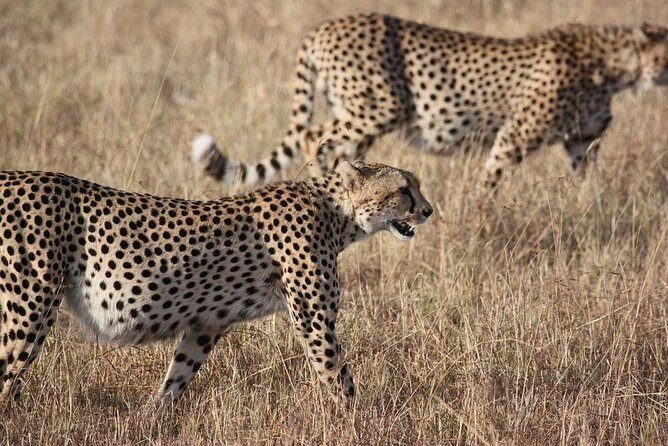
First, the early starts are not an afterthought. Sunrise game viewing is set up to help you catch predators at active hours, plus you might see wildebeest and zebra movement when mornings are cooler and calmer.
Second, the day-to-day pacing makes sense. You get a full day in Serengeti for daytime viewing, then a second Serengeti day that leans into predator hunting style driving, before you finish with the crater’s concentration of wildlife.
A practical drawback to plan around
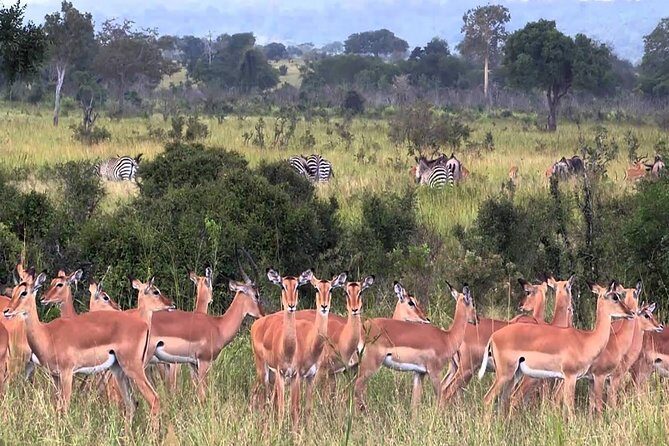
Because the safari focuses on animal movement, you should expect some long drives between parks. You’ll also want to be comfortable with basic safari downtime (waiting for sightings, repositioning for herds), because this is how you maximize chances of seeing the right animals.
A few more Kilimanjaro tours and experiences worth a look
Quick highlights before you go
- Private game drives with an English-speaking driver guide for your group only
- Two different Serengeti-focused days, including a dawn predator-friendly sunrise drive
- Optional sunrise hot air balloon safari with champagne breakfast (ask your expert)
- Tarangire or Lake Manyara start option, then a migration-centered Serengeti stretch
- Ngorongoro crater finale with a panoramic viewpoint and a chance at black rhinoceros and hippos
The big idea: following migration instead of chasing a checklist
This safari is designed less like a rigid itinerary and more like a guided chase of the wildebeest story. The payoff is that you’re not just ticking off parks; you’re watching how animals respond to grass, water, and timing. That focus is what makes the Serengeti feel alive on the days you are actually in the right area.
You’ll also notice a smart rhythm: daytime drives for general sightings, then a pre-dawn push when predators and prey both behave differently. If you’ve ever looked at safari photos and wondered why some images look like the animals were caught mid-action, it’s usually because the light was right and the timing was right.
Day 1: Tarangire or Lake Manyara start, plus Mto Wa Mbu color
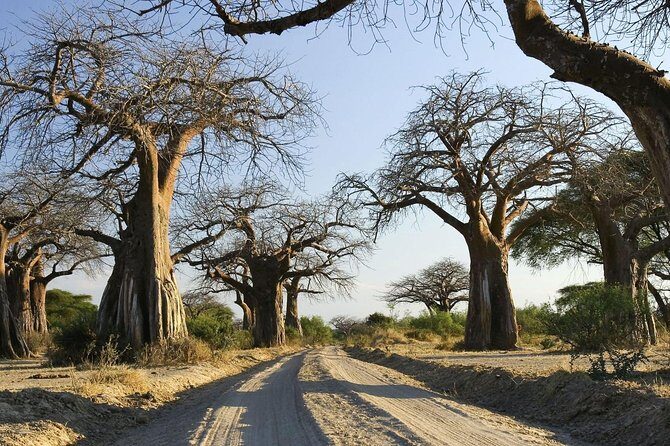
Your safari kicks off with either Tarangire National Park or Lake Manyara National Park. Either way, day one is about getting your bearings and getting into Tanzania’s rhythm—big open space, wildlife opportunities, and local life along the way.
If you start in Tarangire, the drive is about two hours after breakfast, and the route includes passing through the market town of Mto Wa Mbu. That stop matters because it gives you a real sense of what sits outside the fence line of safari life. You can browse fresh produce, people-watch, and pick up simple souvenirs without turning it into a forced “shopping mission.”
What to watch for: this day is also your first chance to spot wildlife en route in the rainforests of the broader region when you move toward later areas. The plan keeps your energy up by sandwiching travel with meals and a proper park day rather than making this a pure transit day.
Day 2: Serengeti National Park first full day, with night in the park area
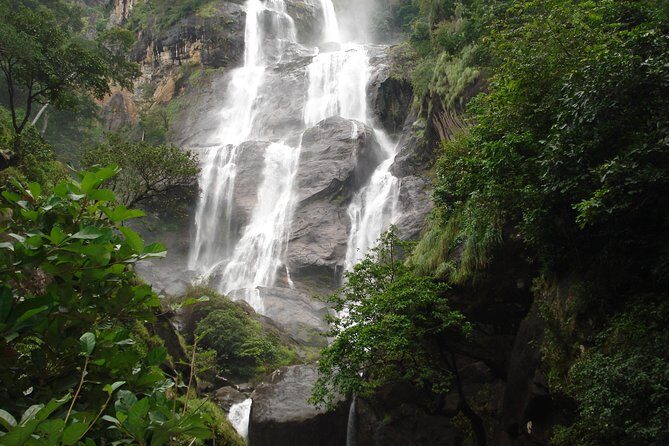
After an early breakfast, you drive toward Serengeti National Park. The route includes a stretch through mist-shrouded rainforests within the Ngorongoro Conservation Area, where you might spot animals like cape buffalo, baboons, or even elephants and leopards in dense undergrowth.
Once you’re inside the Serengeti, the goal becomes simple: see the famous savannah and see a lot of it. You’ll have lunch at the picnic area, then you move into game viewing in the park itself. This is the day where you’ll likely notice how varied the Serengeti can feel, even from one direction to the next—grasslands, moving herds, and predator activity when the timing is right.
You finish with dinner and an overnight in the heart of the Serengeti, based on the accommodation type you requested. One of the strongest reasons to care about this part: sleeping in the park area can make the whole place feel closer and more real, especially at night when you might hear animals moving nearby.
A few more Kilimanjaro tours and experiences worth a look
Day 3: Sunrise predator drive (and the balloon option if you want to splurge)
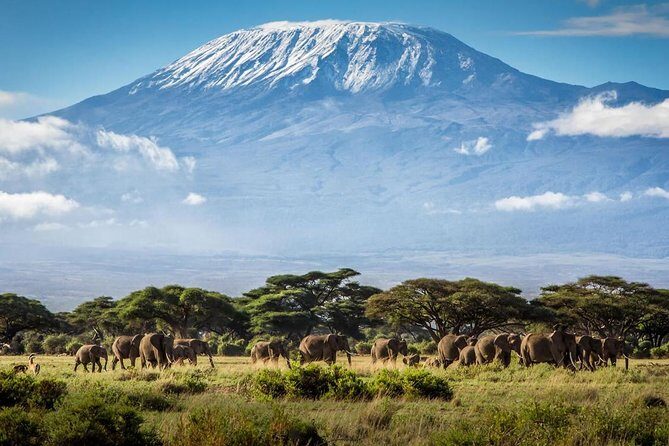
Day three is built around a classic safari move: wake before dawn and go out on a sunrise game drive. The advantage is not just the view—it’s the behavior. Predators often use cooler temperatures and low light to hunt, and herbivores can be more active as the day begins.
This is also the morning where you have one more shot at migration-related movement. The plan specifically calls out chances to see wildebeest, zebra, and other herbivores as they reposition at early hours. If you’re the type who wants one trip that covers both big-picture wildlife and smaller “watch how it happens” moments, this is the day that does it.
There’s also a genuine add-on option: a sunrise hot air balloon safari with a champagne breakfast. The key word here is optional. If you’re curious, talk to your safari expert ahead of time so it fits your overall schedule rather than turning the day into chaos.
After the drive, you return to your lodge for a late breakfast, then freshen up. You’ll head back out again with a picnic lunch before the next stretch of driving.
Day 4: Loop back through Serengeti toward Ngorongoro, for a second migration look
This is the day where the safari strategy shows itself: you don’t just do Serengeti once. You start heading toward the Ngorongoro Conservation Area, then you drive back through the Serengeti on a different route to look for animals you may have missed.
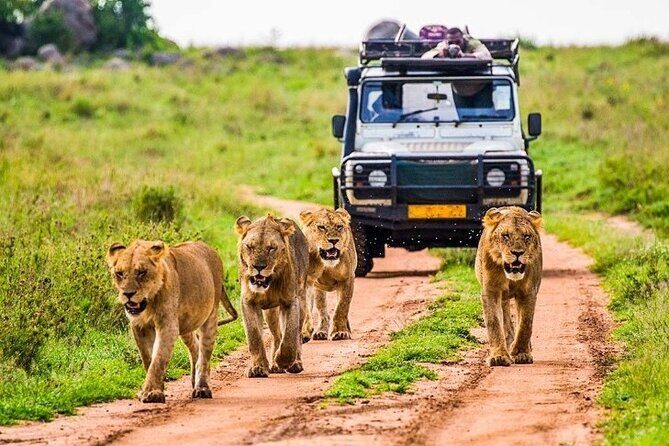
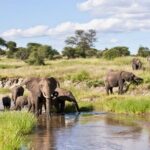
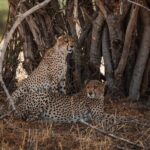
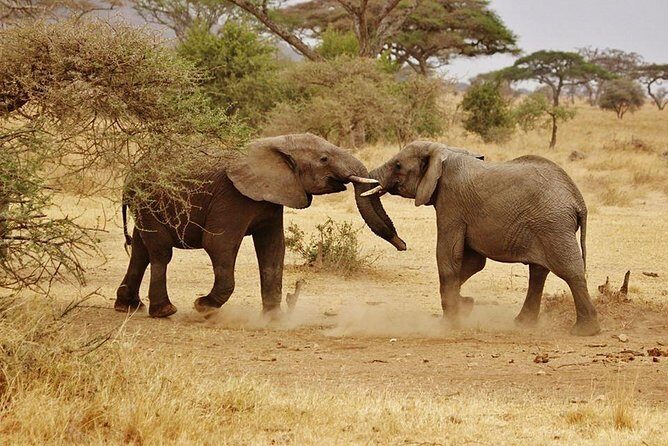
The plan calls out a real herd-scale feel—thousands upon thousands of animals, including wildebeest and zebras moving together. You’ll also be on the lookout for giraffes, gazelles, antelopes, elephants, and then, the main event: predators. You might spot cheetahs, leopards, hyenas foraging, and lions.
A useful mindset: treat this as a second viewing day with a different set of chances. If day two gave you “what’s happening,” day four often gives you “what you didn’t yet see.”
At the end of the day, you sleep either on the rim of the Ngorongoro crater or in nearby Karatu Town, depending on the accommodation standard you selected. That choice can affect the vibe of your morning—rim stays typically feel more dramatic—but either way you’re positioned for an early crater experience.
Day 5: Ngorongoro crater’s concentration moment, then on to Arusha
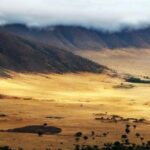
Your final morning starts with a departure toward Ngorongoro Crater National Park. The plan sets you up for the classic first view from a panoramic viewpoint. When you see that caldera from above, it changes the way you understand the word “concentration”—wildlife density is the whole idea here.
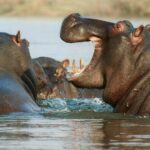
Inside the crater, the tour highlights some major draws: over 120 species of mammal, the possibility of Big Five sightings, and specific mentions of endangered black rhinoceros and hippopotamus. Predators are also part of the promise: lions, leopards, cheetahs, jackals, and hyenas.
After breakfast and crater time, you depart for Arusha. This is a good finish because Arusha is often the practical base for getting flights and handling logistics afterward.
Price and what you actually get for $3,550 per person
At $3,550 per person, this is not a budget safari. But the “value” question is really about what’s included versus what you’d otherwise pay on your own.
In this package, you get:
- All fees and taxes (and the park fees are covered)
- An experienced English-speaking driver guide and private game drives
- Transfers and accommodations
- All listed meals: 5 breakfasts, 5 lunches, 5 dinners
- WiFi on board
- Meet-and-greet services
That matters because Serengeti and Ngorongoro costs add up quickly once you factor in park entry, guide time, and transport between zones. A private guide also tends to mean fewer compromises—you can ask questions, adjust pacing based on what you’re seeing, and keep your group’s comfort in mind.
One thing to check before you book: make sure you’re comfortable with not having a fixed “one herd, one exact spot” promise. The migration is living, moving, and sometimes the best call is to go where the animals are right now.
Private safari comfort: who this is best for
This is built as a private tour, meaning only your group participates. If you’re traveling as a couple, with friends, or as a small group, that privacy often makes the experience feel more relaxed—especially during long park days when you’re waiting for sightings.
It also fits well if you want:
- More control over pacing and comfort
- Better odds of meaningful wildlife time (because the guide can focus)
- Real sunrise viewing rather than a rushed early departure
If you prefer constant structure with zero flexibility, a migration-centered route may feel a little too dynamic. But if you like the idea that the safari follows animal behavior, not a script, you’ll probably feel at home here.
What the operator’s style signals about your trip
The name behind this experience is KITONGA TOURS AND SAFARIS CO.LIMITED. Based on feedback tied to this safari style, the company seems to focus on smooth communication and on-the-ground care.
One detail that stuck with me from the provided notes: the owner Gerald is described as taking time to meet visitors on arrival and check that things are going well. Another repeat theme is how competent and friendly the guide experience can feel, plus the memorable quality of sleeping inside the park area where you might hear animals moving nearby. That combination—good organization plus a guide who knows how to run a day—tends to be what separates a “saw animals” trip from a “this is the one I’ll remember” trip.
Practical tips that will help your eyes and your body
Safari days can be long, and visibility can swing fast—so it pays to prepare like you’re going out twice a day (which you effectively are).
- Bring sunglasses, a hat, and sunscreen for the morning and late afternoon drives
- Wear layers you can adjust; early starts can feel cooler, then warm up
- Consider binoculars if you have them; if not, ask your guide what you can realistically expect at dawn and mid-day
- Plan to be patient during repositioning; migration safaris run on animal movement, not traffic luck
Also, double-check what kind of accommodation standard you requested. The itinerary says your lodge situation depends on accommodation options, and that choice affects comfort level and how you experience the “sleep close to the wildlife” factor.
Should you book this Serengeti wildebeest migration safari?
If your priority is seeing the wildebeest migration as a moving event—and you’re okay with some driving and flexible timing—this is a strong match. The combination of two Serengeti-focused days, a sunrise predator drive, and a crater finale gives you both variety and intensity.
Book it if you want:
- A private experience with an English-speaking guide
- Migration-centered game viewing over a simple highlights tour
- The chance to finish with Ngorongoro’s wildlife concentration
I’d hesitate if you’re hunting for a strictly predictable schedule with minimal driving. Migration safaris trade certainty for possibility, and that’s exactly what makes them worth it when you get it right.
FAQ
Where is the pickup or start point for this safari?
The ticket redemption point is Moshi Urban, Tanzania, and pickup is offered.
How long is the safari?
It runs for 5 days (approx.).
Is this safari private?
Yes. It is listed as a private tour/activity, so only your group participates.
What game drive style is included?
The package includes private game drives with an experienced English speaking driver guide.
Are park fees and meals included?
Yes. The tour includes all fees and taxes, and meals listed are 5 breakfasts, 5 lunches, and 5 dinners. WiFi on board is also included.
What is not included in the price?
Not included items are visas and any flight airport tax, travel/medical/baggage insurance, driver guide gratuities, drinks/laundry (unless specified), dining rooms tips, porter age, and the telephone bill.