REVIEW · KILIMANJARO
6 Days Tanzania Classic Safari
Book on Viator →Operated by Gilmag Safaris · Bookable on Viator
Six days in Tanzania and you’ll feel it in your bones. This lodge-and-tented-camp safari covers the Northern Safari Circuit with a big mix: forest monkeys, lions in odd places, and serious numbers of animals in some seriously different settings.
I like how the trip keeps you moving between Tarangire, Ngorongoro, Serengeti, and Lake Manyara instead of doing repeats. I also like that your days are built around long game drives with packed lunches, so you spend more time watching and less time worrying about logistics. One consideration: you’ll have early starts and long road days, including a dramatic morning descent at Ngorongoro, so plan for fatigue.
A quick note on fit: it’s labeled a private safari for your group, and the route expects moderate physical readiness. If you dislike early mornings or long drives, this is the kind of trip that will test that.
In This Review
- Key highlights worth knowing before you go
- Entering the safari circuit from Arusha Coffee Lodge
- Tarangire National Park: baobabs, elephants, and that wild-dog maybe
- Ngorongoro crater day: 600 meters down for black rhino and flamingos
- Serengeti full-day game drives: chasing predators across habitats
- Karatu as a reset point: switching from Serengeti to Manyara rhythm
- Lake Manyara: flamingos, baboons, and tree-climbing lions
- Price and value: what $4,297 really buys you
- The guiding factor: why named people matter
- What to pack and how to survive the long days
- Should you book this 6-day Northern Circuit safari?
- FAQ
- How long is the 6 Days Tanzania Classic Safari?
- Which parks are included in this safari?
- Is pickup included?
- What meals are included during the trip?
- Are park entry fees included?
- Is unlimited drinking water provided?
- What’s not included in the safari price?
Key highlights worth knowing before you go
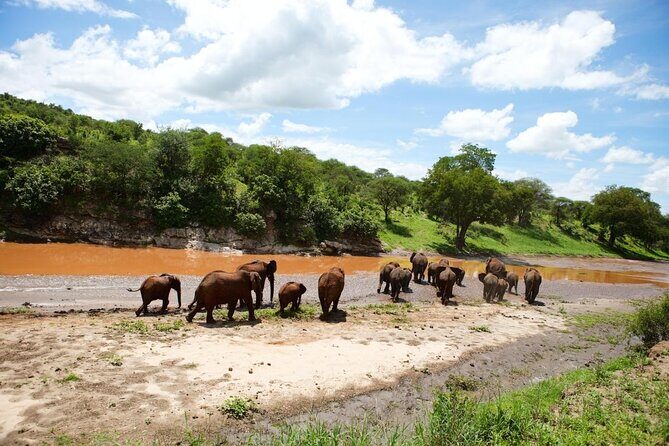
- Tarangire’s baobabs and elephant concentration make the first days feel instantly “Safari.”
- Ngorongoro’s 600-meter crater descent puts black rhino and flamingos in the same day plan.
- Serengeti full-day driving targets multiple habitats and predator-heavy sighting chances.
- Lake Manyara’s flamingo/soda-lake scene adds birds and baboons to the usual big-game mix.
- Guiding names show up again and again in the Gilmag Safaris experience—Eric, Gilbert, Nickson, Abu, and Chris.
Entering the safari circuit from Arusha Coffee Lodge
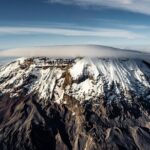
You land at Kilimanjaro International Airport and then the day turns practical fast. A Gilmag Safaris representative is set to meet you after you clear customs and immigration, and you’re driven into Arusha for dinner and overnight at Elewana Arusha Coffee Lodge.
That first evening matters more than you’d think. It’s not a sight-seeing day; it’s your buffer day for sleep, hydration, and getting your camera gear sorted. If you tend to arrive stressed, this kind of reset helps you enjoy the hard-core wildlife days that follow.
A few more Kilimanjaro tours and experiences worth a look
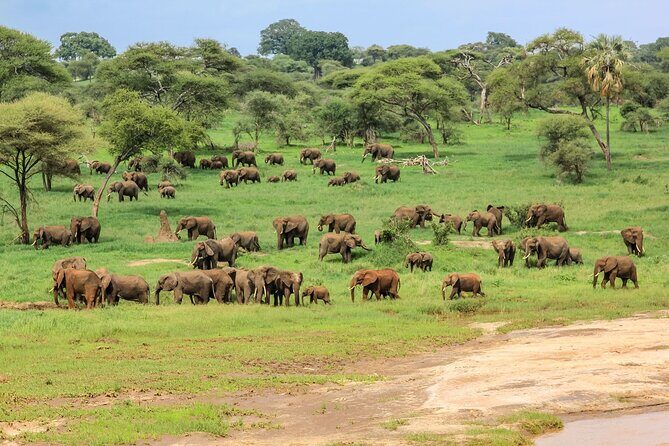
Tarangire National Park: baobabs, elephants, and that wild-dog maybe
Tarangire usually feels like a character from a wildlife documentary. You drive out from Arusha (about 125 km), take a break for a picnic lunch overlooking the Tarangire River, then settle into an afternoon game drive.
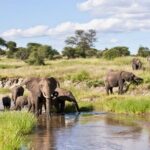
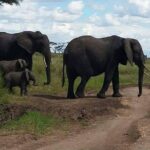
Here’s what makes Tarangire special in real life: those baobabs aren’t just scenic props—they shape how animals move and pause. The park is known for Tanzania’s largest concentration of elephants, and that elephant presence often changes the whole vibe of the drive. You’re not just spotting individuals; you’re watching behavior—feeding, crossing, calling out, and repeating routes.
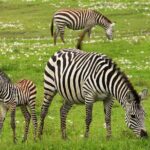
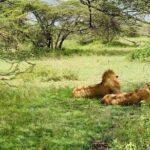
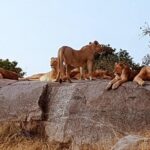
Expect the usual mix too: lions, zebras, warthogs, cheetahs, ostrich, plus other common sightings. If you’re lucky, you might catch the endangered wild dog. That’s not a guarantee, but Tarangire is one of the places where the chance feels real, not like a wish.
Potential drawback: Tarangire can also mean a lot of time on safari roads. If you get motion sick, plan for it. The good news is that the day structure includes breaks and a picnic meal so you aren’t stuck in the vehicle nonstop.
Ngorongoro crater day: 600 meters down for black rhino and flamingos
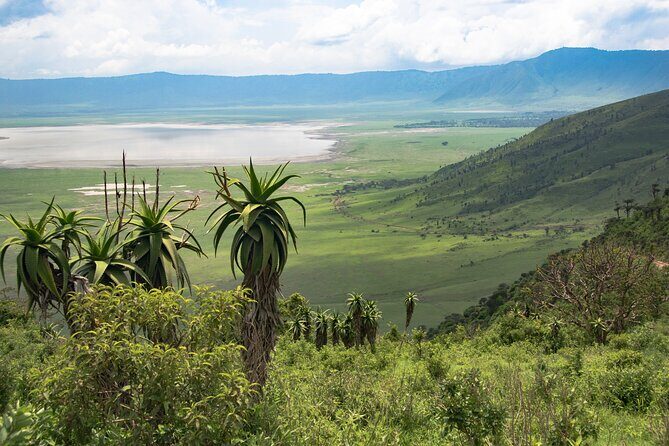
Ngorongoro is the day that turns a safari into a memory. You leave early—around 6:00 AM—then drive with lunch boxes to the Ngorongoro Conservation Area. From there, you descend about 600 meters into the crater and spend the bulk of the day on the crater floor.
This is one of those places where one stop gives you multiple “how is this even real?” moments. The area is famous for the chance to see the endangered black rhino, and Lake Magadi brings flamingos into the picture. Yes, it’s a crater. No, it doesn’t feel like a zoo. The animals are working the space the way they always have.
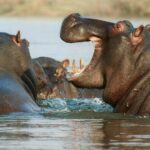
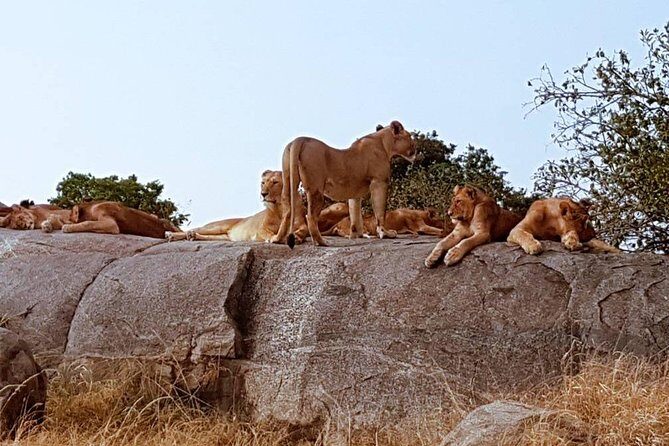
You’ll also likely encounter Thomson’s and Grant’s gazelles, warthogs, hippos, zebras, waterbucks, hyenas, and jackals. Lions may appear too—there’s even a possibility of lions sleeping near the vehicle for shade, which is both adorable and very “don’t move, you’ll ruin the scene” energy.
Later, around 3:00 PM, you ascend out of the crater, exit the park, and drive toward Central Serengeti for dinner and overnight at Kubu Kubu Tented Lodge.
One consideration: crater driving is intense. You’re in and out early, then you’re scanning constantly. Bring sun protection and keep your schedule mindset flexible—Ngorongoro rewards patience.
Serengeti full-day game drives: chasing predators across habitats
Serengeti is built for all-day focus. After breakfast, you head out with lunch boxes for a full day game drive meant to cover as much area as possible.
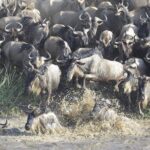
What I like here is the flexibility tied to timing. The wildebeest migration typically passes through certain areas in April, May, and November. If you’re traveling during one of those windows, the chances improve for seeing migration movement. If not, you still get a strong mix of resident wildlife.
The Seronera area is described as reachable to both the southern plains and toward the Mara River on the North, so you’re not locked into one narrow viewing style. You’re covering habitats that can include swamps, woodland, soda lakes, and the world-famous short grass plains.
Game-viewing targets remain consistent year-round: elephants, buffalo, gazelle, zebra, lions, plus predators and herbivores moving through the same camera-worthy zones. If you love seeing animals in sets—herds plus hunters plus scavengers—Serengeti is the place where your brain starts to connect patterns quickly.
Reality check: this day is long. Wildlife spotting is rarely linear, so you’ll get your most exciting moments after a lot of waiting. That waiting is part of the experience. It’s when the guide starts reading tracks, terrain, and behavior.
Karatu as a reset point: switching from Serengeti to Manyara rhythm
Not every day is a full-park marathon, and that’s a good thing. On day five, you do an early breakfast, then you’re back for a half-day game viewing plan in Serengeti. In the afternoon, you exit the park and drive to Karatu via the Ngorongoro Conservation Area.
You arrive at Kitela Lodge for dinner and overnight.
This Karatu stop gives your body a moment to catch up. It’s also helpful if you’ve got travel energy that runs in waves. After crater day and a full Serengeti day, having a quieter evening can mean you enjoy your last safari day more than you would if you pushed straight through.
The half-day structure is also a clever pacing move. Instead of trying to hit everything at full intensity again, you keep your eyes fresh for what’s left.
A few more Kilimanjaro tours and experiences worth a look
Lake Manyara: flamingos, baboons, and tree-climbing lions
Lake Manyara adds a different flavor to the Northern Circuit. You start early, drive to the park with lunch boxes, and then enjoy full-day game viewing.
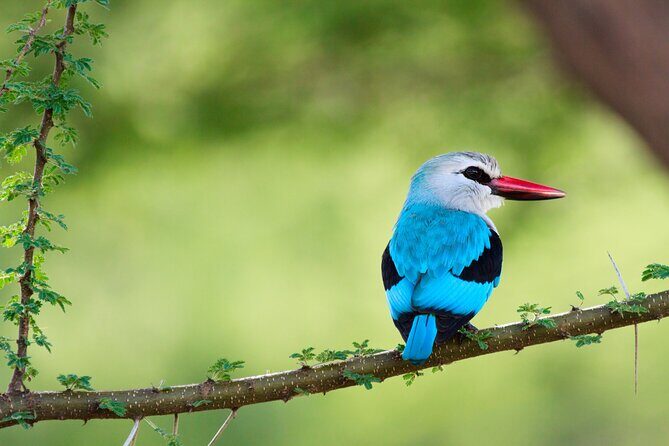
Manyara is known for its large soda lake filled with pink-hued flamingos. If you like birds, this is the moment where your safari becomes more than big mammals. You can also find baboons in numbers, plus incredible birdlife overall.
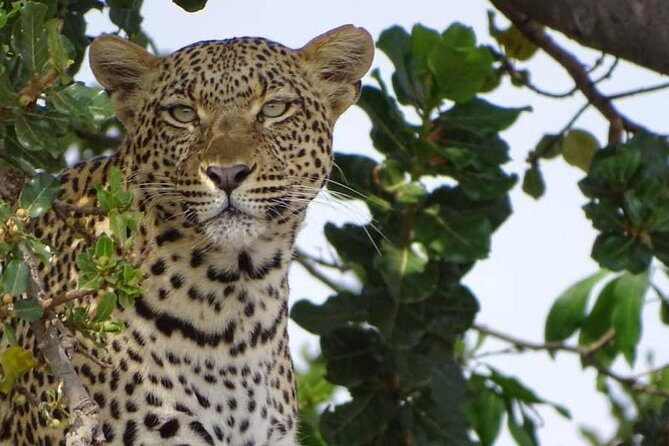
The day can include elephants and giraffes, hippos, impalas, dik-dik, waterbucks, flamingos, and monkeys. And yes—the rare tree-climbing lions are part of the local story, along with a chance for tree-area leopards.
There’s also a stated bird figure here: over 500 species. Even if you don’t count them, it changes how you look at the park. You’ll notice movement in the trees and along the waterline, not just in open grass.
Like the best safari days, this one rewards being alert. When you’re listening and scanning, the small moments—birds reacting, primates changing trees, animals shifting near the water—add up to something bigger.
Price and value: what $4,297 really buys you
At $4,297 per person for a 6-day safari, you’re paying for a route that hits multiple headline parks in a tight window—and for the core costs that keep safari days running.
Here’s what’s included:
- All park entry fees
- Breakfast (5), lunch (5), dinner (5)
- Unlimited drinking water
- Meals that are designed around game-viewing days (so you aren’t hunting for food mid-drive)
- A private tour setup for your group
- A pickup option
What’s not included:
- Alcoholic and non-alcoholic beverages
- Tipping
- Laundry service
So is it good value? It’s best viewed as “you’re buying fewer surprises.” Entry fees and core meals are handled, which reduces decision fatigue. Also, the itinerary is structured so you don’t waste every day in transit between far-off parks without time to actually look for wildlife.
The main value question I’d ask you: do you want a fast, classic Northern Circuit sampler, or do you want one park with more days to slow down? This trip leans toward the sampler side. If that’s your style, the price often feels easier to justify.
The guiding factor: why named people matter
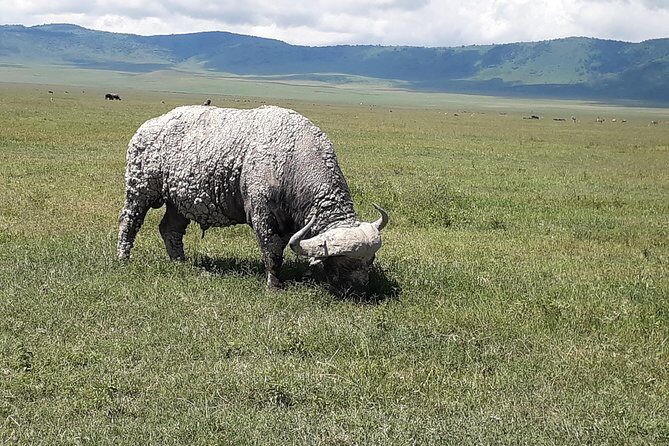
One of the strongest signals from the experience is that guidance isn’t generic. You’ll see real guide names tied to strong outcomes: Eric, Gilbert, Nickson, Abu, and Chris.
That matters because safari success is partly about skill and partly about luck. A good guide helps you:
- place your vehicle for the right angle
- read animal movement before it becomes obvious to everyone
- keep the day on track without turning it into a rush
The trip also includes support around your plan. Planning contact is described through Mary and the Gilmag Safaris team, and in the field there’s an emphasis on smooth flow—setting time, keeping things moving correctly, and helping when the small travel problems show up.
If you’re the type who likes to ask questions, this is the setup where the answers can turn into better viewing. If you don’t care about facts and just want action, a strong guide still helps, because it reduces dead time.
What to pack and how to survive the long days
This safari is a classic “move, watch, sleep” rhythm. You should treat it like an adventure with weather shifts rather than a simple sightseeing schedule.
Based on what the trip involves, pack for:
- early mornings (you’ll feel it, especially around the crater day)
- sun and dust (game drives mean time in open air)
- layers (lodges and vehicles can feel different between morning and evening)
- a camera strap you actually trust (you’ll be using it a lot)
Hydration is built in with unlimited drinking water, which is a lifesaver. Still, bring your own small extras like lip balm and sunscreen because the sun has opinions.
And don’t underestimate the mental side of safari days. You’ll constantly switch from “nothing is happening” to “everything is happening.” Staying patient—and not rushing your eyes—helps you catch the moments that look small but are unforgettable.
Should you book this 6-day Northern Circuit safari?
If you want the Northern Circuit highlights in one shot, I think this is an easy yes. You’re hitting multiple iconic parks—Tarangire, Ngorongoro, Serengeti, and Lake Manyara—and the timing and structure support real wildlife chances across different ecosystems.
Book it if:
- you like full or near-full game-drive days
- you want a mix of big animals and birdlife (Manyara is a big win)
- you’re okay with early starts and longer driving days
Hold off if:
- you hate mornings that start before you’re ready to be a morning person
- you want one park only, with slow pacing and minimal time on the road
Quick practical note: the experience lists free cancellation with up to 24 hours’ notice for a full refund. If your dates are flexible, that gives you some breathing room.
If you like classic Tanzania safari vibes with strong guiding support and a tight route that actually lets you see a lot, this is the kind of trip that tends to leave people talking long after the last drive ends.
FAQ
How long is the 6 Days Tanzania Classic Safari?
The safari is listed as 6 days (approx.).
Which parks are included in this safari?
The safari includes Tarangire National Park, Ngorongoro Conservation Area (Ngorongoro Crater), Serengeti National Park, and Lake Manyara National Park.
Is pickup included?
Pickup is offered.
What meals are included during the trip?
Breakfast is included (5), lunch is included (5), and dinner is included (5).
Are park entry fees included?
Yes, all park entry fees are included.
Is unlimited drinking water provided?
Yes, there is an unlimited supply of drinking water.
What’s not included in the safari price?
Tipping is not included, and alcoholic and non-alcoholic beverages are not included. Laundry service is also not included.