REVIEW · ARUSHA
3-Day Safari to Serengeti & Ngorongoro + Balloon experience
Book on GetYourGuide →Operated by Season Master Adventures · Bookable on GetYourGuide
Serengeti at sunrise is hard to beat. This 3-day safari puts you on Big Five–focused routes through the Serengeti plains and the Ngorongoro Crater, with a hot air balloon ride and bush breakfast that turns a normal game drive into something you’ll remember for years.
What I like most is the mix of serious wildlife time and variety: you’re out in the park on game drives, then you switch to the air for a balloon perspective at sunrise. I also like that the tour is built around a real 4×4 Toyota Land Cruiser with a pop-up roof, so you’re set up for better viewing as animals move across the savannah.
One consideration: this is early, and nights can get chilly. You’ll want warm layers because temperatures can drop to around 5°C, and you’ll be moving between parks across long drives.
In This Review
- Key things to know before you go
- Why this Serengeti + Ngorongoro + balloon trip makes sense
- Day 1: Arusha to Serengeti, with the Rift Valley route and first sightings
- Day 2: Sunrise balloon safari and a champagne bush breakfast
- Day 2’s second half: from Serengeti plains to Ngorongoro rim views
- Day 3: Ngorongoro Crater game drive and the Big Five focus
- The 4×4 Land Cruiser setup: comfort, viewing, and photo reality
- What’s included (and how to think about lodges vs camping)
- Price check: is $900 per person good value?
- What to pack for Serengeti mornings and crater day chills
- Who this safari is best for
- Should you book this Serengeti and Ngorongoro balloon trip?
- FAQ
- What parks are included in this 3-day safari?
- Where does the tour pick up and drop off?
- Is the hot air balloon ride included?
- What vehicle do you use for game drives and transfers?
- What meals are provided during the safari?
- Does the price include lodging at lodges?
- How much luggage can I bring?
- What should I pack and what rules should I follow?
Key things to know before you go
- Big Five odds: The itinerary targets Serengeti and then the Ngorongoro Crater, a top place to spot the Big Five.
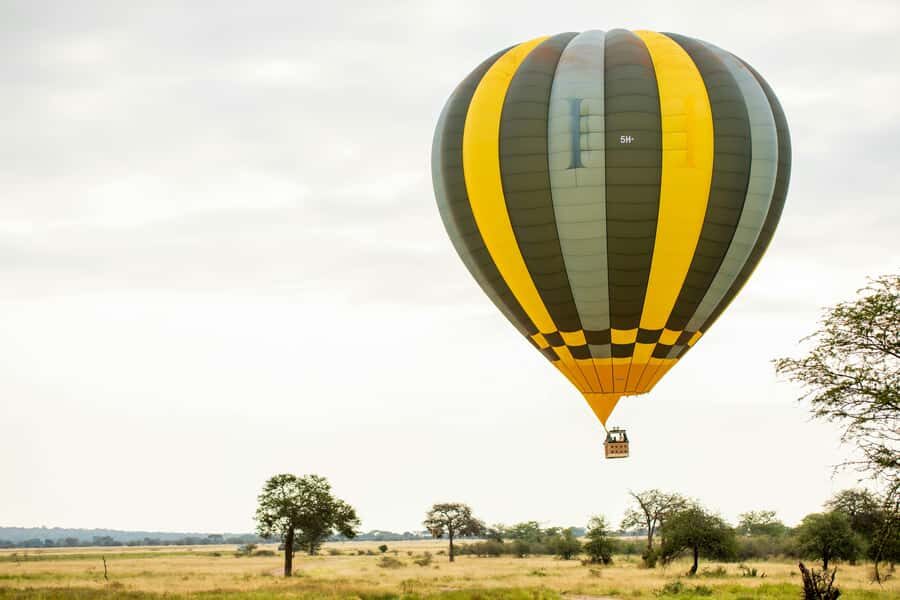
- Balloon safari timing: You’ll ride at sunrise, then enjoy a champagne bush breakfast after landing.
- Real game-drive format: You get more than one game drive, including a mid-morning drive on Day 2 and a longer crater drive on Day 3.
- Pop-up roof vehicle: A Land Cruiser design gives you a better chance at clear animal viewing and photos.
- Camping option details: If you choose camping, you sleep in tents with mattresses, and you get cooking gear plus a chef.
- Pack smart: You’re limited to 10kg luggage per person, and you’ll be asked to pack for warm days and cold nights.
Why this Serengeti + Ngorongoro + balloon trip makes sense
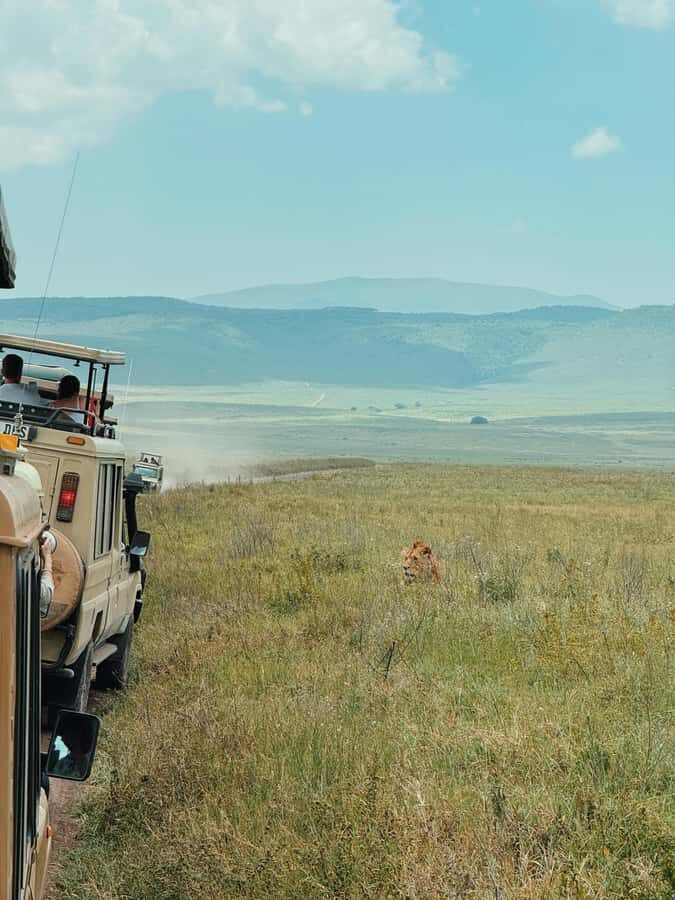
If your bucket list is Serengeti and the Big Five, you’re in the right place. This itinerary concentrates your time where wildlife viewing is strong: first the endless Serengeti plains, then the crater system in Ngorongoro Conservation Area. It’s a classic combo for a reason—different habitats, different animal behavior, and a good chance to see the full cast.
The balloon part is the other reason this tour feels special. A hot air balloon ride changes how you read the land. From above, you can track animal movement across open plains in a way that’s hard from the ground. And because it happens early, you’re also catching the more active hours when animals tend to be easier to spot.
Finally, I like that the tour is organized around professional safari driving. You’re in a 4×4 Land Cruiser the whole way with a driver-guide, so you’re not left guessing where to go or how to position for sightings.
A few more Arusha tours and experiences worth a look
Day 1: Arusha to Serengeti, with the Rift Valley route and first sightings
Day 1 starts with an early departure from Arusha, heading through the Great Rift Valley and the Ngorongoro Highlands toward Serengeti. This matters because you’re not spending the day stuck in transfer mode—you’re moving early so you can get into the park while animals are still on the move.
On the way, there’s a stop in Mto wa Mbu for a picnic lunch. That’s a practical break: you stretch your legs, eat something solid, and break up the long drive before entering Serengeti.
Then you enter Serengeti via Naabi Hill Gate. After you’re in, you begin your first game drive. This is your “warm-up” day, but it’s also where the safari feeling clicks in. You’re looking for big cats and larger grazers—things like lions, elephants, giraffes, and more—while you get used to spotting distances, tracks, and animal behavior from a vehicle.
Overnight is inside the park area at a lodge or campsite, depending on your chosen option. You’ll also have full-board meals and bottled water during the safari days.
Possible drawback to note: Your day starts early and runs with transfers plus a game drive. If you’re the type who hates being on the move before you’ve had coffee twice, plan to go to bed early.
Day 2: Sunrise balloon safari and a champagne bush breakfast
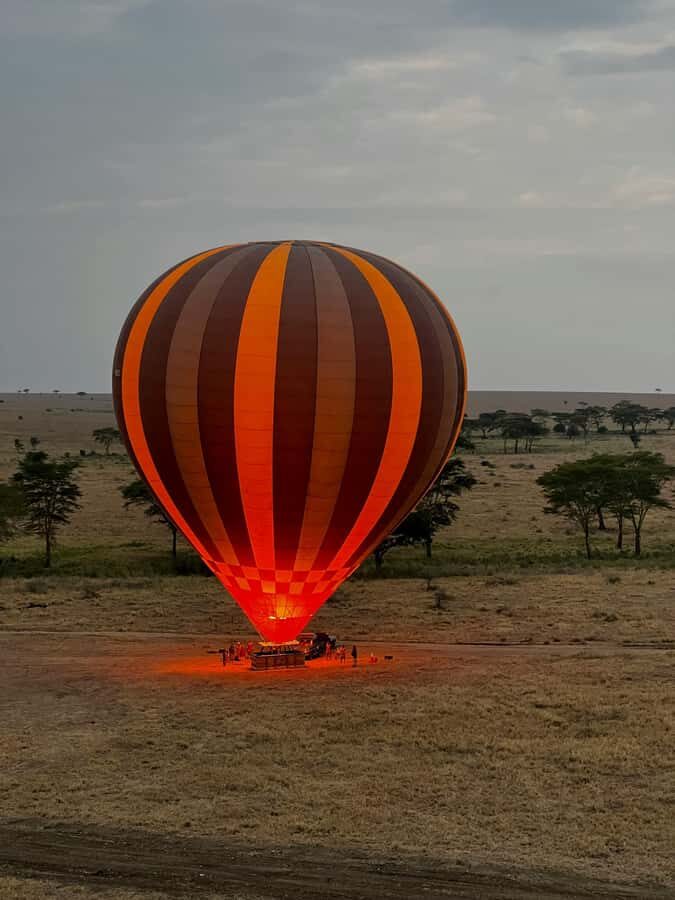
Day 2 is the headline. The morning begins with a hot air balloon safari over the Serengeti plains at sunrise. This is the most time-sensitive part of the trip, so if you’re even a little prone to being late, treat this morning like a flight day.
After the balloon ride, you’ll have a champagne bush breakfast. This is one of those “safari plus” moments: you’re not just eating after an activity—you’re doing it in a wildlife setting, with the day’s light already changing the scene. Even if you’re not a champagne person, the bigger point is the setting and the timing.
Then the plan continues with a mid-morning game drive. This is smart because it gives you time to switch modes: aerial viewing early, then ground viewing while animals are active and visible again. You’re watching predators and grazers across open savannah, where your driver-guide can position the Land Cruiser for better sightlines.
After lunch, you leave Serengeti and travel to the Ngorongoro Conservation Area, reaching the crater rim for panoramic views. Those views alone are worth the drive, because the crater shape changes the whole “where animals live” story you’ve been seeing in Serengeti.
Overnight on Day 2 is at a lodge or campsite in the conservation area, with full-board meals and bottled water again.
What to watch for: The balloon + breakfast day can feel “packed,” even though it’s spaced across different experiences. If you’re sensitive to early starts or motion, tell your guide. They’ll help you plan what to wear and how to manage the timing.
Day 2’s second half: from Serengeti plains to Ngorongoro rim views
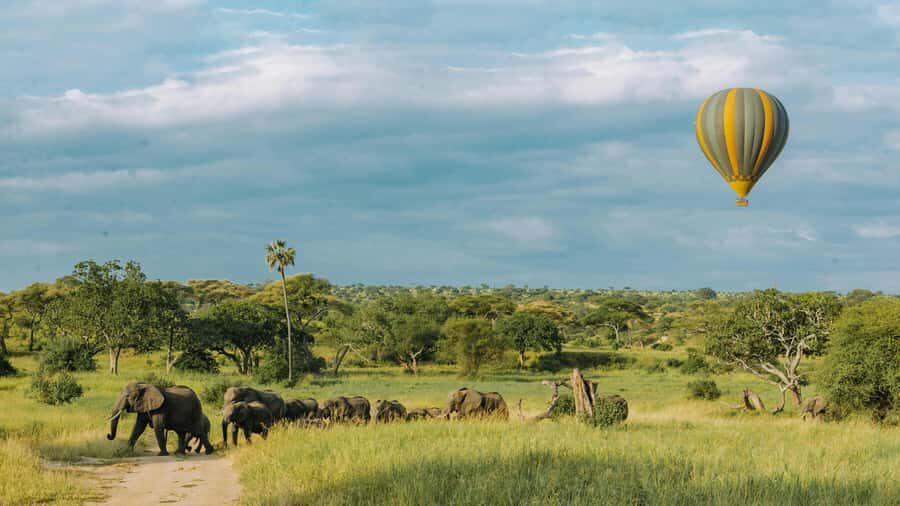
The shift from Serengeti to Ngorongoro is more than a geography change—it’s a viewing strategy change. Serengeti is open and wide. Ngorongoro is enclosed and concentrated, with wildlife densities that can make spotting easier in the right conditions.
Arriving at the crater rim gives you an early look before you descend on Day 3. This helps you understand what you’re about to see. From the rim, you get a sense of how the crater acts like a natural stage—water sources, grass patterns, and animal paths tend to funnel activity in recognizable ways.
At this point, the tour keeps you on schedule but not rushed. You have time to settle in, enjoy the views, and reset for the next day’s crater drive.
Day 3: Ngorongoro Crater game drive and the Big Five focus
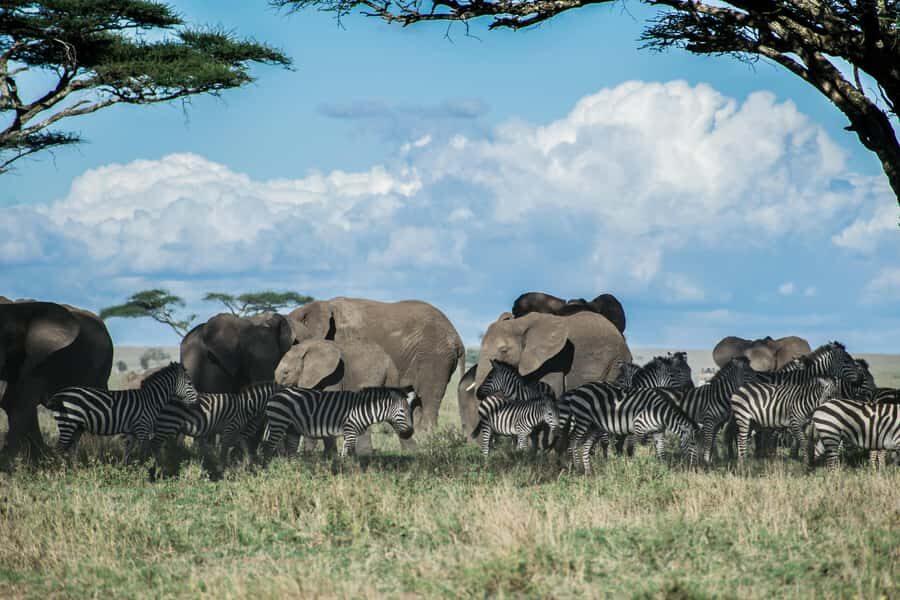
Day 3 is the “get serious” day. You descend into the Ngorongoro Crater for a half-day game drive. This is one of the best places in Africa to look for the Big Five, and the itinerary also calls out other wildlife you’ll have strong odds of seeing—hippos, zebras, wildebeests, and lots of birdlife.
A half-day in the crater can feel short, but it’s planned that way so you don’t lose the best daylight window to fatigue and long stops. It also keeps the last day from turning into a grinding transfer day. You’ll still have time for a picnic lunch after the drive.
Then you ascend from the crater and head back to Arusha, dropping you off late afternoon at one of the listed locations.
One practical note: You’ll be spending a lot of time in vehicles. Even with the pop-up roof setup, you can get cold when the wind kicks up. Bring warm layers that you can add fast.
A few more Arusha tours and experiences worth a look
The 4×4 Land Cruiser setup: comfort, viewing, and photo reality
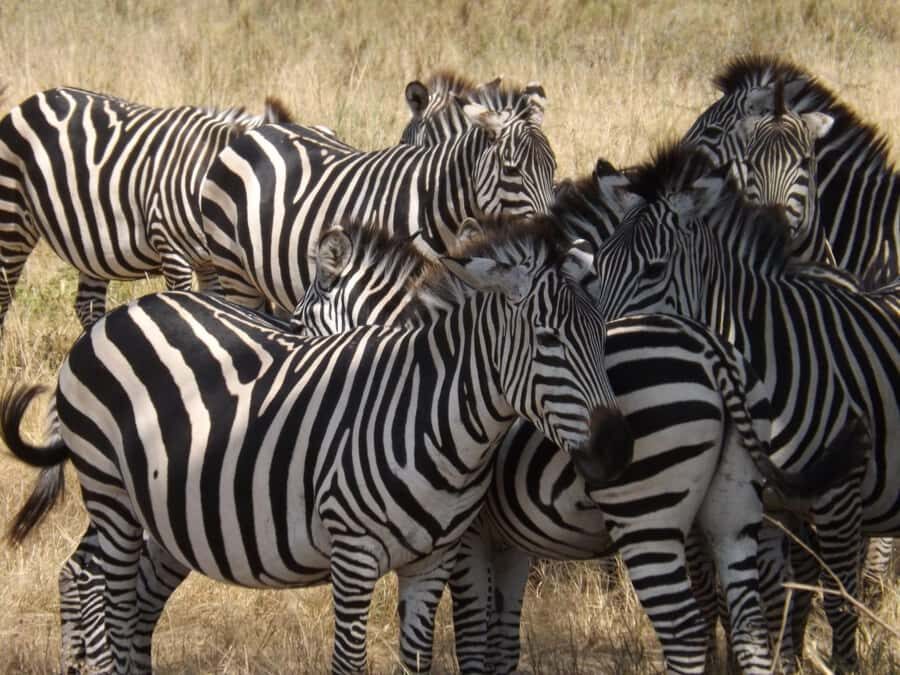
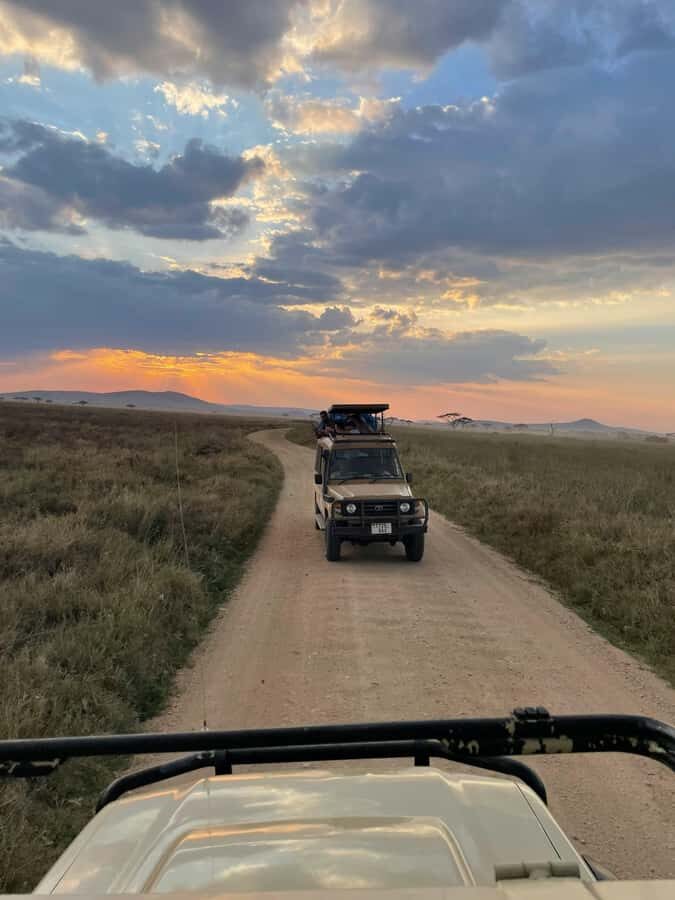
This tour uses a 4×4 Toyota Land Cruiser with a pop-up roof throughout. For safari, that’s a big deal. It helps you see over tall grasses and get better angles than a standard car window view.
You also get bottled drinking water throughout the tour, which is a quiet convenience that matters more than you’d think once you’re out early and moving between parks.
For best viewing and photos:
- Pack your binoculars if you have them. The tour notes that guides will have one available to share, but having your own is easier.
- Wear neutral colors like white, beige, and green, and keep your warm layers accessible.
- Use your camera early and then slow down. The first sighting is exciting, but the second and third can be the ones that teach you where to look.
And yes, you’ll be with an experienced driver-guide. That’s not just about driving skills—it’s about where they choose to stop and how they scan the savannah.
What’s included (and how to think about lodges vs camping)
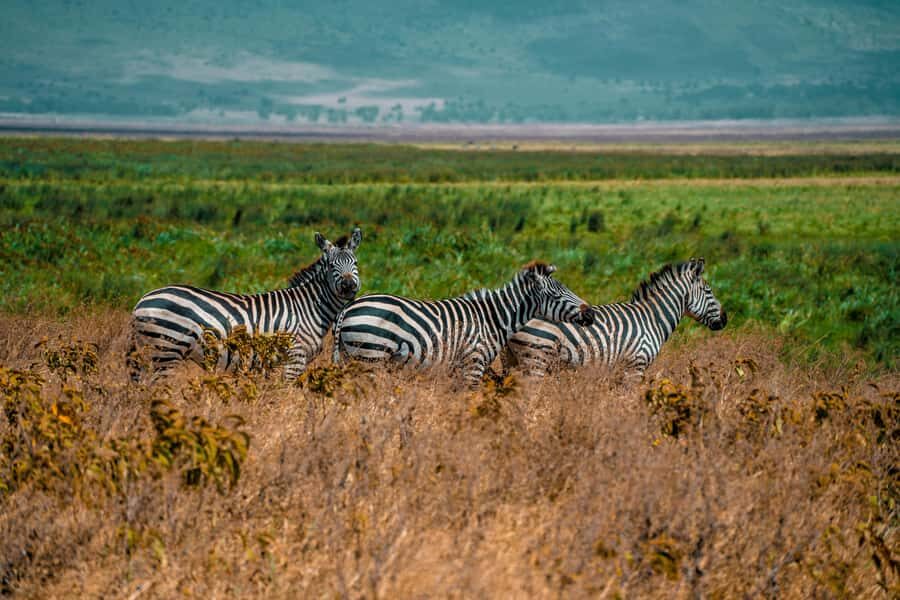
This package includes a lot of the “hard parts” for you:
- Pickup and drop-off at your hotel in Arusha (with multiple pickup options listed)
- Park fees
- Full-board meals during the safari
- Bottled water
- A hot air balloon experience
- Game drives and guided activities as per the itinerary
- A professional safari chef if you choose the camping option
- Camping equipment (tables, chairs, and cooking gear) if you choose camping
- Safari certificates
Here’s the key: accommodation depends on your option. The tour notes that luxury or mid-range lodge accommodation is not included, which usually means camping is the baseline that comes with the tour price. If you want lodges, you should expect extra costs.
If you choose camping, you’ll sleep in tents with sleeping mattresses, which is more comfortable than “wild camping” setups you might imagine. You’ll still want earplugs if you’re sensitive to nighttime sounds, but you’re not sleeping on bare ground.
If you choose lodges, you’ll get more comfort, but it’s an add-on. Either way, your safari rhythm stays the same: game drive time plus scheduled transitions.
Price check: is $900 per person good value?
$900 per person for three days isn’t a cheap safari. But it can be solid value when you consider what’s rolled in here: park fees, transportation in a 4×4 Land Cruiser, full-board meals, bottled water, and a hot air balloon experience plus the crater day.
A lot of safari costs add up fast once you price them separately—vehicle, guides, park entry, and the balloon component in particular. The balloon is often the most expensive element of the itinerary because it’s time-sensitive and requires specific operations.
So the value question comes down to your expectations:
- If you want a single package that handles most logistics and includes the balloon and crater viewing, this price can feel reasonable.
- If you were planning to upgrade to lodges anyway, then budget extra for accommodation since luxury or mid-range lodge stays are listed as not included.
Also check whether your pickup point is Arusha or outside it. Pickup is optional, and travelers starting from Moshi or Kilimanjaro incur an additional transfer cost to Arusha.
What to pack for Serengeti mornings and crater day chills
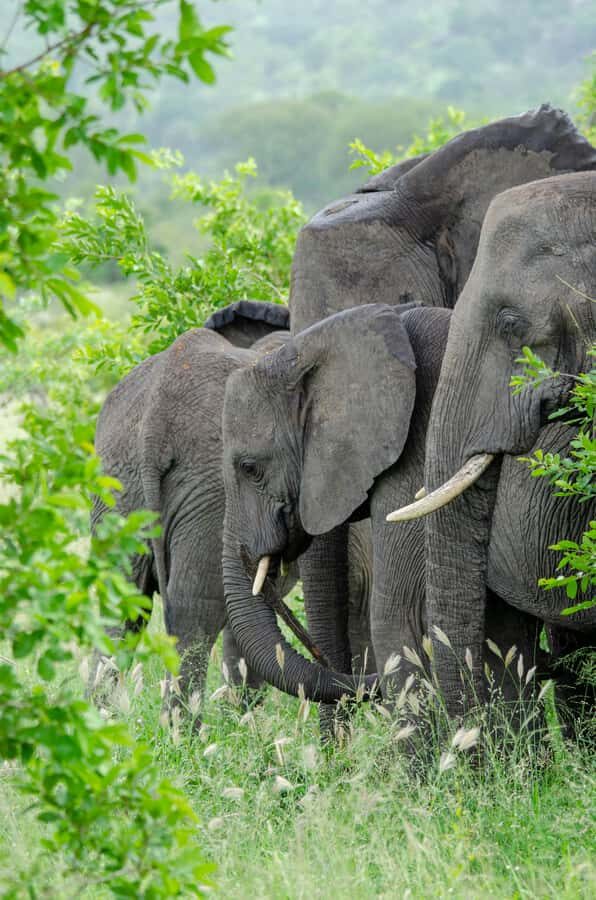
The tour recommends a simple, practical packing plan:
- Warm clothing, including a sweater, socks, and a jacket (night temperatures can drop to around 5°C)
- Sunscreen
- Insect repellent
- Camera and binoculars
- Reusable water bottle (even though you’ll have bottled water during the tour)
Keep your luggage weight in mind: 10kg per person. If you have extra, it can be stored in the hotel storage room, and duffel bags are recommended.
Rules you should know before you go:
- Drones are not allowed
- Don’t litter
- Don’t feed animals
- Don’t touch animals
Who this safari is best for
This trip fits best if you:
- Want a tight three-day itinerary that still includes both Serengeti and Ngorongoro
- Care about the Big Five and want the crater focus on top of Serengeti plains
- Like variety: aerial balloon viewing plus classic game drives
- Prefer traveling with a professional driver-guide and a structured plan instead of trying to self-drive
It’s also a good match for small groups, since the tour lists small group availability.
Should you book this Serengeti and Ngorongoro balloon trip?
If you’re aiming to do Serengeti plus Ngorongoro in a short time, and the idea of a sunrise balloon safari is a must for you, I’d seriously consider booking. The itinerary is built around the two big “wildlife concentration” zones, and it includes the key extras—balloon, crater game drive, meals, and park fees—so you’re not piecing it together yourself.
Skip it or think twice if you’re highly sensitive to cold mornings, early starts, or long drives. You’ll also want to be realistic about what you can carry: 10kg luggage limits mean you’ll pack light.
Bottom line: if your goal is Big Five country with a standout morning in the air, this is the kind of safari package that makes sense.
FAQ
What parks are included in this 3-day safari?
The safari includes Serengeti National Park and the Ngorongoro Conservation Area, with a game drive inside Ngorongoro Crater on Day 3.
Where does the tour pick up and drop off?
Pickup is available from Arusha, Arusha Urban, Moshi, or Mount Kilimanjaro. Drop-off options are Moshi, Arusha Urban, Arusha, or Mount Kilimanjaro, based on the selected option.
Is the hot air balloon ride included?
Yes. The hot air balloon experience is part of the tour, along with a bush breakfast described as a champagne celebration on the balloon day.
What vehicle do you use for game drives and transfers?
You travel in a 4×4 Toyota Land Cruiser with pop-up roof throughout the safari.
What meals are provided during the safari?
The tour includes full-board meals during the safari, and it provides bottled drinking water throughout.
Does the price include lodging at lodges?
Luxury and mid-range lodge accommodation is listed as not included. Camping accommodation is described as included as part of the camping option (tents with sleeping mattresses).
How much luggage can I bring?
The luggage limit is 10kg per person. Extra luggage can be stored in the hotel storage room.
What should I pack and what rules should I follow?
You should bring warm clothing, sunscreen, insect repellent, camera, and binoculars (or rely on shared binoculars in the vehicle). Drones are not allowed, and you must not litter or feed or touch animals.