REVIEW · KILIMANJARO
7 Days Wildebeest Migration – Ndutu Calving Season
Book on Viator →Operated by Gilmag Safaris · Bookable on Viator
Wildebeest babies arrive by the thousands. This Ndutu calving-season safari focuses on the moment when the herds move into their birthing window, then ties it together with Lake Manyara, Ngorongoro Crater, and the Serengeti so you get action in multiple habitats. Ndutu calving season is the headline, but the route is what makes it click.
What I like most is the built-in timing. You’re targeting the period when roughly 500,000 wildebeests are expected to give birth in the Ndutu area, with calving commonly peaking around February for about three weeks. And I also like the practical comfort details: unlimited bottled mineral water, all fees and taxes handled, and meals planned each day with proper time for game drives.
One thing to consider: the best sightings hinge on conditions, and this trip is explicitly weather-dependent. Also, migration timing can shift slightly by year—so if seeing newborns is your one non-negotiable, book with a bit of flexibility and ask your operator what week they’re targeting for peak activity.
In This Review
- Key highlights you’ll care about
- The Ndutu calving season: why this week feels different
- Day 1 in Arusha: clear logistics, low stress start
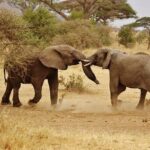
- Lake Manyara: forest-change-of-scene and elephant sightings
- Ngorongoro Crater: the steep ride down and the dense wildlife up top
- Ndutu Lake and the migration camp: where calving changes the whole drive
- Day 4: arriving for a first drive
- Day 5: the calving-focused full day
- Serengeti National Park (Central): classic plains, kopjes, and acacias
- Day 7 back via Arusha: good ending, travel won’t feel rushed
- Price and value: what $4,004 per person really covers
- Lodging rhythm and how to plan your comfort
- Who should book this safari (and who should think twice)
- Should you book this 7 Days Wildebeest Migration in Ndutu?
- FAQ
- Where does the safari start and end?
- Which parks are included in this tour?
- What is the main focus of the tour?
- When does calving usually happen in Ndutu?
- What kind of wildlife conditions can you expect at Ndutu?
- What meals are included?
- Are park fees and taxes included?
- Is emergency evacuation included?
- How much can I get refunded if I cancel?
Key highlights you’ll care about
- Ndutu’s calving window: December–March for big numbers, with February often running about three weeks.
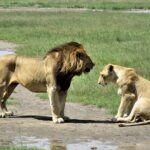
- Predators have a reason to show up: concentrated prey brings lions, cheetah, and hyenas into the same viewing areas.
- Ngorongoro’s all-in-one day: a steep crater descent to a dense, water-supported ecosystem.
- Serengeti in “best-of” mode: central plains plus acacias and kopjes without needing a longer stay.
- Support included: Flying Doctor emergency evacuation is part of the package.
The Ndutu calving season: why this week feels different
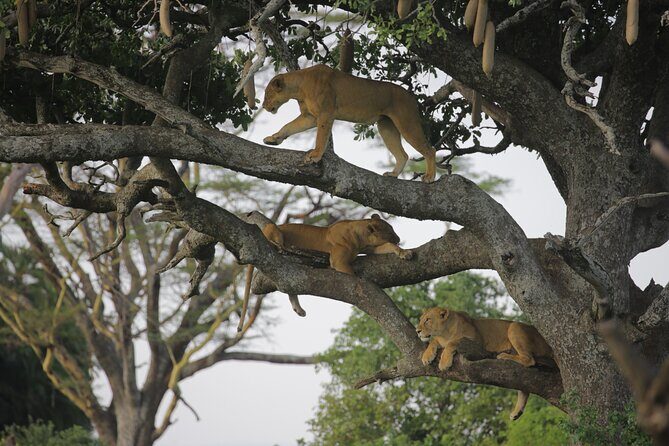
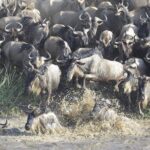
Ndutu is part of the wider Serengeti ecosystem, but it has a special pull because it’s a calving zone. When the herds concentrate on these grasslands and soda lakes, you’re not just watching “migration vibes.” You’re seeing a biological event unfold: wildebeest calves are able to run minutes after birth, and within a few days they’re strong enough to keep up with the herd.
That means your game drives tend to feel more like tracking a living storyline than just scanning for animals. Predators are there because the food is there. And prey behavior changes fast—adults bunch up, calves stay close, and the whole herd becomes a moving stage for dramatic, close-up wildlife moments.
If you’re a photographer, this is also a practical time to be out. The action is concentrated, and the plains with flat-topped acacia trees give you classic composition options: herds in the foreground, big sky up top, and predators working the edges.
A few more Kilimanjaro tours and experiences worth a look
Day 1 in Arusha: clear logistics, low stress start
Your week starts in a very straightforward way: you arrive at Kilimanjaro International Airport, clear customs, and meet a company representative. Then you transfer about 60 km to Mount Meru Hotel in Arusha. You also get a safari briefing while you’re there.
Why I like this setup for most people: it reduces the “what now” moments that can eat your first day. Arusha also gives you a smoother on-ramp to Tanzania safari life. It’s close to the major routes you’ll be using, and the climate is described as comfortable, which helps you settle in before the long park days begin.
If you’re sensitive to travel fatigue, Day 1 is gentle compared to what comes next: you’re not doing a full game drive day right after landing. You’re getting organized and sleeping with a plan.
Lake Manyara: forest-change-of-scene and elephant sightings
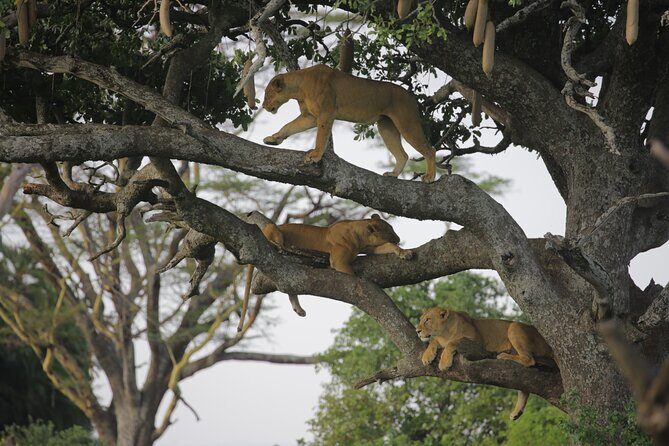
After breakfast, you head to Lake Manyara National Park, which is about 120 km from Arusha. You’ll have a picnic lunch and spend the day on safari.
Manyara is a small park set at the base of the Rift Valley escarpment, and the big draw is how quickly the scenery shifts. The park includes a groundwater forest area, which changes the look and feel compared with more open savannah zones.
Two practical takeaways:
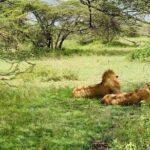
- Tree-climbing lions are part of Manyara’s legend, but they’re not something you can count on. Plan your day with that in mind.
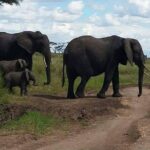
- Elephants are prolific here and tend to be the most reliable big-game target.
In other words, Manyara works well as a warm-up park. It gets you back in your safari rhythm, gives you elephant time, and resets your eyes before the crater day.
You finish the day in the Karatu area for dinner and overnight at Ngorongoro Coffee Lodge, which is a smart staging move for what’s coming in the Ngorongoro Conservation Area.
Ngorongoro Crater: the steep ride down and the dense wildlife up top
Day 3 is a proper highlight: you drive to the Ngorongoro Conservation Area and then descend over 600 meters into the crater for a full day tour.
This is one of the reasons Ngorongoro is so effective in a short itinerary. The crater environment is supported by year-round water supply and fodder, so animals aren’t forced to spread out as much as they are on open grassland systems. That density matters when your time on the ground is limited.
What you can expect to see in the crater includes herds of wildebeests, zebras, buffalos, eland, warthogs, hippos, and giant African elephants. You also visit Lake Magadi, a large but shallow alkaline lake in the southwest corner of the crater. That alkaline-water feature helps create a landscape that supports specific animal movement and feeding patterns.
Your day ends by ascending back to the rim and staying at Ngorongoro Serena Safari Lodge, which is set on the crater rim. If you care about views, this helps your evenings feel less like “just driving to the next place” and more like a proper lodge stop with a sense of place.
Ndutu Lake and the migration camp: where calving changes the whole drive
Days 4 and 5 are the core of this safari: time in the Ndutu Lake area in the Ngorongoro Conservation Area, within the Serengeti ecosystem.
You arrive in time for lunch at Sense of Wilderness Migration Camp, then head out for game drives. This part of Tanzania is described as alkaline—like many Rift lakes—so the scenery and animal movement follow that watery chemistry and grass availability pattern.
From a sightseeing standpoint, Ndutu tends to deliver multiple layers of wildlife:
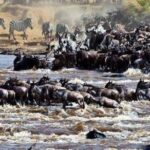
- Wildebeests are the headline, and the majority are found here around December through March.
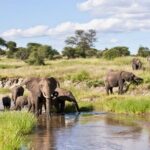
- Elephants and birds are also common, along with resident game that makes the area feel alive even when you’re not watching calving action every minute.
Day 4: arriving for a first drive
Day 4 is about settling in and learning the rhythms of the area quickly. You’ll have lunch on arrival and then a game drive that sets you up for what you’ll likely see at higher intensity on Day 5.
The practical advantage of having two full days here is simple: newborn-calving action is fast and changeable. If one morning feels quiet, the next day can swing back into high activity. Two days gives you that second chance.
Day 5: the calving-focused full day
Day 5 is a full day game-viewing session. You’ll explore different habitats around Ndutu, including swamps, woodlands, soda lakes, and the short grass plains associated with the Serengeti.
This is the day that’s built around the calving timing: around February, often lasting for about three weeks, the majority of wildebeests calve. The itinerary also highlights two key behaviors that matter for your expectations:
- Calves can run minutes after birth.
- Within three days, calves are strong enough to keep up with the herd.
That means you’re not only looking for the moment a calf is born. You can also look for calves that are very new and still close to the herd’s center, plus slightly older juveniles that move with more confidence.
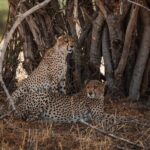
And yes, the predators matter here. Concentrated herds draw lions, cheetah, and hyenas into the same zones—so hunts and kills can happen as prey density spikes. For many people, this is the ethical tension of safari: nature doing what it does. You’ll see it up close, but you can also focus on behavior and family dynamics rather than forcing a single “big kill” moment.
Serengeti National Park (Central): classic plains, kopjes, and acacias
On Day 6 you drive from Ndutu to Serengeti National Park, with a picnic lunch en route. You stay at Tanzania Pure Tented Camp in central Serengeti.
Serengeti is huge—about 14,763 square kilometers—and it borders Kenya’s Maasai Mara Game Reserve. That scale is exactly why one day in Serengeti works best when you think of it as a greatest-hits tour rather than a full migration study.
What you can expect visually:
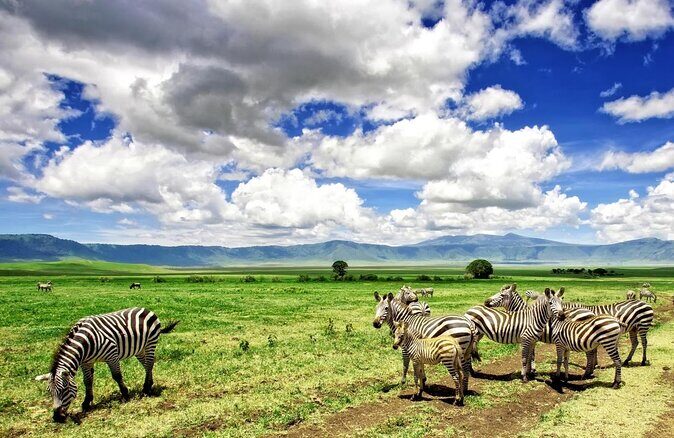
- Endless grass plains with twisted shadows of acacia trees
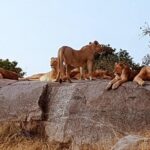
- Stone kopjes (rock outcrops) that support different micro-ecosystems
This is where your guide’s scanning skills pay off. Even with fewer hours, kopjes can concentrate sightings because they act like natural observation points for animals and predators.
If your main goal is migration-calving drama, Serengeti Day 6 is still valuable because you connect the dots: you see the larger system that includes the Ndutu birthing area and the broader grassland movements.
Day 7 back via Arusha: good ending, travel won’t feel rushed
Your final day is departure-focused. After breakfast you leave with a packed lunch, then head back to Arusha via the Ngorongoro Conservation Area. You arrive in the evening for drop-off at Kilimanjaro International Airport.
This routing is helpful because it keeps you from feeling like you did “all the parks and then just stopped.” You finish with one last chance to see wildlife along the way, then transition cleanly to your next trip.
Price and value: what $4,004 per person really covers
At $4,004 per person for roughly seven days, the sticker price is real. The value is in how much is wrapped into the package.
Here’s what’s included on the practical side:
- All fees and taxes
- Unlimited bottled mineral water
- Flying Doctor emergency evacuation
- Meals: breakfast for all 7 days, lunch for 7 days, and dinner for 6 days
- Park time supported by transfers and game viewing days
- Private format: it’s your group only
- Mobile ticket
What’s not included is tips for guides.
So the value question becomes: are you paying for “transport + vehicle + generic safari,” or are you paying for the rare timing in Ndutu calving season? This tour is clearly built for the Ndutu moment. If calving-season sightings are on your wish list, you’re paying to be in the right place at the right time, then stacking it with Ngorongoro and Serengeti to keep the week from being just one-theme.
If calving isn’t your top priority, the itinerary may feel intense for a seven-day period. But for people who want migration newborns plus big landscapes and dense crater wildlife in a tight schedule, the pricing can make sense.
Lodging rhythm and how to plan your comfort
This safari uses multiple bases:
- Mount Meru Hotel in Arusha
- Ngorongoro Coffee Lodge in Karatu
- Ngorongoro Serena Safari Lodge on the rim
- Sense of Wilderness Migration Camp in Ndutu
- Tanzania Pure Tented Camp in central Serengeti
That mix is typical for a route that hits several ecosystems. The travel days are part of the design: you’re moving to where the wildlife is, not staying put.
A few comfort tips that matter for this kind of safari:
- Expect packing changes: you’ll check in and out multiple times.
- Bring clothes that work for dust and long days in the vehicle.
- Have a backup plan for camera batteries and memory cards, because you’ll want to shoot more than you think.
Who should book this safari (and who should think twice)
This tour is a strong match if:
- You want wildebeest migration in its most dramatic phase, not just “migration sightings.”
- You’re happy with a one-week circuit that combines Ndutu + Ngorongoro + Serengeti.
- You like photography-heavy wildlife days, especially when animals move in concentrated areas.
You might think twice if:
- You’re the kind of person who needs guaranteed calving action every hour. Even with the right season, animal timing shifts.
- You dislike long drives. This itinerary includes multiple big-distance transitions between parks and regions.
Should you book this 7 Days Wildebeest Migration in Ndutu?
If your heart is set on calving-season wildlife, I think it’s a smart buy—because the itinerary is built around Ndutu for two full days, then supports those sightings with strong follow-up parks. The route gives you variety: elephants in Manyara, density in Ngorongoro, and broad plains behavior in central Serengeti.
If you can be flexible on exact animal timing and you’re prepared for a busy week of driving and game viewing, you’ll likely love how focused this tour feels. If you need a slow, low-effort safari pace, you may find the schedule a bit packed.
My practical advice: if calving is your top goal, ask your operator what calving weeks they’re targeting for your month. Then decide based on how important newborns are compared with seeing more species across more days.
FAQ
Where does the safari start and end?
It starts at Kilimanjaro International Airport. It ends back at the same meeting point, with evening drop-off when you return to Arusha.
Which parks are included in this tour?
You’ll visit Lake Manyara National Park, Ngorongoro Crater (Ngorongoro Conservation Area), the Ndutu Lake area, and Serengeti National Park.
What is the main focus of the tour?
The safari is centered on wildebeest calving season around Ndutu, when a large number of young wildebeests are born.
When does calving usually happen in Ndutu?
Calving is described as occurring around February, often lasting about three weeks. Wildebeests are also present in large numbers around December through March.
What kind of wildlife conditions can you expect at Ndutu?
The concentrated herds attract predators, and hunts and kills can happen. You can also expect elephants, birds, and other resident game.
What meals are included?
Breakfast is included for 7 days, lunch is included for 7 days, and dinner is included for 6 days. Unlimited bottled mineral water is also included.
Are park fees and taxes included?
Yes. All fees and taxes are included.
Is emergency evacuation included?
Yes. Flying Doctor emergency evacuation is included.
How much can I get refunded if I cancel?
You can cancel up to 6 days in advance for a full refund. Canceling 2–6 days before gives a 50% refund. Less than 2 days before is not refunded. If the experience is canceled due to poor weather, you’ll be offered another date or a full refund.