REVIEW · DAR ES SALAAM
5 Days Safari to Nyerere NP (Selous GR) and Mikumi NP
Book on Viator →Operated by African Pangolin Safaris · Bookable on Viator
A boat gliding past hippos sets the tone fast. This 5-day Nyerere and Mikumi safari pairs Great Rufiji River boat time with two different park styles: big-game drives in Nyerere and a more up-close walking safari plus classic sightings in Mikumi.
I love how the route balances “big animals at distance” with moments that feel personal—tracking prints and droppings on foot, then watching crocodiles and hippos from a small boat. I also like the service vibe, including attentive guiding during the booking process and on the ground, with Mansour and Yunus Mohamed repeatedly called out as patient and careful. One consideration: travel days are long and you’ll be in vehicles for hours, so it helps to be comfortable with early starts and bumpy road conditions.
Here’s what to expect on the ground, how it fits different styles of safari, and whether the price makes sense for what’s included.
In This Review
- Key highlights you’ll feel quickly
- Nyerere (Selous) and Mikumi: why this pairing works
- Starting in Dar es Salaam at 7:30 am: the pace starts immediately
- Day 1 in Nyerere: the boat safari on the Great Rufiji River
- Day 2: full-day game drive in Nyerere National Park
- Day 3 in Nyerere into Mikumi: walking safari with an armed ranger
- Mikumi Day 1: game drive with lunch boxes and bird-heavy moments
- Day 5 return to Dar es Salaam: the sunrise run that closes the loop
- What you’re paying for: value of the $1,446.16 per person price
- Service quality: Mansour and Yunus Mohamed set the tone
- Who this safari suits best (and who should think twice)
- Should you book this 5-day Nyerere and Mikumi safari with African Pangolin Safaris?
- FAQ
- What time does the safari start, and where do we meet?
- Is pickup and drop-off included?
- What safari activities are included?
- Are national park fees included in the price?
- Do I need a passport for this trip?
- Can I cancel and get a full refund?
Key highlights you’ll feel quickly
- Boat safari on the Great Rufiji River with close-up hippos, crocodiles, and birdlife
- Nyerere National Park full-day game drives with a strong chance at big mammals like elephants and lions
- Wilderness walking safari with an armed ranger (about 2 to 2.5 hours) for footprints and small wildlife
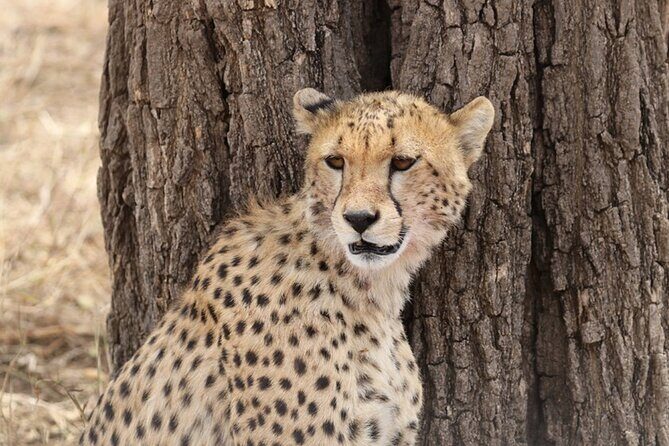
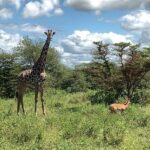
- Mikumi National Park wildlife variety including giraffes, leopards, pythons, and lots of birds
- Sunrise game drive on the final morning, then a same-day drive back to Dar es Salaam
- Meals + park fees included, so you can budget without surprises for most basics
Nyerere (Selous) and Mikumi: why this pairing works
This safari is built around two parks with very different “feels,” even though both are serious wildlife territory.
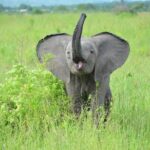
Nyerere National Park—formerly the Selous Game Reserve—covers a huge area in southern Tanzania. It’s known for staying wilder and more spread out, which matters because you’re not just chasing animals in a tight loop. You’re out there longer in the day, with drives that often run until sunset. You’re also in a place where elephants are commonly seen, and where you have a real shot at predators like lions and wild dogs depending on what’s moving where.
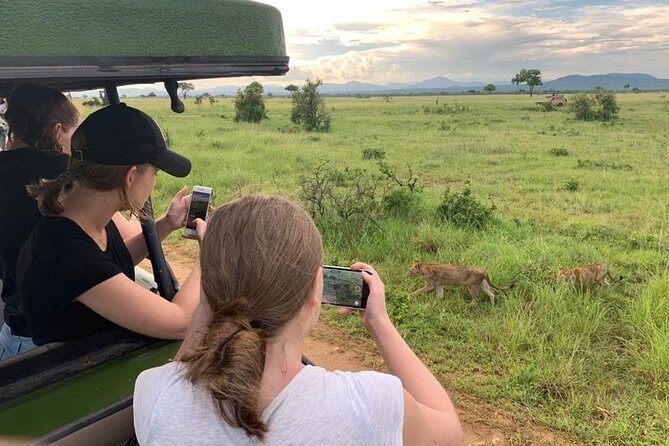
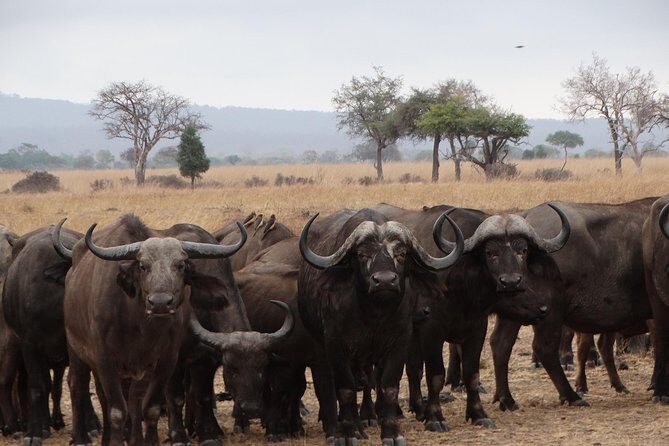
Mikumi National Park, up the road to the north, is smaller and easier to reach from Dar es Salaam year-round. It’s also a classic “variety park”: giraffes, elephants, buffaloes, lions, leopards, crocodiles, pythons, and lots of birds are on the radar. If you’re hoping for a mix of savanna icons plus some surprise reptiles and birds, Mikumi is a great second act.
For you, that pairing is practical: you get the “wild space” energy of Nyerere, then you switch to a park that’s logistically easier and packed with sightings.
A few more Dar es Salaam tours and experiences worth a look
Starting in Dar es Salaam at 7:30 am: the pace starts immediately
The day begins at 7:30 am at the Ferry Ticket Office area in Dar es Salaam. Since you’re meeting early, plan your logistics the night before—no last-minute taxi-chasing, no waiting around at the wrong gate.
This is also a good point to note what you’re signing up for: this is a ride-heavy itinerary. Day 1 includes a drive of about 4 to 5 hours to reach Nyerere, and the later transfer on Day 3 also takes time. If you love safari but you’re fragile about long road days, this trip might feel intense. If you’re fine settling in—headrests, water, and snacks within reach—then the travel time stops being a problem and starts being part of the route.
Day 1 in Nyerere: the boat safari on the Great Rufiji River
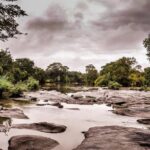
On arrival, you don’t jump straight into a vehicle chase. You start with an afternoon boat safari along the Great Rufiji River, and that choice pays off.
A river safari is a different kind of animal encounter. Instead of covering ground for sightings, you’re in one place long enough for the animals to come to you. The itinerary is built for that: animals head to the water to drink, and the boat can approach close to elephants and waterbuck near the river banks. You’ll also be watching for hippos and crocodiles, plus the constant motion of birdlife.
Why I think this matters for you: it’s often the easiest way to get that “okay, this is real” feeling. Hippos don’t hide well, crocodiles don’t care about your schedule, and birds keep up their performance even when big mammals aren’t visible.
Tip for your comfort: bring sun protection and something for light rain. River weather can change fast, and you’ll want to stay comfortable while you stare at wildlife.
Day 2: full-day game drive in Nyerere National Park
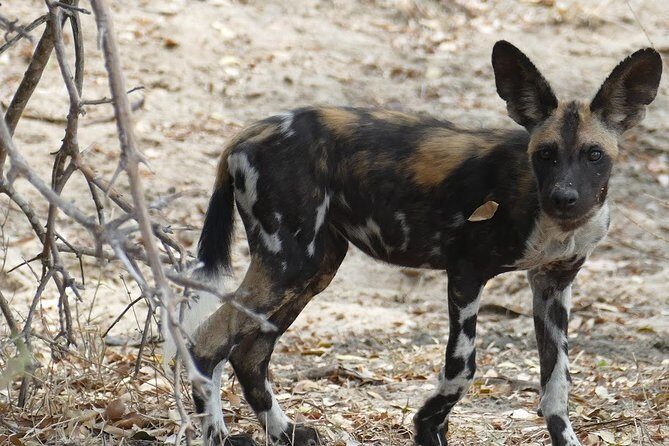
Day 2 is the deep safari day. After an early breakfast, you head out for a full day game drive until sunset.
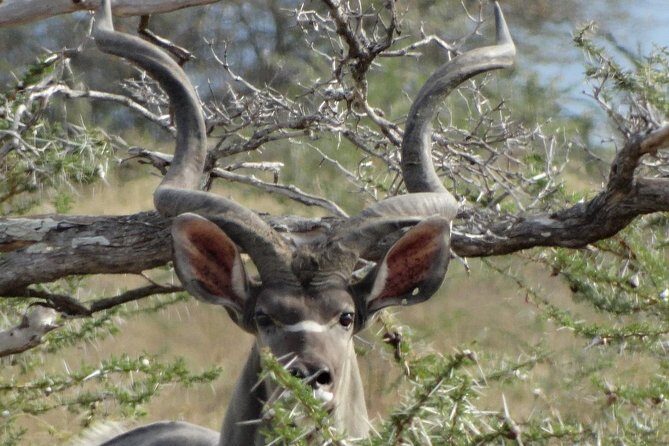
In Nyerere, elephants are commonly seen, and you’ll also be looking for lions, wild dogs, buffalos, bushbuck, impalas, elands, baboons, zebra, wildebeest, and greater kudus. That list is useful because it tells you the park isn’t only about one species. It’s about tracking movement and changing conditions—shade to sun, river edges to open plains.
The “until sunset” piece is big. It means you’re not cutting the day short just because you’ve already seen a few animals. Late light often improves both viewing and photography, and it gives animals time to shift. Even if you don’t get the exact predator you hoped for, you still tend to get a fuller day’s worth of wildlife behavior: feeding, resting, and crossing.
One more practical note: you’ll be out for a long day. If you get stiff easily, plan to use the time well—steady hydration, layers, and stretching when you can.
Day 3 in Nyerere into Mikumi: walking safari with an armed ranger
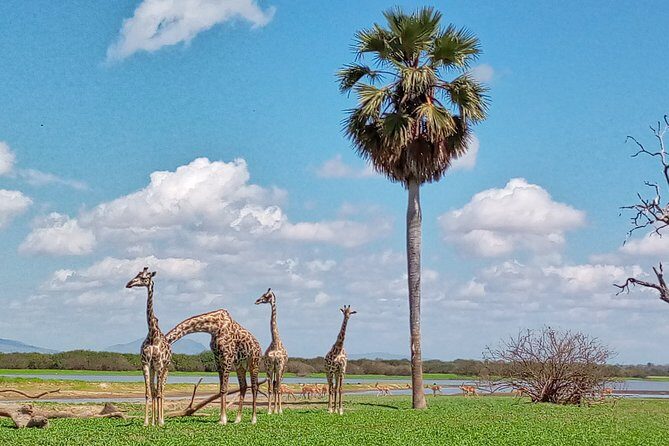
Day 3 flips the “how you see wildlife” switch.
You start with a wilderness walking safari guided by an armed ranger, lasting about 2 to 2.5 hours. This is where the trip stops being only about scanning and starts being about noticing.
On foot, you’re not just looking for the big animals you can’t miss from a jeep. You’re learning what’s around you:
- footprints
- droppings
- signs of small creatures you might never spot during a drive
You’ll also feel the pace slow down. Walking safari is about detail—sound, tracks, and the small changes in ground cover that tell you where animals moved.
Safety note (important): because it’s with an armed ranger, this is clearly structured as an official wilderness walk, not a casual nature stroll. Follow instructions, stay with the group, and avoid sudden wandering.
After the walk and breakfast, you travel to Mikumi National Park. The drive is described as taking you into hill country and into more untouched feeling areas of Tanzania. Translation: expect scenery and a sense that you’re leaving busy roads behind, even if the ride itself is still a ride.
A few more Dar es Salaam tours and experiences worth a look
Mikumi Day 1: game drive with lunch boxes and bird-heavy moments
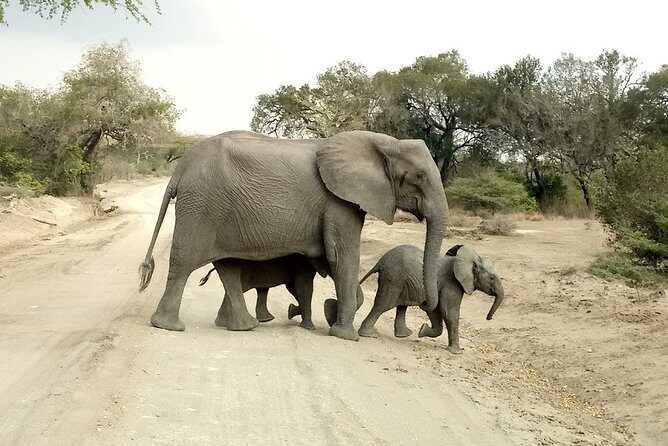
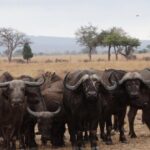
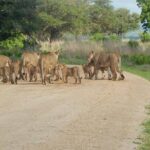
Day 4 is a full day in Mikumi with a game drive and parked lunch boxes. Mikumi is the “variety buffet,” and it shows in what’s on the sighting list:
- buffaloes, giraffes, elephants
- lions
- leopards
- pythons
- crocodiles
- zebras and more
And then there are the birds. The park has 300+ species recorded, so if you like birdlife—even casually—Mikumi gives you lots of chances to slow down and enjoy what you notice between big sightings.
The lunch-box style also fits how safari days really work. Instead of forcing a long break, you keep the drive rhythm. You eat, then you’re back out scanning. For you, that means more daylight time where it counts.
Downside to keep in mind: since you’re out all day, you need to be okay with long vehicle time again. Bring or wear layers that work in morning and afternoon temperatures.
Day 5 return to Dar es Salaam: the sunrise run that closes the loop
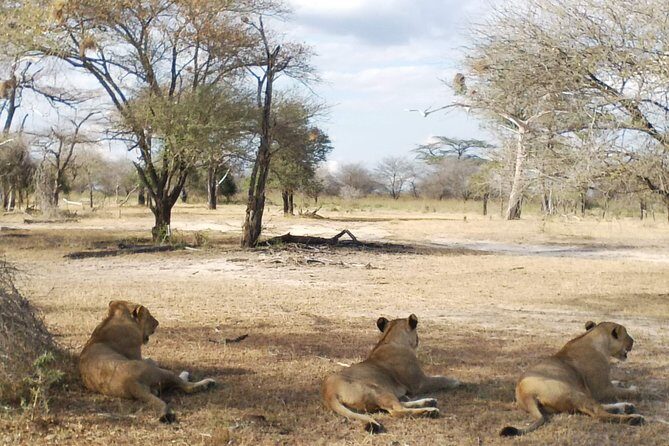
Your last morning is a sunrise game drive for about 2.5 hours. Sunrise is often when animals are active and the light is softer, so it’s a nice way to end on movement instead of fatigue.
After the drive, you return for breakfast. Then you’re out again with game drive time until about 11:00 am. After that, you head back to Dar es Salaam with a hot lunch stopover and arrive for hotel drop-off.
This closing rhythm matters because it gives you a structured final day rather than a vague “whenever the driver feels like it” finish. You know the plan, and you know you’ll be back in town that same day.
If you’re booking a later flight, give yourself cushion time. The itinerary ends with drop-off at your hotel, but traffic and timing in Dar can vary.
What you’re paying for: value of the $1,446.16 per person price
At $1,446.16 per person for a 5-day safari, the big question is: what are you actually getting for that money?
Here’s what’s included:
- national park fees
- boat safari
- walking safari
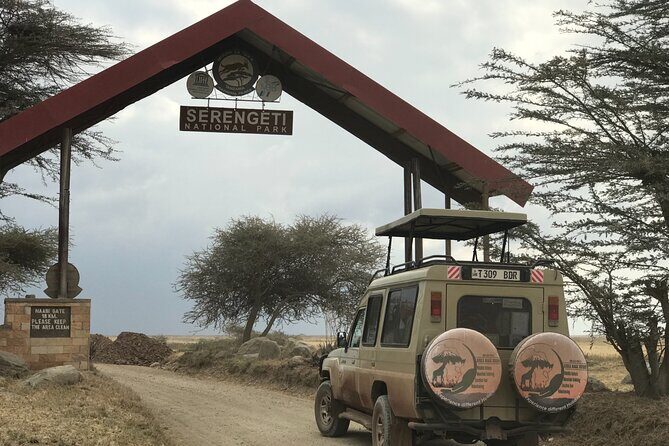
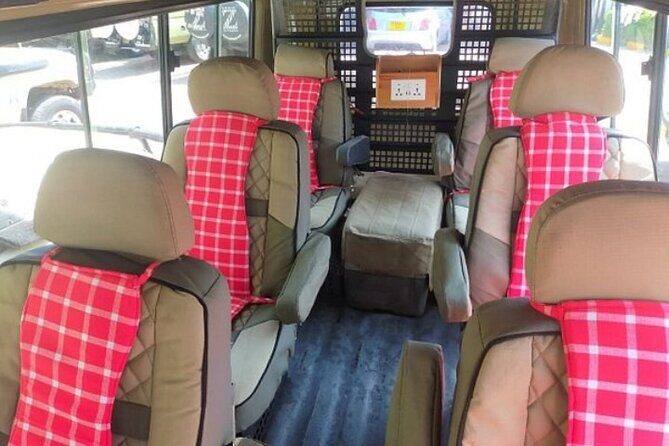
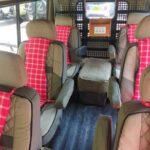
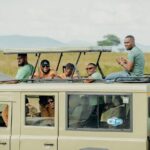
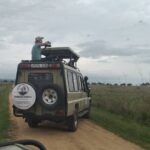
- 4×4 open-roof tourist jeep for easier viewing
- hotel/port pickup and drop-off
- bottled water
- driver/guide
- coffee and/or tea
- meals: 4 breakfasts, 4 dinners, 5 lunches
So while the price isn’t “cheap,” it’s also not pretending you’ll pay extra later for the core experiences. The boat and walking elements are major add-ons on many safari packages. Having them included is a real value point for you, especially if you want more than just standard jeep drives.
What’s not included:
- alcoholic drinks
- personal expenses
I like that this is straightforward. If you plan to avoid alcohol during the safari (or budget for it separately), your spending stays predictable.
Service quality: Mansour and Yunus Mohamed set the tone
A safari lives or dies on how it’s run—timing, communication, patience, and how smoothly changes are handled.
In the feedback linked to this operator, Mansour comes up for booking support that felt professional and responsive. On the ground, Yunus Mohamed is mentioned as one of the best guides for groups, with a reputation for patience and careful attention to details, including when kids are part of the group.
That’s not a small thing. A trip like this includes early mornings, long drives, and days where you might be tired—but the schedule still runs. When guiding is calm and organized, you’re more likely to enjoy the parks instead of counting minutes.
Also worth noting: there’s mention of good lodging and nice meals, plus a strong service feel for different ages—people ranging from first-time safari seekers to multi-generational groups.
Who this safari suits best (and who should think twice)
This tour fits you well if:
- you want Nyerere-style big-animal safari plus a walking safari day
- you like river wildlife as a change from pure vehicle drives
- you’re comfortable with a full schedule and don’t mind long road time
- you want meals + park fees + core activities included in one package
You might think twice if:
- you hate early starts (Day 5 sunrise is early)
- you have mobility issues that make long jeep time difficult (open-roof jeeps are great for sightlines, but seating can be a factor)
- you expect a relaxed pace with lots of free time built in (this one is structured)
Should you book this 5-day Nyerere and Mikumi safari with African Pangolin Safaris?
If you want a “real safari mix” in five days—boat on the Rufiji, walking safari with a ranger, and game drives in both parks—this is a strong choice. The included items matter: national park fees, the boat, the walking safari, open-roof 4x4s, and all core meals remove a lot of the annoying uncertainty that can inflate costs at the last second.
I’d book it if your ideal safari day includes both big moments and small ones: hippos and crocodiles on the river, plus the chance to read tracks on foot with a guide like an armed ranger.
If you hate long days in a vehicle, or if your expectations are more about comfort and downtime than wildlife time, then look for a shorter or less drive-heavy itinerary.
FAQ
What time does the safari start, and where do we meet?
The experience starts at 7:30 am, and the meeting point is the Ferry Ticket Office area in Dar es Salaam (57JW+4XH).
Is pickup and drop-off included?
Yes. Hotel/port pickup and drop-off is included, and your driver/guide will drop you at your hotel at the end.
What safari activities are included?
You get boat safari on the Great Rufiji River and a walking safari with guidance from an armed ranger. You also have game drives in open-roof 4×4 jeeps.
Are national park fees included in the price?
Yes. National park fees are included, along with bottled water and the listed meals.
Do I need a passport for this trip?
Yes. You’ll need a current valid passport on the day of travel, and passport details (name, number, expiry, and country) are required when booking.
Can I cancel and get a full refund?
Yes. You can cancel up to 24 hours before the experience starts for a full refund. If you cancel within 24 hours of the start time, the amount paid is not refunded.
—
If you tell me your travel month and whether you’re traveling solo, as a couple, or with kids, I can suggest how to pack and which days to prioritize for photography and comfort.