REVIEW · KILIMANJARO
Mount Kilimanjaro 7 Days – Machame Route
Book on Viator →Operated by Intrepid Explorer Tanzania · Bookable on Viator
Kilimanjaro’s Machame Route is a classic for a reason: it’s the tough, scenic way up. It follows the southern circuit under the ice fields, then pushes you toward the crater rim with a famously dramatic payoff. I like that it’s built for altitude progress, not just a straight grind upward.
What I especially like is the level of support included. You travel with qualified guides, assistant guides, porters, and a cook, plus camping gear, daily drinking water, and hot water for washing.
One heads-up: Machame is harder than the more relaxed routes, and it can be crowded. If you want a quiet mountain experience and you’re new to steep hiking, you’ll feel that difference fast.
In This Review
- Why the Machame Whiskey Route still draws big crowds
- The two big strengths I’d plan my trip around
- One drawback to think through before you commit
- Key points to know before you hike
- Machame Route: the “hard but worth it” Kilimanjaro plan
- Day 1: Machame Gate to Machame Camp through muddy rainforest
- Day 2: Shira National Park ridges and the steep rocky valley crossing
- Day 3: Lava Tower and the Barranco Camp acclimatization setup
- Day 4: Barranco Wall to Karanga Valley and the link toward Mweka
- Day 5: Barafu Camp rest day before the big push
- Day 6: Midnight summit bid, Stella Point sunrise, and the long descent
- Day 7: Mweka Park Gate certificates, muddy lower trails, then back to Moshi
- What $2,530 gets you (and how to judge value)
- What’s included that directly helps you
- What’s not included (you should budget for it)
- The realistic gear and clothing plan for Machame
- Fitness and pacing: who Machame suits best
- Pickup, privacy, and how the trip keeps moving
- Should you book this 7-day Machame climb?
- FAQ
- How long is the Machame route tour?
- Where does the Machame route start and end?
- What is the elevation profile like on this climb?
- Is a minimum number of days required for Machame?
- What kind of difficulty should I expect?
- Is pickup or transportation included?
- What’s included in the price?
- What is not included?
- Does the tour provide emergency oxygen?
- What is the cancellation policy?
Why the Machame Whiskey Route still draws big crowds
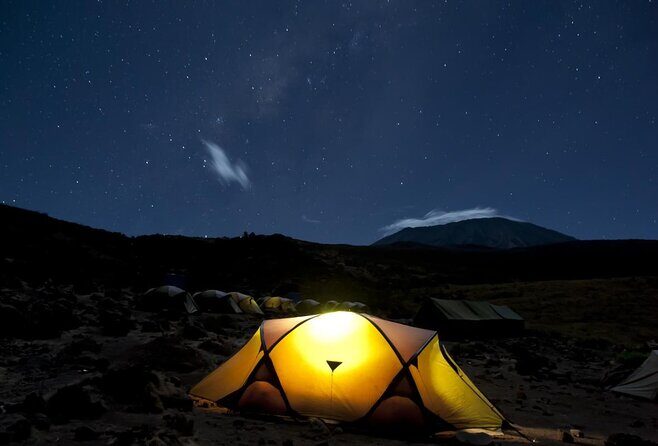
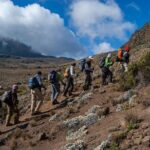
Machame is often called the Whiskey Route, and it has earned its reputation as the most popular way up Kilimanjaro. The days are longer, the trails are steeper, and you’ll hike through multiple “mood shifts,” from rain forest to rocky ridges and cold high camps. The payoff is real, but the trade-off is crowds, which can blunt that wild, private feeling.
The climb is also structured around pacing and acclimatization. A key feature is the way the itinerary repeatedly adjusts your altitude and direction, so your body learns what it needs before the summit night.
The two big strengths I’d plan my trip around
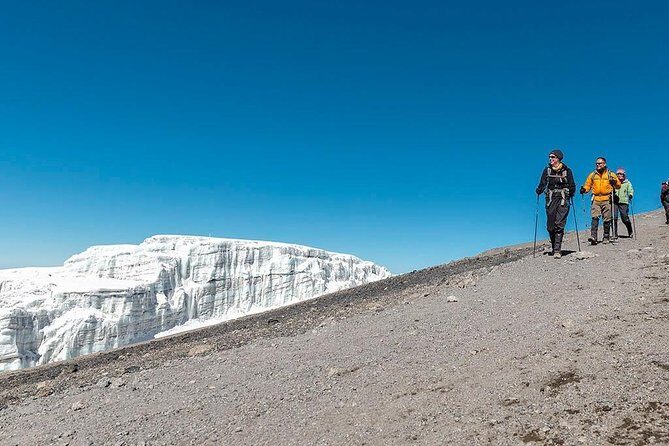
First, I love that the route is varied and scenic. You’re not just hiking the same trail all week. You’ll cross valleys, work through gorges and ridges, and hit highlight points like the Lava Tower area and Stella Point.
Second, I really appreciate the full-service camp setup baked into the price. Camping tents and sleeping mattresses are provided, and you get daily hot water for washing up. That sounds small until you’re tired, cold, and carrying nothing but yourself.
A few more Kilimanjaro tours and experiences worth a look
One drawback to think through before you commit
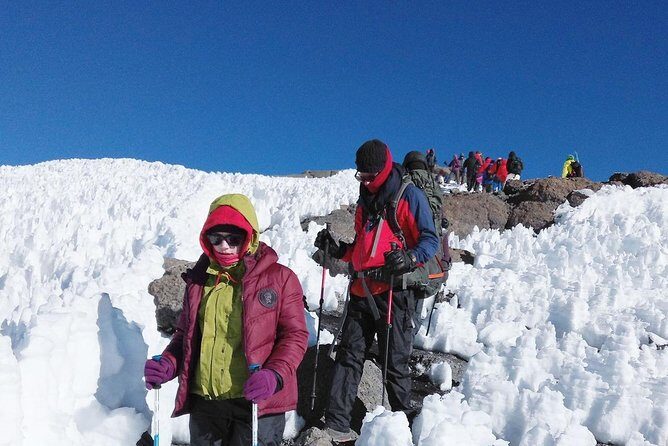
The main consideration is difficulty plus crowds. Machame is labeled difficult, and the days include steep stretches and real hiking hours. If you’re sensitive to crowds or you’re aiming for an easy, low-effort trek, you may find the experience stressful rather than inspiring.
Key points to know before you hike
- Whiskey Route difficulty: Longer days and steeper walking than gentler routes, best for people with some hiking or backpacking experience.
- Acclimatization is built in: The schedule includes an important adjustment day around Barranco and the Karanga area.
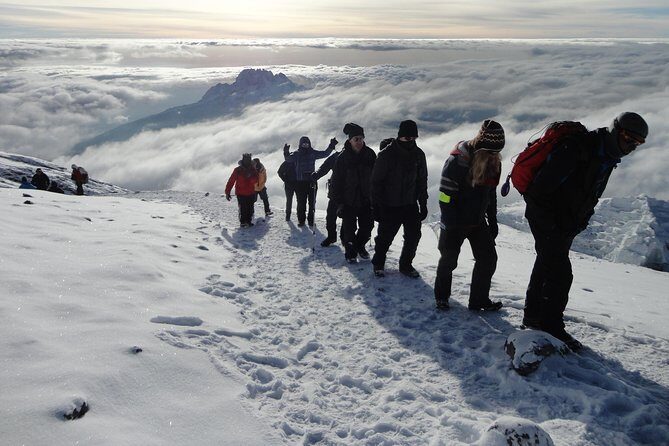
- The summit night is the event: You start very early, push through heavy scree, and aim for Stella Point before continuing.
- Steep + cold reality: Expect possible snow on the way to the summit and a long day (often around 13 hours).
- Crew and comfort are included: Guides, porters, cook, tents, sleeping mattresses, daily water, and hot water help you focus on walking.
- Machame can feel crowded: It still delivers, but the vibe may be less solitary than you imagined.
Machame Route: the “hard but worth it” Kilimanjaro plan
Machame begins from the south side and heads toward the east, then gradually positions you for summit day by traveling under the southern ice field before you go for the top. It’s not a short trip either. The minimum number of days is six, and seven is recommended for a better chance to acclimatize.
What that means for you: you’re signing up for a hiking week, not a quick adventure. You’ll be moving most days for hours, and you’ll need patience with altitude. The good news is that you’re not doing it alone—this is a private tour, so your group size is controlled and the support team can stick with you.
Day 1: Machame Gate to Machame Camp through muddy rainforest
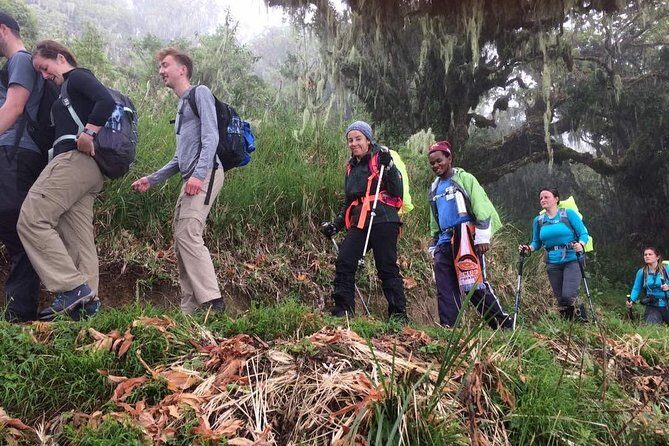
Your day starts with a drive from Moshi to the Kilimanjaro National Park gate, about 45 minutes. From there, you hike through rain forest on a winding trail up a ridge, climbing from about 1830 m to 3050 m.
The key thing on day one is footing. At lower elevations the trail can be muddy and slippery, so this is where gaiters and trekking poles earn their keep. You’ll cover around 11 km and expect roughly 5 to 6 hours, which sets the pace for the week.
Why this day matters: it’s your warm-up for the “up and slow” style you’ll need later. You’re not chasing speed, you’re learning how your body handles steady climbing.

Day 2: Shira National Park ridges and the steep rocky valley crossing
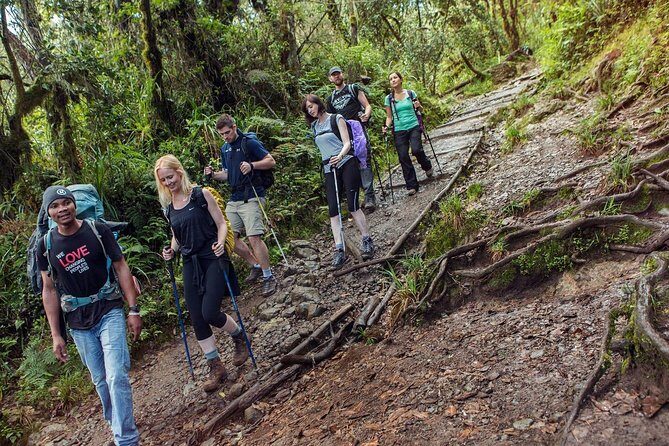
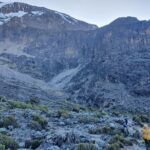
After breakfast, the trek leaves the glades of rain forest. The walking becomes more defined: an ascending path, a crossing along a steep rocky ridge, then a turn toward a river gorge.
You go from about 3050 m up to around 3850 m. It’s a short distance on paper—around 5 km—but you’ll feel the steepness, with roughly 4 to 5 hours of hiking.
Practical tip: don’t overthink the distance. With altitude and slope, 5 km can feel like twice that. Keep your steps controlled and your breathing steady, especially as the air gets thinner.
Day 3: Lava Tower and the Barranco Camp acclimatization setup
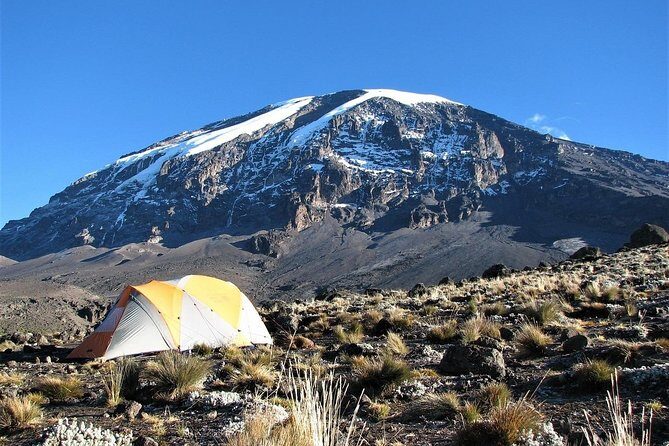
Day three starts near the Shira Plateau and continues up a ridge before heading toward the east. You’ll pass junctions that connect toward the Kibo area, then shift south-east toward the Lava Tower area, often called the Shark’s Tooth at around 4650 m.
Shortly after, you’ll encounter another junction that leads to the Arrow Glacier. Then the day turns into down-and-recover: you continue onward toward Barranco Camp, where you end the day back around 4000 m.
This is one of the most important days for your acclimatization. Even though the day starts higher and you end around a similar elevation, you’ve put stress on your system in a controlled way, so your body has a chance to adapt before summit night.
If you’re curious where the “challenge” truly shows up, this is a big piece of it. You’ll have views, but it’s also a mental exercise: you’re working hard while knowing you’re not at camp yet.
Day 4: Barranco Wall to Karanga Valley and the link toward Mweka
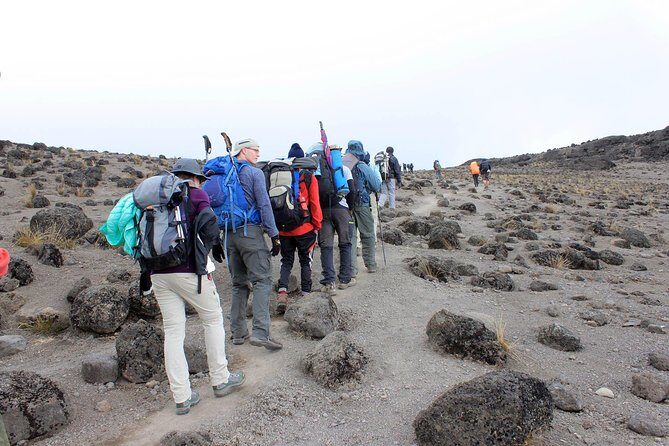
After breakfast, you leave Barranco and move up a steep ridge called the Barranco Wall. From there you climb toward the Karanga Valley, reaching the junction that connects with the Mweka trail.
Elevation stays in the same general high zone: about 4000 m to 4050 m. You’ll hike roughly 5 km for about 3 to 4 hours.
What I like about this day is the balance. You’re getting altitude exposure and training your legs for steep sections, but you’re not facing a massive height jump. This kind of “work the legs” day helps you show up stronger on the next camp.
Day 5: Barafu Camp rest day before the big push
By day five, you continue up to Barafu Camp. You’ve completed the South Circuit, and you get summit views from multiple angles along the way.
You climb from about 4050 m to around 4700 m over roughly 4 km, with a hiking time of about 3 to 4 hours. Then it’s camp mode: rest, dinner, and preparation for summit night.
Don’t underestimate “rest day.” This is where you manage your energy like a pro. You’ll likely feel both excitement and nervousness. Your goal is to keep your body calm and ready so you don’t burn up too early when the clock starts for real.
Day 6: Midnight summit bid, Stella Point sunrise, and the long descent
This is the day you plan around, the one with the sharp edges. You start very early, between midnight and 2 am, and you hike toward the summit between the Rebmann and Ratzel glaciers.
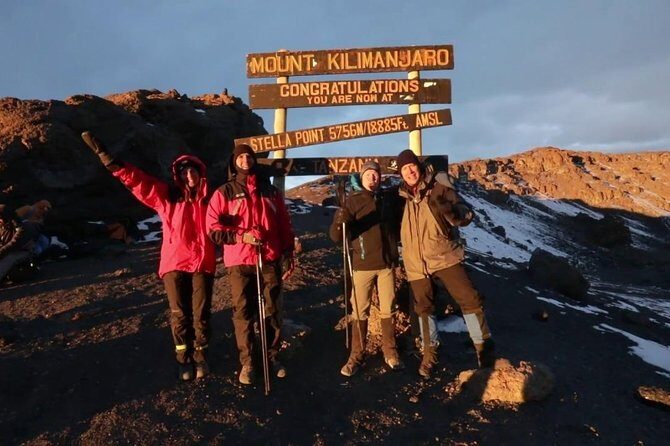
The itinerary heads in a northwesterly direction and climbs through heavy scree toward Stella Point on the crater rim. This is described as the most mentally and physically challenging part of the trek. You’ll stop briefly there and then face the next stretch.
The sunrise moment is a highlight. Stella Point is timed so you can be rewarded with the most magnificent sunrise you’re likely to see. If you’re a faster hiker, sunrise may also be visible from the summit area. After Stella Point, you may encounter snow all the way on the final ascent to the top, depending on conditions.
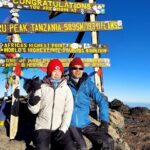
Once you reach the summit (Uhuru Peak is referenced in the route description), the day doesn’t end. You descend far—down to about 3090 m. The hiking totals are big: around 5 km uphill and roughly 13 km downhill, with a total day time listed at around 13 hours.
For your planning: this is a long, cold, demanding day with very little room for mistakes. If you’re unsure about your pacing or your hydration, summit night is not the day to experiment. Keep it simple, keep it steady.
Day 7: Mweka Park Gate certificates, muddy lower trails, then back to Moshi
After breakfast, you descend to the Mweka Park Gate. This is where you receive your summit certificates. At lower elevations, the trail can be wet and muddy, so your legs may be dealing with slosh, not just altitude.
You hike from about 3090 m down to around 1680 m over roughly 10 km, about 3 to 4 hours. Then there’s a short additional walk: another hour to Mweka Village.
A vehicle meets you at Mweka Village and drives you back to your hotel in Moshi, about 30 minutes. It’s the final cool-down, and it usually feels like the trip comes back into focus—food, warmth, and finally sleeping normally.
What $2,530 gets you (and how to judge value)
At $2,530 per person, this Machame trek isn’t cheap, but it includes a lot of the stuff that usually makes Kilimanjaro feel stressful.
What’s included that directly helps you
- All fees and taxes, plus return transfers to and from Kilimanjaro airport and Moshi
- Hotel the night before and after, with dinner and breakfast included
- Qualified mountain guide, assistant guides, porters, and cook
- Emergency oxygen (for emergencies only, not as summit aid) and a basic first aid kit
- Camping equipment: tents, camp chairs, tables, and sleeping mattress
- Daily drinking water and hot water for washing up
- Meals: 6 breakfasts and 6 dinners, plus 7 lunches
This is where value shows up: you’re not trying to organize porters, camp setup, and basics on your own. You’re also getting oxygen support and medical gear, which matters on summit day risk.
What’s not included (you should budget for it)
You’ll need to handle your flight, visas, and travel/medical insurance. Personal items are on you too, including many personal snacks and medicine. You’ll also likely want to rent some hiking/trekking gear if you don’t already have it.
One item I’d plan for: a portable toilet. It’s optional but described as highly recommended, and on a summit week, comfort and hygiene matter more than you expect.
The realistic gear and clothing plan for Machame
The route moves from warm-ish lower camps into cold, high-altitude conditions. The day-by-day descriptions hint at what to expect: muddy lower trails, then steep ridges, then heavy scree and potential snow near the summit.
I’d pack around these needs:
- Hiking shoes that grip and don’t hate mud
- Gaiters and trekking poles for the slippery segments
- Rain protection, since the forest section can get wet
- At lower elevations near the end: shorts and t-shirts usually make sense, but keep warmer layers and rain gear for mornings and high camps
If you arrive without gear, that’s workable. The tour data says you can rent personal hiking/trekking gear from their equipment store in Tanzania.
Fitness and pacing: who Machame suits best
Machame is labeled difficult, and the route data also says it’s best for more adventurous people with some hiking or backpacking experience. That’s not gatekeeping; it’s reality. You’re walking long hours on steep ground, and summit day is its own beast.
If you’re the type who likes structured climbs—controlled pacing, scheduled camps, and a clear plan—you’ll likely feel comfortable. If you only want a casual nature walk, you’ll probably struggle.
You also should aim for a moderate physical fitness level, since the itinerary has multiple full hiking days and ends with a long descent. The schedule itself does a lot to help acclimatization, but your body still has to show up ready.
Pickup, privacy, and how the trip keeps moving
This is a private tour/activity, so you won’t be mixed into random group dynamics. You’ll start at Machame Gate – Mount Kilimanjaro and end back at the meeting point, with the day-seven drive returning you to Moshi after Mweka Village.
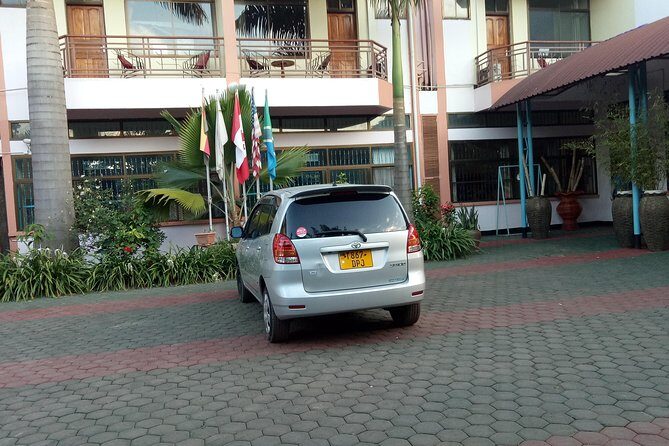
Pickup is offered, and transfers are handled as part of the included package. That matters because Kilimanjaro timing is unforgiving. You don’t want to spend energy solving logistics when you should be conserving it for the trail.
Should you book this 7-day Machame climb?
Book it if you want the classic Machame experience with full support, and you’re ready for steep, long hiking days. The biggest reasons to choose it are the crew + camp setup included, the acclimatization structure, and the summit-day design that targets the big sunrise moment at Stella Point.
Don’t book if you’re aiming for an easy trek or a quiet, crowd-free mountain. Machame can be busy, and its difficulty is part of the deal.
If you’re undecided, ask yourself this: do you want Kilimanjaro as a real hike with training value, not just a checkbox? If yes, this Machame plan makes a strong case, especially because so much of the hard-to-organize work is handled for you.
FAQ
How long is the Machame route tour?
The duration is about 7 days.
Where does the Machame route start and end?
It starts at Machame Gate in Barangata, Tanzania, and the activity ends back at the meeting point. On day seven, you also get a vehicle transfer to your hotel in Moshi after reaching Mweka Village.
What is the elevation profile like on this climb?
The itinerary begins around 1830 m and reaches about 5895 m on summit day, then descends to roughly 3090 m on day six and down to about 1680 m on day seven.
Is a minimum number of days required for Machame?
The minimum number of days required is six days, but seven days is recommended.
What kind of difficulty should I expect?
Machame is considered a difficult route, with longer and steeper walking days than some other options. It’s better suited for adventurous hikers with some hiking or backpacking experience.
Is pickup or transportation included?
Return transfers are included between Kilimanjaro airport and Moshi, and Moshi to Kilimanjaro airport. Pickup is also offered as part of the experience.
What’s included in the price?
The price includes all fees and taxes, hotel nights with dinner and breakfast, emergency oxygen for emergencies only, basic first aid kit, qualified guides/porters/cook, camping equipment, daily drinking water and hot water for washing, and meals (breakfasts, lunches, and dinners).
What is not included?
Not included are flights, visas, medical and travel insurance, items of personal nature, personal hiking/trekking gear (though some gear can be rented), portable toilet (optional but highly recommended), snacks, personal medicine, and water purifying tablets.
Does the tour provide emergency oxygen?
Yes. Emergency oxygen is included, but it’s specified for use in emergencies only, not as summit aid.
What is the cancellation policy?
Free cancellation is allowed up to 24 hours in advance for a full refund. If you cancel less than 24 hours before the experience starts, the amount paid is not refunded.