REVIEW · MOSHI
5 Days Comfort Safari in Tanzania
Book on Viator →Operated by Safaris Africa United · Bookable on Viator
Five mornings, four parks, and a lot of wow. This 5-day Northern Circuit safari starts in the Rift Valley area around Moshi/Arusha, then moves through Tarangire, Ngorongoro Crater, Serengeti, and Lake Manyara, finishing with a cultural visit in Mto wa Mbu. It’s built for people who want more than a quick drive-by: you get serious time hunting sightings while still having real stops for meals and breaks.
What I like most is the pacing. You’re not trapped in a rushed checklist, and you get a full half-day-style Serengeti game-drive block with a hot lunch served inside the park. I also like that Ngorongoro is treated as a centerpiece: the 600m descent into a caldera gives you that classic “big animals in a bowl” feeling, and you’ll have a chance for Maasai cultural interaction while you’re there.
One thing to consider is that this is an early-start safari. The schedule begins with a 6:00am start time, and you’ll be driving between parks, so you should be okay with long mornings and a bit of vehicle time in exchange for more wildlife days.
In This Review
- Key things that make this safari worth your attention
- Why this 5-day Northern Circuit route works
- Getting oriented in Moshi and Arusha before the safari starts
- Tarangire National Park: elephants, baobabs, and a strong dry-season feel
- Ngorongoro Crater: the 600m descent and a Big Five-focused day
- Serengeti National Park: real game drive time with lunch inside the park
- Lake Manyara + Mto wa Mbu: lions in trees and a culture stop that’s more than a photo
- Comfort Safari details: private guiding, early starts, and the Cornelius factor
- Price of $2,300 per person: what the money is actually buying
- Who should book this safari (and who should think twice)
- Should you book this 5-day comfort safari?
- FAQ
- Where does the tour start and when?
- Do I get picked up from the airport?
- Which national parks are included?
- Are park fees included?
- What meals are included?
- What’s not included in the price?
- Is it a private tour?
- Is there a mobile ticket?
- What if I need to cancel?
Key things that make this safari worth your attention
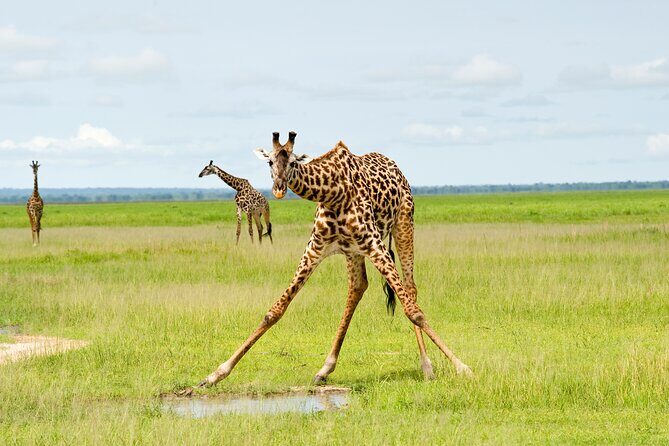
- Four headline parks in five days across Tanzania’s Northern Circuit, so you’re not doing only one park and calling it a trip
- Serengeti time with lunch inside the park, plus another afternoon game drive window
- Ngorongoro Crater’s 600m descent and 20km caldera view, with Big Five viewing as the goal
- Tarangire’s elephant herds and baobabs, especially strong in dry-season conditions
- Lake Manyara for tree-climbing lions plus heavy bird life, then a real village tour in Mto wa Mbu
Why this 5-day Northern Circuit route works
This safari is essentially a smart loop: you start with Tarangire (elephants and baobabs), hit the natural “pressure cooker” that is Ngorongoro Crater, then spend meaningful time on the wildlife conveyor belt that is Serengeti, and close with Lake Manyara and Mto wa Mbu culture. The value comes from mixing very different ecosystems instead of repeating the same scenery day after day.
The other win is focus. The program is clearly designed around sightings—Big Five areas where they’re realistic, plus “lookouts” for special moments like black rhino on the route. That matters because on safari, the difference between a good trip and a great one is often how well your time gets spent when animals are actually active.
A few more Moshi tours and experiences worth a look
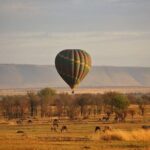
Getting oriented in Moshi and Arusha before the safari starts
Your trip begins with arrival handling. If you land at Kilimanjaro (JRO) or Arusha (ARK), you’ll be met by a Safari Africa United representative and driven to your Arusha lodging for an overnight stay. This is a practical setup because it prevents that messy scramble of trying to arrange transport and paperwork right before you’re supposed to chase wildlife.
If you arrive early, you might be able to do a city tour in Arusha, but the main point is simple: you get a night to settle in, hydrate, and be ready for the early start. Your safari day starts at 6:00am, so even a good dinner the night before (and an early bedtime) will help.
Tarangire National Park: elephants, baobabs, and a strong dry-season feel
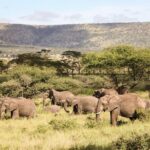
On day two, you drive from Arusha to Tarangire National Park (about 2 hours). Tarangire covers roughly 2,600 sq km, and it’s especially famous for large elephant herds and giant baobab trees. The elephant numbers can be dramatic—think 300+ elephants in areas at certain times—and that concentration tends to make your wildlife time feel efficient.
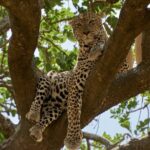
Tarangire is also one of the easier places to spot a mix of mammals. You’ll likely see buffalo, and there are healthy lion and leopard populations. In dry-season conditions, the park is described as having the highest concentration of mammals in the country, which is a big deal if your goal is steady sightings rather than “maybe we’ll get lucky.”
You also might encounter wild dogs and rarer antelope like gerenuk. If you like the idea of not only chasing the big names but also noticing the smaller, weirder wildlife, Tarangire is a great place to build that instinct.
A practical consideration: the park is large, so you’ll want to dress for early game viewing and stay flexible with where the sightings are. That means layers, good sun protection, and patience when you’re scanning for movement.
Ngorongoro Crater: the 600m descent and a Big Five-focused day
Day three is all about Ngorongoro Crater. After breakfast around 8:00am, you drive to the Ngorongoro Conservation Area, stop at a viewing point, and then descend into the crater, which drops about 600m. That descent is part of the magic: the caldera opens up as a roughly 20km-diameter bowl, and the air feels different once you’re down inside.
Ngorongoro is described as one of the best places in East Africa for Big Five viewing. Even when you don’t get every species, the density of wildlife in the crater system is what makes it so memorable. You’re not searching random square miles—you’re working within a natural enclosure where animals tend to concentrate.
There’s also a cultural element. You’ll have the opportunity for interaction with people from the Maasai tribe as part of the day’s experience. This is valuable because it keeps the safari from being only vehicle-and-wildlife and adds real human context to the region you’re driving through.
If you’re specifically hoping for black rhino, this is one of the days where that intention fits the route. The important truth: safari is never a guarantee. But setting your expectations toward credible habitats and known target areas is what increases your odds.
Serengeti National Park: real game drive time with lunch inside the park
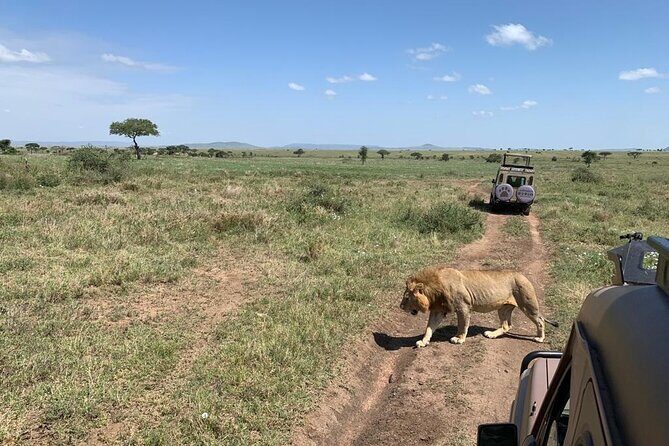
Day four is where the safari gets its serious “wildlife hours.” After breakfast around 8:00am (or earlier if you choose), you do half-day game driving in Serengeti National Park. Serengeti is known for having the largest concentration of wildlife anywhere on the planet, and the goal here is straightforward: you’re looking for lion, elephant, buffalo, rhino, and leopard.
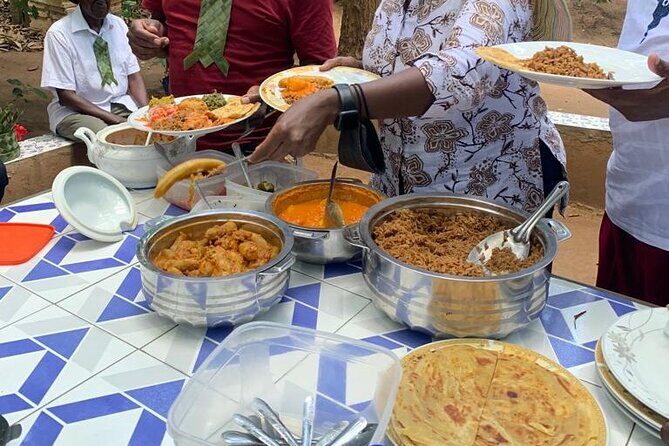
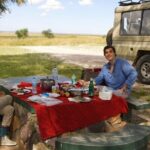
You get a structured comfort break built into the action. A hot lunch is served inside the park at about 12:30pm, along with soft drinks and unlimited drinking water. That sounds like a small thing until you’re out on the plains for hours. Having food and water handled means you can keep your focus on watching rather than managing logistics.
You then have a final game-drive window until roughly 3:00pm, after which you head for accommodation in Karatu. The route also includes passing through the Ngorongoro Conservation Area for dinner and overnight stay. This is a good pattern for travelers who want the day to end in comfort without skipping the chance for one more wildlife look along the way.
One drawback to note: since this is a half-day style block (not full-day every day), it helps to keep your expectations realistic. Serengeti can be huge and animals don’t “schedule.” The payoff is that you still have a meaningful run of sightings time without burning the whole day in the vehicle.
A few more Moshi tours and experiences worth a look
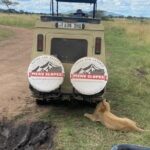
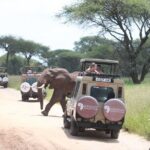
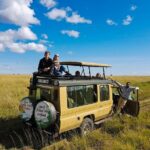
Lake Manyara + Mto wa Mbu: lions in trees and a culture stop that’s more than a photo
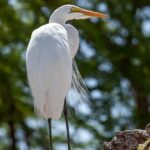
On day five, the safari shifts from crater-and-plains into rift-lake ecosystems. You drive to Lake Manyara National Park and it’s known as a tree-climbing lions place, plus a birder’s paradise. More than 500 bird species are present, so if you enjoy birds, this can become its own mini-safari within the safari.
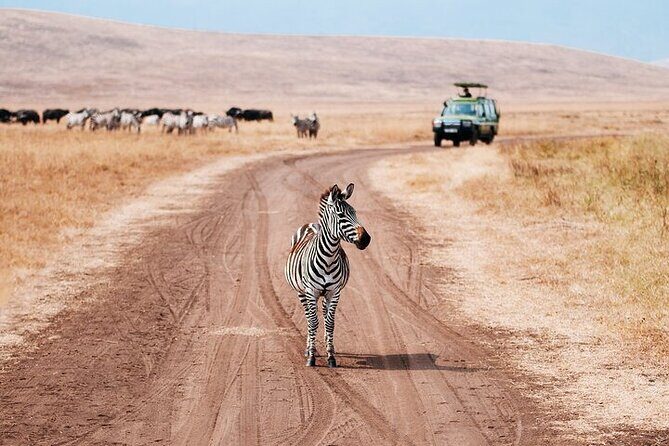
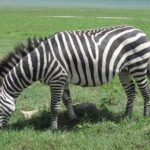
You’ll also look for giraffe, zebra, hyena, buffalo, hippo, elephant, and wildebeest. This mix tends to make Lake Manyara feel different from the parks you hit earlier, with plenty of variety beyond “just big mammals.”
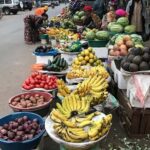
After game viewing, you head to Mto wa Mbu village for a cultural tour. Mto wa Mbu is known for plantations like banana and rice. You’re accompanied by a local guide from the area, who shares information about village life and how different communities live together. This part is a solid balance to the animal-heavy days and gives you a sense of how Tanzanian livelihoods connect to the landscapes you’ve been driving through.
A practical note: village tours often involve walking and time outdoors. Wear comfortable shoes and expect a slower pace than park driving.
Comfort Safari details: private guiding, early starts, and the Cornelius factor
This experience is listed as private, meaning it’s just your group in the activity. That’s not a small detail in safari terms. It usually means more flexibility with game-drive timing and less friction than joining a larger shared group.
A strong theme tied to the team is how smoothly things get handled on the ground. Cornelius (and his team) is described as highly attentive—helping with transport at all times, guiding you through what’s happening, and managing unexpected situations when they come up. Even if you’re an easygoing traveler, that kind of support reduces stress, especially with early mornings, multiple park entries, and long drive days.
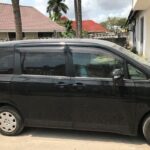
Transport and logistics are also handled for you: the package includes transportations plus arrival and departure transfers. Park entry fees are treated as included through all fees and taxes, and you’ll get a mobile ticket.
The main “comfort” you should expect is control. You’re not spending your trip figuring out what to do next. You’re spending it looking for animals and enjoying breaks that keep your energy up.
Price of $2,300 per person: what the money is actually buying
At $2,300 per person for roughly 5 days, the price isn’t budget. But it can make sense if you compare what’s included versus DIY safari costs.
Here’s what you’re getting in the base package:
- Accommodations (lodging is included)
- Meals: breakfasts (5), lunches (4), and dinners (4)
- Transport and transfers (including arrival/departure handling)
- All fees and taxes, which matters for park entry
- Private guiding (your group only)
What’s not included is also clear: tipping, flights, visa, travel/medical insurance, and drinks at the lodge. Also, if you change your plans, those changes aren’t covered.
So the value question becomes: do you want to pay for less hassle? If you’d rather not manage reservations, park fees, and day-by-day transport yourself, this package can be a fair way to buy time and convenience. If you’re comfortable doing independent planning and you have flexibility with driving and park access, you might find lower-cost options—but you’ll trade away some of this structure.
Who should book this safari (and who should think twice)
This safari fits best if:
- you want multiple major parks in a short time without feeling like you’re “rushing through”
- you’re serious about wildlife time but still want meals handled and not “pack your own survival kit”
- you like a mix of wildlife and at least one culture stop where you meet local life through a guide
You might think twice if:
- you dislike early starts and long drive days
- you need full-day Serengeti time every day (this program gives a strong block, but not nonstop all-day touring)
Should you book this 5-day comfort safari?
If you want a North Circuit sampler with real weight behind Serengeti and Ngorongoro, I’d say this is a strong pick. The itinerary is built around high-odds wildlife areas, and the included meals and transfers reduce the typical chaos that can drag down an otherwise great safari.
Book it if you’re excited by the idea of elephants and baobabs in Tarangire, a dramatic crater descent at Ngorongoro, strong game-drive hours in Serengeti, and a final day that pairs Lake Manyara with Mto wa Mbu village life.
Skip or compare if $2,300 feels too steep for your budget, or if you want more flexibility to customize days. With safari, the structure is part of the deal—so make sure you actually like that kind of plan.
FAQ
Where does the tour start and when?
The experience starts at Kilimanjaro International Airport (meeting point listed at Kilimanjaro Airport Rd, Tanzania) with a start time of 6:00am.
Do I get picked up from the airport?
Yes. When you arrive at Kilimanjaro JRO or Arusha ARK, you’ll be met by a Safari Africa United representative and driven to your Arusha lodging for an overnight stay.
Which national parks are included?
You visit Tarangire National Park, Ngorongoro Crater (Ngorongoro Conservation Area), Serengeti National Park, and Lake Manyara National Park, plus a cultural tour in Mto wa Mbu village.
Are park fees included?
Yes. The package includes all fees and taxes, and each day lists admission ticket as free.
What meals are included?
The tour includes breakfast (5), lunch (4), and dinner (4).
What’s not included in the price?
Not included are tipping, flights, visa, medical insurance, travel insurance, and drinks at the lodge.
Is it a private tour?
Yes. It’s described as private, meaning only your group participates.
Is there a mobile ticket?
Yes. The tour includes a mobile ticket.
What if I need to cancel?
Cancellation is listed as free up to 24 hours in advance for a full refund. If you cancel less than 24 hours before the experience starts, the amount paid won’t be refunded.