REVIEW · MOSHI
5 Days Tanzania Safari Private Tour
Book on Viator →Operated by MERU SLOPES TOURS AND SAFARIS · Bookable on Viator
Big cats and river elephants in one route. This 5-day private Tanzania safari strings together Tarangire, Serengeti, Ngorongoro, and Lake Manyara, with the Great Wildebeest Migration season running July to October. Two things I like a lot are the private setup for a more personal pace and the clear wildlife targets at each park. The main drawback to watch for is lodge-booking accuracy, especially for the final night—double-check your accommodation plan before you arrive.
You’ll get pickup support around the Moshi area (often from Usa River), private transport, picnic lunch boxes, and meals for the full circuit. You’re also timed for wildlife—early drives are baked in, including a dawn Ngorongoro game drive. One last consideration: Lake Manyara is a great add-on, but as a finale it can feel less intense than Serengeti or the crater.
Key things I’d pay attention to
- Serengeti built around Big Five sightings with resident lions and leopards, plus elephants and buffalo in the mix
- Two-day Ngorongoro crater experience: you sleep near the crater rim, then drive early for the best chance at animals at the crater floor
- Tarangire’s dry-season water story with the Tarangire River acting as a lifeline during dry months
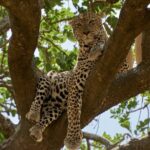
- Lake Manyara’s chance at tree-climbing lions and classic Rift Valley scenery cues
- Service names matter: guides like Salehe and Jacob Elisha come up for being responsive and genuinely helpful, and coordinator Geofrey Nassari is noted for quick communication
- Value comes from what’s included: private transport, unlimited drinking water, WiFi on board, and full meals across the 5 days
In This Review
- Private 5-day Tanzania Safari from Moshi: what the value really feels like
- Tarangire National Park: elephant time and the all-year river logic
- Serengeti Central Seronera: where the Big Five meet the migration season
- From Serengeti to Ngorongoro Rim: the crater rim night that helps you go early
- Ngorongoro Crater Conservation Area: dawn drive and the “animals at water” effect
- Lake Manyara on the last day: tree lions, Rift Valley clues, and a slower tempo
- Price and what $975 buys you (and what it doesn’t)
- Comfort, timing, and the service edge that can make or break a safari
- Who this safari is best for (and who should adjust expectations)
- Should you book this 5 Days Tanzania Safari Private Tour?
- FAQ
- What’s the duration of the safari?
- Where does the tour start?
- Which parks are included?
- What meals are included?
- Is the Tanzania visa included in the price?
- Are park admission tickets included?
- How does cancellation work?
Private 5-day Tanzania Safari from Moshi: what the value really feels like
If you’re choosing a safari that’s not trying to do everything, this route makes a lot of sense. You hit four parks that each specialize in something different: elephants and river life at Tarangire, Big Five and plains spectacle at Serengeti, the crater “zoo in a bowl” at Ngorongoro, and Lake Manyara for its distinctive lion behavior and Rift Valley feel.
The private format is the big advantage. You’re not sharing your game-drive rhythms with a random crowd, so you can ask for adjustments and stay focused on where animals actually are that day. That matters because safari success is partly math (season and timing) and partly flexibility.
At the same time, no safari is perfect. This circuit is intense, and the schedule is tight enough that lodging mix-ups or last-minute changes can be annoying. I’d treat the booking process like part of the trip: confirm your accommodation for the full length, including your final night near Usa River.
Tarangire National Park: elephant time and the all-year river logic
Day 1 starts with the drive from the Moshi area (listed pickup from Usa River) into Tarangire National Park. The park is known for its Tarangire River, which flows all year, giving animals a reason to stay put when other water sources shrink in dry seasons. That single detail drives the experience: you’re hunting for wildlife around water, not just random luck across a huge area.
You’ll bring along a picnic lunch box and enjoy a full day in the park, then finish with dinner and an overnight at Marera View Lodge. This lodge is a practical base for the next day’s leap to Serengeti. The itinerary lists admission tickets as free, which is a real value lever if you’re budgeting carefully.
What to expect on the ground: more of that “close to animals” feeling. When water is steady, animals often become repeat sightings—meaning you can spend less energy scanning and more time watching behavior. If you’re hoping for elephants (the park is specifically described as home of elephants), this is the first place to set that tone.
Small trade-off: Tarangire’s wildlife can be very concentrated, but it doesn’t always produce the same nonstop chaos you get in Serengeti. If you’re craving the absolute biggest safari scale every single hour, you might find Tarangire more about steady viewing than constant drama.
You can also read our reviews of more private tours in Moshi
Serengeti Central Seronera: where the Big Five meet the migration season
Day 2 moves you to Serengeti National Park, specifically the Central Seronera area. Serengeti is a UNESCO World Heritage Site and it’s famous for the resident wildlife mix—especially the Big Five: lion, leopard, elephant, rhino, buffalo. In practical terms, that means your guide isn’t just “looking for something,” they’re searching for a defined set of targets in a system that supports them.
You’ll have a long game-drive day and then settle in at Serengeti Heritage Tented Lodge for dinner and overnight. The itinerary keeps things moving, with picnic lunch boxes again and a full day game plan.
On Day 3, you’ll do a morning game drive back in Serengeti before heading toward Ngorongoro Crater Rim. That morning timing is worth it because animal activity often picks up as temperatures rise. Also, it’s a nice way to avoid the classic mid-day slump when everyone’s scanning and nobody’s seeing much.
One of the most exciting parts of Serengeti is the seasonal context. This tour is framed around the Great Wildebeest Migration window (July to October). Even if the exact herd movement varies year to year, this timing matters because you’re traveling when the ecosystem is set up for dramatic crossings and grazing activity.
What I like here is how the itinerary balances “resident wildlife” and “seasonal spectacle.” You’re not betting everything on one migration moment.
From Serengeti to Ngorongoro Rim: the crater rim night that helps you go early
After the Serengeti morning game drive, you head to Ngorongoro Crater Rim with a picnic lunch. Ngorongoro is described as the world’s largest collapsed volcanic crater, surrounded by extinct volcanoes. Then you get the real showpiece detail: the crater floor holds around 30,000 animals, clustered around watering holes.
The itinerary has you overnight at Ngorongoro Wildlife Lodge (listed via Hotels & Lodges Tanzania). Sleeping near the rim is one of those small logistical wins that changes your day. It makes an early crater drive far more realistic, so you’re not spending half your energy lost in transit.
This part of the route also tends to feel different from the open plains of Serengeti. Instead of wide horizons, you’re looking at a closed system. That often means more predictable wildlife viewing once you get down and start moving along the best watering points.
The potential drawback? Expect long days and a lot of time in the vehicle. This is still a private safari, but the parks are far apart and the timing is ambitious. If you’re sensitive to car time, plan to bring comfort items (snacks, sun protection, and something warm for early mornings).
Ngorongoro Crater Conservation Area: dawn drive and the “animals at water” effect
Day 4 is the crater big moment. After breakfast, you leave for an early morning drive in the Ngorongoro Conservation Area, described as another UNESCO World Heritage Site. The itinerary emphasizes that the crater highlands sit west of Arusha and that the area’s wildlife concentration makes it a major natural wonder.
This is the day when you’re most likely to feel that Ngorongoro magic: animals gathered where resources are. The tour highlights that there are around 25,000 animals in the conservation area, which is why guides often say you’re watching a whole ecosystem in a smaller bowl.
If you care about the Big Five, this is still a serious target day—lions and cheetahs are specifically mentioned in the overview. Even when you don’t get every target, Ngorongoro has a way of rewarding focus: keep your eyes on movement near watering spots and you’ll often see multiple species use the same routes.
Your dinner and overnight return to Marera View Lodge. That “reset” matters because it breaks up the intensity before Lake Manyara on Day 5.
Lake Manyara on the last day: tree lions, Rift Valley clues, and a slower tempo
Day 5 drives you to Lake Manyara National Park. The tour notes that “Manyara” comes from a Maasai word connected to a plant used for livestock stockades. You’ll also learn about the Rift Valley fault line and its massive scale—an educational bonus that doesn’t feel like a classroom, since you’re seeing the environment play out in real terrain.
Here’s the wildlife hook: Lake Manyara is where you can see climbing tree lions (often called tree lions). The tour positions this as a signature experience, and it’s one of the reasons people choose this park as part of a 5-day circuit rather than swapping it out for a more typical plains stop.
The practical reality: as a final day, Lake Manyara can feel less explosive than Serengeti or Ngorongoro. That’s not a bad thing—it can be a relief. You tend to shift from “maximum intensity” to “excellent variety and unique behavior,” which is a great way to end if you want the trip to feel complete rather than exhausting.
After the park experience, you return to Usa River for your hotel in the afternoon.
A few more Moshi tours and experiences worth a look
Price and what $975 buys you (and what it doesn’t)
At $975 for 5 days as a private safari, the value hinges on what’s included. This tour lists:
- Private transportation
- Unlimited drinking water
- WiFi on board
- Flying doctor services
- Breakfast, lunch, and dinner for all 5 days
- Parking fees
- Admission tickets marked as free in the day-by-day details
- Mobile ticket
If you’ve priced safaris before, you know park fees and meals can add up fast. Having meals and transport included is what keeps the budget predictable.
What’s not included: Tanzania visa. That’s a normal extra, but it’s one you need to handle ahead of time.
Also worth noting: the itinerary mentions the experience requires good weather. If conditions are poor, you may be offered a different date or a full refund. That’s not unique to this operator, but it’s still something you should plan around.
Comfort, timing, and the service edge that can make or break a safari
This is where private tours earn their keep. A safari isn’t just about animals; it’s about time management. Your driving days are long, so having private transportation reduces the stress of coordinating with other groups.
The tour includes pickup support (meeting point listed as Kilimanjaro Airport, and the itinerary also references picking up from Usa River). You also get picnic lunch boxes, which is useful in a place where stopping for food can stretch the day.
Then there’s the “nice to have” layer:
- Unlimited drinking water means you’re not negotiating refreshments all day.
- WiFi on board is a convenience for messages and logistics, even if you won’t stare at screens once you’re in the parks.
- Flying doctor services is listed, which gives a safety net that matters when you’re far from hospitals.
Guide quality is another big factor. Names that come up include Salehe (praised for being helpful and fulfilling requests) and Jacob Elisha (recognized for being experienced, proactive, and ready for challenges). On the coordination side, Geofrey Nassari is highlighted for being responsive and accommodating—especially when changes needed to happen close to departure.
Service can still slip, though. One hard caution surfaced around lodging reservation issues for a last night. I can’t control that, but you can: confirm every accommodation name and check the last-night plan early.
Who this safari is best for (and who should adjust expectations)
This is a strong fit if you:
- Want a private safari that feels tailored rather than rushed by group schedules
- Like a route that includes both resident wildlife (especially around Serengeti) and seasonal spectacle (migration season July to October)
- Want a mix of park styles: river-driven Tarangire, plains hunting in Serengeti, crater concentration at Ngorongoro, and distinctive behavior at Lake Manyara
It may not be ideal if you:
- Are easily overwhelmed by back-to-back driving days (5 days is short, and Tanzania distances add up)
- Hate any uncertainty about end-of-trip lodging—since safari success is high, but logistics still require careful confirmation
- Expect Lake Manyara to deliver the same intensity as Serengeti every minute (it can be more relaxed, and that’s not everyone’s favorite way to end)
Should you book this 5 Days Tanzania Safari Private Tour?
I’d book it if you want a classic wildlife circuit done in a private format, with meals and transport handled and clear wildlife targets. The strongest reasons are the combination of Serengeti Big Five focus, the two-part Ngorongoro crater experience, and the way the route covers different ecosystems in just 5 days.
Before you pay, do two quick things:
- Confirm your accommodation for the full number of nights, especially the final night near Usa River.
- Ask how your guide plans to handle timing between parks and whether you’ll prioritize certain targets like rhino or leopard (since the tour is framed around the Big Five).
If those boxes are clean, this is the kind of safari that leaves you with big-picture memories: elephants at Tarangire, plains drama in Serengeti, crater concentration at Ngorongoro, and the unusual charm of tree lions at Lake Manyara.
FAQ
What’s the duration of the safari?
It’s listed as approximately 5 days.
Where does the tour start?
The meeting point/start is Kilimanjaro Airport (with a listed start time of 7:30 am). The itinerary also references pickup from Usa River.
Which parks are included?
The route includes Tarangire National Park, Serengeti National Park, Ngorongoro Crater / Ngorongoro Conservation Area, and Lake Manyara National Park.
What meals are included?
The tour includes breakfast (5), lunch (5), and dinner (5).
Is the Tanzania visa included in the price?
No. Tanzania Visa is listed as not included.
Are park admission tickets included?
In the day-by-day details, admission tickets are marked as free.
How does cancellation work?
The tour lists free cancellation up to 24 hours in advance for a full refund. If you cancel within 24 hours, the amount paid is not refunded. The experience also notes it requires good weather, with options for a different date or full refund if canceled due to poor weather.