REVIEW · ARUSHA
Arusha city tour
Book on Viator →Operated by KIL, SERENGETI GREEN MILES ADVENTURE · Bookable on Viator
Arusha in a day is surprisingly full. This private Arusha city tour strings together waterfall views, hands-on culture stops, and a real wildlife detour just outside town, with pickup and an all-day rhythm that works well if you want the “best of Arusha” without guessing. I especially like the mix of nature + history in one trip, and the fact it’s run for your group only.
My second favorite part is the pacing around food and breaks, including a proper lunch in Arusha and time for coffee at a local hangout. One drawback to plan for: it’s a long day (about 8 to 12 hours), and several stops have extra admission not included in the price—so wear comfortable shoes and keep a little spending buffer.
In This Review
- Key highlights to know before you go
- Arusha in One Long Day: How this $300 private tour feels for value
- Pickup and pacing: what 8–12 hours actually means on the ground
- Mount Meru Waterfall: a gentle nature reset near Arusha
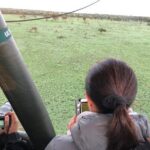
- Kilimanjaro Golf and Wildlife Estate: a luxe detour with real animals
- Maasai Curios Market: crafts, beads, and shopping without the guesswork
- Arusha Declaration Museum Center: the 1967 story behind modern Tanzania
- Cultural Heritage Centre: art and history you can actually buy
- Meserani Snake Park: the loudest stop on the day (in a good way)
- Themi Falls Leisure Park: slower walking and photo time
- Arusha International Conference Center: a modern landmark with cultural touches
- Lunch in Arusha and coffee at Burka Coffee Lounge: where the day resets
- Who this tour suits best (and who might skip it)
- Practical tips to make the day smoother
- Should you book the Arusha City Tour?
- FAQ
- How long is the Arusha city tour?
- Is pickup included?
- Is lunch included?
- Which admissions are included, and which are not?
- Does the tour include coffee?
- Is this a private tour?
- When should I plan Mount Meru Waterfall?
Key highlights to know before you go
- Private group tour with pickup so you’re not stuck with strangers and a rigid pace
- Mount Meru Waterfall with admission included and time to enjoy a relaxed walk
- Meserani Snake Park (2 hours) with admission included, plus live demonstrations
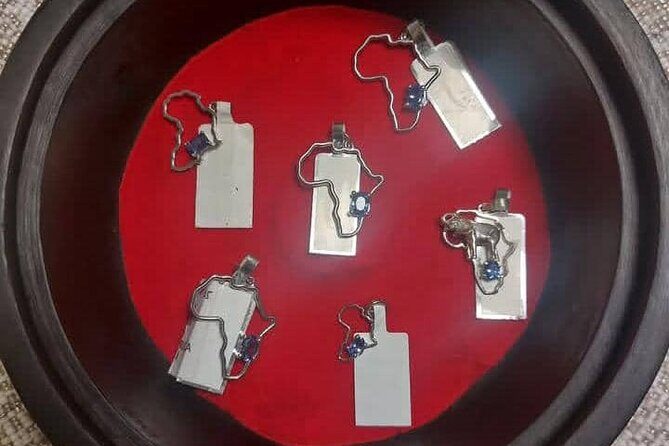
- Maasai crafts shopping for beaded jewelry, carvings, and traditional-style items
- Two culture stops that go beyond photos: Arusha Declaration Museum and the Cultural Heritage Centre
- Coffee time at Burka Coffee Lounge to slow down and recharge mid-day
Arusha in One Long Day: How this $300 private tour feels for value
At $300 per person for roughly 8 to 12 hours, you’re paying for convenience and structure more than for one “big-ticket” attraction. What you’re getting is a full itinerary stitched around Arusha’s most visitable themes: nature around Mount Meru, people and art in town, plus a wildlife stop that many people don’t expect to include on a city day.
For value, I like how the tour includes pickup, parking fees, a lunch, and admission for two key stops: Meru Waterfall and Meserani Snake Park. Those admissions alone make a difference when you’re trying to compare this with a do-it-yourself day.
One practical consideration: not every stop’s ticket is included. Kilimanjaro Golf and Wildlife Estate, the Maasai Curios Market, the Cultural Heritage Centre, and Themi Falls Leisure Park are listed as not included for admission. That doesn’t ruin the day, but it does mean the final “all-in” cost can move depending on what you choose to enter.
You can also read our reviews of more city tours in Arusha

Pickup and pacing: what 8–12 hours actually means on the ground
This is a private tour, so your timing depends on your guide and your group’s pace rather than a fixed bus schedule. That’s a plus if you like photos, want a slower market moment, or prefer time to sit and recover after a walk.
The route is built to keep you moving: waterfall first, then wildlife estate, then market and museum/culture stops, then the longer snake park visit, and finally the falls and conference center, ending with coffee. Expect drives between stops, plus time for ticketed entry where included.
My tip: plan your day like you’re doing a mini-road trip, not just sightseeing. Drink water before you start, and wear shoes you can walk in for uneven outdoor paths. Even short stops add up fast when you’re switching between city streets and park-style settings.
Mount Meru Waterfall: a gentle nature reset near Arusha
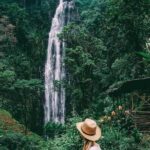
The day begins with Meru Waterfall, about 15–20 kilometers from Arusha. You’re dropped into a lush, green setting where the goal isn’t climbing a mountain—it’s slowing down and enjoying a nature walk and the sound of water.
You also get admission included here and about an hour on site. That matters because it turns “I hope it’s pretty” into a more reliable plan.
Season note you can actually use: Meru Waterfall is best in the rainy season (March–May), when conditions are said to be ideal. If you’re traveling outside that window, you may still enjoy the walk, but do expect it to feel different depending on how water levels are behaving.
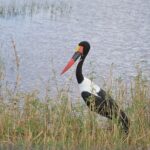
If you hate damp trails, go early in the day and keep an eye on footwear. If you love birds and quiet corners, bring your camera mode ready—this stop is where photos often feel most natural.
Kilimanjaro Golf and Wildlife Estate: a luxe detour with real animals
Next is the Kilimanjaro Golf and Wildlife Estate, a luxury development near Kilimanjaro that mixes an 18-hole golf course with wildlife conservation areas. The time here is shorter—about 40 minutes—and the admission isn’t included.
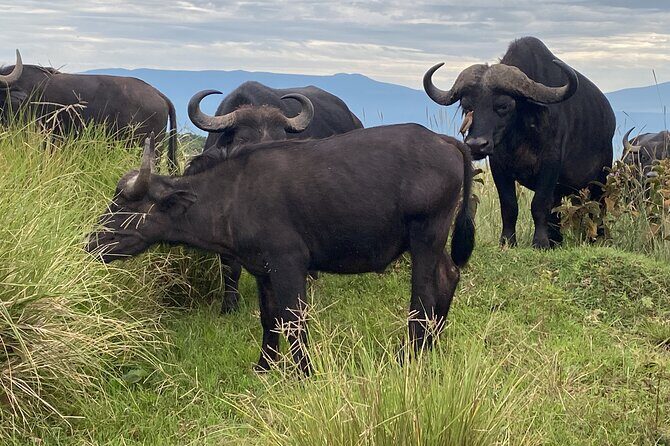
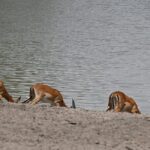
What makes this stop interesting is the wildlife angle. The estate area is described as hosting animals like giraffes and zebras, so it’s not just a scenery stop. Even without a long stay, it gives you a different feeling than Arusha center.
The trade-off: since admission isn’t included, you’ll want to decide whether you’re paying to enter and how much you care about this specific setting versus using that time elsewhere. If you’re the type who likes seeing animals in conservation settings, it’s a good fit.
Maasai Curios Market: crafts, beads, and shopping without the guesswork

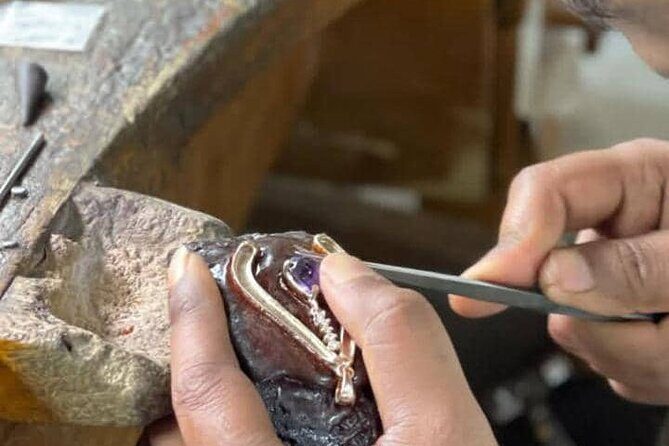
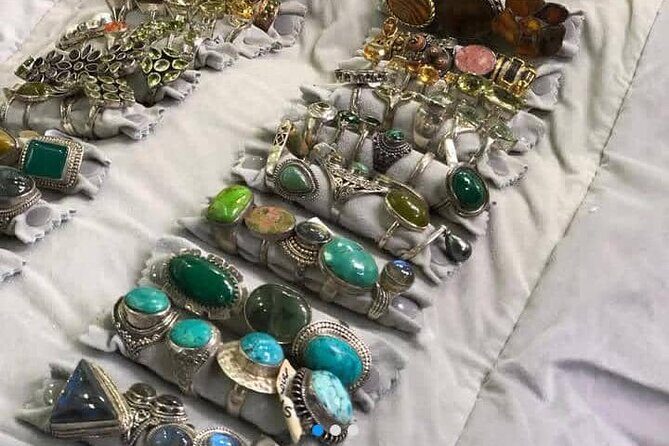
The tour then heads to the Maasai Curios Market, where you can browse handmade items like beaded jewelry, wooden carvings, traditional-style clothing, and spear replicas.
This is one of those stops where your best move is simple: go in with a budget, take a breath, and compare a couple of stalls before you buy. Because you’re on a schedule, it helps to decide ahead of time what kind of souvenir you actually want—small and easy to carry (beaded items, carvings) beats “maybe” purchases when you’re traveling.
The admission for the market is also listed as not included, so you’re paying mainly through your spending choices. If you’re focused on value shopping, this is the part where a little patience pays off.

Arusha Declaration Museum Center: the 1967 story behind modern Tanzania

This stop adds depth: the Arusha Declaration Museum Center commemorates the Arusha Declaration of 1967, led under President Julius Nyerere, tied to socialist policies aimed at equality and self-reliance.
If you’re the kind of traveler who likes to understand how a place got here, this museum time helps connect Arusha to Tanzania’s independence story and later development. It’s a very different pace from wildlife and markets, which I appreciate on a packed day.
Since the itinerary doesn’t state admission included here, you should treat museum time as “check the ticket on arrival” and be ready for the possibility of an extra fee. Even so, it’s one of the best stops for learning without needing a long tour extension.
Cultural Heritage Centre: art and history you can actually buy

After the museum, you’ll visit the Cultural Heritage Centre—a cultural and art hub in Arusha that functions as both museum and gallery. It highlights traditional African art like sculptures, paintings, and jewelry, reflecting the diversity of East African cultures.
What I like about this stop is that it’s practical. You can look, learn, and then shop for handcrafted souvenirs in the same place, rather than chasing items around town.
There’s also history content mentioned—exhibits connected to Tanzanian heritage, wildlife, and indigenous tribes. If you’re already thinking about Maasai crafts at the market, this gives you more context for why certain designs and materials show up where they do.
Admission here is listed as not included, so again: you’ll want to decide whether you’re paying to enter. If you’re mainly shopping, you might still find value; if you’re mainly learning, it’s worth paying attention to the ticket.
Meserani Snake Park: the loudest stop on the day (in a good way)
Then comes Meserani Snake Park, one of the most distinctive attractions you’ll see on an Arusha day tour. You get about 2 hours, and admission is included.
This is described as both educational and entertaining. You can learn about venomous and non-venomous snakes, with species referenced like cobras, pythons, and vipers. There are also live snake demonstrations, which is often the moment people remember most.
The park also includes chances to interact with or see other animals like crocodiles and tortoises. On top of that, there’s a Maasai cultural center for traditional lifestyle experiences.
The only real caution here is for anyone who doesn’t like snakes or fast-moving reptiles. If that’s you, this stop will feel stressful. If you’re curious (or you’re traveling with a group that loves wildlife), it’s a great contrast to the quieter waterfalls and museums.
Themi Falls Leisure Park: slower walking and photo time
Next up is Themi Falls Leisure Park, a natural waterfall near Arusha described as more of a calm escape from city life. Admission is listed as not included, and the stop is about 40 minutes.
This isn’t a “rushing through” stop. It’s the time slot where you can breathe, take photos, and enjoy the greenery and the sound of the falls. It also helps reset you after snake park energy.
If you’re sensitive to slippery ground, keep your pace steady. If the weather turns, Themi Falls can still work because the focus is on relaxation and short walks, not intense trail work.
Arusha International Conference Center: a modern landmark with cultural touches
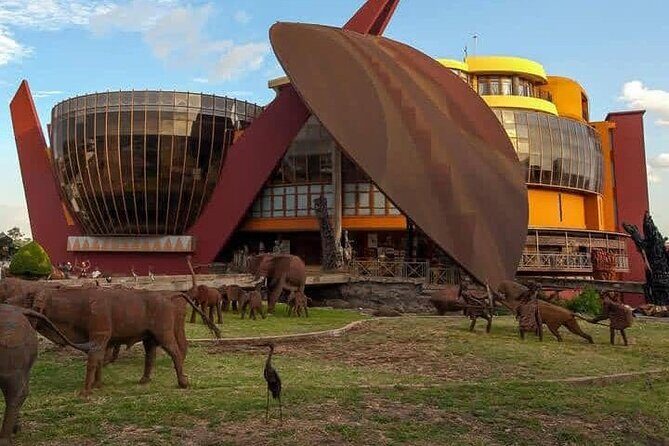
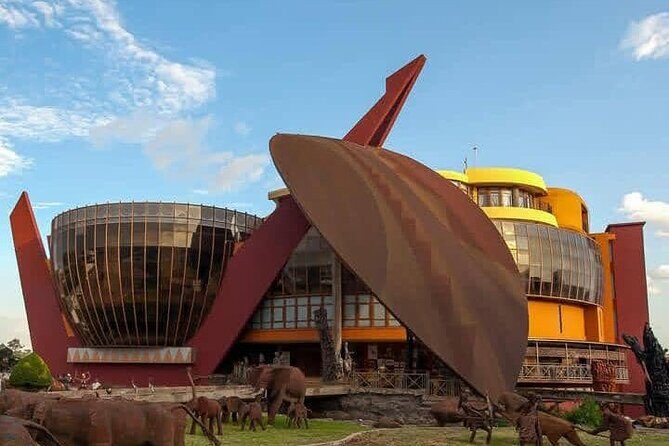
The Arusha International Conference Center (AICC) is a different kind of stop—less outdoors, more city-center structure. It’s known as a venue for international conferences, meetings, and events, with modern facilities like conference halls and meeting rooms.
The tour description also notes cultural displays and art, which is a nice reminder that you’re not just visiting wildlife and markets all day. This stop can feel like a breather, especially if you’ve been out in the sun.
Admission isn’t discussed as included, so treat it as a “see what’s open” moment. Even outside a ticketed area, the building itself can be a good landmark to spot and remember.
Lunch in Arusha and coffee at Burka Coffee Lounge: where the day resets
Food is built into the day. Lunch is included, with popular options mentioned in Arusha like The Coffee Lounge and The Blue Heron. Since the exact lunch spot can vary, I’d treat this as a chance to eat something familiar enough to keep your energy up.
Later, there’s a coffee stop at Burka Coffee Lounge, around 1 hour, with admission listed as free. The lounge is described as a relaxed place for freshly brewed coffee, teas, and light snacks, and it’s also a social hub.
This is the kind of stop that makes a long day feel manageable. After waterfalls, markets, and snake park, you’ll likely appreciate sitting down with a drink—especially if you’ve been doing photo-heavy walking.
Who this tour suits best (and who might skip it)
This is a strong match if you want a one-day Arusha overview that includes both culture and nature without planning everything yourself. Adventure seekers will like Meru Waterfall and Meserani Snake Park; culture fans will get value from the Declaration Museum and Cultural Heritage Centre. Solo travelers benefit from the private setup and the built-in schedule; families can appreciate the variety, as long as everyone is comfortable with the snake park element.
You might think twice if you:
- hate long travel days (it’s 8–12 hours)
- dislike reptiles or snake-related demonstrations
- want every stop’s admission included (several tickets are not included)
Practical tips to make the day smoother
Bring light rain protection if you’re traveling near the rainy season. Meru Waterfall is specifically noted as best in March–May, which also suggests weather can be changeable around that time.
Use sunscreen and stay hydrated. Even if you’re mostly walking outdoors for short stretches, the day is long.
For shopping, decide what you want before you start bargaining. Maasai Curios Market has plenty of handmade items, and it’s easy to overspend when you’re short on time.
Finally, if you’re sensitive to animal viewing environments, ask your guide what to expect at Meserani and how the demonstrations are run. A good guide will help you steer your comfort level.
Should you book the Arusha City Tour?
If your goal is to get a structured, full-day feel for Arusha—waterfall morning, culture and history mid-day, snake park wow-factor, then falls and coffee—this tour is easy to recommend. The biggest reasons: private group pacing, pickup convenience, and included admission at two major attractions (Meru Waterfall and Meserani Snake Park), plus lunch and parking handled for you.
I’d only skip or reconsider if you’re not interested in snakes, or if you prefer a lighter day with fewer stops and no extra tickets. Otherwise, this is the kind of itinerary that gives you both photos and context, without requiring you to stitch together a dozen separate plans.
FAQ
How long is the Arusha city tour?
The duration is listed as about 8 to 12 hours.
Is pickup included?
Yes, pickup is offered.
Is lunch included?
Yes. Lunch in Arusha is included, with options mentioned such as The Coffee Lounge and The Blue Heron.
Which admissions are included, and which are not?
Admission is included for Mount Meru Waterfall and Meserani Snake Park. Admission is listed as not included for the Kilimanjaro Golf and Wildlife Estate, Maasai Curios Market, Cultural Heritage Centre, and Themi Falls Leisure Park.
Does the tour include coffee?
Yes. There is a 1-hour stop at Burka Coffee Lounge, and it’s listed as free admission.
Is this a private tour?
Yes. It’s a private tour/activity, so only your group participates.
When should I plan Mount Meru Waterfall?
Mount Meru Waterfall is described as best during the rainy season (March–May).