REVIEW · ARUSHA
4 days 3 nights Safari- Tarangire, Serengeti and Ngorongoro Crater
Book on Viator →Operated by pazuri porini safaris · Bookable on Viator
Wild cats, elephants, and a dawn descent
in four days.
This safari is built for maximum wildlife time without the usual slow, do-nothing gaps. I like the professional guide angle, especially the way guides such as Assad (and his team member Simba) are praised for finding action early and staying calm when sightings get fast-moving. I also like that the plan mixes classics with high-stakes timing, including a 6:15 am crater descent day where animals are easier to spot from the crater floor.
One thing to consider: the schedule is packed and start-times are early. You’ll also have long driving blocks between parks (for example, the Serengeti transit is listed as about 6 hours with stops), plus camp-style nights at places like Simba public campsite, so it’s not the kind of trip where you lounge all afternoon.
In This Review
- Key highlights you should actually care about
- Why Tarangire, Serengeti, and Ngorongoro in 4 Days Works
- Arusha to Tarangire: Elephants, baobabs, and a full wildlife day
- Crossing into Serengeti: A quick Ngorongoro viewpoint on the way
- Seronera mornings and sunset drives: the big-cat day
- Ngorongoro crater at 6:15 am: black rhino odds and the crater loop
- Your guide and the real value of finding sightings first
- Price and what $883.50 really buys you
- Lodging basics: Ngedere lodge/campsite and Simba public campsite
- Getting the most from game drives (without overthinking it)
- Who should book this safari?
- Should you book this 4-day Tarangire, Serengeti, and Ngorongoro safari?
- FAQ
- What parks are included on this 4-day safari?
- How long is the tour?
- Where does the safari start?
- What’s the group size?
- What’s included in the price?
- What isn’t included?
- Do I get a ticket on my phone?
- Where do you stay overnight?
- What if I need to cancel?
Key highlights you should actually care about
- Big-cat focus in Serengeti, with early morning game drives and a sunset run in Seronera
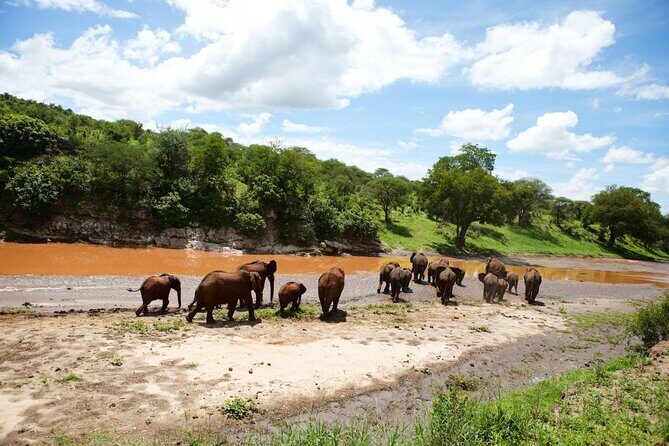
- Tarangire elephants and baobab scenery, plus a picnic lunch timed near the Tarangire River
- Ngorongoro timing for black rhino, with an early descent and later crater game drive
- Short group size (max 6 travelers), which usually makes it easier for your guide to manage everyone and keep eyes on sightings
- Guide skills that matter in real life: reports of getting to sightings before other vehicles and spotting action from farther away
Why Tarangire, Serengeti, and Ngorongoro in 4 Days Works
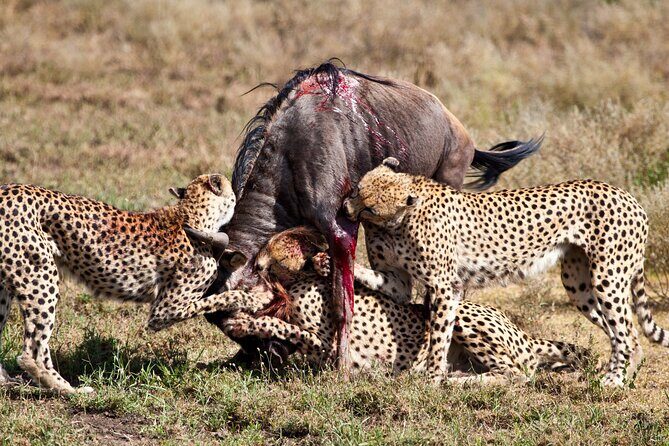
If you’re trying to see Tanzania’s top wildlife parks on a short leash, this is a smart route. Tarangire gives you classic elephant country and iconic baobabs, Serengeti delivers the big-cat show (lions, cheetahs, leopards), and Ngorongoro adds the feeling of going into a natural amphitheater—especially on the day you descend early.
The biggest strength is pacing. You’re not just “driving through.” Each day has a main wildlife window: Tarangire is full-day game time with an afternoon/evening push; Serengeti has both an early morning drive and a late-day sunset drive; Ngorongoro has a dawn descent followed by a crater loop.
There’s also a practical travel reason this route makes sense: you’re based out of Arusha area logistics and keeping transfers reasonable for a 4-day safari. That matters because on safaris, time lost on the road is time not spent scanning for tails, stripes, and movement in the grass.
A few more Arusha tours and experiences worth a look
Arusha to Tarangire: Elephants, baobabs, and a full wildlife day
Day one starts with pick-up from Arusha around the morning hours (the schedule lists start time 7:00 am, and day one pickup is described around 08:00 am). Then you drive roughly 2 hours into Tarangire National Park.
Tarangire is famous for two things you’ll notice right away. First: elephants. They show up in numbers, and they’re often moving through the park in ways that look almost staged—dust, trunks, and that slow confidence. Second: giant baobab trees, which aren’t just pretty to look at. They act like natural landmarks, so when your guide is scanning from a distance, these trees help anchor where animals tend to gather.
What you’ll do there
- A full day game drive across Tarangire’s areas, using daylight for both variety and luck.
- A picnic lunch in front of the Tarangire River, which is the kind of practical break that keeps you in wildlife mode rather than disappearing into a lodge for hours.
- An afternoon/evening game drive as you exit the park.
Why this day is valuable
Tarangire’s rhythm is different from Serengeti. You’re more likely to get close, grounded sightings and a “we’re in elephant country” vibe. It’s also a good way to calibrate your safari skills early—how to scan, how to spot the stillness that comes before movement, and how quickly your eyes adjust to grass and distance.
Possible drawback
Because it’s a full day plus an extra evening game drive, day one can feel like a lot of window-time in a vehicle. If you’re the type who needs frequent breaks, you’ll want to manage expectations and plan to stretch during stops and at meals.
Crossing into Serengeti: A quick Ngorongoro viewpoint on the way
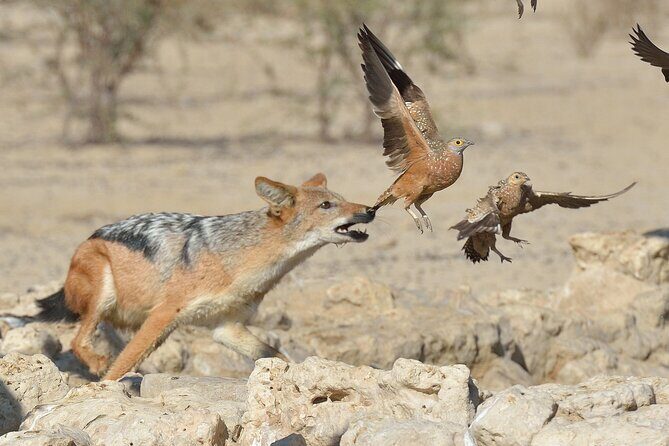
On day two, breakfast happens first, then you start the long transit toward Serengeti. The drive is listed at about 6 hours including stops, and it passes through the Ngorongoro Conservation Area Authority zone.
This is where your schedule adds a little extra payoff: there’s a brief stop at the Ngorongoro Crater gate and viewpoint, with about 20 minutes to look into the crater.
You’re not doing a full crater day yet, but this quick view does two helpful things:
- It gives you mental context for what you’ll do on day four.
- It breaks up the travel so the day doesn’t feel like one long bus ride.
Then you reach Serengeti late afternoon and jump into a game drive in Seronera, where the plan is to keep driving toward evening. The highlight here is the sunset in Serengeti—the time when lighting can make movement easier to spot and when predators are often more active.
Why Seronera matters
Seronera is described as the center of Serengeti in the plan, which is exactly what you want on a short safari: you want to be in the zone where sightings are more consistent rather than chasing far-off parts of the park with limited daylight.
Also, this is the day where people often report that big-cat moments can happen quickly. A good guide can make a huge difference here by reading the land and positioning the vehicle while there’s still enough light to see action.
Seronera mornings and sunset drives: the big-cat day
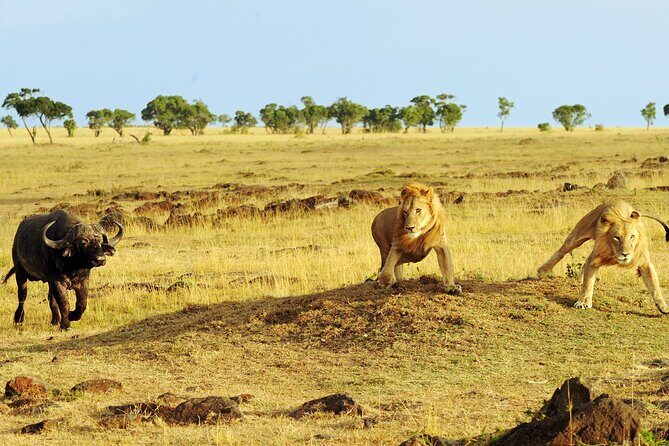
Day three is an early start—breakfast at 6:30 am, then an early game drive in Serengeti (Seronera). This is the part of the plan that leans hard into wildlife density.
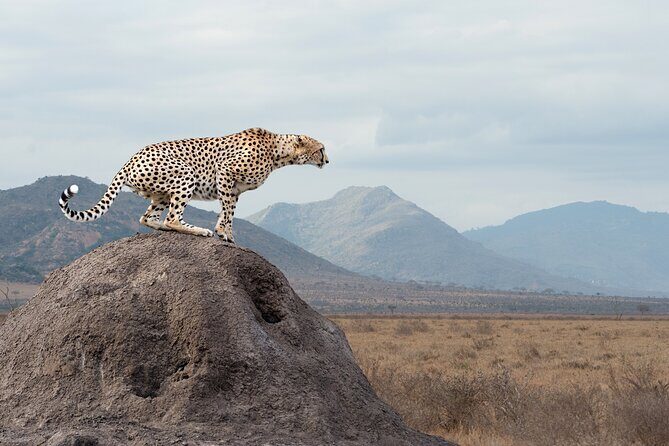
The schedule highlights “wild cats” as the core focus here: lions, cheetahs, and leopards. Early morning matters because animals are often more active then, and the angles of the light help you spot motion in tall grass.
Later, you’ll shift into the lunch/picnic rhythm and then return for another game drive, again with an eye toward sunset. The day ends with an evening drive back to Ngorongoro and an overnight at Simba public campsite.
Why this day hits differently
This is the safari structure that tends to work best if you care about predator behavior, not just animal sightings. Lions and cheetahs don’t just appear; they show patterns. Early drive time increases your odds of catching those patterns before the heat and fatigue slow the day down.
Also, having a camp night at Simba public campsite means you’re positioned well for the next morning’s crater descent. It’s not about comfort—it’s about timing, and timing is everything in Ngorongoro.
Possible consideration
Public campsite nights can feel more basic than lodge stays. If you’re expecting hotel-level silence and pillows, you might need to adjust your mindset. The trade-off is that you get to be close to the crater area when it matters.
Ngorongoro crater at 6:15 am: black rhino odds and the crater loop
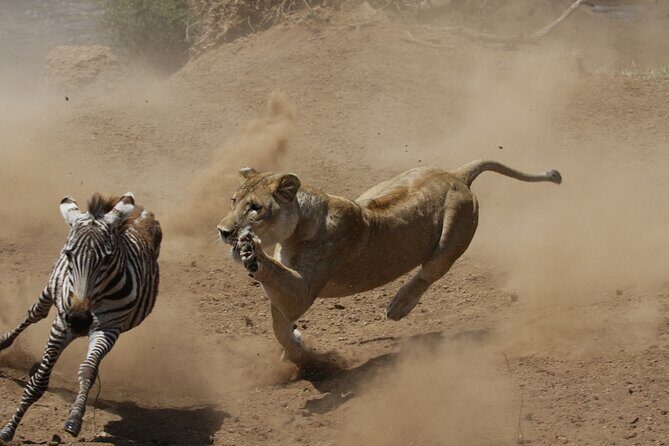
Day four is the payoff day. After an early breakfast, you descend the crater at 6:15 am. The plan calls out one detail that’s worth taking seriously: black rhino can be the hardest to spot, even in Ngorongoro.
So why go early anyway?
Because Ngorongoro is a floor crater. That changes how spotting works: animals can be more visible from the crater areas since you’re already at the right elevation. Early timing also reduces fatigue and gives your guide more hours to search while conditions are good.
What you’ll do inside the crater
- A crater descent at 6:15 am
- A focused search for black rhino (hardest target)
- After lunch: a game drive inside the crater
- Then ascending the crater and heading back toward Arusha after the safari
Practical reality check
Rhino sightings are never guaranteed on any Ngorongoro day. But what you can control is how much time you give the search, and your schedule is designed to prioritize that. If you’re someone who came for the hardest-to-see target, this is the day you’ll appreciate.
A few more Arusha tours and experiences worth a look


Your guide and the real value of finding sightings first
A safari guide isn’t just a person who points at animals. It’s about speed, judgment, and knowing where to go before the vehicle line crowds the view.
The strong theme from past safari experiences is that guides like Assad are praised for being super knowledgeable, easygoing, and very experienced at spotting. People specifically talk about him getting to action areas ahead of other groups and scanning from farther away with a strong sense of where to look. That’s not just a nice story—it’s the difference between watching animals from far away and actually getting to see what’s happening.
You’ll also see the teamwork angle. In some experiences, Simba is mentioned as helping make spotting easier and keeping guests comfortable. On a safari where everyone is sitting for long periods, that kind of support matters: you want someone who can translate what you’re seeing and adjust fast when conditions change.
Even in the Ngorongoro crater day, guide skill is the multiplier. You’re not only looking; you’re also deciding which area to cover, how long to hold position, and when to move.
Price and what $883.50 really buys you
Let’s talk value without sugarcoating.
The listed price is $883.50 per person for 4 days and 3 nights, including:
- All park entrances and taxes
- Accommodation during the safari
- Meals: 4 lunches, 3 breakfasts, and 3 dinners
What’s not included:
- Flights
- Visa fees
- Personal items
- Tips to the guide
So what are you paying for?
You’re paying for access, logistics, and time in the parks with a guide. On safaris, entrances and park taxes add up quickly, and meals remove a big chunk of hassle. The fact that this covers entrances and standard meal planning is a clear value play, especially when you’re trying to keep travel simple between three major parks.
How to think about “affordable”
A $883.50 total for Tarangire + Serengeti + Ngorongoro in under five days isn’t just about the itinerary. It’s about the way the plan limits extra days, reduces wasted motion, and packs your wildlife time into a manageable timeframe. If you want a short safari that still hits the big icons, this is the kind of budget-friendly structure that can work.
One caution: tipping isn’t included. That’s normal on safari, but you should plan for it so you don’t get surprised at the end.
Lodging basics: Ngedere lodge/campsite and Simba public campsite
This trip mixes accommodation types:
- Day one night at Ngedere lodge and campsite
- Day three night at Simba public campsite
That means you should expect a safari-style stay, not a resort. The upside is location and timing. The crater morning works because you’re positioned nearby the prior night. The Seronera drives work because you’re not adding extra overnight hops.
If you’re sensitive to basic camping realities, pack for it:
- Bring layers (mornings can feel cooler when you’re starting early)
- Expect a more outdoorsy setting at least one or two nights
- Use the downtime at meals and brief stops to reset
Getting the most from game drives (without overthinking it)
Game drives aren’t a checklist. They’re patience plus positioning.
Here’s how this specific plan helps you:
- Two Serengeti drives (early morning and late-day sunset) give you multiple chances for sightings.
- Tarangire full-day driving adds elephant and baobab variety so you aren’t stuck in one animal type.
- Ngorongoro dawn crater search prioritizes the hardest target (black rhino) with the right time of day.
Also, because this safari is capped at a maximum of 6 travelers, it usually keeps the vehicle experience more controlled. That can make it easier for your guide to manage everyone’s sight lines when animals appear at distance or when movement shifts quickly.
Who should book this safari?
This is a strong fit if:
- You want Tarangire + Serengeti + Ngorongoro in a short 4-day window
- You care about big cats and want multiple time blocks in Serengeti
- You like the idea of an early, serious day in Ngorongoro rather than a casual stop
- You’re traveling in a smaller group (max 6) and prefer a more personal rhythm
It may not be ideal if:
- You hate early mornings and long drives
- You’re expecting hotel comfort every night
- You want a relaxed, slow-paced trip with lots of free time
Should you book this 4-day Tarangire, Serengeti, and Ngorongoro safari?
I’d book it if your priority is wildlife time in three of Tanzania’s most iconic settings—without stretching the trip into a long, expensive logistics project. The plan is built around the key moments that matter: Serengeti’s early-to-sunset viewing windows and Ngorongoro’s early crater descent.
The biggest reason to feel good about the choice is the guide-centered experience. People highlight guides such as Assad for spotting skill and for getting to action fast, and that’s exactly what you need when the animals aren’t on schedule.
Go in knowing it’s early starts + camp-style nights for part of the trip. If you can handle that, this safari hits a lot of wildlife highlights in a tight, value-minded package.
FAQ
What parks are included on this 4-day safari?
You’ll visit Tarangire National Park, Serengeti National Park (including Seronera), and Ngorongoro Crater in the Ngorongoro Conservation Area.
How long is the tour?
The duration is listed as 4 days (about 3 nights).
Where does the safari start?
It starts from Arusha, Tanzania, with pickup in the morning. The meeting start time is listed as 7:00 am and day one pickup is described around 08:00 am.
What’s the group size?
The tour has a maximum of 6 travelers.
What’s included in the price?
The package includes all park entrances and taxes, accommodation during the safari, and meals: 4 lunches, 3 breakfasts, and 3 dinners.
What isn’t included?
It does not include flight tickets, visa fees, personal items, or tips to the guide.
Do I get a ticket on my phone?
Yes. The tour summary notes a mobile ticket.
Where do you stay overnight?
Overnights are listed as Ngedere lodge and campsite (day one) and Simba public campsite (day three).
What if I need to cancel?
Free cancellation is available if you cancel up to 24 hours in advance for a full refund. If you cancel less than 24 hours before the start time, the amount paid is not refunded.