REVIEW · MOSHI
5 Days Tanzania Private Safari Tour
Book on Viator →Operated by Kiwoito Africa Safaris · Bookable on Viator
Five days can feel like a blur of animals.
This private safari from Moshi pairs Lake Manyara, Serengeti, Ngorongoro, and Tarangire with real-world cultural stops, all organized with airport pickup/transfer built in.
What I like most is the pace and planning. I love the private transportation—it keeps the safari feeling tailored instead of rushed, especially on the long park days. I also like that the trip mixes wildlife with hands-on culture, from Maasai crafts to Olduvai Gorge.
One consideration: this is a high-action route with a lot of time on the road. If you want a vacation that is mostly lounging, the consecutive driving days may feel like work.
In This Review
- Key highlights worth your attention
- Moshi Base: what this private setup changes for you
- Day 1: Arusha arrival plus Lake Manyara’s birds and big-mammal chances
- Maasai Market stop: crafts you can actually use
- Day 2: Serengeti direction and Olduvai Gorge context
- Day 3: Full Serengeti morning, then a Serengeti Hippo Pool stop
- Late afternoon lodge time: why it’s not just downtime
- Day 4: Ngorongoro Crater descent (600 meters) and a second crater-focused viewing window
- Day 5: Tarangire for big-energy wildlife, then Mto wa Mbu culture before your flight
- Then: fly out or overnight
- Price and value: what $2,900 per person is really buying
- Guides, communication, and how to use that advantage
- Who should book this Tanzania private safari—and who should think twice
- Final call: should you book this 5-day private Moshi safari?
- FAQ
- Where does the tour start and what time?
- What’s the duration of the safari?
- Is this a private safari?
- What parks and sights are included?
- What meals are included?
- Is airport transfer included?
- What is the price per person?
- Are visas included?
- Are tips included?
- Can I cancel and get a full refund?
Key highlights worth your attention
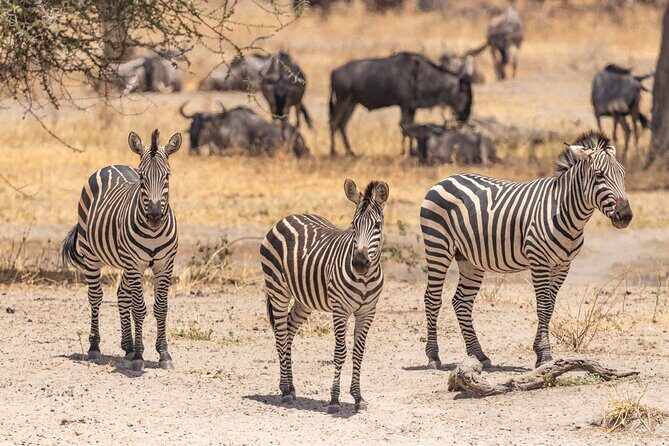
- Private guide and vehicle so game drives can match what the day is actually producing
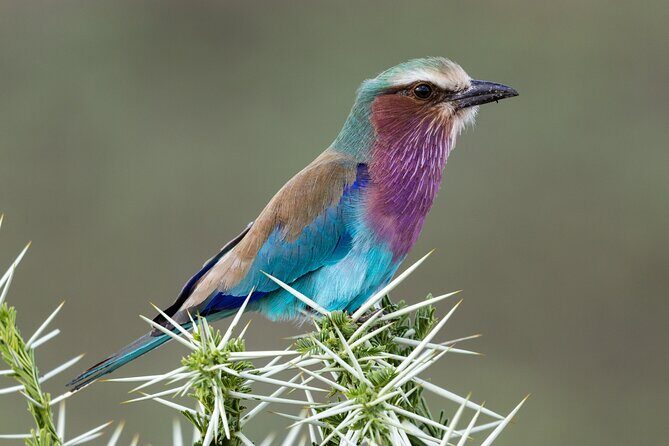
- Lake Manyara birdlife plus a chance for mammals in different habitat types
- Serengeti early starts for the best odds at big cats and active wildlife
- Ngorongoro Crater descent (about 600 meters) into a dense, water-and-fodder-rich bowl
- Olduvai Gorge Museum to add context to what you’re seeing on the savanna
- Culture stops with markets like Maasai crafts and Mto wa Mbu
Moshi Base: what this private setup changes for you
Starting from Moshi means you’re in the right pocket for classic northern safari country. The key difference with a private tour is control: your schedule is built around your guide and your group, not around a bus lineup. You’ll still have early starts on safari days—wildlife does not care about your sleep—but the timing feels more workable when you’re not sharing a vehicle with strangers.
Another underrated win is the logistics coverage. This tour includes transfers from and to the airport, plus private transportation and all fees and taxes. That’s not just convenience. It reduces the usual safari headache of figuring out gate costs, surprise payments, and last-minute gaps. You can focus on the hunt for lions, cheetahs, elephant families, and whatever else wanders into view.
Lastly, the operator mentions a commitment to sustainable tourism. I can’t verify specific practices from the details here, but it’s a good sign that the company thinks about animal ethics and visitor impact. When you book, ask how they handle waste, vehicle behavior, and timing around wildlife.
You can also read our reviews of more private tours in Moshi
Day 1: Arusha arrival plus Lake Manyara’s birds and big-mammal chances
You begin with a landing at Kilimanjaro Airport, then meet the representative for a briefing and head out. The first wildlife day is spent at Lake Manyara National Park, which is smaller than some of the headline parks but still very worth your time.
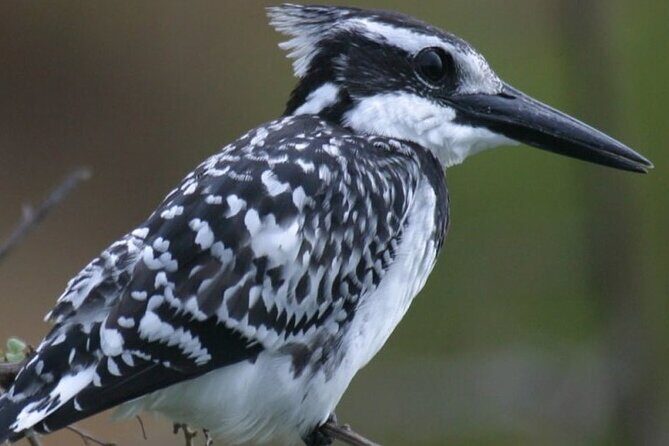
Here’s what makes Manyara interesting. You can expect lake-shore birdlife—think flamingos, ducks, and other water birds—often giving you a very different safari feel from the dry-grass look elsewhere. Then there’s a forest area described as having underground water, which can attract larger mammals. Depending on conditions, you might also see woodland-savanna species like wildebeest, zebras, and giraffes.
The park mix matters because it helps you avoid the “one-scene safari” feeling. When the terrain changes within the same day, your viewing opportunities broaden. Even if a particular day is quiet for predators, Manyara can still deliver with birds, elephants, and varied habitat.
Practical note for your comfort: Manyara can involve both moving and waiting. Bring sun protection and something for cool mornings and breezy evenings. If you’re sensitive to heat, plan to drink water often; game drives are not short lab sessions—they’re long, hot stretches where you want your energy up.
Maasai Market stop: crafts you can actually use
After the park day, you’ll visit a Maasai Market for curios and crafts. The time is also practical: you get to see jewelry and craft items, and you can learn how some baskets are made. If you want souvenirs that feel connected to local skill (instead of mass-produced items), this is one of the better ways to do it.
One caution: markets can be tempting, and prices can vary. Go in with the mindset of buying a couple of thoughtful items, not trying to finish shopping before dinner.
Day 2: Serengeti direction and Olduvai Gorge context
Your second day starts with the drive into the Serengeti ecosystem. You’ll spend time at Serengeti National Park, moving around areas like Seronera, which is linked with water in the park and tends to attract more wildlife.
This is where Serengeti earns its reputation. The idea is simple: the park has the animals you came for—giraffes, cheetahs, hyenas, antelopes, wildebeest, zebra—and it’s also a strong zone for birds and primates. Some of the most memorable moments are often not the headline predator chase, but smaller drama: a baboon troop moving like it owns the place, or a sudden sighting that turns a “maybe today” drive into a “wow” afternoon.
You’ll then head to Olduvai Gorge Museum. This museum stop is valuable because it gives you context for the region beyond wildlife. When you see the savanna and the famous routes animals use, it helps to know that this area is also connected to human history and scientific discovery. It adds depth, and it gives you something to think about while you drive between parks.
Possible drawback: Museum time can feel like a “break” after wildlife. If you only want animal time, plan for a slightly different mood here. On the bright side, it’s a good air-conditioned reset compared with long hours outside.
Day 3: Full Serengeti morning, then a Serengeti Hippo Pool stop
Day 3 is classic safari structure: start early and go for maximum wildlife time. You’ll spend the day in Serengeti National Park, specifically starting early in the morning. This early timing is smart because animal activity often shifts with light and temperature. It also increases your odds of seeing big five-style moments: big mammals moving through grass, predators on the move, and herds adjusting their routes.
The kinds of wildlife mentioned for this day are broad and exciting: big cats like cheetahs, plus hyenas and other predators; large mammals like wildebeest and zebra; and plenty of birds and primates. The best part of a day like this is that the “story” changes hour to hour. One moment you’re watching a calm herd, and the next you might spot the signs of a hunt.
Then you’ll head toward a Serengeti Hippo Pool stop. Hippo pools can be one of the most relaxing wildlife experiences because they’re both visible and dramatic. The hippos are usually the main attraction, and the surrounding behavior can bring in other wildlife too.
A few more Moshi tours and experiences worth a look
Late afternoon lodge time: why it’s not just downtime
You’ll head to your lodge for dinner and overnight in the late afternoon. This matters more than it sounds. After hours on safari roads, your eyes need a break—and so does your body. Use that time to recharge, review your photos, and get ready for a very different kind of day on the crater.
Day 4: Ngorongoro Crater descent (600 meters) and a second crater-focused viewing window
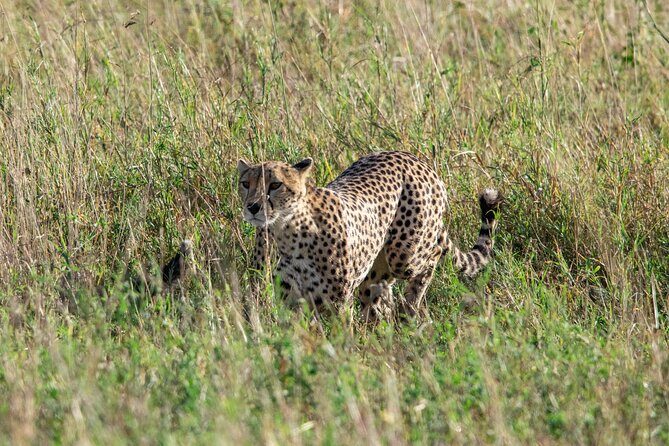
Day 4 is the one many people picture when they think of Tanzania. You’ll drive to Ngorongoro Conservation Area and descend into the crater for a game drive. The descent is described as about 600 meters, which is a built-in “wow” factor because the crater changes temperature, visibility, and how concentrated wildlife feels once you’re down on the crater floor.
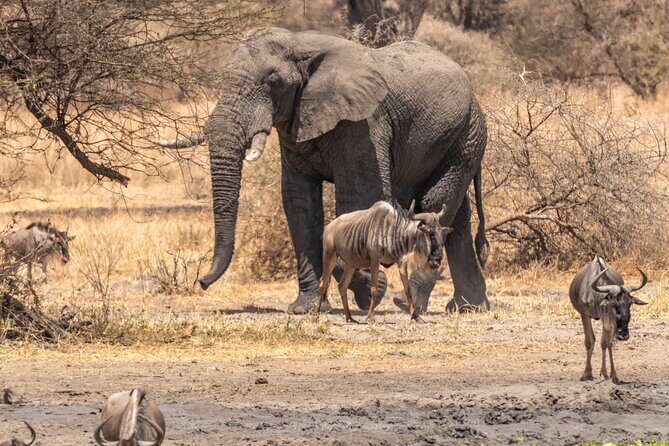
Why crater wildlife works so well: the details here point to a rich environment with enough water and fodder to support many species. That increases your odds of seeing multiple animal types in one viewing area. Expect to look for wildebeest and zebra herds, plus buffalo, eland, warthog, hippos, and giant African elephants.
There’s also a special mention of black rhino living in natural habitat, with the possibility of seeing them in this area. That’s the kind of detail that raises the stakes for your day—so bring patience and a good camera plan. If you want to photograph without chaos, take your shot, then give your guide a moment to reposition the vehicle for the next viewing point.
You’ll also get crater viewing activity afterward, so the day is not just one quick crater loop. You’ll effectively have a second structured chance to scan for animals and enjoy the crater views.
One consideration: crater viewing can feel slow if you arrive and wildlife is resting. That’s normal. Rhinos, predators, and herds don’t all appear at once. The best strategy is to keep your eyes moving and let your guide lead you to active zones.
Day 5: Tarangire for big-energy wildlife, then Mto wa Mbu culture before your flight
Your final day starts with Tarangire National Park and a game drive. Tarangire often gives a different feel than Serengeti. You’re still looking for elephants, antelope, and birds, but the park’s character and animal patterns can shift, which helps keep the safari from feeling repetitive.
After your half day in the park, you’ll travel back toward Arusha and visit Mto wa Mbu for a cultural tour and local market tour. This stop is a nice final balance: you’ve spent days focusing on animal behavior and park ecosystems, and now you get a human-scale experience—market life, local crafts, and everyday culture.
Then: fly out or overnight
From Mto wa Mbu, the day ends with a ride to the airport for a local or international flight, or an overnight stay. Make sure you plan for weather and possible driving time buffers. This route is scenic and active, but it’s still driven by real-world road conditions.
Price and value: what $2,900 per person is really buying
At $2,900 per person for an approx. 5-day private safari, the real question is not just the total number—it’s what’s included and how the trip reduces friction.
Here’s what you’re getting:
- Private transportation throughout
- All fees and taxes
- Airport transfers from and to the airport
- Meals: breakfast (4), lunch (5), dinner (4)
- A route that combines major parks (Lake Manyara, Serengeti, Ngorongoro, Tarangire) with Olduvai Gorge and cultural stops (Maasai crafts market, Mto wa Mbu)
When tours cut corners, you usually feel it through add-ons, separate tickets, or time lost to logistics. This one is framed to avoid that. Covered fees also matter because gate costs can add up across multiple parks.
What could change your real cost: Visas, international flights, and tips/gifts are not included. If you’re the type who tips generously, bake that into your budget. If you already have your flights and visa squared away, you’re more likely to feel the pricing is straightforward.
One more value point: the private format. When you’re paying for privacy, you’re paying for control over time, attention, and comfort. If your group wants a guide who can answer questions, adjust timing, and handle your pace, this pricing can feel fair.
Guides, communication, and how to use that advantage
A safari isn’t only about animals. It’s about interpretation and reaction time—spotting behavior, deciding where to position, and answering your questions without making you feel rushed. In the feedback connected to this company, communication names come up: Jesca and Charles are highlighted for clear, quick replies and being available, and safari guides like Evans and Abu/Abuu are mentioned for attentiveness.
That matters because a good guide helps you see more than what’s directly in front of the vehicle. You’ll get explanations for what you’re watching—why birds cluster on the lake edge, why certain herds move in patterns, and why a “small sighting” might be a big clue for what could happen next.
How to get the most from your guide (do this early):
- Ask how your guide plans to handle timing in each park
- Tell them what you care about most (predators, elephants, birds, rhino chances)
- Bring your questions for Olduvai Gorge and wildlife ecology; the crater day especially benefits from understanding the environment
Who should book this Tanzania private safari—and who should think twice
This tour is a strong match if you want:
- A private safari with your own group and guide
- Major northern circuit parks in about five days
- A balance of wildlife with cultural stops like Maasai crafts and Mto wa Mbu
- Fewer planning headaches because fees and taxes are included
Think twice if:
- You need lots of downtime. The route is active and includes multiple park days plus drives.
- You want a very slow, beach-style pace. This is a “go-go” safari route by design.
- You dislike early mornings. Serengeti runs early, and it’s part of the point.
Final call: should you book this 5-day private Moshi safari?
I’d book this if you want a focused Tanzania experience without juggling details—especially if you’re excited for Lake Manyara birds, Serengeti game viewing, Ngorongoro crater descent, and Tarangire, with Olduvai Gorge added for context.
Before you say yes, do two simple things:
- Confirm what your pickup looks like from your side (your hotel vs. airport staging). The tour states transfers and pickup are offered, but your starting point matters.
- Ask your guide how they plan to prioritize your top wish list inside Serengeti and the crater—because those are the days where decisions about positioning and timing shape your experience.
If you like your safari with strong organization and enough variety to keep you awake (in a good way), this one is built for that.
FAQ
Where does the tour start and what time?
The meeting point is Kilimanjaro Airport (Tanzania) with a start time of 7:30 am.
What’s the duration of the safari?
The tour duration is approximately 5 days.
Is this a private safari?
Yes. It’s listed as a private tour/activity, meaning only your group participates.
What parks and sights are included?
The experience includes Lake Manyara National Park, Serengeti National Park, Olduvai Gorge Museum, Ngorongoro Conservation & Crater, Tarangire National Park, plus cultural stops at Maasai Market and Mto wa Mbu.
What meals are included?
You get 4 breakfasts, 5 lunches, and 4 dinners.
Is airport transfer included?
Yes. The tour includes transfer from and to the airport, and pickup is offered.
What is the price per person?
The price is $2,900.00 per person.
Are visas included?
No. Visas are not included.
Are tips included?
No. Tips and gifts are not included.
Can I cancel and get a full refund?
Yes—free cancellation is offered. You can cancel up to 24 hours in advance for a full refund.