REVIEW · ARUSHA
5 Days of Safari, Culture & Hot Springs – Tour from Arusha
Book on Viator →Operated by VISION SAFARI & TOURS · Bookable on Viator
Baobabs, lions, and hot springs in one run. I like how this route strings together Tarangire + Serengeti + Ngorongoro for big wildlife days, then swaps to calmer nature time at Materuni Waterfall and Chemka/Kikuletwa Hot Springs. I also like the human touch from the team, including Gloriana’s responsive communication and even binoculars for better viewing. One thing to watch is the 6:00 am start and the fact that you’re in a vehicle for a lot of the day.
This is a value-minded safari package (price is $1,150 per person) that starts at the Arusha Clock Tower roundabout and runs about five days, with pickup offered and a mobile ticket. It’s also capped at a maximum of 100 travelers, so it’s not the kind of mega-tour where you’re lost in a crowd. If you want a slow, sleep-in holiday, this won’t be your speed.
In This Review
- Key things to know before you go
- Safari value: why this mix works so well
- From Arusha Clock Tower at 6:00 am: the start that sets the tone
- Day 1 in Tarangire: baobabs, elephants, and the dry-season river draw
- Day 2 in Central Serengeti: migration country and predator odds
- Day 3 in Serengeti: UNESCO-level wildlife time plus balloon safari overhead
- Day 4 in Ngorongoro Crater: Big Five potential and Lake Magadi flamingos
- Day 5: Materuni Waterfall and Chemka/Kikuletwa Hot Springs for a real reset
- Price and value: what $1,150 buys you (and what you should verify)
- Small team feel, big-park expectations: service quality that matters
- Comfort, timing, and what to pack for this kind of safari
- Should you book Vision Safari & Tours for this route?
- FAQ
- Where does the tour start and end?
- What time does the tour start?
- How long is the safari?
- How much does it cost?
- What’s included in the price?
- Are admission tickets included for all parks?
- Do they offer pickup?
- What’s not included?
- Is the group large?
- What’s the cancellation policy?
Key things to know before you go
- Big parks, then real recovery time: hot springs and waterfall days come after your safari driving-heavy schedule
- Early wake-up is baked in: start time is 6:00 am from Arusha Clock Tower
- Serengeti includes a balloon safari slot: you’ll have planned time for it, but confirm what’s actually included in your package
- Ngorongoro and Lake Magadi time: crater descent plus time for flamingos at Lake Magadi
- Binocular help and responsive support: Gloriana is named as a point person in the experience feedback
Safari value: why this mix works so well
The best safari days don’t just show animals. They teach your eyes where to look, when to look, and how quickly things can change. This itinerary gives you multiple chances across Tarangire and Serengeti, then compresses some of Tanzania’s most iconic drama into Ngorongoro.
What makes this plan feel practical is the pacing change on the last day. After days of dust, dawn light, and scanning for movement, you shift to waterfalls and warm water. That kind of reset matters because safari days can stack up fast, even when everything goes smoothly.
The tradeoff is time. This is a five-day “maximum experience” route, not a relaxed wander. If you’re prone to motion sickness or you dislike long drives, plan ahead with snacks, water, and a game plan for comfort.
A few more Arusha tours and experiences worth a look
From Arusha Clock Tower at 6:00 am: the start that sets the tone
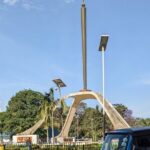
You’ll start at Arusha Clock Tower roundabout at 6:00 am. The tour ends back at the meeting point, so you’re not juggling extra drop-offs or trying to figure out transport late in the day.
This early start is typical for wildlife viewing, and it’s also one reason the day feels full instead of dragged. Animals are often more active earlier, and lighting is easier for spotting. Still, you’ll want to be ready the night before: charge your phone, set up offline maps if you use them, and keep a small tote within reach for the drive.
Pickup is offered, and you’ll use a mobile ticket. So the big day begins with less hassle than older-school tours that rely on paper vouchers and slow paperwork.
Day 1 in Tarangire: baobabs, elephants, and the dry-season river draw
Day 1 is built around Tarangire National Park, with two blocks of time in the park (6 hours, then another 6 hours). That split matters because Tarangire’s wildlife patterns shift as the day moves along, especially around the river system.
Tarangire is famous for its baobab trees, and it’s easy to see why when you’re on the ground. The trees act like landmarks in a huge setting, which helps your brain lock onto the right areas for spotting. It’s also a park where elephants can feel almost cinematic—silhouetted against open savannah in ways that make you stop scanning and just watch.
A practical point for dry-season safari: the Tarangire River becomes a magnet. When water is concentrated, animals concentrate too. That’s why the itinerary calls out the river as a key wildlife attractor during the dry season. If you’re traveling in that period, this is the kind of detail that can turn a good day into a very memorable one.
What to be ready for: Tarangire can deliver long stretches of “look, wait, scan” before a big sighting. Bring patience (and snacks), and don’t treat every hour like a guaranteed lion encounter.
Day 2 in Central Serengeti: migration country and predator odds
Day 2 moves you into Serengeti National Park, specifically Central Serengeti. Like Tarangire, the day is split into two park blocks (6 hours each), which gives you time to follow what the day is doing rather than rushing through preset stops.
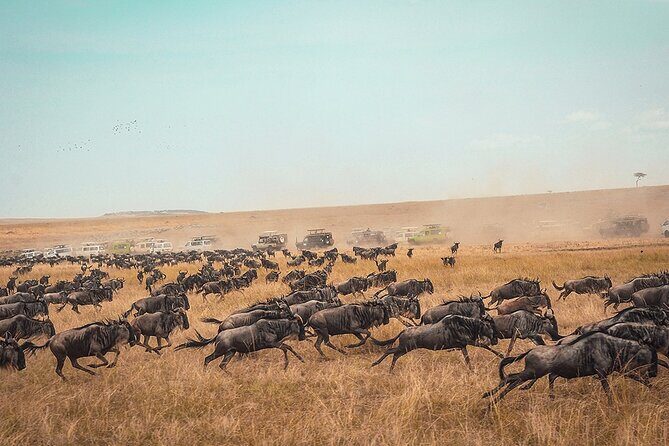
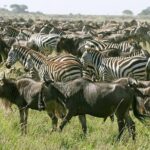
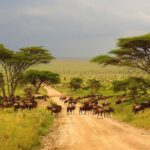
Central Serengeti is where the scenery stretches out toward the horizon—undulating plains with acacia-dotted views that make you understand why this park is so famous. More importantly, it’s migration country. Depending on season, you might see wildebeest and zebra moving across the plains, a spectacle driven by timing and weather.
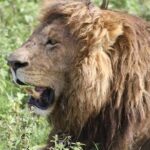
This day also highlights predators. Lions, leopards, and cheetahs are part of the picture, and predator sightings can change quickly based on herd movement. The point here isn’t just seeing animals—it’s learning how the whole food chain behaves. You’ll feel it when the rhythm of herds draws in attention from above and around.
Possible drawback: Central Serengeti is huge, so some of your experience will depend on conditions and where the sightings are that day. Even with a great guide, Serengeti is not a video game you can force to match your wish list.
Day 3 in Serengeti: UNESCO-level wildlife time plus balloon safari overhead
Day 3 is another Serengeti day, and it’s shorter blocks on the schedule: three separate stop slots, including a balloon safari. The day notes UNESCO World Heritage status, and it also gives you the kind of “why people come” details: the migration as a moving cycle, plus the resident wildlife that can include the Big Five (lions, elephants, buffaloes, leopards, rhinoceros).
The inclusion of multiple Serengeti stop slots is a good thing for your attention span. Instead of one long grind, you get structured timeframes—3 hours, then 3 hours, then 3 hours. That helps because it’s easier to stay focused when you know the plan.
The itinerary also points to a big migration moment: the Grumeti and Mara rivers, where crocodiles may be nearby and where herds can plunge into water. That’s exactly the kind of moment that turns spotting into storytelling, because you’re watching life and risk at the same time.
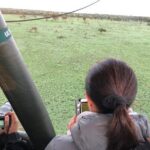
Then comes the balloon safari time slot. A balloon ride gives you a different mental map of the park. From above, herds can look like slow-moving clouds, and you can connect where the land features matter. If you care about geography and animal movement, that aerial perspective can be worth it even when the animals are far away.
Important practical note: balloon safaris can be complicated logistically. Your schedule includes a balloon safari slot, but the tour data doesn’t spell out what’s guaranteed within the package price. Before you go, ask your organizer what exactly is included—ride, timing, and where you launch from—so there are no surprises.
A few more Arusha tours and experiences worth a look

Day 4 in Ngorongoro Crater: Big Five potential and Lake Magadi flamingos
Day 4 is your Ngorongoro Crater day, and it’s one of the big hits of the whole trip. You’ll have two crater slots (4 hours, then 6 hours), with tickets marked as included for both stops.
Ngorongoro is a volcanic caldera—an amphitheater effect that changes how animals move and how sightings happen. Instead of scanning a wide open plain for hours, you’re working within a natural “bowl.” That can mean more frequent sightings, and it can also mean more intense viewing when animals decide to get close.
The itinerary highlights the crater grasslands framed by the rim, with wildebeest and zebra, plus lions resting in sunlight and elephants roaming. It also flags Lake Magadi and its flamingos. Lake Magadi being called out matters because it adds variety: you’re not only hunting for mammals. You’re also looking for waterfowl action and long-range bird viewing.
What to expect on the ground: Ngorongoro days can be hot or surprisingly cool depending on the hour and weather. Dress in layers. Bring sunscreen, because open crater light can be brutal, even when the air feels manageable at first.
Possible consideration: Ngorongoro is popular, so you may see more vehicles and more eyes on the same animals than you would in less-visited areas. That doesn’t ruin it, but it can affect how quietly you experience the moment.
Day 5: Materuni Waterfall and Chemka/Kikuletwa Hot Springs for a real reset
On day 5, you switch gears from safari scanning to sensory nature time. The schedule focuses on Materuni Waterfalls and Chemka/Kikuletwa Hot Springs, with tickets marked as included for each stop.
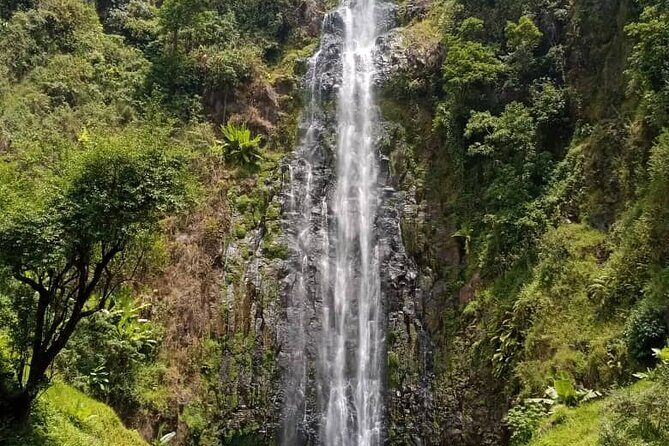
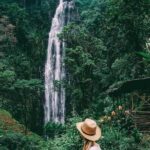
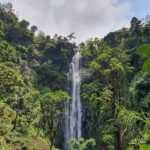
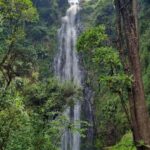
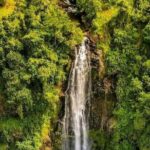
Materuni Waterfall is described as a hidden beauty in the foothills of Mount Kilimanjaro. Practically, it’s the kind of stop that makes the whole trip feel more human-sized. Instead of searching for movement across a savannah, you follow a sound—water changing how the air feels—and you get a chance to walk and breathe without constant “spot, scan, repeat.”
Then you head to Chemka/Kikuletwa Hot Springs. The key detail here is the contrast: warm water surrounded by lush vegetation, with turquoise-looking pools and a proper chance to soak. This is where you give your body a break. After days of dust and vehicle time, warm springs are less about sightseeing and more about recovery.
The schedule also includes additional time back at Materuni Waterfall and hot spring areas, which suggests you won’t just “stop and run.” You’ll have enough time to enjoy the atmosphere rather than treating it like a photo checkpoint.
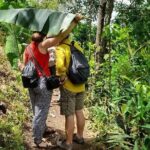
What to pack for day 5: a swim-ready outfit (or a quick-change plan), a towel you can manage, and water shoes if you expect slippery areas. Also, keep your phone sealed—water days love accidents.
Price and value: what $1,150 buys you (and what you should verify)
At $1,150 per person for about five days, this price sits in the range you’d expect for a safari that covers multiple major parks plus day-trip nature stops. The value isn’t only that it’s “a lot of places.” It’s the structure: you’re paying for guide time, park access as listed, and meals that reduce your daily decision fatigue.
From what’s included:
- professional guide/driver
- parking fees
- meals: 4 breakfasts, 5 lunches, 4 dinners
- admission tickets are marked free for Tarangire and Serengeti park slots
- admission tickets are marked included for Ngorongoro and for Materuni Waterfall and Chemka/Kikuletwa hot springs
That meal support is a big deal in Tanzania. When you’re moving early, eating is not optional, and not having to plan every stop saves time and stress.
What’s not included:
- tips
- international flights
- personal items
- roundtrip airport transfer
One item you should verify is the balloon safari. The schedule includes a balloon slot, but the “admission ticket free” label on the day doesn’t automatically mean it’s included in your overall price in the same way as a national park ticket. Ask directly what’s covered versus what might be paid locally.
Small team feel, big-park expectations: service quality that matters
The experience feedback points to a young, passionate team. Gloriana is specifically mentioned as highly responsive online and in person, including check-ins during the process. That kind of support is practical: when you’re traveling in a place where plans can shift due to weather or wildlife movement, someone who communicates clearly makes you feel safe.
Another detail that signals service quality is the binocular offer. That’s not just a nice-to-have; it changes what you can actually see, especially for far-off sightings. Even if you already own binoculars, extras—or help using them—can make a real difference on long drives.
Also, the group size cap of 100 travelers matters mostly in how it affects logistics. You won’t likely have the same kind of chaos you get with enormous tours that run like commuter buses. Still, safari vehicles and timing are what shape your actual experience more than the number on paper.
Comfort, timing, and what to pack for this kind of safari
This is a dawn-to-evening style trip. With a 6:00 am start and multiple long park blocks, you should pack for comfort, not fashion. Think layers, sun protection, and items that keep you steady on long drives.
Bring:
- sunscreen and a hat (sun can feel stronger than you expect)
- a light jacket for early mornings or crater air
- reusable water bottle (staying hydrated matters)
- binoculars if you have them, or plan to use provided help
- swimwear and a dry change for Chemka/Kikuletwa and water stops
For photography, remember that wildlife often appears suddenly after a wait. Keep your camera ready and your strap secure.
If you need phone power, charge at every chance. A mobile ticket is convenient, but you still need battery for maps, comms, and photos.
Should you book Vision Safari & Tours for this route?
If you want the classic Tanzania combination—Tarangire elephants, Serengeti migration energy, Ngorongoro crater intensity—plus a last-day reward of hot springs and waterfalls, this route is a strong match. The service vibe also sounds dependable, with Gloriana’s communication and practical help like binoculars.
I’d recommend booking if:
- you like structured days with clear park targets
- you’re okay with an early start and long vehicle time
- you want a safari that ends with true relaxation, not just another car ride
I’d hesitate if:
- you want a slow, low-driving vacation
- balloon safari details matter a lot to you and you don’t want to do a quick confirmation with the team first
- you’re very sensitive to early wake-ups
If you check the balloon safari coverage and pack for day 5 water time, you’ll be set for a safari that mixes wildlife drama with a real body-and-mind reset.
FAQ
Where does the tour start and end?
The tour starts at the Arusha Clock Tower roundabout in Arusha and ends back at the same meeting point.
What time does the tour start?
The start time is 6:00 am.
How long is the safari?
The duration is approximately 5 days.
How much does it cost?
The price is $1,150.00 per person.
What’s included in the price?
Included items list a professional guide/driver, parking fees, and meals (4 breakfasts, 5 lunches, and 4 dinners). Admission ticket information is also provided in the itinerary for each day’s stops.
Are admission tickets included for all parks?
Tarangire and Serengeti are listed with admission ticket free in the itinerary, while Ngorongoro Crater and the Materuni Waterfalls and Chemka/Kikuletwa Hot Springs are listed as admission ticket included.
Do they offer pickup?
Pickup is offered.
What’s not included?
Not included items are tips, international flight, personal items, and roundtrip airport transfer.
Is the group large?
The tour/activity has a maximum of 100 travelers.
What’s the cancellation policy?
Cancellation is free, and you can cancel up to 24 hours in advance for a full refund.