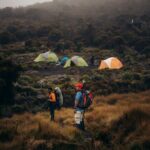
REVIEW · MOSHI
5 Days Kilimanjaro Trekking – Marangu Route
Book on Viator →Operated by Afrishare Trekking and Safaris · Bookable on Viator
Midnight starts. Big views follow.
This 5-day Kilimanjaro trek follows the Marangu Route out of Moshi, a route often called the Coca Cola route for its relative ease, with hut stops and a realistic plan to chase Uhuru Peak. You’ll start with pickup from your hotel or the airport, then work through rain forest, moorlands, and crater country before the summit push. Along the way, you get time to acclimatize at Horombo, so you’re not just racing up and hoping for the best.
I like two things most here: first, the pacing and care around altitude, since even the schedule builds in an acclimatization day at Horombo. Second, the food and camp comfort get real praise, with a full on-trek crew (including guides plus support staff) aiming to keep you fed and steady. I also like that names like Alex and Godfry show up in the operator’s guide team, which hints at the kind of experience you’ll be relying on on summit night.
The main drawback to consider is that Marangu is still a high-altitude summit trek, and the final climb starts after midnight. Expect cold, steep scree or snow, and the day will be long even if the route is considered easier than others.
In This Review
- Key highlights before you go
- Kilimanjaro by Marangu from Moshi: why this route works for many people
- What your $1,460 actually covers (and what to budget separately)
- Day-by-day: Mandara and Horombo huts, moorlands, and acclimatization
- Day 1: start at the gate, climb into the Kilimanjaro story
- Day 2: Mandara Hut to Horombo Hut (around 3,700 m)
- Day 3: Horombo acclimatization day (optional trek to higher points)
- Day 4: summit day starts midnight–2am, through Gilman’s Point to Uhuru Peak
- Summit night reality check: what “ease” can’t change
- Descent to Marangu Gate: moorland down to forest, then a car waiting
- The crew factor: guide style, food quality, and why it shows up on summit day
- Who should choose this Marangu 5-day trek (and who should think twice)
- Should you book this 5 Days Kilimanjaro Trekking on the Marangu Route?
- FAQ
- Where does the trek start?
- How long is the trek?
- Does the price include accommodation and park fees?
- Is the tour private?
- What time do you start the summit climb?
- What should I wear or bring for the descent?
- Is vegetarian food available?
- Can I cancel for a full refund?
Key highlights before you go
- Hotel pickup in Moshi (or airport pickup) plus a private trek setup
- Hut-based stops with a planned acclimatization day at Horombo
- Flora and big-mountain views: giant senecio, lobelias, Mawenzi, and Kibo
- Summit timing: midnight-to-2am start, through Gilman’s Point to Uhuru Peak
- Food and camp comfort praised by past trekkers, including excellent meal service
- Easy-to-follow logistics on descent: back to the park gate and a waiting car
Kilimanjaro by Marangu from Moshi: why this route works for many people
If you’re picturing Kilimanjaro as a straightforward climb with huts, the Marangu Route is built for that. It’s the kind of trek where you can focus on altitude, breathing, and staying warm, rather than spending every day wrestling with constant technical terrain. You start in the Moshi area, then head to the starting gate and begin the ascent toward the volcanic centers that make Kilimanjaro famous: Shira, Kibo, and Mawenzi.
One of the reasons Marangu feels “easier” is that you have a more structured day-to-day rhythm. Day one gets you moving up toward the first hut (Mandara), and then you step into the bigger acclimatization stage at Horombo. The route description also points to the variety of environments you’ll pass through—rain forest, semi desert, and crater country—so you’re not trudging through one flat kind of scenery for five days.
Still, don’t let the “easy” reputation soften your respect for the summit attempt. The climb to the crater rim (Gilman’s Point) begins in the dark, and the path involves steep, heavy scree or snow. The altitude doesn’t care how friendly the route is on paper.
You can also read our reviews of more hiking tours in Moshi
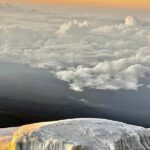
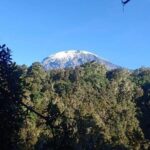
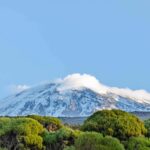
What your $1,460 actually covers (and what to budget separately)
At $1,460 per person, this trek includes the big-ticket trip items that usually cause surprise costs: 4 nights accommodation, all fees and taxes, lunch, a professional guide, and hotel pickup and drop-off. It’s also listed as a private tour/activity, meaning only your group participates.
That matters because Kilimanjaro treks are where logistics can make or break your experience. When permits and taxes are handled, you don’t spend your trip sorting paperwork. When pickup is included, you don’t lose your first morning to confusion and delays around Moshi.
Two items you’ll want to budget for separately are also clearly stated:
- alcoholic drinks (available to purchase)
- souvenir photos (available to purchase)
If you’re planning around value, this package feels strongest when you want a complete, guided trek experience: guide + fees + accommodation nights + pickup + lunch. You still need to handle personal gear and any extra spending.
Day-by-day: Mandara and Horombo huts, moorlands, and acclimatization
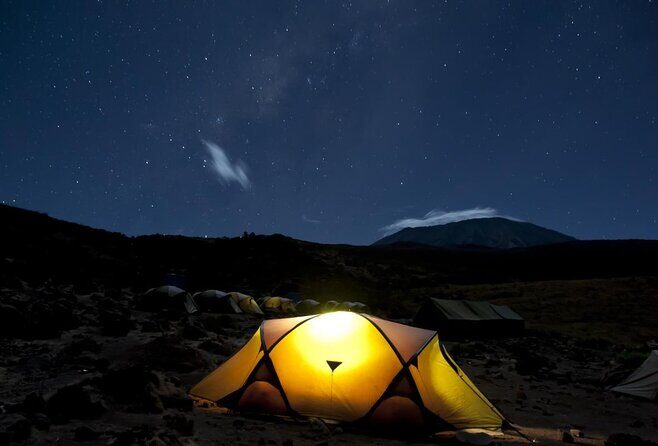
Day 1: start at the gate, climb into the Kilimanjaro story
Your first morning begins with transport—either picked up early from the airport straight to the starting gate or collected from your accommodation in Moshi. Then it’s off toward the Marangu starting gate area and the climb begins.
Kilimanjaro sits at 5,895 meters overall at its highest point, Uhuru Peak. It has three major volcanic centers: Shira (around 4,160 m), snow-capped Kibo (to 5,895 m), and Mawenzi. Even if you’re not thinking about geology in the moment, the route’s design takes you up through those zones, so you slowly feel the mountain changing under your boots.
Day 2: Mandara Hut to Horombo Hut (around 3,700 m)
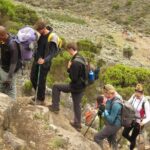
This is the climb from Mandara Hut to Horombo Hut at about 3,700 meters. The trek time is listed as about 3–4 hours. After roughly 15 minutes, you leave the rain forest glades and move onto open moorlands.
This is also the day you’ll likely start noticing altitude effects. You might not feel dramatic symptoms, but it’s smart to treat the body with respect starting here—slow your pace, drink water, and dress for warmth even when the sun is out.
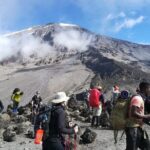
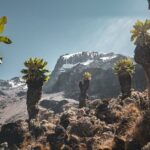
As you climb, you get views of Mawenzi and the summit region of Kibo. If you’re the type who enjoys small ecological details, keep an eye out for giant senecio and lobelias—both are part of what makes Kilimanjaro’s upper zones look and feel different from the lowlands.
A few more Moshi tours and experiences worth a look

Day 3: Horombo acclimatization day (optional trek to higher points)
Day three starts and ends at Horombo Hut, so it feels like a rest day on purpose. It’s listed as optional, but the key idea is acclimatization. This kind of extra day is what gives many trekkers a better chance on summit day, because your body has time to adjust to thinner air.
If you want movement, you can do a day trek to Zebra Rocks (about 4,200 m) and onward to Mawenzi Tarn Hut (around 4,300 m). You’ll come back to Horombo for overnight. If you’re newer to altitude, this is the part where you should choose calm over bravery. Walk, breathe, and don’t feel pressured to push higher just because you can.
Day 4: summit day starts midnight–2am, through Gilman’s Point to Uhuru Peak
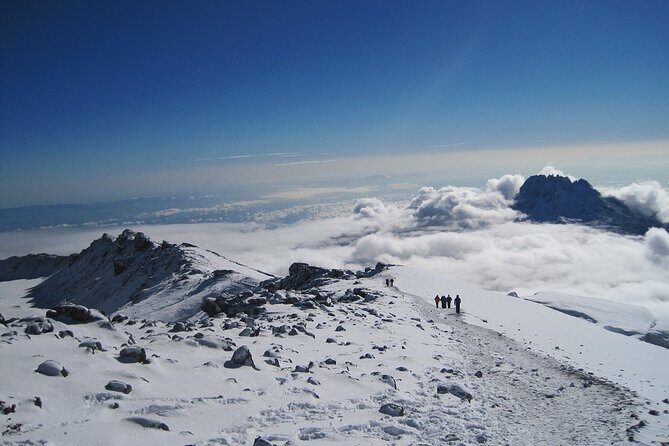
This is the day everyone talks about for a reason, and it starts very early. The schedule says you begin the climb between midnight and 2am. The push to Gilman’s Point on the crater rim is expected to take 4–5 hours. From there, you continue to Uhuru Peak (highest point in Africa) in about 1–2 hours.
Conditions on the route are described as steep and heavy scree or snow. That’s a good reminder: you’re not only fighting altitude—you’re also climbing on difficult footing when you’re tired.
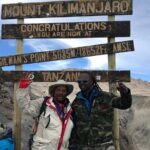
The payoff is “unbelievable views at every turn,” plus the classic moment at the top for photos. After Uhuru Peak, you descend. The plan includes stopping for lunch and a rest at Kibo, then continuing down to Horombo for dinner and overnight over roughly 3–4 hours.
Practical truth: summit day is a stamina test, but it’s also a weather and timing test. Start when they say, move at the pace your guide sets, and focus on steady effort rather than speed.
Summit night reality check: what “ease” can’t change
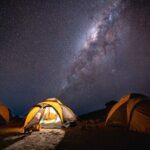
Even with the Marangu reputation, your summit night can still feel brutal. Cold is common at these elevations. Dark hours mean you’ll rely on headlamps and your guide’s rhythm more than the scenery. Scree or snow adds friction problems for your footing, especially when your legs feel heavy.
So here’s what helps: trust the slow, controlled strategy. The route’s earlier acclimatization day is not a random filler day; it’s the system working. If you end up with a guide who’s patient—some past treks describe guides as careful about how everyone is doing—that can make a big difference on summit day. A patient pace reduces the chance that you blow up early.
If you’re traveling with a coordinator involved in planning, you may also encounter Ibra, who is described as helping coordinate trekking and other Tanzania plans for some groups. In practice, that kind of coordination can mean fewer last-minute surprises.
Descent to Marangu Gate: moorland down to forest, then a car waiting
On day five, you start with breakfast and then begin a steady descent. The route calls for moving from the high areas down toward Mandara Hut (around 2,700 m / 8,858 ft), then continuing down through lush forest to the National Park gate at Marangu (around 1,830 m / 6,004 ft).
The big practical change here is ground conditions. Lower down, it can be wet and muddy. The route notes that gaiters and trekking poles can help. Shorts and t-shirts will probably be enough once you drop in elevation, but keep rain gear and warmer clothing handy because weather can flip fast on mountains.
At the gate, a car is waiting. You’ll have a hot lunch and then drive back to Moshi or Arusha. If your flight lines up the same day, airport drop-off is part of the plan.
This part is where you’ll feel relief in your bones. You’re done with altitude stress, and you can finally walk like a normal human instead of a cautious mountain crab.
The crew factor: guide style, food quality, and why it shows up on summit day
People remember the summit, but they experience the trek through the small daily systems. This is where the operator’s team shows up in the feedback you were given.
The strongest praise centers on:
- patient, caring guides who check in and adjust pace
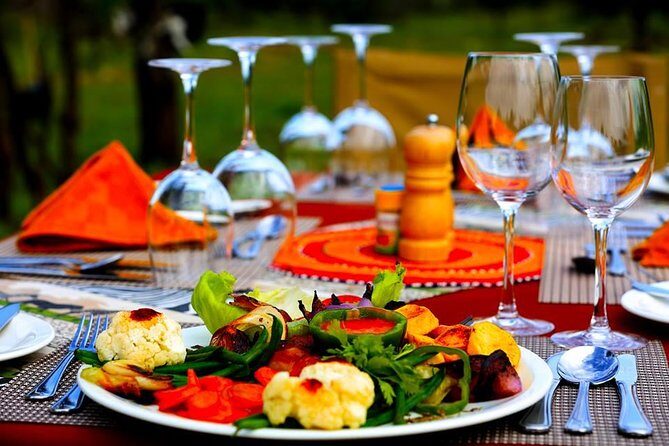
- food quality that’s described as excellent, even better than what people are used to at home
- supportive camp work, with a chef and porters helping keep the trek running smoothly
That matters because Marangu’s schedule asks you to climb in stages: Mandara to Horombo, then a full acclimatization day, then the midnight push. If your guide handles pacing well, you conserve energy for the only part that really matters—getting you safely to the crater rim and then to Uhuru Peak.
Also, note the personal-touch feel of a private tour. You’re not sharing your day with strangers. If you’re the type who gets anxious about pace, that privacy can be calming. If you’re with friends, it can help everyone stay on the same rhythm.
Who should choose this Marangu 5-day trek (and who should think twice)
This trek suits you if:
- you have moderate physical fitness
- you want a structured, hut-based Kilimanjaro plan
- you prefer a schedule that includes a true acclimatization day at Horombo
- you value guided support and comfort between hiking blocks
It’s also a good match if you’re traveling with limited time. The whole plan is five days, with a final descent into Moshi/Arusha after the gate stop.
You might think twice if:
- you want to avoid early nights entirely, since the summit climb begins between midnight and 2am
- you’re not comfortable with steep scree or snow on summit day
- you’re expecting a relaxed walk the whole way; Kilimanjaro still demands effort at altitude
If you have questions about altitude risk, plan to talk with a medical professional before you go. And pack like weather matters, because this trek operates in all weather conditions.
Should you book this 5 Days Kilimanjaro Trekking on the Marangu Route?
I’d book it if your priority is a guided, well-paced Marangu itinerary that gets you to Uhuru Peak via a hut-based route, with early-night summit timing and a built-in acclimatization day at Horombo. The value is strongest when you want the essential logistics handled—pickup, fees/taxes, guide support, accommodation nights, and lunch—so you can focus on the climb.
I’d hesitate only if you’re struggling with the idea of midnight start and the reality of steep, difficult footing at extreme altitude. If that part scares you, don’t ignore it; choose your trek based on what you can handle mentally and physically.
If you do book, make sure you plan your layers for cold and wet conditions, ask for a vegetarian option if that’s important to you, and be honest with your guide about how you’re feeling on ascent. That honest pace is often the difference between a painful summit and a successful one.
FAQ
Where does the trek start?
You start from the Marangu starting gate. The tour includes pickup either from the airport direct to the starting gate or from your accommodation in Moshi.
How long is the trek?
The trek is listed as 5 days (approx.), including the summit day and the descent back to the Marangu gate.
Does the price include accommodation and park fees?
Yes. The package includes 4 nights accommodation and all fees and taxes.
Is the tour private?
Yes. This is a private tour/activity, so only your group participates.
What time do you start the summit climb?
You start the summit climb very early, between midnight and 2am, aiming to reach Gilman’s Point first and then Uhuru Peak.
What should I wear or bring for the descent?
Lower down it can be wet and muddy, so gaiters and trekking poles help. Shorts and t-shirts will probably be fine once you’re lower, but bring rain gear and warmer clothing as well.
Is vegetarian food available?
Yes. A vegetarian option is available—advise it at the time of booking.
Can I cancel for a full refund?
Yes. You can cancel up to 24 hours in advance for a full refund.