REVIEW · ARUSHA
3 Days Northern Tanzania Adventure Camping Safari
Book on Viator →Operated by World Tours & Safaris Tanzania · Bookable on Viator
Big cats in three days is serious business. This short Northern Tanzania camping safari strings together Tarangire, Ngorongoro Crater, and Lake Manyara with a private guide who also helps you understand Maasai culture along the way. It’s the kind of trip where you trade long planning for a clear route and lots of animal time.
I especially love the private setup. You’re not sharing your rhythm with strangers, and your driver-guide can steer you toward what’s working that morning. A solid second win for me: you keep eating and driving efficient—breakfast at 7:00 and packed lunches help you stay out in the parks instead of wasting the day on logistics.
One thing to consider: this is camping safari timing, so you’ll likely feel the early starts and the long park days. If you’re hoping for hotel-level comfort every night, you may want a different style of safari.
In This Review
- Key things to know before you go
- The 3-day Northern Circuit: a tight route that still feels complete
- From Arusha to Tarangire: elephants, baobabs, and dry-season drama
- Ngorongoro Crater: the animal density that makes your brain pause
- Lake Manyara’s Rift Valley setting: tree-climbing lions and flamingos
- Camping safari reality check: what’s included and how to plan your comfort
- What $1,128.21 really buys: private value without hotel pricing
- The guide makes the difference: communication and care
- Who this safari fits best (and who should rethink it)
- Should you book it? My decision rule for this trip
- FAQ
- What parks are included on this safari?
- Is pickup from Arusha included?
- Are park fees included in the price?
- Is camping equipment provided?
- Can I request a vegetarian meal option?
- What is the cancellation policy?
Key things to know before you go
- Private 4×4 safari vehicle with game drives timed for your route across Tarangire, Ngorongoro, and Lake Manyara
- Tarangire’s wildlife edge: acacia woodland, giant baobabs, and elephant herds that can reach up to 300 during the dry season
- Ngorongoro Crater density: an estimated 30,000 animals and Tanzania’s last remaining black rhino
- Lake Manyara’s special tricks: tree-climbing lions plus flamingos at the base of the Great Rift Valley
- Camping support included: camping equipment, all meals, water/soft drinks, and a basic outdoor medical kit
The 3-day Northern Circuit: a tight route that still feels complete
This safari is built for people who want big results without blowing an entire week on logistics. You start from Arusha and hit three major destinations that each bring a different flavor of Northern Tanzania wildlife.
Day one leads you into Tarangire National Park. Expect an early push (pickup around 07:00) and a drive that swaps city air for acacia country fast. Then you’re out on game drives with a packed lunch, so you’re not stuck eating late or returning early.
Day two is Ngorongoro Crater. Breakfast is at 07:00, and you descend into the crater floor for a long game drive. That crater is famous for packing an unusual number of animals into a small area, which changes how you see wildlife—often closer, often more concentrated.
Day three is Lake Manyara National Park. Another 07:00 breakfast, then time inside the park with a scenic Rift Valley setting that supports elephants, flamingos, and the distinctive tree-climbing lions.
The route is intense, but it’s efficient. You get the highlights while keeping the overall trip length short. For many people, that’s exactly the sweet spot.
A few more Arusha tours and experiences worth a look
From Arusha to Tarangire: elephants, baobabs, and dry-season drama
Tarangire National Park is the kind of place you can picture even before you arrive: acacia woodland, giant baobab trees, and those dry-season riverbeds where life gathers in surprising ways. The park covers about 2,850 sq km, with swampy areas in the south. That mix matters because it shapes where animals concentrate.
Here’s what makes Tarangire a top pick for a short safari:
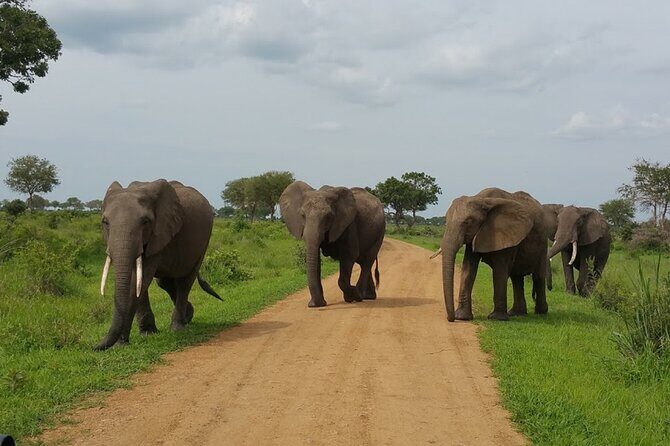
- Elephants can form herds up to 300, and in the dry season they scratch at the dry riverbeds for underground water sources.
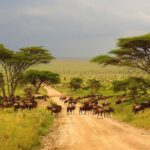
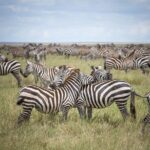
- You’ll also see species tied to drier conditions—wildebeest and zebra on the move, plus buffalo, impala, gazelle, hartebeest, and eland.
- The predator action can be strong because the food supply draws prey.
Your day is structured with pickup from your Arusha hotel around 07:00, then a drive to the park on a tarmac road for about 120 km. That means less time rattling around than you’d expect on every leg of a safari. You’ll also carry a packed lunch for game drives, which keeps things moving.
One practical note: Tarangire’s “best” viewing is strongly tied to dry-season patterns and where animals choose to drink or feed. If the dry-season conditions are in full swing when you go, the wildlife can feel almost staged—except it’s not. It’s simply nature choosing the easiest options.
If you love classic savannah scenes—thorn trees, baobabs, dusty light—Tarangire delivers. And if you’re chasing predators, it can be a real starting gun for the rest of the itinerary.
Ngorongoro Crater: the animal density that makes your brain pause
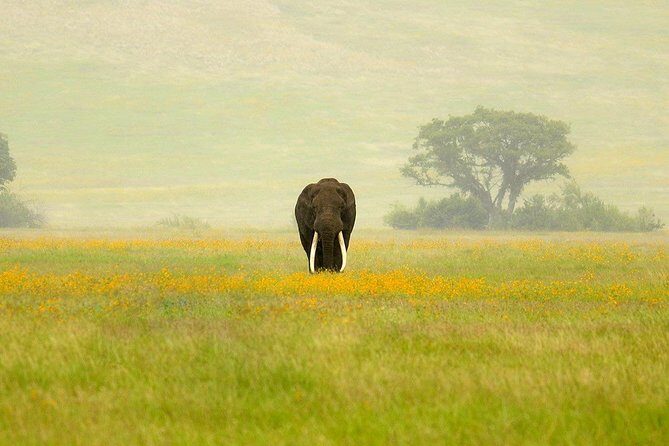
Ngorongoro Crater is one of Africa’s big wildlife settings for a reason: it’s a natural amphitheater with an unusually large animal population in a relatively compact space.
A few hard facts help explain the magic:
- The crater rim is about 19.2 km across and roughly 610 m deep.
- The crater covers around 304 sq km.
- It supports an estimated 30,000 animals.
- It holds some of Tanzania’s last remaining black rhino, and it benefits from a year-round supply of water and fodder.
Your day starts with breakfast at 07:00, then a drive toward the rim. From there, you descend into the crater floor for a long game drive, with lunch packed so you can stay in the action.
What’s unique here is how wildlife viewing changes. In many savannah areas, you spend time searching and waiting. In Ngorongoro, your search time can feel shorter because animals are constantly present in the broader system. You may see herds of wildebeest, zebra, buffalo, eland, warthog, hippo, and giant African elephants. Predators also show up because prey is so concentrated.
This is also where you’ll feel the value of a private guide. A strong driver-guide isn’t just about finding animals, but about positioning you for the best sightlines and understanding when and where animals are likely to move. With a private safari, you get more flexibility to follow that rhythm rather than getting boxed into a group schedule.
If there’s a drawback, it’s not the park—it’s the intensity of the day. You’re going to want good light, patient eyes, and the willingness to stay focused for hours. The upside is that the payoff often feels immediate.
Lake Manyara’s Rift Valley setting: tree-climbing lions and flamingos
Lake Manyara National Park sits at the base of the Great Rift Valley’s western escarpment, and that location shapes the whole experience. The park includes a massive but shallow soda lake, plus varied habitats that pull different species into the same general area.
Two standout attractions here:
- Lake Manyara is known for one of Africa’s largest concentrations of elephants in the region.
- It’s one of the few places with tree-climbing lions, a behavior that turns a routine sighting into a “wait—what?” moment.
Then there are flamingos. If conditions and timing line up, you can see them in the park’s soda lake setting, adding color to a day that already has strong wildlife action.
The timing works well for a short safari. After breakfast at 07:00, you drive into the park and go for game drives. The day is about staying flexible—animals aren’t robots, and Lake Manyara’s view can change as you move.
One more useful detail: Ernest Hemingway famously described Lake Manyara as the loveliest place he had seen in Africa. Whether you agree with Hemingway’s taste or not, the point is clear. The setting has a dramatic Rift Valley feel, and the park’s mix of lake and wildlife makes it more than just another name on a map.
If you’re choosing between parks for a short trip, Lake Manyara earns its place because it adds variety—elephants, flamingos, and those unusual lion sightings that most people dream about.
Camping safari reality check: what’s included and how to plan your comfort
This trip is a camping safari, and that means your expectations should match what’s included. The good news: camping equipment is part of the package, and you’ll also have meals handled.
Here’s what’s explicitly included on this safari:
- All meals as per the itinerary
- Water and soft drinks
- Camping equipment
- A basic outdoor medical kit
- All accommodation included as scheduled
- Game drives per the itinerary
- Park fees and government taxes
That’s a lot of “decision fatigue” removed. You shouldn’t need to figure out where to eat, whether you have a vehicle, or whether park entry is sorted.
Still, camping brings its own physical reality. You’ll likely deal with cooler early mornings, dust in vehicle and clothing, and the general roughness of outdoors living. If you bring the right items, it’s fine. If you bring the wrong items, it can turn annoying fast.
What you should bring is partly personal, but the smart approach is to plan for:
- Layers for early mornings and evenings
- Reliable sleep basics (so your camping night is truly restful)
- Simple weather protection for drives
Because you’re also in a vehicle for long stretches, comfort matters. The route is short, but the days are not slow.
A few more Arusha tours and experiences worth a look
What $1,128.21 really buys: private value without hotel pricing
At $1,128.21 per person, this safari isn’t “cheap,” but it also isn’t pretending to be a luxury lodge tour. The value comes from how the package is assembled for a tight timeframe.
You’re paying for:
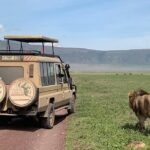
- A private safari guide and customized 4×4 safari vehicle
- All accommodation for the camping style nights
- Park fees and government taxes
- Meals, including packed lunches during game drives
- Water and soft drinks
- Basic outdoor medical kit and camping gear
That matters because many safari costs hide in add-ons. Here, the major costs tied to entering parks and running the vehicle are included. You’re also not stuck with a huge shared group format since it’s private—only your group participates.
There’s also a practical pricing lever built in: the tour mentions group discounts. And there’s a minimum of 2 people per booking, which is common for private safaris because it helps cover costs while keeping the experience personal.
If you’re comparing value, think in terms of what you’d need to arrange on your own:
- A reliable guide who understands wildlife patterns and timing
- Transport that can handle park roads comfortably
- Park entry and correct fees
- Food planning that keeps you from losing game-drive time
This package does those heavy-lift pieces. You pay for convenience and for the competence needed to run the trip smoothly.
One extra comfort factor: pickup is offered in Arusha, which makes starting day one less of a headache.
The guide makes the difference: communication and care
The itinerary itself is strong. But the human side is what often decides whether a safari feels smooth or stressful.
In past trips arranged by World Tours & Safaris Tanzania, I’ve seen praise go directly to guides for care and good communication. One review called out Suleiman and Rickson, thanking them for the best days the family had, with clear communication from contact through the end of the safari. The same note mentioned that children had a good time too, which usually means the guide kept things manageable and didn’t treat the trip like an adult-only mission.
That aligns with what you should look for in a Northern Tanzania safari guide:
- Clear explanations and calm driving
- The ability to keep plans on track without making you feel rushed
- A way to interpret what you’re seeing so it feels meaningful, not random
Even if your guide isn’t the same person named in a past review, you can use that as a clue for the operator’s style: they tend to run organized, communicate early, and take the experience seriously.
Who this safari fits best (and who should rethink it)
This safari is a strong fit if you:
- Want big wildlife hits in a short window (three parks, not one)
- Like the idea of camping while still having meals and major logistics handled
- Prefer a private guide and a private 4×4 setup
- Are excited by the specific draws: Tarangire elephants, Ngorongoro density and black rhino, and Lake Manyara’s tree-climbing lions
It may not fit as well if you:
- Need constant hotel-style comfort
- Hate early starts and long game-drive blocks
- Want a very flexible itinerary with lots of optional detours (this is a set route)
Also, vegetarian options are available—just ask at booking—so dietary needs can be handled.
Should you book it? My decision rule for this trip
If you want a focused Northern Tanzania safari with three famous stops, this booking makes sense. The price reflects a private 4×4, park fees, guides, meals, and camping equipment. You’re not paying just to drive around; you’re paying to be properly set up for wildlife viewing at each stop.
I’d especially recommend it if you’re using a limited vacation window. Ngorongoro alone can take over a whole trip for some people. Adding Tarangire and Lake Manyara in the same short safari is a smart use of time.
My main caution is simple: go in knowing it’s camping and it runs on early mornings. If that’s okay for you, you’ll likely love the pace. If you want slow mornings and soft beds every night, look for a lodge-based alternative.
FAQ
What parks are included on this safari?
The safari covers Tarangire National Park, Ngorongoro Crater, and Lake Manyara National Park.
Is pickup from Arusha included?
Yes, pickup is offered, with pickup from your hotel in Arusha around 07:00am.
Are park fees included in the price?
Yes. All related park fees and government taxes are included.
Is camping equipment provided?
Yes. Camping equipment is included as part of the experience.
Can I request a vegetarian meal option?
Yes. A vegetarian option is available if you advise the provider at booking.
What is the cancellation policy?
You can cancel up to 24 hours in advance for a full refund. If you cancel less than 24 hours before the experience starts, the amount paid is not refunded.