REVIEW · ARUSHA
5 Days 4 Nights Tarangire, Serengeti , Ngorongoro & Manyara Wildlife Safari
Book on Viator →Operated by Migration Venture Africa Ltd · Bookable on Viator
A five-day safari in Tanzania hits like a movie trailer. You’ll cover Tarangire, Serengeti, Ngorongoro, and Lake Manyara with a private guide, chasing big cats and elephant herds without doing the planning math. I like that the rhythm is built around early game viewing and smart park hopping, so your time doesn’t vanish on guesswork.
I really love two things here. First, you get a private 4×4 with a guide who can reposition quickly when animals show up. Second, the itinerary includes the big-name moments: Serengeti’s Great Migration region and the jaw-dropper Ngorongoro Crater experience, plus plenty of other wildlife stops along the way.
One consideration: this is a jam-packed route with early starts, long drives, and busy parks. If you’re hoping for slow travel, spa time, or lots of downtime at camp, you might find the pace a bit intense.
In This Review
- Key things that make this safari work
- The parks-and-animals plan (and why 5 days is the sweet spot)
- Your private 4×4 and guide team: where the safari actually improves
- Day 1 in Tarangire: elephants, lions, birds, and a picnic lunch that keeps you moving
- Day 2 and Serengeti entry: the crater rim view and the endless-plains feeling
- Day 3 in Serengeti: early morning drives and an optional balloon safari
- Day 4 on Ngorongoro Crater floor: Lake Magadi and the “caldera bowl” effect
- Day 5 Lake Manyara: Rift Valley ecology, flamingos, and optional canoe time
- Price and value: what $2,600 includes (and what you should budget for)
- Accommodation, meals, and safari pace: the parts you feel day-to-day
- Who this safari is best for (and who should consider a different style)
- Should you book this 5-day private safari?
- FAQ
- How long is the safari?
- Where are you picked up?
- Which parks are included?
- Is this a private safari?
- What’s included in the price?
- What is not included?
- Are park tickets or admissions included?
- Are there optional add-ons?
- Can I cancel and get a refund?
Key things that make this safari work
- Private 4×4 vehicle for flexible game drives and better sightline hunting
- Big-name parks in one run: Tarangire, Serengeti, Ngorongoro Crater, and Lake Manyara
- Serengeti Great Migration focus plus optional early-morning safari timing
- UNESCO World Heritage stops included during your Serengeti and Ngorongoro days
- Meals and park fees included, so your budget stays easier to manage
- Extra activities are optional (like balloon safari in Serengeti or canoeing at Manyara)
The parks-and-animals plan (and why 5 days is the sweet spot)
This tour is designed for people who want real variety without burning a week on logistics. You’re not just doing one famous park. You’ll shift ecosystems: the elephant-and-birds feel of Tarangire, the big-sky drama of Serengeti, the volcanic “crater bowl” at Ngorongoro, then the Rift Valley vibes of Lake Manyara.
The timing matters too. Wildlife is active at different hours, and Tanzania rewards you for being out early. The schedule leans into that: mornings start with breakfast, then you’re rolling for game drives. Even on days that feel like “just driving,” you’ll still end up with viewpoints and park time rather than empty hours.
And because it’s private, the “we all go together whether it makes sense or not” problem is reduced. When your guide spots fresh tracks, a feeding area, or a better angle, you can adjust fast. That’s the difference between seeing wildlife and actually feeling like you learned something while you see it.
A few more Arusha tours and experiences worth a look



Your private 4×4 and guide team: where the safari actually improves

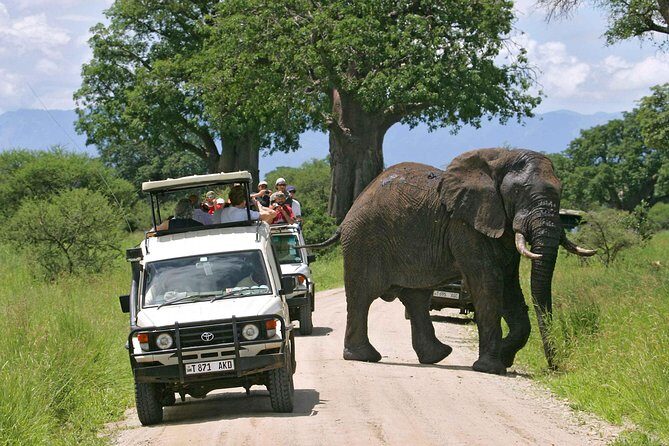
A private safari is not magic. It doesn’t guarantee lions in your lap. But it does remove friction. You’re traveling in one vehicle, with one guide, who can tailor the day around your pace and what’s happening in the parks that day.
Several review notes highlight the same pattern: strong guiding skills and good animal-finding effort. Names that came up include Joseph Temba and Lameck as guides who were described as professional, effective at locating animals, and focused on making the day work for the group. Noely is also mentioned for careful, courteous driving and spotting wildlife large and small. Even Amos—listed as the organizer—appears in feedback as quick to respond and hands-on with delivering the itinerary.
Practical tip: on safari, light and heat can ruin photos and patience fast. A good guide times the drives and keeps you moving when animals are most likely to be active. The tour’s structure supports that, with early departures and multiple game-drive windows rather than one long afternoon block.
Day 1 in Tarangire: elephants, lions, birds, and a picnic lunch that keeps you moving
Tarangire starts the trip with a classic Tanzania combo: animals you can track, and landscapes that feel alive even when you’re not watching a hunt. You’ll begin with breakfast around 7:30 am, then pickup in Arusha is scheduled for later that morning (day 1 lists 9:00 am). After that, you drive roughly 120 km to the park on tarmac roads.
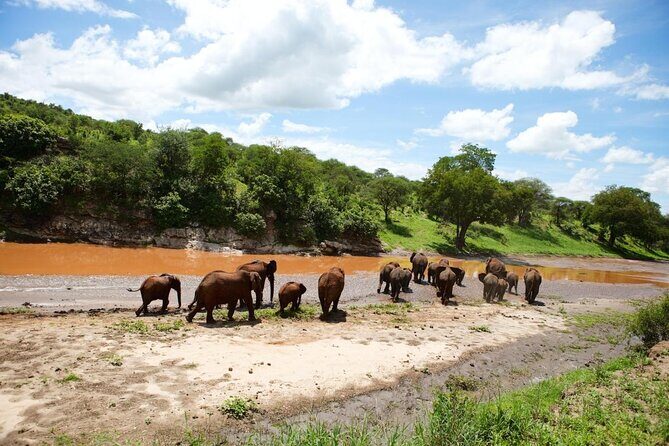
Tarangire is a bird magnet. The provided details mention 450+ recorded bird species, which means you’ll likely see plenty even when the big mammals are quiet. It’s also a park where elephants feel present. The tour description points to “one of Africa’s largest concentrations of elephants,” and the Tarangire species list includes lion, leopard, elephant, buffalo, and more—plus zebra, oryx, impala, and python.
What I like about this first day is the pacing. It’s not “drive in, stretch, then wait for the big moment.” You’ll have a picnic lunch inside the park area, then keep going with afternoon game viewing. That reduces the chance you waste time between sightings.
Possible drawback: because you’re fresh off the morning drive, you’ll want to be ready for quick transitions—water, sunscreen, and snacks help. If you’re the type who gets travel-jetlagged, consider packing sleep-friendly habits for Day 1 (simple: hydrate and avoid over-scheduling yourself on arrival in Arusha).
Day 2 and Serengeti entry: the crater rim view and the endless-plains feeling
Serengeti is the reason people come back to Tanzania. The tour gives you that lead-in on day 2. Your drive takes you through higher ground and includes stops with panoramic views, including a bird’s-eye look from the Ngorongoro rim area before you continue into the Serengeti.
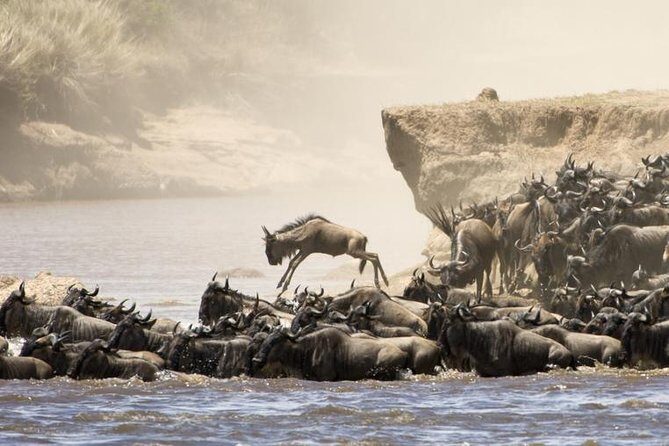
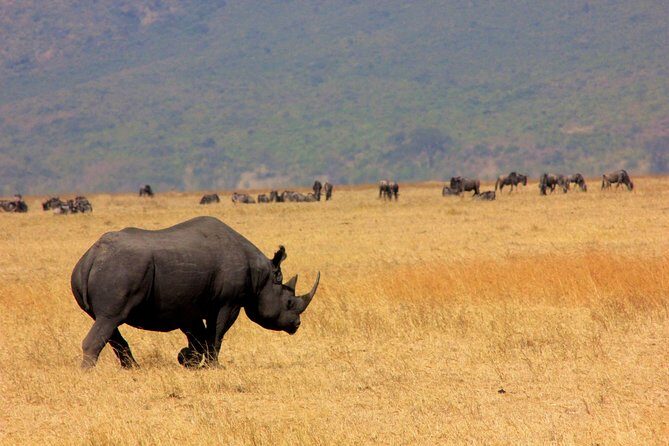
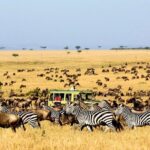
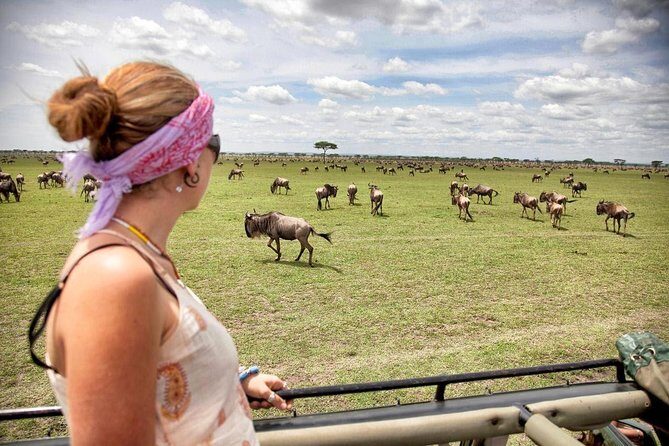
Then you arrive in the core promise of the Serengeti: endless plains and huge numbers of wildlife. The provided details emphasize the scale—millions of large animals, including more than a million wildebeest—plus plains zebras and gazelles. Predators such as lions, cheetahs, and hyenas are also called out as part of the ecosystem.
What to know: in Serengeti, the animals you see often depend on timing and where the migration is moving. This tour is built to chase that migration energy, but you still have to accept the basic safari truth: nature doesn’t follow your schedule.
A good sign here is the way the itinerary handles Serengeti time. You’re not getting only one short window. You’ll do more than one game drive day, which increases your odds of seeing different behaviors—feeding in one area, predators moving through another, and the migration feeling in between.
Day 3 in Serengeti: early morning drives and an optional balloon safari
Day 3 is where the Serengeti experience starts to feel personal. The schedule includes a full day of game drives in the morning and afternoon. There’s also an early-morning option described as a sunrise-style safari before breakfast—meant for animals when they’re more active and for that classic Serengeti glow.
The tour also mentions an optional balloon safari that can be added for extra cost. If you love views and don’t mind paying more for the aerial perspective, this can be one of those once-in-a-lifetime adds. If you prefer to keep things simple, you can skip it and focus your energy on more hours of ground wildlife viewing.
After your Serengeti day, you shift toward Ngorongoro. The itinerary text is a little tight on the exact transition, but the intent is clear: you’ll spend enough time in Serengeti to feel it, then you don’t waste the next day’s Ngorongoro magic.
Practical packing note: early starts in Serengeti can mean cool mornings. Bring layers you can work with on a vehicle ride—something light for sun, something warm-ish for dawn.
A few more Arusha tours and experiences worth a look


Day 4 on Ngorongoro Crater floor: Lake Magadi and the “caldera bowl” effect
Ngorongoro Crater is the reason people describe Tanzania in superlatives. The tour focuses on the crater’s physical drama: it’s described as a significant, unflooded, unbroken caldera with walls about 2,000 ft high and a crater floor about 102 sq miles.
The big experience here is the descent to the crater floor. Once you’re down, the ecosystem tightens into a concentrated world. The tour includes a visit to Lake Magadi, described as a large but shallow alkaline lake in the southwestern corner of the crater and one of the crater’s leading features.
This day’s tone is different from the open-spread feel of Serengeti. You’re in a bowl, so animals often seem closer, and you may notice more repeated movement patterns—grazers and predators cycling through known areas.
One consideration: Ngorongoro can feel busy because it’s iconic. A private safari helps with this. Your guide can take you to good angles and keep your drives efficient so you’re not stuck waiting.
Also, the itinerary mentions admission ticket free for the days listed, and the package includes all fees and taxes. That matters in Ngorongoro, where entry rules and timing can be part of the pressure. Here, it’s handled for you, so you spend less time managing logistics.
Day 5 Lake Manyara: Rift Valley ecology, flamingos, and optional canoe time
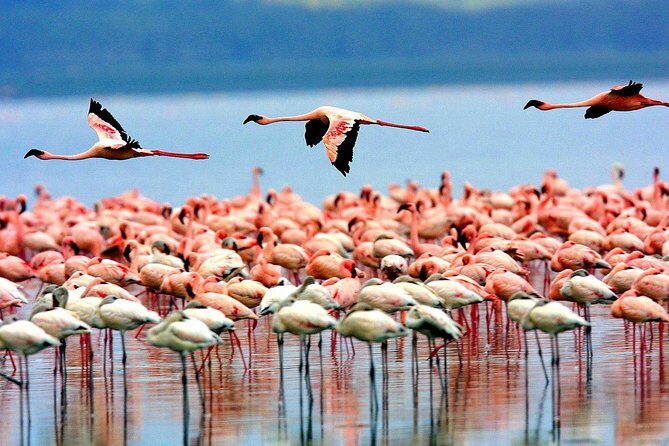
Lake Manyara is smaller than the others but it can be surprisingly rewarding. It’s positioned along the Great Rift Valley, and the tour description highlights that the park has five distinct vegetation zones. That variety is a big deal because different zones can mean different bird life and different animal behavior.
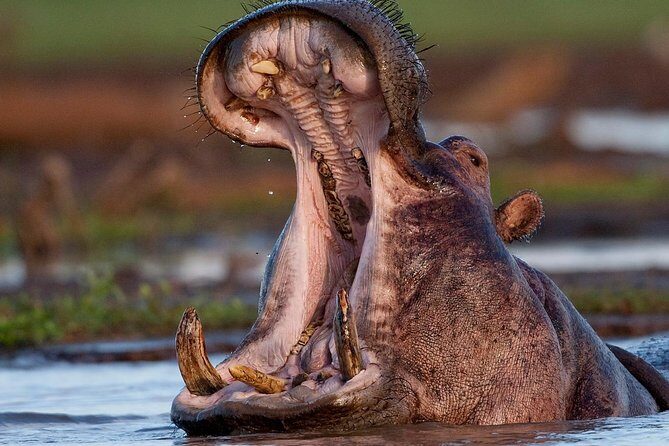
The species list for Manyara includes lion, hippo, elephant, zebra, buffalo, giraffe, baboon, blue and vervet monkeys, and warthog. It also notes about 350 species of birds and calls out flamingos in large flocks.
You’ll start with breakfast around 7:00 am and then pickup from your lodge is scheduled for about 8:00 am, with a drive of roughly 60 km. A lunch box is included to keep you moving for afternoon game drives.
What I like about Manyara as a finale is that it feels different. After Serengeti and Ngorongoro, where you’re often chasing the big spectacle, Manyara can slow your brain down and make you look carefully at smaller scenes—birds, monkeys, vegetation edges, and how animals use water and shade.
Optional add-on: the tour notes canoeing as a recent addition to Manyara activities at extra cost. If you want a new perspective on the same park, it’s worth considering. If you hate waiting or you’re prone to getting travel-sore, you might skip it and focus on the land game drives.
Price and value: what $2,600 includes (and what you should budget for)
The price listed is $2,600 per person for a 5-day, 4-night private safari. For many people, the key value isn’t just the parks. It’s what the package handles: a private 4×4 custom-built vehicle, a guide, all meals included, and all fees and taxes.
That’s how you make sense of the number. In a safari like this, the expensive part isn’t only the vehicle. It’s the logistics layer—park entry fees, the timing, and the planning overhead that would otherwise take hours of research. When those are included, your money buys time and stress reduction.
What’s not included is also clearly stated: international flights, visa, alcohol and soft drinks, and tips. So if you’re comparing options, don’t just look at the headline price. Decide how you’ll handle tips and drinks. Also, consider whether you’ll add optional experiences like balloon safari or canoeing, since those can change your final total.
Is this a budget safari? No. But for a private, multi-park route that targets migration-season highlights and UNESCO sites, it can feel like a fair deal compared with paying for each element separately.
Accommodation, meals, and safari pace: the parts you feel day-to-day
The tour includes dinner (4), breakfast (4), and lunch (5), which matters because safari days can be long. On early-drive days, having breakfast organized saves you from hunting food in towns you’d rather not be in. Picnic lunch and lunch box plans help keep your game drive momentum.
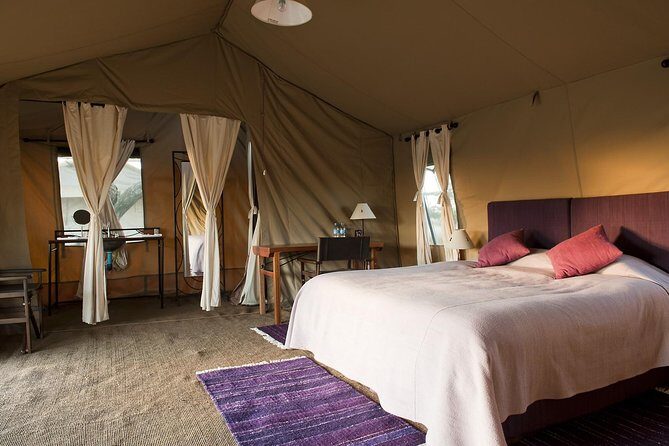
Accommodation is included for four nights, and the details you provided don’t list every lodge by name. That means you should treat lodge quality as a variable in any multi-park safari—especially when you’re moving between areas.
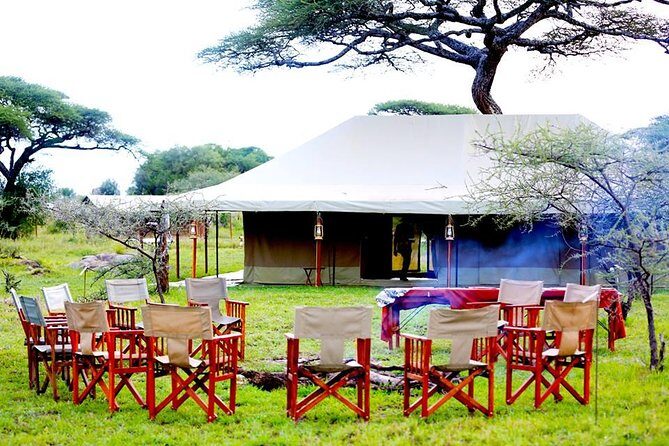
Here’s the one caution I’d take from the feedback you shared: lodging choices can affect how the trip feels. One guest specifically advised avoiding Ngorongoro Inn, while praising Eilleen’s Trees Inn in Karatu for its people, cute accommodations, and great food. Another reviewer highlighted a camp stay experience in Serengeti. In other words: the safari experience can be fantastic even if one stop doesn’t match expectations, but you’ll want to confirm the accommodation names ahead of time if that’s important to you.
Packing tip that pays off immediately: bring a small day bag for water and sun protection. You’ll likely spend hours on uneven ground and in vehicles. Also, keep a layer ready for cool early morning starts.
Who this safari is best for (and who should consider a different style)
This safari fits you if you:
- Want maximum wildlife variety without planning every drive yourself
- Like the idea of private guiding and flexible positioning
- Are excited by Serengeti’s migration storytelling and want more than a single game drive day
- Appreciate early starts for better animal activity
It’s less ideal if you:
- Want a slow, sleep-in, lounge-around pace
- Dislike long travel days between parks (even with tarmac sections and planned drives)
- Prefer a lighter itinerary with fewer moving parts
If you’re traveling as a couple, it’s a strong format. Reviews also reflect honeymoon and couple-style trips, where the privacy and planning support can feel especially valuable.
Should you book this 5-day private safari?
If your goal is to see Tanzania’s big safari highlights in one tight window—Tarangire elephants, Serengeti migration energy, Ngorongoro’s crater concentration, and Lake Manyara’s Rift Valley variety—this tour makes a lot of sense.
The strongest reasons to book are the included structure: private 4×4, meals, fees/taxes, and enough game-drive time to improve your odds. The best reason to hesitate is the pace and the fact that accommodation quality can vary by stop, as at least one reviewer pointed out.
If you like your travel plans handed to you with a guide you can rely on, I’d say go for it—especially if you can be up and ready for those early game drives. If lodge comfort is your top priority, ask for the specific accommodation names and double-check the one you’ll use on the Ngorongoro/near-crater night.
FAQ
How long is the safari?
It runs for 5 days (about 5 days and 4 nights).
Where are you picked up?
You’re picked up from your hotel in Arusha (and drop-off at the end is in Arusha or at the airport). The start time is listed as 8:00 am, and the itinerary includes specific pickup times such as 9:00 am on Day 1 and 8:00 am on Day 5.
Which parks are included?
The tour covers Tarangire National Park, Serengeti National Park, Ngorongoro Crater, and Lake Manyara National Park.
Is this a private safari?
Yes. It’s described as a private tour/activity, with only your group participating.
What’s included in the price?
The package includes private 4×4 custom-built vehicle, a driver/guide, all fees and taxes, and meals (breakfast, lunch, and dinner are included during the safari days).
What is not included?
International flights, visa, alcohol and soft drinks, and tips are not included.
Are park tickets or admissions included?
The provided tour details state Admission Ticket is Free, and the package includes all fees and taxes.
Are there optional add-ons?
Yes. There is an option for an early morning ballon safari in Serengeti for extra cost, and canoeing in Lake Manyara is also mentioned as an activity that costs extra.
Can I cancel and get a refund?
Yes. You can cancel up to 24 hours in advance for a full refund. If you cancel less than 24 hours before the start time, the amount paid is not refunded.