REVIEW · ARUSHA
5days Tarangire,Serengeti,ngorongoro Crater and Lake Manyara National park
Book on Viator →Operated by Great Image Expedition Ltd · Bookable on Viator
Elephants can steal your safari spotlight fast. This private 5-day northern circuit is built around serious wildlife time, moving you from Tarangire to Serengeti with game drives and meals handled for you.
I especially like the day-1 feel: you’re driving straight into Tarangire after pickup, and the chance of a big elephant moment is right at the top of the list. One possible drawback is the schedule: you start early, including a 6:00 am start, and you’ll spend plenty of hours in the vehicle between parks.
I also like how the days are paced for peak viewing, with a sunrise-style morning drive in Serengeti and a dramatic crater descent at Ngorongoro. You’ll sleep in tented, furnished camps, not bare-bones camping. For me, that balance of comfort plus long game-drive blocks is the sweet spot, as long as you’re good with chilly early mornings.
In This Review
- Key things that make this 5-park safari click
- Your 5-day northern circuit: what you really get for your money
- Price and logistics: private safari comfort vs. travel time
- Day 1: Arusha to Tarangire National Park and that first elephant moment
- Day 2: Tarangire to Serengeti, plus a Maasai village option
- Day 3: Serengeti at 6:00 am light, then moving on to Ngorongoro
- Day 4: Ngorongoro Crater’s 650-meter descent for a half-day crater drive
- Day 5: Lake Manyara game drive and back to Arusha
- Camps and meals: tented comfort that keeps you rested for early starts
- Wildlife expectations: what to focus on during the drives
- Who this private safari suits best
- Should you book this 5-day Tarangire–Serengeti–Ngorongoro–Lake Manyara safari?
- FAQ
- What parks are included in this 5-day safari?
- When does the safari start and is pickup included?
- What accommodation style is included?
- Which meals are included?
- Is this tour private or shared?
- Does the price include flights?
- What happens if the safari can’t run due to weather or minimum traveler numbers?
Key things that make this 5-park safari click
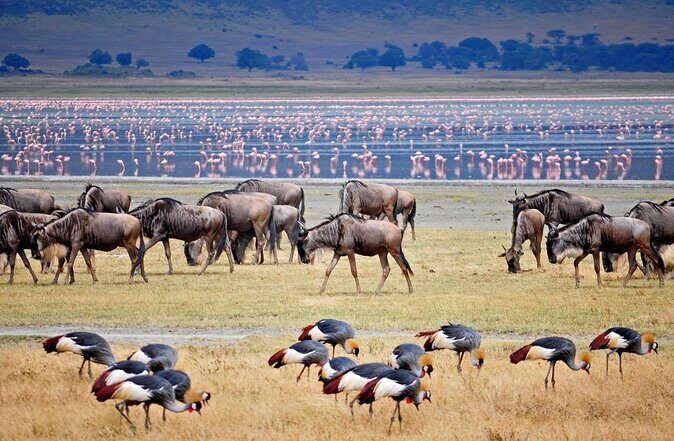
- Tarangire elephant action early on, with the guide also scanning for predators high in the trees (leopard is on the watchlist).
- Optional Maasai village visit on the way from Tarangire toward Serengeti, if you want that cultural stop.
- Serengeti morning game viewing that starts early, then a mid-day break before continuing the journey south.
- Ngorongoro Crater’s 650-meter descent for a half-day drive on the crater floor where animals concentrate.
- Lake Manyara game drive to finish, with a return to Arusha the evening of day 5.
- Private format for your group, with pickup offered and a mobile ticket.
Your 5-day northern circuit: what you really get for your money
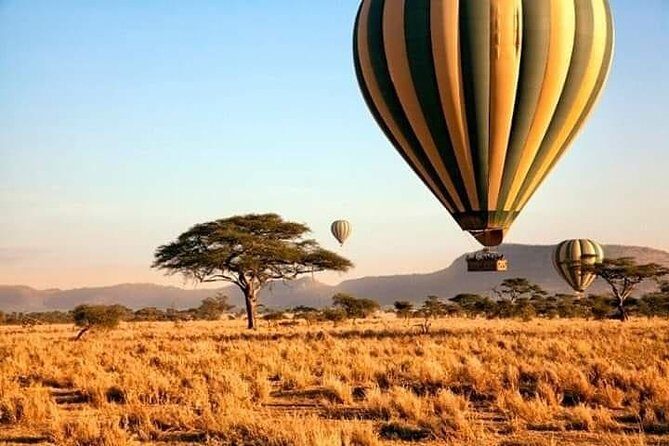
This safari is priced at $2,499 per person for about 5 days, and it’s a private setup. That matters, because you’re not just buying access to parks. You’re buying time on the road with one dedicated group, plus coordination that strings together Tarangire, Serengeti, Ngorongoro, and Lake Manyara without you planning every handoff yourself.
What you’re likely to feel most is the pace. This is not a slow “one park only” trip. It’s a classic northern-circuit rhythm: long driving days, early starts, and game drives on multiple days so wildlife chances stack up.
The value angle is also in what’s included. You get all fees and taxes, transport in an air-conditioned vehicle, and tented furnished camps. Meals are largely handled too: 5 lunches and 5 dinners are listed as included, and breakfast is included for 4 days. Add that together and the per-day cost starts to look more reasonable than a “bare-bones” safari where meals and park fees sneak up on you.
A few more Arusha tours and experiences worth a look

Price and logistics: private safari comfort vs. travel time
Let’s be honest about the tradeoff. A private safari across several parks is convenient, but it also means you’ll be in transit often. Day 2 involves traveling from Tarangire toward Serengeti via Manyara and through rift valley routes, and day 3 and day 4 keep the movement going with drives into and around the Ngorongoro area.
The flip side is that you get flexibility for your group. You’re not waiting around for other people’s pickup times or pacing. And since it’s a private tour/activity, only your group participates, which tends to make the whole day feel more controlled.
Also note that the tour starts with a 6:00 am start time. That’s a big deal on safari. Your “vacation brain” needs to accept early mornings, especially because the Serengeti morning drive is described as chilly. If you hate waking up before your coffee, this might feel like hard work.
Day 1: Arusha to Tarangire National Park and that first elephant moment
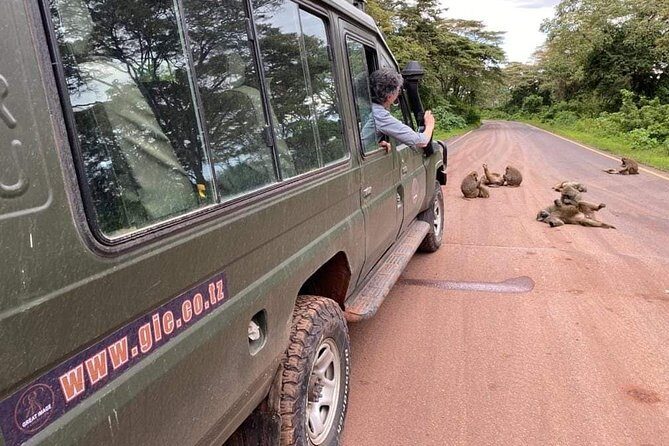
You kick off after breakfast with pickup from your hotel and a straight drive to Tarangire National Park. The day is structured with picnic lunch planned during the park portion, then a game drive that stretches into the evening.
Tarangire’s reputation in this specific route is clear: elephants lead the story. The plan explicitly calls out herds of 10–20 elephants, and sometimes up to 30. That’s not just a generic wildlife mention. It’s the kind of number that increases your odds of seeing close, active groups as the day unfolds.
Your guide also has a practical predator-scanning habit built into the plan. During the game drive, you’re encouraged to look up into the trees, because a leopard may be spotted that way. In the same day you could also see buffalo, impala, zebras, warthogs, and giraffes, plus plenty of other animals that Tarangire is known for in general terms.
If you enjoy the moment when safari days begin to feel real, day 1 is often where that happens. You’re not easing in with a long arrival day. You’re already looking for wildlife within hours.
Downside to keep in mind: day 1 ends with driving to Mgomban campsite for dinner and overnight. So even though you’re out in the park a lot, you’re also still in “transfer mode” until camp.
Day 2: Tarangire to Serengeti, plus a Maasai village option
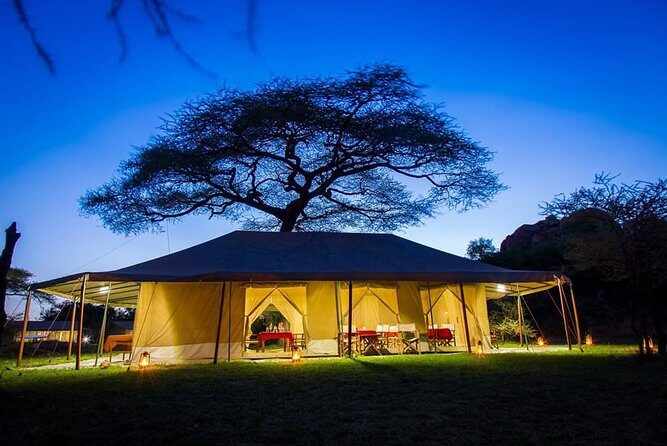
Day 2 starts with early breakfast, and then you shift gear: you pack the camping gear in the safari jeep and head toward Serengeti National Park via Manyara and the rift valley routes. It’s a travel day, but it’s not a dead day.
There’s an optional stop that’s worth considering if you want more than animals. The plan includes the possibility of visiting a Maasai village on the way to Serengeti. This can add context to the region and give your guide a chance to explain culture alongside wildlife. If you’re the kind of traveler who prefers short, respectful stops rather than long excursions, this is a good place for it, because you’re still on your way to maximize Serengeti time.
By evening you reach Kongoni Campsite, then enjoy an evening game drive before dinner and overnight. That matters because Serengeti can be good at different light levels. An evening drive can give you different animal behavior than the morning, and it also helps you settle in to the big open feel of the park.
A practical consideration: since this day includes both a transfer and a drive into Serengeti, you’ll want to keep your expectations flexible. You’re not promised a single “perfect” sighting; you’re stacking chances across multiple game drives across multiple parks.
Day 3: Serengeti at 6:00 am light, then moving on to Ngorongoro
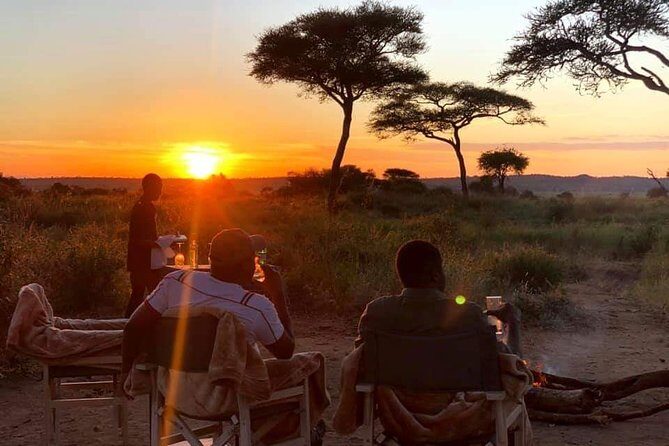
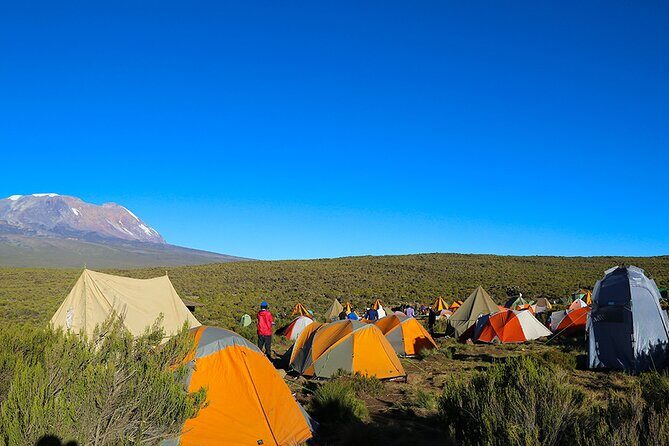
This is the day that feels like the classic safari “wake up and go” experience. You leave the camp at 06:00 am for morning game viewing. The plan mentions a hot cup of coffee and a warning that mornings can be chilly, so warm clothes are practical here.
The key idea on day 3 is timing. Morning light often makes animals easier to spot and can produce more active movement. You’ll ride through Serengeti in the morning, then return around mid-day for full breakfast and lunch at camp.
After that break, you head to the Ngorongoro Conservation Area for dinner and overnight at Ngorongoro Simba Camp site. That means day 3 is split: first, Serengeti wildlife; then, a move south so you’re in position for the crater the next day.
What to watch for here is energy management. If you’re doing a morning drive, you’ll come back mid-day ready for food and rest. Then you’ll do more driving and then settle into camp again. It’s a lot, but it’s also what makes Ngorongoro possible within a tight 5-day window.




Day 4: Ngorongoro Crater’s 650-meter descent for a half-day crater drive

Ngorongoro is where this safari gets dramatic. After breakfast, you have picnic lunch and then a short drive to the descending gate. From there, you descend roughly 650 meters deep for a half-day crater tour on the crater floor.
The crater approach changes how animals show up. The plan highlights that the crater has permanent water year-round, so animals may stay or come back instead of roaming as far each day. Practically, that can mean stronger odds of seeing a wider variety in a smaller area.
Rhinoceros is specifically mentioned as a possibility if you’re lucky. This is important: it sets the right expectation. Some crater days are phenomenal for rhino sightings, and some aren’t. The win is that even when one species is elusive, the crater’s concentration of life often keeps your game drive interesting.
After lunch, you ascend on the crater rim and then drive back to camp for overnight. The half-day crater structure is also a good design choice for travelers who don’t want all-day stress. You get the crater experience without turning the day into one endless driving loop.
Day 5: Lake Manyara game drive and back to Arusha
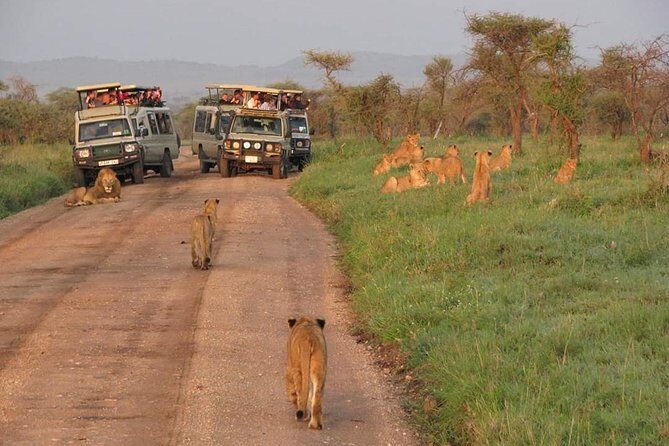
Your final day is built around a Lake Manyara game drive, then an evening drive back to Arusha for overnight. The plan frames this as the last wildlife block of the safari and a natural wrap-up after Ngorongoro.
Lake Manyara can add a different texture than the other parks. Even within a short timeframe, it helps round out the trip’s “big five mindset” by offering another chance to see elephants and other plains animals, plus the water-and-ecosystem style that can bring birds into the mix. Your guide may also manage your timing so you’re not just doing one long drive for the sake of it.
The logistics of the final return are fairly straightforward: game drive first, then evening transfer back to Arusha. That keeps the end of your trip less rushed than if you had to fly out immediately.
Camps and meals: tented comfort that keeps you rested for early starts
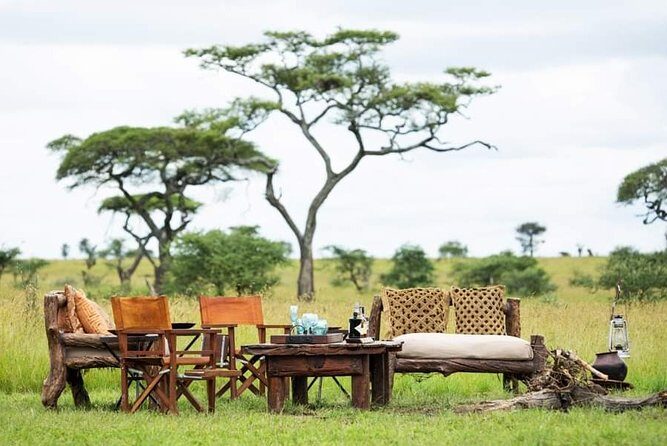
You’ll sleep in comfortable, tented, furnished camps. That’s a big deal in a safari like this because the schedule demands real rest. If your accommodations are too basic, you end up tired and cranky, and your eyes glaze over during wildlife spotting.
Meals are mostly included and structured around the driving days. The plan lists 5 lunches and 5 dinners included, plus 4 breakfasts. That suggests you’ll be fed at the times you need, not only when you happen to be at camp.
Day 1 includes picnic lunch as part of the park time. Day 3 includes a midday return for full breakfast and lunch. Day 4 includes a picnic lunch during the crater portion. These are the kinds of meal choices that can reduce stress because you’re not hunting for food between driving blocks.
Wildlife expectations: what to focus on during the drives
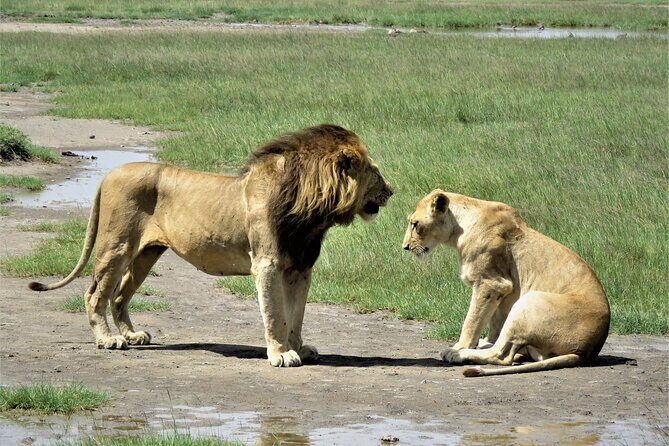
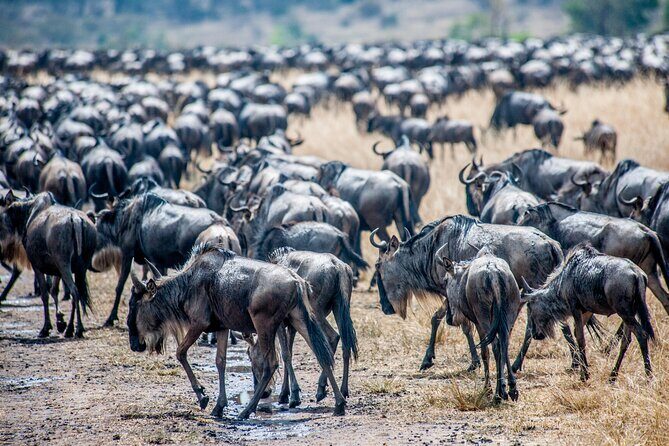
This route is designed for high wildlife odds across several ecosystems. You’re explicitly being pointed toward elephants, impalas, zebras, giraffes, warthogs, and buffalo. Day 1’s guidance also includes a predator technique: look up into the trees because a leopard may be spotted that way.
There’s also a clear “luck factors” element. The plan mentions rhinoceros in Ngorongoro as something you might see if lucky. That’s the right way to frame it. Safari days aren’t vending machines; the animals decide the schedule sometimes.
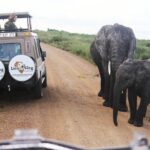
If you want to make the most of every drive, bring your attention skills. Pay attention to movement patterns, not just the big obvious sightings. And when the guide slows down, assume there’s a reason. In Tarangire, an elephant herd on the road happens fast, and you want to be ready when it does.
Who this private safari suits best
This is a good fit if you want a true northern circuit hit in just 5 days, without the work of arranging everything yourself. It also suits travelers who like a balance of wildlife time and some structured culture, especially because a Maasai village visit is offered as an optional stop.
It’s also a practical choice for groups who want privacy and consistency. Your group travels together, and only your group participates. That can make the experience feel more personal even when you’re in huge, open landscapes.
If you’re traveling with kids or you’re sensitive to long days, keep your expectations realistic. This safari involves early starts and travel time between parks, so it’s best if your group is okay with being on the move.
Should you book this 5-day Tarangire–Serengeti–Ngorongoro–Lake Manyara safari?
If your top goal is maximum wildlife variety across multiple parks in a short window, I’d say this route makes sense. The big reasons are the included park fees, the mix of game drives (including an early Serengeti morning), and the iconic Ngorongoro crater descent that concentrates animal sightings.
I’d think twice only if you dislike early mornings or long driving days. This plan starts at 6:00 am and keeps the wheels turning for the whole circuit. You’ll need to be the kind of traveler who enjoys the rhythm of safari days, not the kind who wants a “sleep in and stroll” vacation.
One more quick check: confirm what’s included for meals in your exact departure dates, since the listing shows breakfast for 4 days but dinners/lunches for all 5 days. If you’re the type who needs every meal guaranteed, it’s worth clarifying before you pay.
FAQ
What parks are included in this 5-day safari?
This safari covers Tarangire National Park, Serengeti National Park, Ngorongoro Crater (via the Ngorongoro Conservation Area), and Lake Manyara.
When does the safari start and is pickup included?
The start time is 6:00 am. Pickup is offered, and you’re picked up from your hotel on the first day before driving to Tarangire.
What accommodation style is included?
The tour includes tented, furnished camps (listed as tented camp and furnished camp) with dinner and overnight at the campsites each night.
Which meals are included?
Meals listed as included are lunches (5), dinners (5), and breakfast (4).
Is this tour private or shared?
It’s private. Only your group will participate.
Does the price include flights?
No. Flight is not included.
What happens if the safari can’t run due to weather or minimum traveler numbers?
The tour requires good weather. If it’s canceled due to poor weather, you’ll be offered a different date or a full refund. If it’s canceled because the minimum number of travelers isn’t met, you’ll be offered a different date/experience or a full refund.
If you want, tell me your travel month and whether you prefer more wildlife or more culture, and I’ll help you sanity-check if this pace matches your style.