REVIEW · ARUSHA
Essence of Arusha City Tour
Book on Viator →Operated by Take Me To Tanzania Adventure & Safaris · Bookable on Viator
Arusha can be a great palate cleanser from safari mode. This tour mixes hands-on culture, craft shopping, and a nature break at Bangata Waterfalls right under Mount Meru. I especially like the Cultural Heritage Centre stop, where you get masks, sculpted animals, and Tanzanian crafts from 120-plus tribes in one place, plus a serious curio/gift setup. I also like how the day is built for convenience with a modern, air-conditioned vehicle and pickup and drop-off back at the same meeting point.
One thing to consider: the itinerary leans into craft stores and markets, so you’ll want a shopping mindset (or a firm plan for what you’ll skip). The time window can also feel flexible since the tour is listed as roughly 3 to 8 hours, even though the stops are scheduled in blocks—so if you’re on a tight schedule, I’d confirm the exact day length when you book.
In This Review
- Key things I’d pay attention to
- Arusha City Between Safari Days: What This Tour Is Really Good For
- Getting Oriented Fast: Pickup, Air-Conditioned Comfort, and the Time Window
- Stop 1: Cultural Heritage Centre and Its 120+ Tribe Craft World
- A possible drawback at this stop
- Stop 2: Shanga Foundation Craft Store, Reuse Ideas, and Tanzanite Shopping
- Shopping tip that makes this stop better
- Stop 3: Bangata Waterfalls at Mount Meru’s Foothills
- What to consider before you go
- Stop 4: Maasai Market for Curios, Spices, and a Little Barter Practice
- How to enjoy the market without stress
- Price and Value: Is $160 Worth It for a Private Day?
- Where the price can feel less worth it
- Who This Tour Suits Best
- A Quick Reality Check on What to Bring
- Should You Book This Arusha City Tour?
- FAQ
- How much does the Arusha City Tour cost?
- How long is the tour?
- Is pickup and drop-off included?
- Where does the tour start?
- Are admission fees included?
- What’s included in the price?
- Is coffee or tea included?
- What days and hours does it run?
- Is this tour private?
- What is the cancellation policy?
Key things I’d pay attention to
- Private, your-group tour: only your group joins, with pickup and drop-off in a modern, air-conditioned vehicle.
- Big craft stops with admissions handled: Cultural Heritage Centre and Shanga Foundation include admission and are built for browsing.
- Bangata Waterfalls plus villages and fish ponds: you don’t just arrive and snap photos; you pass agricultural villages and see fish-pond feeding.
- Maasai Market for souvenirs and bartering: lively market energy, with fruit, coffee, nuts, spices, and plenty of curios.
- All fees and taxes included: helps you budget better since you’re not chasing extra ticket costs mid-day.
- Price includes a lot of logistics: $160 covers transport and listed fees, which can be good value if you’re not renting a car.
Arusha City Between Safari Days: What This Tour Is Really Good For
If you’re doing Tanzania the classic way—safari first, then a couple nights in town—Arusha can feel like the moment you catch your breath. This tour is designed for that reset. You start in town culture, you move through craft and gift spaces that explain what you’re buying, and you end with a nature stop at Bangata Waterfalls, which is a nice change from dusty game drives.
I like that it’s not just one museum and one waterfall. It’s four distinct stops that each give you a different angle on daily life around Arusha: cultural artifacts, craft-making and reuse, small-scale agriculture, and market trade. That mix is especially handy if you only have a short window in the city.
You can also read our reviews of more city tours in Arusha

Getting Oriented Fast: Pickup, Air-Conditioned Comfort, and the Time Window
You meet at Clocktower Roundabout, Arusha. From there, you’re picked up and returned back to the same meeting point when the activity ends. The vehicle is described as modern and air-conditioned, which matters in Arusha when you’re bouncing between different parts of town and then heading toward the waterfall area.
The tour is listed as 3 to 8 hours. At the same time, the itinerary shows time blocks for each stop. Translation: you should treat the total time as flexible and confirm your departure/return times with the provider after booking. That’s not a dealbreaker, but it matters if you’ve got a dinner reservation, a shuttle to catch, or a flight later that day.
This is also a private tour/activity, meaning only your group participates. That usually helps with pacing. You’re not fighting for time slots with strangers or stuck waiting for other couples to finish buying souvenirs.
Stop 1: Cultural Heritage Centre and Its 120+ Tribe Craft World
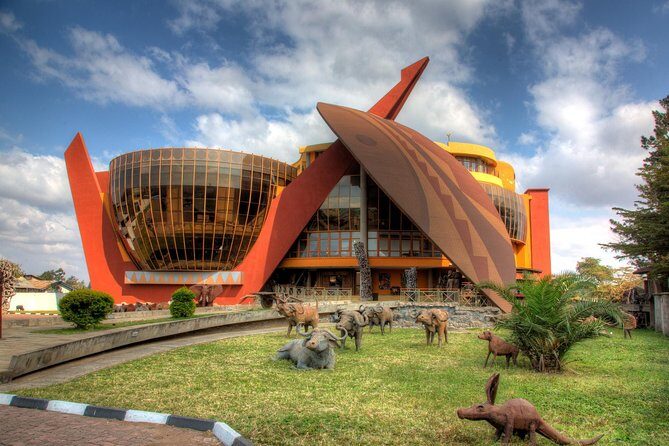
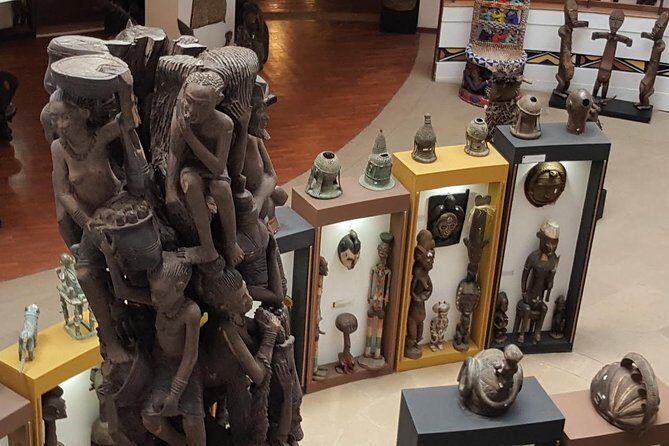
The first stop is the Cultural Heritage Centre, scheduled for about 3 hours with admission included. This is one of those places where you can learn without feeling like you’re sitting in a lecture. You’ll browse an impressive collection of masks and sculpted animals, plus traditional handicrafts and a curio shop.
What I like here is the mix. It’s not just traditional display. The centre also has a jewelry boutique and a restaurant, and it includes modern art alongside traditional crafts from Tanzania’s 120-plus tribes. That gives you a better sense of how craft culture in Tanzania isn’t frozen in time—it’s evolving, and businesses are built around it.
There’s also a strong “credibility signal” attached to the place. It’s described as a private establishment run by an England-educated tourism pioneer, and it lists high-profile visitors such as Bill Clinton, George W. Bush, Norwegian King Harald, and U.S. Secretary of State James Baker. Whether you care about that or not, it suggests the centre has attracted international attention and is set up for visitors.
Practical note: plan to spend real time here if you like gifts. The shop sells things like carvings, gemstones, and books, so you can match your shopping to your budget—small items are usually easier to decide on than big-ticket pieces.
A possible drawback at this stop
If you’re the type who gets overwhelmed by too many choices in curio shops, this may feel like sensory overload. The trick is to decide early what you want to buy—spice? carvings? jewelry?—and then move through with a checklist.
Stop 2: Shanga Foundation Craft Store, Reuse Ideas, and Tanzanite Shopping
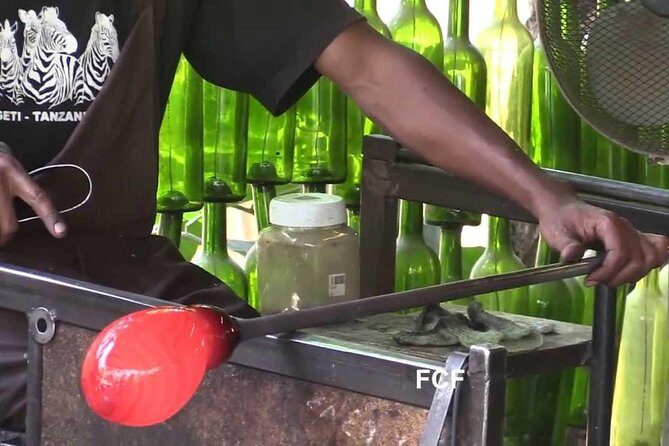
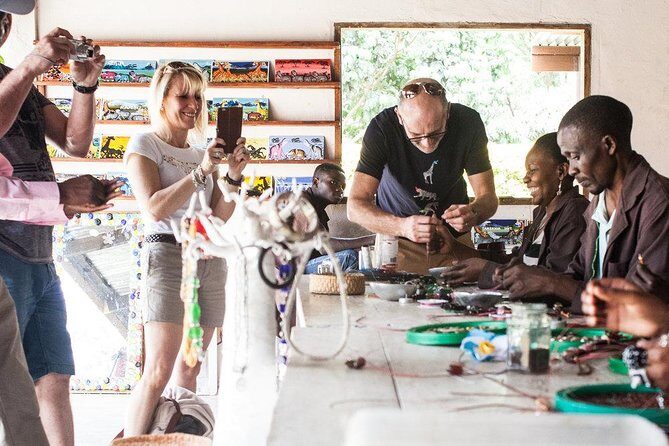
Next up is Shanga & Shanga Foundation, again with admission included and a roughly 3-hour block. This stop is built around a craft workshop/store concept that supports artisans and disabled locals. You’ll see items behind glass—like glassware, beads, paintings, and fabrics—plus people actively making beaded jewelry and cloth using recycled materials.
The visual details are part of the experience. You’ll notice walls of recycled wine bottles that catch warm light and make a pleasant noise when gently moved. There are also stuffed elephants made from reused men’s shirts. Those choices matter because they show how “craft” can be practical and creative at the same time—not just decorative.
This is also where you’ll likely spend time looking at Tanzanite. The description highlights a Tanzanite Experience boutique and the option to order tanzanite bracelets and necklaces as gifts or souvenirs. If you’re interested in Tanzanite, this is one of your main chances during the tour.






Shopping tip that makes this stop better
At craft-and-jewelry places, it’s easy to forget what budget you started with. If you’re thinking of buying Tanzanite or something higher value, I’d set a number in advance and only consider items that fit it. You’ll enjoy the browsing more, and you’ll avoid the end-of-day “oh well” purchase.
Stop 3: Bangata Waterfalls at Mount Meru’s Foothills
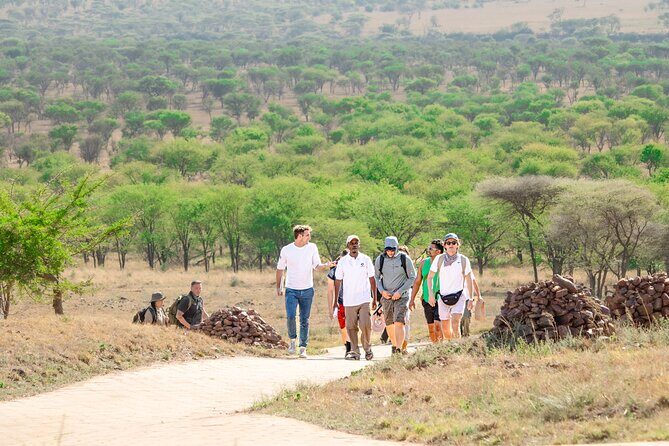
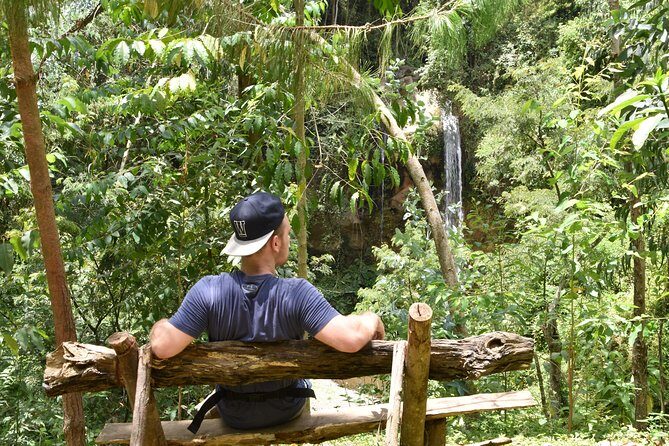
Stop 3 focuses on Bangata Waterfalls, described as being on the foothill of Mount Meru. You’ll be guided through small agricultural villages with lush greenery and learn about everyday food production. Locals sell goods like coffee, maize, bananas, and other fruits and vegetables along the way.
When you arrive, you’re met with a setting that includes avocado plantations and fish ponds. This is where the tour leans into “see how it works” instead of only “see the view.” You get a chance to learn about cultivation and how goods are prepared for export. There’s also a practical, hands-on moment: before you reach the waterfall, you can feed the fish in the ponds.
Then comes the downhill walk to the waterfall entrance area. It’s a nature stop designed to feel like a break from town. After hours of craft shops, this is your chance to slow down, breathe, and enjoy something that doesn’t require negotiation.
What to consider before you go
This part of the tour is described as requiring good weather. So if rain is likely on your travel day, you may want to build in flexibility. If the tour is affected by poor weather, you might be offered another date or a full refund—so it’s worth checking with the provider as your departure day gets closer.
Stop 4: Maasai Market for Curios, Spices, and a Little Barter Practice
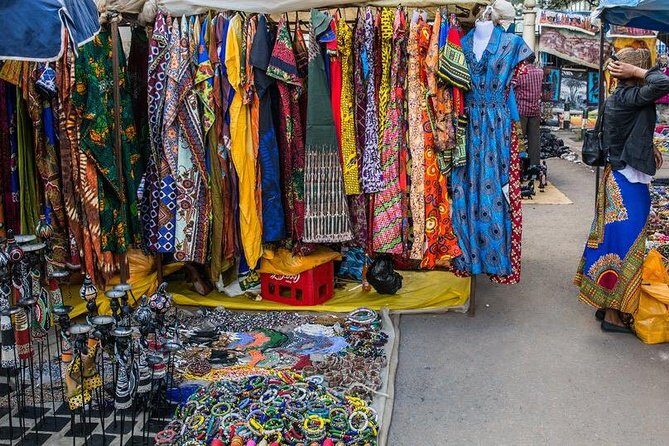
The last planned stop is Maasai Market, around 2 hours with admission included. This is where the day becomes more energetic and more chaotic—in a good way. It’s described as a sensory experience with plenty of sellers trading fruit, coffee, nuts, and spices, plus a lively atmosphere where you’ll likely want to barter.
If you’re shopping for African art—sculptures, artifacts, and craft pieces—this is also tied to the larger curio-shopping vibe in Arusha. The description points you toward the Cultural Heritage craft mall for best pieces in the city, so you may notice overlap in what you see and where you choose to buy.
How to enjoy the market without stress
Markets can drain time and patience if you try to compare everything. I recommend choosing your souvenir category first:
- food or spices (easy to decide, easy to pack),
- small carvings or decorative items (good gifts),
- or jewelry (harder to compare, so stick to your budget).
If you’re not interested in shopping at all, this stop might feel like filler. But if you want a real feel for trade in Arusha, it’s one of the most fun parts of the itinerary.
Price and Value: Is $160 Worth It for a Private Day?
At $160 per person, the value depends on what you’d otherwise spend to do these activities on your own.
Here’s what’s included:
- private transportation,
- all fees and taxes,
- snacks,
- and admission for each major stop.
Also, you’re not just getting transport—you’re getting guided access to craft, heritage, and the waterfall route, which can be harder to coordinate independently if you’re short on time.
If you’re traveling in a small group (or as a couple) and you don’t want to hire a car and plan admissions, this price can feel fair. The tour also works well when you’re short on time—one example review specifically highlighted booking when there was only one day in Arusha.
Where the price can feel less worth it
If you barely shop, don’t care about crafts, and mainly want nature, you might feel like you’re paying for a day that includes multiple store stops. In that case, you could look at a more nature-focused day trip instead. But if you enjoy souvenirs with context—what you’re buying and where it comes from—this pricing structure makes more sense.
Who This Tour Suits Best
This tour is a strong fit if you:
- have only a limited amount of time in Arusha,
- want a break from safari pace without losing the cultural angle,
- like craft shopping but prefer it tied to real makers and real places,
- want a private, air-conditioned ride rather than public transport.
It’s less ideal if you:
- hate markets and prefer quiet sightseeing,
- are on a strict schedule and can’t handle stop-by-stop timing changes,
- want only one or two “big ticket” sights and would skip the rest.
A Quick Reality Check on What to Bring
You’ll be doing walking—especially around the descent toward the waterfall entrance. I’d pack basic comfort items:
- sunscreen and water,
- something for dust,
- and comfortable shoes you don’t mind getting a little dirty.
If you plan to buy Tanzanite jewelry or heavier souvenirs, consider bringing a way to secure purchases so they don’t feel like a burden by the time you reach the end of the day.
Should You Book This Arusha City Tour?
I’d book it if your goal is to see Arusha in a way that doesn’t feel like a rushed check-list. The combination of heritage crafts, Shanga Foundation’s reuse craft workshop, and Bangata Waterfalls gives you variety, and the private transport keeps the day smooth.
I’d skip it or switch to a more nature-only day if you don’t want shopping stops and you’d rather spend the day outdoors with less time in stores.
If you’re even slightly into crafts, souvenirs with meaning, and a relaxed waterfall finale, this is a solid one-day Arusha option.
FAQ
How much does the Arusha City Tour cost?
The price is $160.00 per person.
How long is the tour?
It’s listed as approximately 3 to 8 hours.
Is pickup and drop-off included?
Yes. Pickup is offered, and the activity ends back at the meeting point.
Where does the tour start?
The start point is Clocktower Roundabout, Arusha, Tanzania.
Are admission fees included?
Yes. Admission tickets are included for the main stops.
What’s included in the price?
Included features are private transportation, all fees and taxes, and snacks.
Is coffee or tea included?
Coffee and/or tea are marked as not included, but the tour overview also mentions coffee and tea as light refreshments. It’s worth confirming with the provider after booking.
What days and hours does it run?
It runs Monday through Saturday from 8:30 AM to 3:30 PM.
Is this tour private?
Yes. It’s private, and only your group participates.
What is the cancellation policy?
You can cancel for free up to 24 hours in advance for a full refund, based on local time. If canceled less than 24 hours before start time, the amount paid is not refunded.
If you tell me your travel dates and whether you care more about waterfall time or shopping time, I can help you judge if the stop balance matches your style.