REVIEW · MOSHI
4-Day Shared Safari Tour with Complete Meals
Book on Viator →Operated by Tarry Adventures and Safaris · Bookable on Viator
Four days, three parks, and one wild obsession. This shared safari loop out of Moshi strings together Tarangire, the Serengeti, and Ngorongoro Crater, with guided game drives and full meals so your days stay focused on wildlife. It’s built for a small group, so you get the benefits of shared logistics without feeling lost in a huge crowd.
Two things I really like: the route hits different habitats fast, so the animals feel fresh from day to day, and the meals are handled end-to-end (including bush breakfasts and camp dinners). I also like that the team can adapt meals to diets like vegetarian requests, which makes camping feel less stressful.
One drawback to plan for: this is a safari with early mornings and long driving blocks between parks, and it’s shared with up to about 15 people, so you won’t always move at your personal pace.
In This Review
- Key highlights you’ll care about
- Why Tarangire, Serengeti, and Ngorongoro Crater makes sense together
- Shared safari comfort: pickup, small group size, and how the days actually run
- Day 1: Tarangire National Park and why the elephants matter
- Day 2: Serengeti via Ngorongoro Gate, plus Masai life around the route
- Day 3: A morning Serengeti drive, bush breakfast, and Simba campsite
- Day 4: Ngorongoro Crater and why black rhinos are a big deal
- Wildlife expectations: Big Five math, plus what “at least four” really means
- Meals on safari: complete means you eat well, not just snack
- Your guides and drivers: why names matter for trust
- Price and value: what $1,000 covers and where value comes from
- Who should book this safari (and who might prefer another style)
- Should you book this 4-day Moshi safari?
- FAQ
- What parks are included in the 4-day safari?
- How many days and what kind of schedule should I expect?
- Is pickup included?
- How many people are in the group?
- Are meals included?
- Can they accommodate vegetarian diets?
- Is cancellation free?
Key highlights you’ll care about
- Three major parks in four days: Tarangire, Serengeti, and Ngorongoro Crater
- Big-game goal: aiming for at least four Big Five species
- Full-meal rhythm: breakfast and lunch in the field, plus dinner at camps
- Ngorongoro Gate + Masai country: you’ll pass through the gate area and see livelihoods nearby
- Black rhino focus in the crater: Ngorongoro is a key breeding zone for endangered black rhinos
- Small shared group: max around 15 in the safari vehicle
Why Tarangire, Serengeti, and Ngorongoro Crater makes sense together
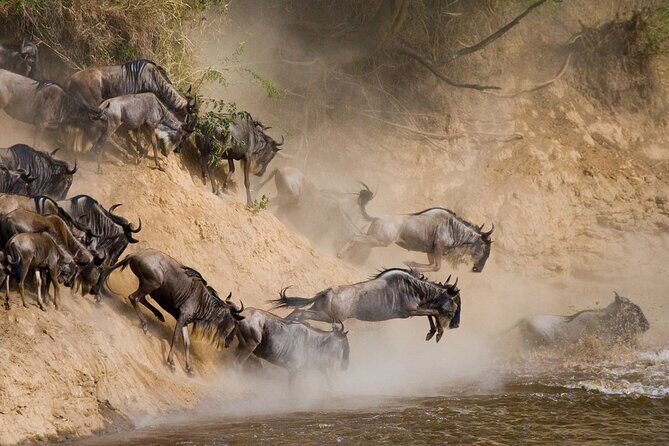
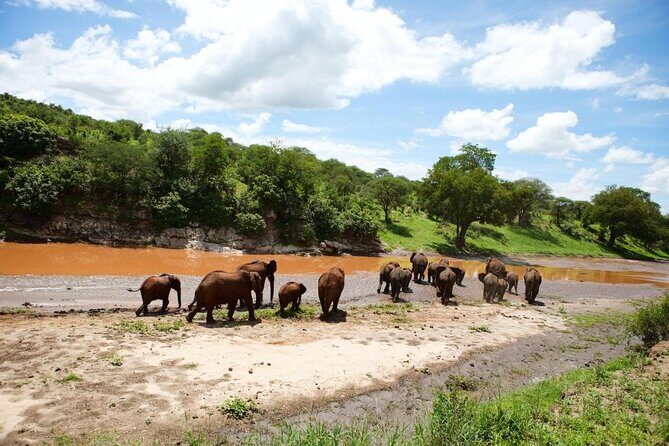
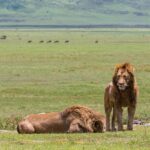
If you’re choosing only one safari “sampler,” this one is a solid match. Tarangire brings a distinct feel with big elephant presence and strong chances for herds and action around water and river corridors. Then you pivot to Serengeti, where the scenery opens into the classic grassland game-drive style, with predators and large roaming groups moving through broad views. Finally, Ngorongoro Crater changes the whole game because it’s a enclosed ecosystem that you drive into for concentrated wildlife viewing.
The best part is the pacing. You’re not spending all your time in just one park. Instead, you get variety: different ground, different animal behavior patterns, and different guide “spot and explain” moments as the landscapes change.
A few more Moshi tours and experiences worth a look


Shared safari comfort: pickup, small group size, and how the days actually run
This is a shared safari, but it stays on the smaller side, with a maximum of about 15 travelers. That matters because it keeps the vehicle feeling more like a moving conversation than a constant herding job. You can ask questions, get better eyes on sightings, and hear explanations over the general excitement.
Pickup is offered, and you’ll use a mobile ticket, which is handy when you’re juggling hotel, packing, and early departure. The tour is also described as suitable for most people who want to join a wildlife-focused trip, and the meeting point area is noted as near public transportation, which can help if you’re not arriving with a private driver.
The rhythm is also important. You should expect long viewing sessions on most days and full meal stops that match the schedule. When a trip is built around breakfast in the bush, a hot lunch later, and dinner at camp, you’re less likely to lose time hunting for food or improvising logistics.
Day 1: Tarangire National Park and why the elephants matter
On day one, you’re picked up at 7:00 AM and driven toward Tarangire. This park is known for large elephant numbers, and that’s not just a headline; it shapes what you see during the game drive. Elephant herds often anchor the day’s sightings, and where elephants move, other animals tend to follow the same water and forage logic.
You’ll have about 4 to 6 hours of game time in Tarangire. That’s a meaningful window: long enough to adjust after the morning start, scan for wildlife in different spots, and get a few “wait—there it is” moments without feeling like you’re racing the clock.
After the game drive, you exit the park and head to Kizumba campsite for dinner and an overnight stay. This is where the “complete meals” part starts to feel real. You’re not just getting a warm bed; you’re getting the flow of the day handled for you, so the next morning doesn’t feel like a scramble.
Day 2: Serengeti via Ngorongoro Gate, plus Masai life around the route
Day two shifts you from Tarangire’s scene into the Serengeti. The drive takes you through Ngorongoro Gate, where permits are sorted out before you roll into the wider wildlife area.
This gate-to-Serengeti transition is worth paying attention to, even if you’re mostly focused on animals. It’s one of the few parts of a safari where you get a quick, grounded reminder that this is living land, not just scenery. The route includes views of the Masai livelihoods around the Ngorongoro area, and you’ll learn about how communities relate to the wildlife around them.
You’ll have around 7 hours of activity this day. That includes the transfer portion and the time spent reaching and settling into the day’s viewing zone. In practical terms, it means you’re not just “arriving” to Serengeti. You’re actively on the move with a guide who can point out what you’re seeing along the way.
Day 3: A morning Serengeti drive, bush breakfast, and Simba campsite
Day three starts early for a morning game drive in the Serengeti central plains. The early timing is a classic safari strategy because animal activity often feels more intense when temperatures are cooler and visibility stays strong.
You’ll also do bush breakfast before the drive continues. This is one of the moments that can feel small on paper and big in real life. Eating out in the field changes the feel of the day: you’re not waiting for “the next stop,” you’re in the middle of the experience while wildlife is still moving nearby.
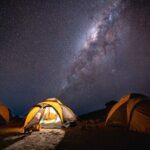
After more game viewing, you’ll head back for hot lunch and then continue on to Simba campsite for dinner and an overnight stay. The camp switch is part of what keeps the days from blending together. You get to reset, wash up in whatever way the camps allow, and get ready for the crater day, which is usually the most “wow” day on many itineraries.
A few more Moshi tours and experiences worth a look
Day 4: Ngorongoro Crater and why black rhinos are a big deal
Day four is centered on Ngorongoro Crater, with an early morning drive for game viewing. The crater is especially notable as a natural breeding site for the endangered black rhino in East Africa. Even if you’re not chasing rare sightings, this focus shapes the way the morning viewing works, because the area is managed and watched closely for these animals and the overall ecosystem.
You’ll enjoy bush breakfast and more game viewing as part of the day. Then, in the evening, you’ll proceed back to Arusha.
This is also the day where you’ll feel how different crater wildlife viewing can be compared to open plains drives. You’re often working with a more enclosed, concentrated viewing environment. That can make sightings feel faster and more frequent when wildlife moves into visible lanes.
Wildlife expectations: Big Five math, plus what “at least four” really means
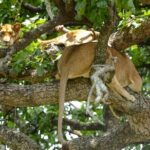
The tour aims for at least four Big Five animals, and sometimes it may reach all five depending on conditions. That wording matters, because safari sightings are never guaranteed. Wildlife moves. Weather shifts. Predators follow prey, and prey doesn’t read your itinerary.
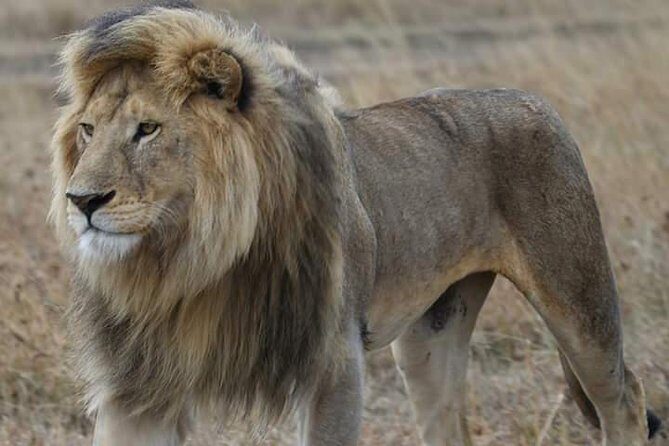
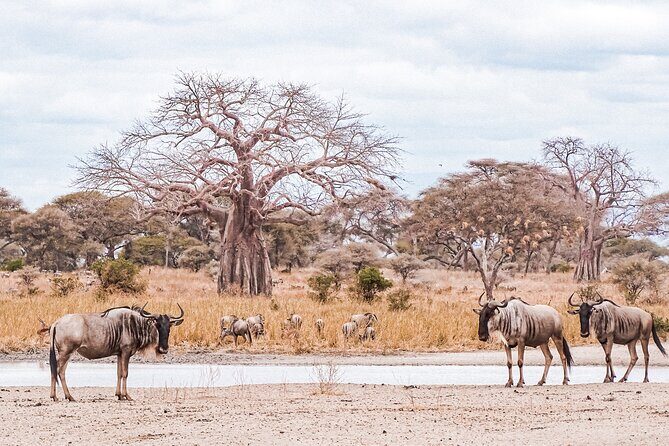
Still, the itinerary gives you smart “coverage.” Tarangire can deliver elephant-heavy action. Serengeti tends to give you more predator-and-herd dynamics across open views. Ngorongoro Crater adds the black rhino chance in a controlled, well-known environment. Put together, it’s a reasonable path for hitting multiple Big Five categories within a short trip.
If you want a safari where you can keep adjusting your expectations without losing momentum, this plan helps. Even when a specific target animal is shy, the other sightings still keep the day alive.
Meals on safari: complete means you eat well, not just snack
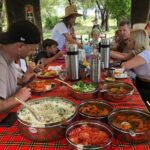
“Complete meals” can mean anything from basic sandwiches to actually thoughtful camp food. Here, the structure is clear: you’ll have dinner at campsites, bush breakfast, and hot lunch during the middle of the day. That matters because it keeps your energy steady during early starts and long driving blocks.
One detail I like: the team can handle vegetarian diets. If you’ve ever tried to safari while managing dietary needs, you know it can turn into a stress test. Having meals adapted reduces that friction, so you can focus on wildlife instead of food logistics.
Bring the mindset that you’re camping in a wildlife area, not in a restaurant setting. But do expect that the meals are scheduled with the drive times, which makes a huge difference.
Your guides and drivers: why names matter for trust
This tour is organized through Tarry Adventures and Safaris, and people have highlighted specific hosts and guides. Names you may see connected with this style of trip include Peter (often mentioned as the organizer), and drivers/guide figures such as Godfrey and Mike.
What matters isn’t celebrity names. It’s what those people represent: someone showing up ready to handle the day, and someone explaining what you’re seeing so sightings feel earned, not accidental. When a guide can point out the why behind an animal’s behavior, you remember the day long after the photos.
Price and value: what $1,000 covers and where value comes from
At $1,000 per person for a roughly four-day shared safari, you’re paying for more than park entry. You’re paying for the chain that makes a safari run smoothly: transportation between parks, guided game drives, camping nights, and the fact that meals are included throughout the schedule.
Shared tours often look cheaper on paper, but they’re not automatically good value. The value here is that “shared” doesn’t mean “barebones.” You still get substantial game-drive time blocks (like the 4 to 6 hours in Tarangire and extended viewing in Serengeti and the crater) and a complete daily structure with meals that match the wildlife rhythm.
Also, the package notes that admission is handled for parts of the route and includes the crater day admission, which reduces the chance you’ll get stuck paying extra on the spot.
So the real question for you is: are you saving money by doing a cheaper option, or are you saving money by giving up time and meal structure? In a safari, losing a day to logistics is expensive. This trip tries to protect your actual wildlife hours.
Who should book this safari (and who might prefer another style)
This is a great fit if you want to see multiple icons—Tarangire, Serengeti, and Ngorongoro Crater—without booking separate trips. It works well for people who like group energy but still want enough space and time for meaningful sightings, especially with a cap around 15.
You might consider a different setup if:
- You hate early mornings and long driving days.
- You want total control over every stop and pace (a shared safari won’t promise that).
- You’re very sensitive to schedule rigidity, since the day structure ties game viewing and meals together.
For many people, though, this format is the sweet spot. You get the big-route highlights, and the daily planning reduces stress.
Should you book this 4-day Moshi safari?
I’d book it if your goal is classic Northern Tanzania wildlife in a tight time window, with full meals and the kind of guidance that turns sightings into understanding. The route is logical: Tarangire for elephant-heavy energy, Serengeti for broad plains game viewing, and Ngorongoro Crater for a focused chance at endangered black rhinos plus concentrated wildlife viewing.
If you know you can handle early starts and you’re happy sharing the vehicle, this is a strong value bet at the $1,000 level. If your priorities are more relaxed pacing or you’re traveling with very specific needs that aren’t mentioned (beyond vegetarian adaptations), then compare alternatives before you lock in.
FAQ
What parks are included in the 4-day safari?
The tour includes Tarangire National Park, Serengeti National Park, and Ngorongoro Crater.
How many days and what kind of schedule should I expect?
It runs for about 4 days. The days include early game drives, full viewing blocks in the parks, and camping nights with meals included.
Is pickup included?
Yes, pickup is offered.
How many people are in the group?
This tour has a maximum of 15 travelers.
Are meals included?
Yes. The tour is described as having complete meals, including dinners at campsites and breakfasts/lunches timed with the game drives.
Can they accommodate vegetarian diets?
Yes. One highlighted experience notes they adapted meals for vegetarian diets.
Is cancellation free?
Yes. You can cancel for a full refund if you cancel at least 24 hours before the experience’s start time. Free cancellation is available, and changes within 24 hours are not accepted.