REVIEW · ARUSHA
8 Days Follow the Wildebeest Migration River Crossing Safari
Book on Viator →Operated by Congema Safaris · Bookable on Viator
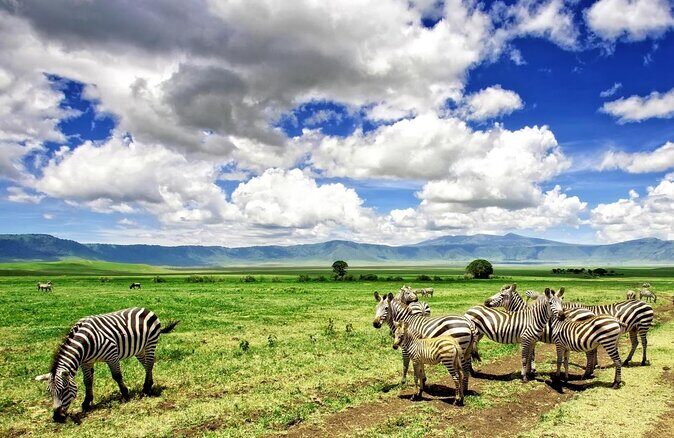
Timing matters on the Serengeti. This 8-day wildebeest migration safari in Tanzania is designed around the December–April calving window, with a focus on Lake Ndutu plus Southern and Central Serengeti. I also like that park entry fees and Ngorongoro Crater fees are included, so you’re not constantly doing math mid-trip. The one real catch: the famous Mara River crossing can be tough to pin down and may come down to luck.
You’ll start with an Arusha landing-and-reset day, then move fast into game-country with long driving days and early starts that keep you in prime animal time. The route also gives you a spread of habitats: Tarangire’s elephant-and-bird feel, Serengeti’s open-plains wildebeest theater, and the Ngorongoro Crater spectacle.
If you hate getting in the car for hours, this tour may feel like too much transit. But if you want the classic Tanzania hits with a clear plan—and you’re okay with the uncertainty of river crossings—this one makes a lot of sense.
In This Review
- Key things I’d circle before booking
- Arusha arrival and the 6:00 a.m. rhythm that drives results
- Tarangire National Park: quieter game drives and elephant/bird time
- Serengeti game drives start with resident wildlife, then shift to migration
- Wagakuria and the Mara River: the crossing chase with honest odds
- Central Serengeti: resident wildlife, bird life, and kopje energy
- Lodging inside Serengeti: Embalakai vs Serengeti Serena and why it pays
- Ngorongoro Crater: early entry and classic density
- Price and logistics: where the value is real, and where you still spend extra
- Who should book this safari (and who should tweak expectations)
- Should you book: my straight recommendation
- FAQ
- Where does the safari start and end?
- What time does the service start?
- How long is the safari?
- Is pickup included?
- Is this tour private?
- Are park entry fees and Ngorongoro Crater fees included?
- What meals are included?
- Is bottled water provided during game viewing?
- Is travel insurance included?
- How much should I budget for tips?
Key things I’d circle before booking
- Calving-season timing (Dec–Apr) for fresh wildebeest births and herd energy
- Tarangire plus Serengeti plus Ngorongoro in one run, without feeling random
- Wagakuria/Mara River focus with realistic expectations about crossings
- Inside-the-park lodge options (Embalakai Authentic Camp or Serengeti Serena Lodge) for more value time
- AMREF Flying Doctor Insurance + unlimited bottled water during game viewing
- Congema organization and named support (Sébastien, Musa Osman) called out for smooth coordination
Arusha arrival and the 6:00 a.m. rhythm that drives results
Most safaris sell the dream. This one tries to manage the clock. Service starts at 6:00 a.m., which is a big deal on safari: animals move more predictably earlier, and the light is better for spotting and photography.
You land at Kilimanjaro International Airport, meet your transfer driver, and transfer to Arusha for an evening in your chosen accommodation. Day 2 then pushes you toward Tarangire National Park with a 2-hour, roughly 120 km drive. That structure—arrive, rest, then go—helps you avoid the classic first-day scramble.
A practical upside here is the “pick up offered” approach and the way the trip is built around you being in Arusha and ready to roll. Also, the tour is private, so it’s you and your group, not a mixed cattle-car of strangers.
A few more Arusha tours and experiences worth a look
Tarangire National Park: quieter game drives and elephant/bird time
Tarangire sits slightly off the main safari route, and that detail matters. You get a calmer feel compared to the most crowded circuits, which makes for easier wildlife spotting and less stop-start driving.
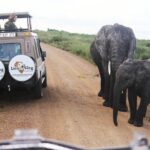
You’ll do a full day game drive in Tarangire after breakfast and gate procedures. The park’s best-known for elephants—plus strong birding. If you like wildlife beyond the big cats, this day is a smart warm-up: you’re learning the region’s rhythm while already spotting impressive animals.
The tradeoff is classic safari logistics: you’ll be in the vehicle a lot. If you’re sensitive to long drives, treat this as your day to settle in—bring what you need for comfort (sun protection, layers for early air, and a snack plan even if meals are included).
Serengeti game drives start with resident wildlife, then shift to migration
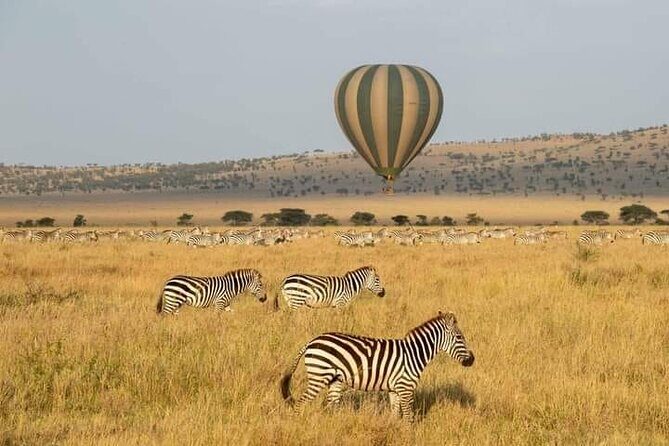
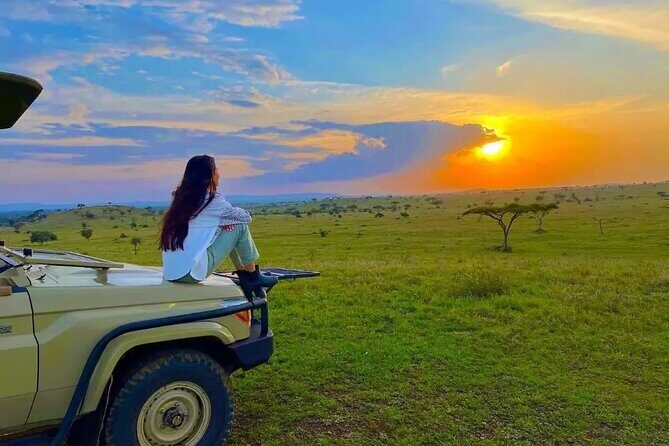
Serengeti is huge, and this route is built to use that scale wisely. You don’t just “arrive at the migration.” You spend time in areas known for resident wildlife first, then angle toward migration-heavy zones.
On Day 3, you drive toward Serengeti National Park for a long day game drive after crossing in from the Arusha side. Serengeti is a UNESCO World Heritage site and the density of grazers and predators is part of the magic: the numbers given for zebras and Thomson’s gazelles are enormous, and you’re effectively watching a moving food chain.
A detail I really appreciate in a trip like this is that it frames what Serengeti is between migrations. You’re told to expect resident wildlife and the Big Five. Even if the wildebeest story is the headline, resident predators and varied terrain mean you’re not sitting around waiting for one specific event.
This is also where timing gets real. The tour is geared to December–April, when calving is happening. That usually means herds are more active and predators are working that fresh food source—so your game drives tend to feel intense rather than passive.
Wagakuria and the Mara River: the crossing chase with honest odds
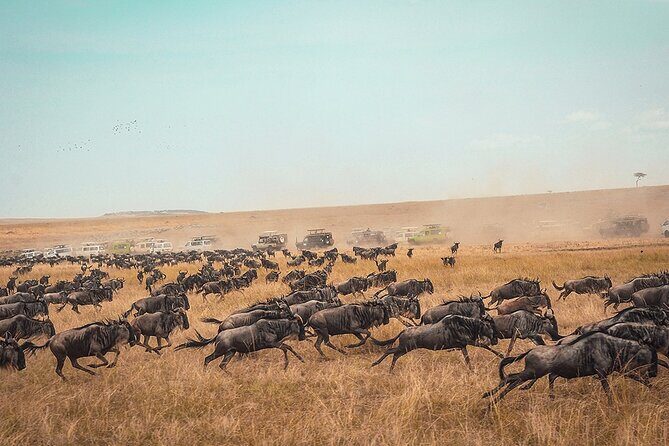
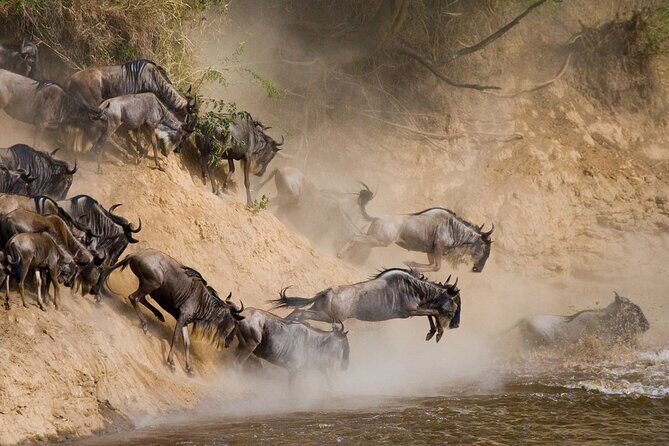
North Serengeti is where the itinerary goes after the classic river crossing moment. You’ll spend multiple days in migration-focused areas with an emphasis on the Mara River system and the Wagakuria area.
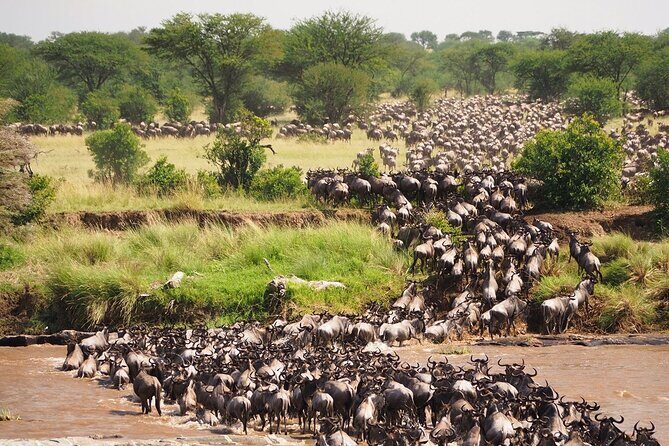
Here’s the practical truth the tour states clearly: finding a Mara River crossing is difficult, and sometimes it’s luck. A herd may be visible near the river but not commit, then cross days later. So what should you hope for?
Think of it this way: the real value isn’t only the crossing headline. It’s the chance to watch how herds behave when water becomes a decision point. Even when a crossing doesn’t happen right on schedule, you’re often seeing the setup—positioning near water, changes in herd flow, and predator activity that follows that movement.
On the plus side, you’ll do full day game drives (9 hours listed for these Serengeti days) and spend time in terrain described as kopjes, woodland, riverine vegetation, and open plains. That mix helps you stay engaged even on slower spotting days.
The possible drawback is also tied to that honesty: if your heart is set on one dramatic Mara River moment at a specific date, you’ll need flexibility. This is a migration safari built around probabilities, not guarantees.
Central Serengeti: resident wildlife, bird life, and kopje energy
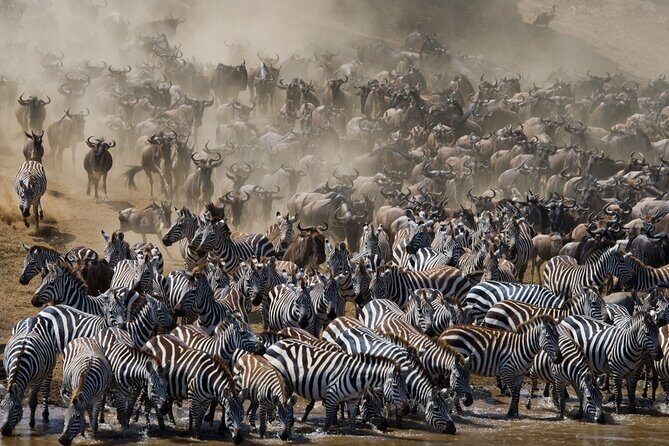
After the migration push in the north, the itinerary shifts to Central Serengeti. This matters because Central Serengeti gives you a different lens on the same ecosystem: lots of action, but less dependent on a single river decision.
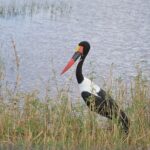
A strong feature of this day is the wildlife variety beyond the big mammals. You’re given examples like agama lizards, rock hyraxes around granite kopjies, and a note that around 500 bird species have been recorded. That doesn’t mean you’ll see all of them—but it signals that bird spotting can be surprisingly good here, especially if you enjoy scanning.
The Central Serengeti day is still framed as a full day game drive, and you also get evening driving to your lodge. So you’re not just doing a daytime sweep and heading out.
If you’re traveling for the wildebeest story only, Central Serengeti could feel like a change of pace. But if you like seeing how Serengeti works when the migration isn’t the only driver, this is a great counterbalance.
Lodging inside Serengeti: Embalakai vs Serengeti Serena and why it pays
One of the most practical value plays on this safari is that you have options inside the park. The tour lists two: Embalakai Authentic Camp (mid-range) and Serengeti Serena Lodge (semi-luxury), both on full board and described as located inside the park.
Staying inside the park is more than comfort bragging. It reduces travel time between drives and gives you more uninterrupted safari time. When you’re doing multiple 9-hour days, shaving dead time matters.
You’ll also be on full board for the Serengeti and Ngorongoro sections: breakfast, lunch, and dinner are included across the itinerary. That’s a real convenience because it helps you keep your energy consistent on days that start early and run late.
What I’d watch for is your preference between the listed styles. Without more detail on room layout or view, I can’t tell you which one fits best. But I can say this: if your budget allows the higher category and you want a more polished lodge feel, the Serengeti Serena Lodge is your listed semi-luxury option.
Ngorongoro Crater: early entry and classic density
Day 7 shifts you to the Ngorongoro Conservation Area for an early morning game drive inside the crater. This is a different kind of wildlife viewing than Serengeti’s wide-open feel. Ngorongoro is about density and drama—so the timing of the drive is crucial.
The tour highlights the crater as the focal point of the conservation area, which exists to conserve wildlife and natural resources while also safeguarding indigenous people’s interests and promoting tourism. That context is useful when you visit: you’re not just watching animals; you’re seeing a protected landscape managed with people in mind.
You’ll drive in from Serengeti with a listed distance of about 145 km and around 3.30 hours. Then you do that crater drive early, followed by an evening drive to your lodge.
One practical point: crater mornings can be cool and the light can vary quickly. Pack layers even if your safari planning assumes “always warm.” You’ll thank yourself when you’re out scanning before the day warms up.
Price and logistics: where the value is real, and where you still spend extra
At $4,539 per person for 8 days, this safari sits in the premium-to-upper range. The key question isn’t whether it’s expensive—it’s what’s included and how much hassle it saves you.
Here’s what the tour includes that directly affects value:
- Park entry and Ngorongoro Crater fees (not just a portion)
- Unlimited game mileage
- Unlimited bottled drinking water during game viewing
- A professional English-speaking driver guide
- Full meals: breakfast (7), lunch (7), dinner (7)
- AMREF Flying Doctor Insurance
Not included items you should budget for:
- International flights
- Tips (guidance: US$20 per person per day)
- Personal items and travel insurance/medical repatriation
- Alcohol drinks
In plain terms: you’re paying for fewer surprises. Once you’re in Tanzania, your daily running costs are mostly controlled by the package, especially with entry fees, meals, and water handled.
The biggest “soft cost” isn’t money—it’s the uncertainty of river crossings. If you’re chasing that Mara River moment as a must-have, the value depends on your willingness to accept that the river decides its own schedule.
Who should book this safari (and who should tweak expectations)
This trip is a great fit if:
- You want a full Tanzania circuit that hits Tarangire, Serengeti, and Ngorongoro in 8 days
- You care about the migration during December–April calving season
- You like having structured days (full day game drives, not vague touring)
- You prefer a private setup and will appreciate driver-guides who speak English well
It might not be your best choice if:
- You’re very date-fixated on a Mara River crossing happening on a specific day
- You get cranky with long driving days (some days are listed at 5 hours of driving, plus game drive time)
- You want a low-structure vacation with lots of free time
A small but meaningful note: Congema is the provider, and names like Sébastien and Musa Osman show up in feedback as people who keep things organized and smooth. If good coordination matters to you, that kind of named accountability is a positive sign.
Should you book: my straight recommendation
Book it if you want a high-structure migration-focused safari that includes the big cost items (park fees), keeps you comfortable with unlimited bottled water during drives, and gives you multiple chances in Serengeti rather than one rushed day.
Don’t book it if your top priority is a guaranteed Mara River crossing on a specific date. This itinerary is designed to chase opportunities across migration-heavy areas, but it’s honest that the river crossing depends on herd timing.
FAQ
Where does the safari start and end?
It starts in Arusha, Tanzania and ends back at the meeting point in Arusha.
What time does the service start?
The start time is listed as 6:00 a.m.
How long is the safari?
The duration is listed as 8 days (approximately).
Is pickup included?
Pickup is offered, and your Day 1 includes transfer after arrival at Kilimanjaro International Airport.
Is this tour private?
Yes. It’s described as private, and only your group will participate.
Are park entry fees and Ngorongoro Crater fees included?
Yes. Park entry fees and Crater fees are included (24 hours single entry).
What meals are included?
Breakfast, lunch, and dinner are included for the trip days listed (7 breakfasts, 7 lunches, 7 dinners).
Is bottled water provided during game viewing?
Yes. Unlimited bottled drinking water is included during game viewing.
Is travel insurance included?
No. Travel insurance and medical repatriation are not included. AMREF Flying Doctor Insurance is included.
How much should I budget for tips?
Tipping guidance is US$20 per person per day.