REVIEW · ARUSHA
2 Days Camping Safari, Lake Manyara & Ngorongoro Crater
Book on Viator →Operated by Super Game Tanzania Tours and Safaris · Bookable on Viator
Big cats, big views, and one night under canvas.
This 2-day safari strings together Lake Manyara and the Ngorongoro Crater into a tight route, with wildlife viewing both in the open and deep inside the crater. You’ll start with the park famous for its tree-climbing lions, then finish with a crater game drive where many animals gather because the conservation area supports year-round water and fodder.
I love two practical things about this tour: it runs in small groups (max 6), and it handles the basics so you can focus on the safari. You’ll get all meals included and the tour provides what you need for camping, which makes an overnight trip feel far less stressful.
One possible drawback to consider: there’s at least one serious complaint tied to last-minute cancellation after confirmation and payment. Because of that, I’d keep your booking details and proof handy and confirm any key pickup timing close to departure, especially if you’re flying in.
In This Review
- Key Things to Know Before You Go
- Two Parks, One Overnight Camp: Why This 2-Day Route Works
- Getting There From Arusha: Pickup, Timing, and What to Expect
- Day 1 at Lake Manyara: Tree-Climbing Lions and a Habitat Buffet
- Overnight Camping: What It Means When Camping Gear Is Included
- Day 2: Descending About 600 Meters Into Ngorongoro Crater
- Lake Magadi and the Picnic Lunch Inside the Crater Zone
- Guides, Wildlife Spotting, and the Value of a Small Team
- Price and Value at $455 per Person
- Who This Safari Fits Best
- Booking Caution: One Red Flag to Take Seriously
- Should You Book This Two-Day Safari Package?
- FAQ
- What does this 2-day safari include?
- Is pickup and drop-off from Arusha included?
- How many people are in the group?
- Do I need camping gear?
- What time does the safari start?
- Where does the tour start and end?
- Can I cancel for a full refund?
Key Things to Know Before You Go
- Max 6-person group keeps the experience more personal and easier to manage.
- Camping setup is provided, so you’re not hunting gear last minute.
- Lake Manyara’s tree-climbing lions and heavy baboon concentration are the main draw.
- Ngorongoro descent of about 600 meters sets you up for a classic crater wildlife drive.
- Predators can be tough to spot, including leopard that may require a practiced eye.
- Lake Magadi adds a different habitat for flamingos and hippos in the crater’s southwest corner.
Two Parks, One Overnight Camp: Why This 2-Day Route Works
This is the kind of safari I like when you have limited time. In just two days, you hit two very different settings: Lake Manyara’s varied habitats and the Ngorongoro Crater’s concentrated wildlife scene. The overnight stay at a campground also breaks up the long drive days so you’re not rushing nonstop from one park to the next.
The pace is built around one smart idea: animals are easier to spot when conditions stay favorable. The Ngorongoro Conservation Area is described as having year-round water supply and fodder, so wildlife doesn’t vanish the way it can in harder seasons. That means your game drive has a better shot at delivering lots of sightings instead of just hoping.
A few more Arusha tours and experiences worth a look
Getting There From Arusha: Pickup, Timing, and What to Expect
Your day starts at 8:30 am, with the official start point listed at the Kilimanjaro International Airport road area. The tour also includes round-trip transportation from Arusha hotels, and the itinerary notes that you’ll be dropped back at your hotel at the end of the trip in Arusha.
So if you’re already based in Arusha, plan around pickup from your hotel. If you’re arriving by flight, build in time so you can meet the morning schedule without sprinting through airport logistics.
Practical tip: keep your phone accessible for the mobile ticket. Even if you don’t use it constantly, it’s a comfort to know the tour has a digital reference you can show if anything gets confusing.
Day 1 at Lake Manyara: Tree-Climbing Lions and a Habitat Buffet
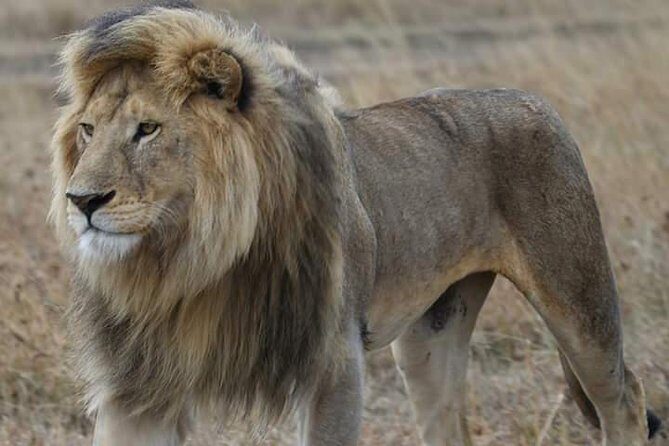
Lake Manyara is a smaller park, but it throws a lot at you at once. On day one, you’ll leave Arusha after breakfast and make a stop in Arusha Town for any last-minute purchases. Then you head to the park, where the description focuses on variety: acacia woodlands, water forests, baobab-strewn cliffs, algae-streaked hot springs, swamps, and the lake itself.
That habitat mix matters because it supports both mammals and serious bird life. You’ll also hear that Lake Manyara has the largest concentration of baboons anywhere in the world, which is the kind of detail that usually turns into real action on the ground. It’s not just trivia; it affects what you see at the edges of the road and around vegetation-heavy spots.
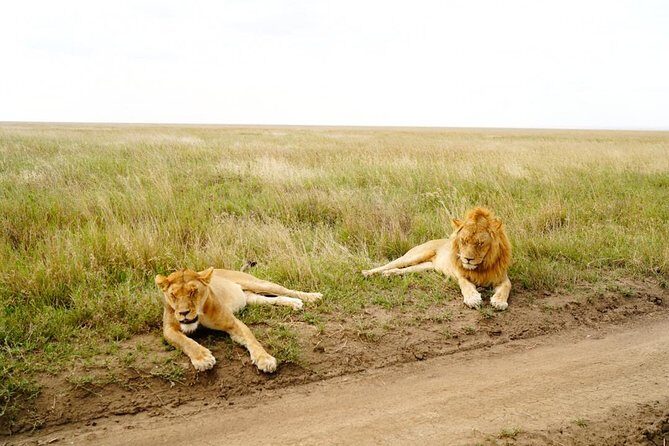
And yes, the big reason people talk about Manyara is the tree-climbing lions. That’s not a guaranteed sighting in any safari, but this is the park where the behavior is most associated. If you’re going to chase that specific legend, this is the place the route is built around.
Overnight Camping: What It Means When Camping Gear Is Included
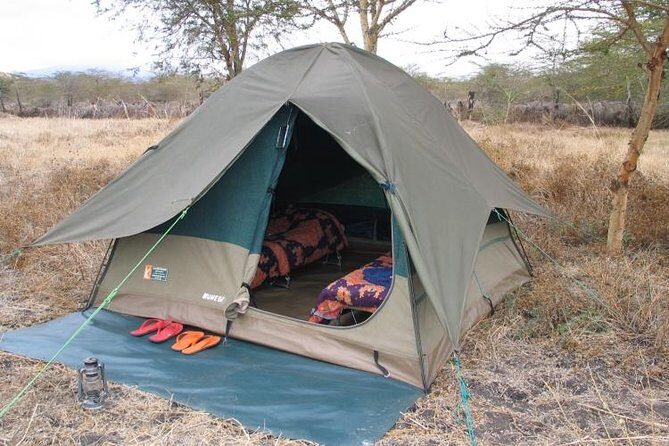
After your Lake Manyara day, the plan is to retire to a campground for the night. The key selling point here is that everything you need for camping will be provided, and all meals are included.
That combination changes the feeling of the trip. You’re not spending energy solving problems like where to rent a sleeping setup, what to pack for rain, or whether you forgot something crucial. Instead, you can focus on the one job you actually booked for: staying alert for animals when you’re driving.
What you should still plan for is personal comfort items. Even when camping gear is included, you usually handle your own small necessities like personal toiletries, any medications, and clothes you can sleep in. If you tend to get cold easily, bring a warm layer you can use at night and early morning.
Day 2: Descending About 600 Meters Into Ngorongoro Crater
Day two starts with an early breakfast, then you descend over 600 meters into the crater for wildlife viewing. The crater is described as UNESCO-listed, and the Ngorongoro Conservation Area is framed as an environment that supports a lot of animals year-round thanks to water supply and fodder.
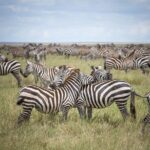
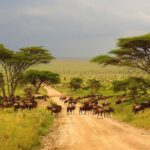
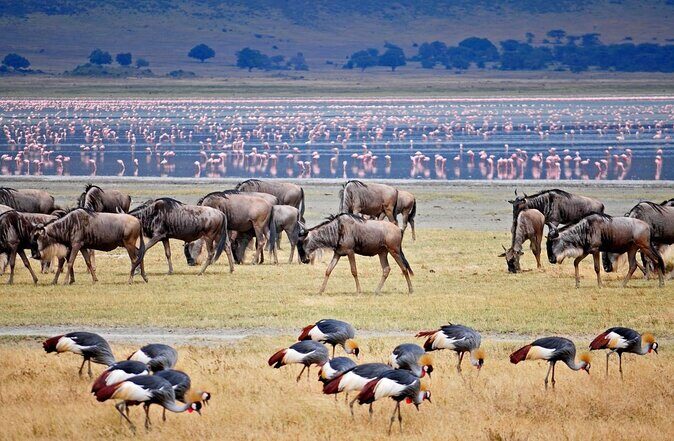
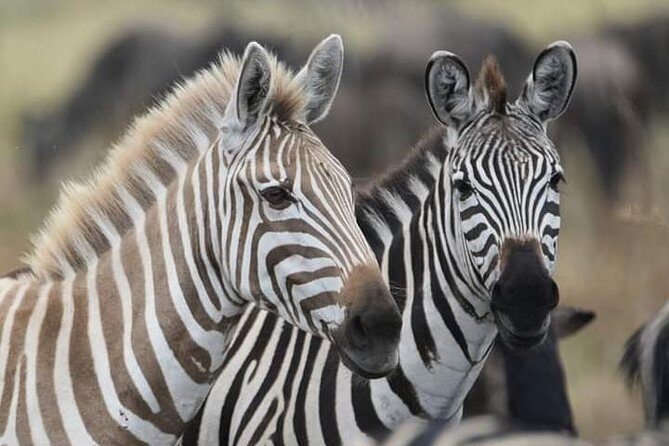
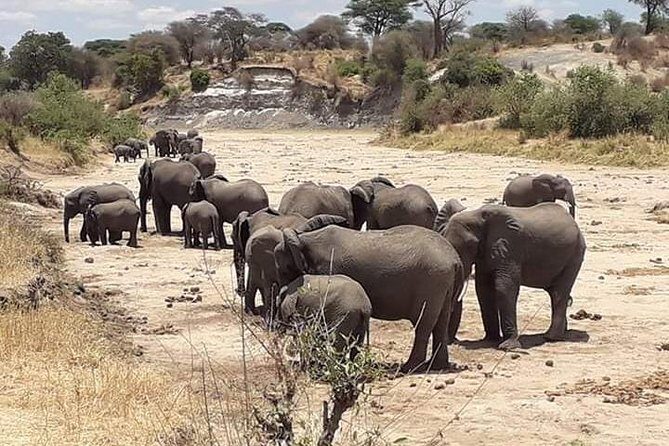
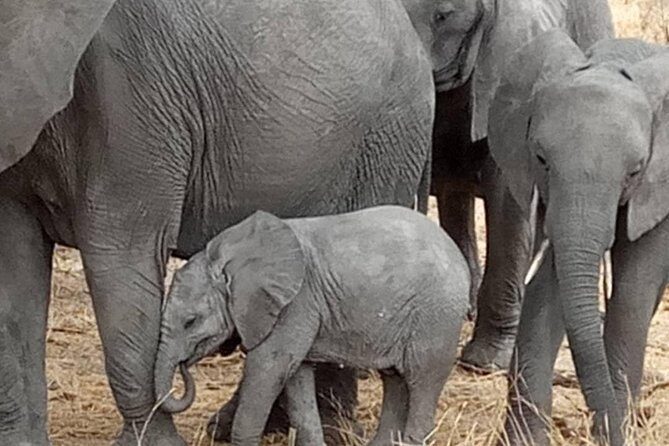
That’s why a crater drive can feel efficient. The animals aren’t scattered in the way you might expect in larger, drier landscapes. The route lists a strong set of possible sightings, including wildebeest, zebra, buffalo, eland, warthog, hippo, and giant African elephants.
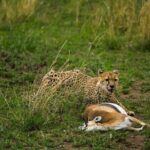
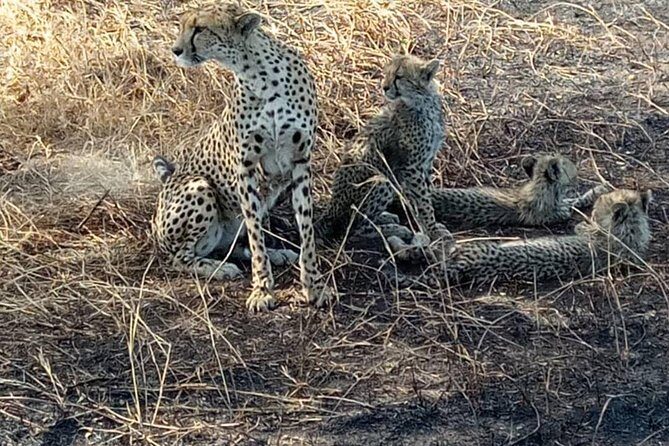
The predator side is also emphasized. You’ll be looking for lions, hyenas, jackals, cheetahs, and the elusive leopard, which is described as sometimes requiring a trained eye to spot. This is one place where small details matter: if your guide is good at reading movement and scanning the right pockets, your chances improve.
A few more Arusha tours and experiences worth a look
Lake Magadi and the Picnic Lunch Inside the Crater Zone
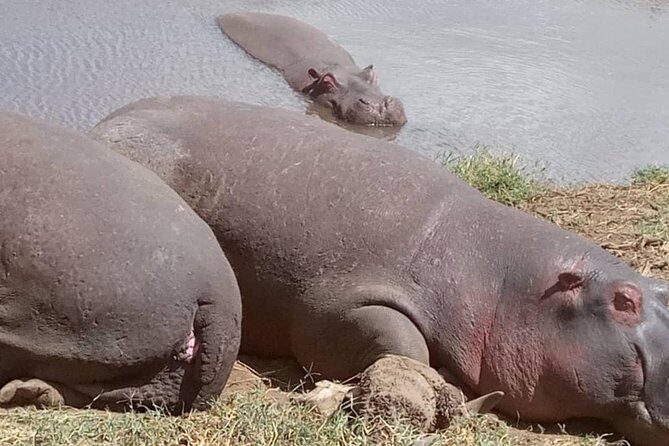
Your day includes a game drive and a picnic lunch around the Ngorongoro area. A specific stop is Lake Magadi, described as a large but shallow alkaline lake in the crater’s southwestern corner.
This matters because it adds a totally different visual scene than grasslands and the usual crater views. The route highlights flamingos and hippos around Lake Magadi, plus other water-related wildlife. If you’re hoping for variety in your photos and your sightings, this stop does that job.
Picnic lunches can also be a nice break from long driving, especially when you’re trying to keep your energy up for later scanning. Just remember that crater days often involve slow, careful looking—so a meal break is more than convenience; it helps you stay engaged.
Guides, Wildlife Spotting, and the Value of a Small Team
This tour caps at 6 travelers, and that’s more than a marketing number. Fewer people means your guide can pay closer attention to the group’s focus level. It also tends to make it easier to pause for a sighting without turning the day into a traffic jam of attention.
The guide experience seems to be a big part of what people love. In the feedback you’ll find names like Jeff and Fred praised for helping spot animals and birds. That’s exactly what you want on a safari that includes both obvious animals and the tougher ones like leopard.
If you want the best odds at predators, pick a mindset that supports patience. In predator zones, spotting often comes from repetition: scan, wait, then scan again. A strong guide helps you see what you might otherwise miss from the road.
Price and Value at $455 per Person
At $455 per person, this tour can look like a budget safari or a splurge, depending on what you expect to be included. Here, the value case is that you’re paying for a full 2-day package with round-trip transportation from Arusha hotels, camping setup, meals, and park time.
A lot of safaris start charging extra once you add camping gear, meals, and transport. This one explicitly includes them, which makes the math easier. The small-group size also supports value because you’re not paying for a giant bus experience where your guide has to split attention.
The other value angle is time. Many people choose a 2-day route because it fits into an itinerary without eating up a whole week. You’re still getting the signature highlights—tree-climbing lions area at Manyara, then crater wildlife at Ngorongoro—without dragging the trip out too long.
Who This Safari Fits Best
This is a strong fit if you want a classic Tanzania combo with a practical overnight plan. I’d especially recommend it if you:
- Want Lake Manyara and Ngorongoro in one shot without rushing across multiple parks.
- Prefer a small group where you’re not fighting for attention.
- Like the idea of camping with meals included, so the logistics stay simple.
- Are excited about the specific wildlife storylines: baboons and tree-climbing lions at Manyara, and predators plus leopard chances inside the crater.
If you’re the type who needs a lot of downtime or expects a luxury hotel setup, this may feel more “wild” than cushy. But if you want to spend your energy watching animals, the format makes sense.
Booking Caution: One Red Flag to Take Seriously
A big travel lesson: always treat confirmation as a promise, but also keep receipts. There’s at least one serious account involving a late cancellation by email after confirmation and payment. Most trips run smoothly, but this is the one risk category I don’t like ignoring.
To protect yourself, do simple things:
- Double-check your pickup time for the 8:30 am start.
- Keep screenshots of your confirmation and mobile ticket.
- If you’re flying in, keep your schedule flexible enough to handle a change.
Also note the tour notes free cancellation if you cancel more than 24 hours ahead, so you have some safety if plans shift—just don’t wait until the last moment.
Should You Book This Two-Day Safari Package?
I’d book this if you want a focused safari that hits two heavy-hitters: Lake Manyara and Ngorongoro Crater, with an overnight camping setup and meals taken care of. The small-group size and the emphasis on both big animals and the predator search make it feel like a real safari plan, not just a drive-by sightseeing day.
I’d hesitate only if you’re extremely sensitive to last-minute changes and you can’t handle uncertainty at all. If you book, be organized and confirm timing early. Do that, and this route is a smart way to get Tanzania wildlife without stretching your schedule to the breaking point.
FAQ
What does this 2-day safari include?
It includes visits to Lake Manyara and Ngorongoro Crater, with a camping night. The tour also provides meals, and camping essentials are included, plus a picnic lunch on day two.
Is pickup and drop-off from Arusha included?
Yes. Round-trip transportation from Arusha hotels is included, and the tour drops you back at your hotel in Arusha.
How many people are in the group?
The group size is maximum 6 travelers.
Do I need camping gear?
No. The tour states that everything you need for camping is provided.
What time does the safari start?
The start time is listed as 8:30 am.
Where does the tour start and end?
It starts at the Kilimanjaro International Airport area (listed as Kilimanjaro Airport Rd) and ends in Arusha, with drop-off at your hotel.
Can I cancel for a full refund?
Yes. Free cancellation is available up to 24 hours in advance for a full refund, based on local time.