REVIEW · MOSHI
3 Days Private E-Bike Tour in West Kilimanjaro
Book on Viator →Operated by One Bike Tanzania · Bookable on Viator
A good bike safari is part riding, part reading the land. This one mixes West Kilimanjaro plains with Maasai community life and real wildlife odds, plus a route that changes from downhill farm tracks to dry grassland and then up toward the green slopes near Mt. Meru. I especially like the way the day-to-day riding is broken into distinct terrain types, so you’re not stuck grinding one kind of road for three straight days. And I like the Maasai cultural evenings, which turn the trip into more than just animal spotting.
The main thing to consider is effort. You’ll be on rough roads and gravel with at least one gradual ascent, so you do need moderate physical fitness and a comfort level with uneven surfaces. Also, the tour is described as e-bike in the title, while the equipment list mentions a mountain bike, so it’s smart to confirm the exact bike assist with the operator before you go.
In This Review
- Quick hits
- West Kilimanjaro Plains: Why This Ride Feels Like a Safari Without the Dusty Waiting
- Price and What Your $850 Gets You (And Why It’s Not Just “A Bike Rental”)
- Day 1: From Simba Farm Downhill to Olpopongi Maasai Village
- Day 2: Dry Arid Grasslands, Wildlife Chances, and Gravel That Means Business
- Day 3: Mt. Meru Slopes, Water-Fed Greens, and the Edge of Arusha National Park
- Guides Like Hillary, Goodluck, Roger, and Gasto: What Professional Really Means Here
- Bikes, Riding Style, and That “Rough Road” Reality Check
- Wildlife: What You Can Reasonably Aim For (Without Counting on Every Animal)
- Who Should Book This Tour?
- Should You Book This West Kilimanjaro E-Bike Ride?
- FAQ
- Where does the tour start and end?
- Is this a private tour?
- What’s included in the price?
- How much riding experience or fitness do I need?
- What wildlife might you see?
- What if I need to cancel or weather turns bad?
Quick hits
- Moshi pickup and return transfer keeps logistics sane for a multi-day ride.
- Support vehicle follows along, which matters when roads get rough or weather turns.
- Olpopongi Maasai Village night includes a traditional dance and a cultural visit.
- Early morning riding gives you the best shot at wildlife in the dry grasslands.
- Edge-of-Arusha routing means your last day ends near Arusha National Park.
West Kilimanjaro Plains: Why This Ride Feels Like a Safari Without the Dusty Waiting
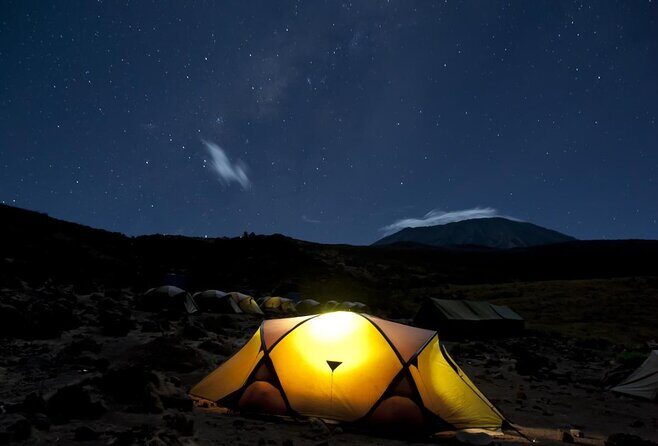
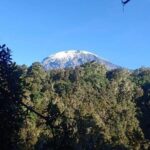
If you want Tanzania’s animal country but hate the idea of sitting still all day, a cycling route like this makes sense. The West Kilimanjaro plains sit between Maasai community lands and Wildlife Management Areas. That mix matters because you’re not only chasing a checklist of wildlife; you’re also moving through land that people actually live with day to day. You’ll see acacia woodland, open plains, and wide views of Kilimanjaro that feel big even when you’re not on a big road.
I like that the tour isn’t framed as a single long scenic loop. The riding changes character each day: farm downhill starts things easy-ish, then you transition into dry, arid open grasslands, and finally you head toward greener slopes around Mt. Meru. That shift helps you understand the region instead of just passing through it. It also helps you manage energy, because your body learns the rhythm: ride, adjust, ride again.
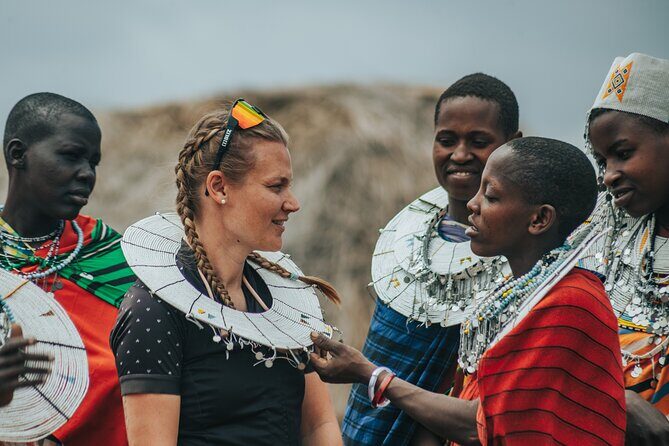
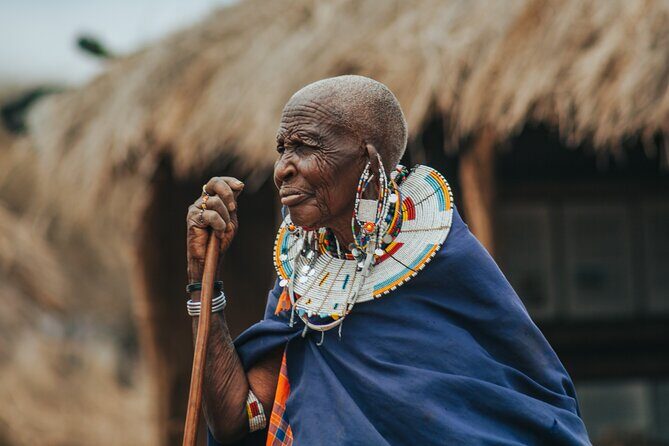
And the culture isn’t tacked on as a quick stop. You spend a night at a Maasai village with a welcomed dance, then you do a cultural tour in the evening. That’s the kind of interaction that’s easier to appreciate when you’re already moving through the area on bike rather than arriving as a car-only visitor.
You can also read our reviews of more cycling tours in Moshi
Price and What Your $850 Gets You (And Why It’s Not Just “A Bike Rental”)
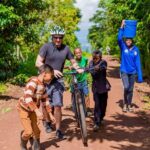
At $850 per person for about 3 days, you’re paying for a guided, fully supported private experience—not a DIY ride. The included basics are solid: an English-speaking certified guide, a bike and helmet, meals (2 breakfasts, 3 lunches, 2 dinners), and a support vehicle. The tour also offers pickup and includes a mobile ticket.
Here’s what that means in real life. First, meals matter on multi-day trips in remote areas. Having breakfast and lunch sorted means you can focus on riding and enjoying stops instead of hunting for food. Second, a support vehicle changes the whole feel of the day. Even if you’re strong, it’s a psychological safety net for rough sections and weather swings. Third, a certified guide isn’t just for directions. In places like this, they help you read what’s happening around you—where wildlife might show up and how to connect respectfully with the communities you pass through.
Two quick watch-outs for value. The “e-bike” label in the title might mean different things depending on what’s provided. Since the included gear list mentions mountain bike, I’d confirm whether your bike has motor assist and what level of support you’ll get. Also, tips and travel insurance are not included, so budget those separately.
Day 1: From Simba Farm Downhill to Olpopongi Maasai Village
Day 1 starts with transportation from your Moshi hotel to Simba Farm. The tour then kicks off with a downhill slope through the farm area, giving you that quick jolt of movement and helping you get your legs and balance sorted early.
From there, you connect to the wider dirt and rough-road network:
- You head toward the main rough road and follow it through the Ngare Nairobi village area.
- You then ride along the Ndarakwai Conservancy border, steering you toward the West Kilimanjaro airstrip.
- After that, you keep moving on the main dirt road toward TingaTinga village.
What I like about this first day is the mix of surfaces. It’s not a flat bike path day, but it’s also not all punishment. You’re learning the feel of rough roads and how the bike handles when the surface isn’t predictable.
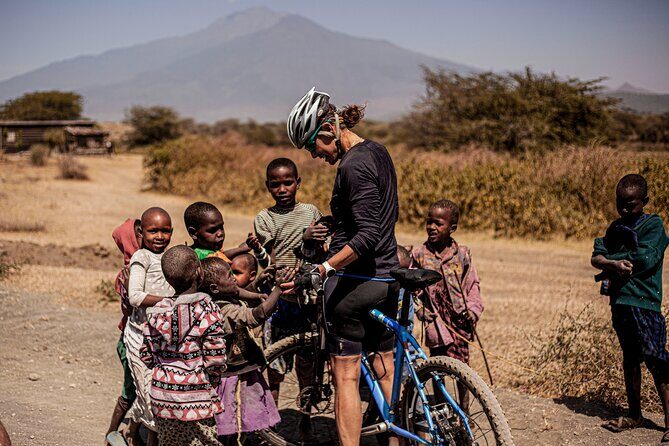
Then comes the cultural heart of the trip. Your ride ends at Olpopongi Maasai Village. You’ll be welcomed with a traditional Maasai dance before lunch. After that, you settle into Maasai-hut style rooms, which helps the overnight feel connected to the place rather than like a hotel stop pasted onto an itinerary.
In the evening, you’ll do a Maasai cultural tour, and then you finish with dinner around a bonfire. That combination is one of the reasons this kind of tour beats the standard “drive to a village, take photos, leave” model. You’re arriving by bike, moving through the area during the day, and then slowing down at night.
Practical consideration: Day 1 is the day where you’ll likely be most tired from just adapting—new roads, new balance, new pace. If you’re someone who loves hard rides, great. If you’re more “steady and scenic,” start your day controlled, not sprint-y.
Day 2: Dry Arid Grasslands, Wildlife Chances, and Gravel That Means Business
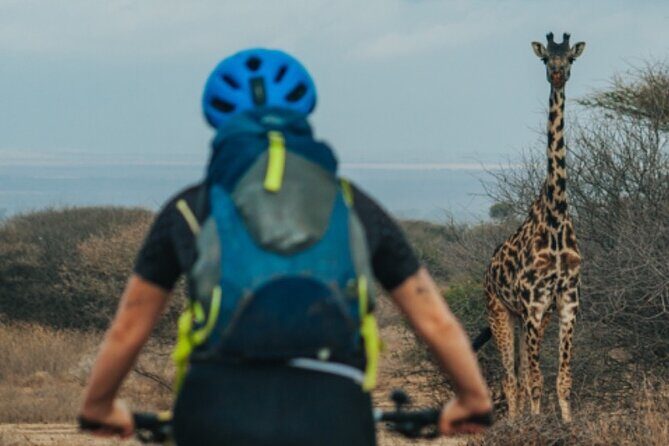
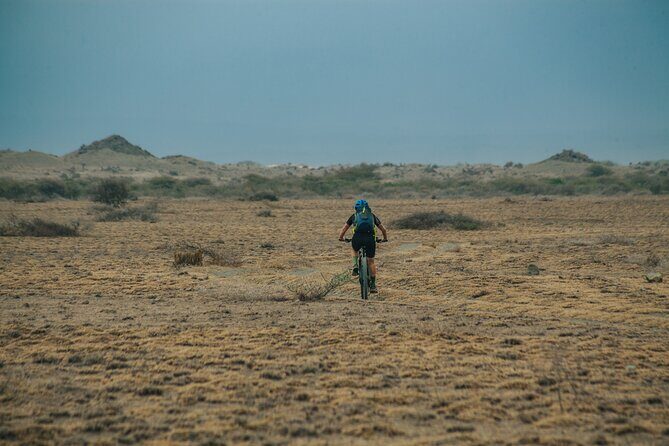
Day 2 starts early for a reason: you want to cover distance before the sun is high, and mornings are also where you have better chances to spot wildlife. You’ll head south toward Ngabobo Village and ride through dry, arid open grasslands—an environment that feels completely different from the greener Kilimanjaro-side slopes you’re leaving behind.
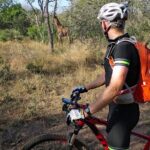
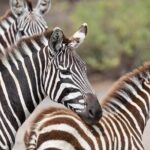
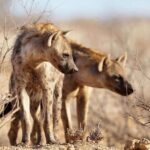
This is where the safari energy really turns on. Depending on conditions, you might see animals like wildebeest, giraffes, zebra, and impalas in the morning. Elephants are also possible in the broader region since it lies along an elephant corridor connecting Kenya’s Amboseli area and Kilimanjaro. You shouldn’t treat sightings as guaranteed, but the morning timing and habitat make it a realistic “keep your eyes open” day.
The ride is also described as shorter but more challenging because of terrain and weather. In plain terms, that often means you spend less time overall but you feel the road more—gravel edges, uneven patches, wind, and whatever heat or dust the day brings.
Later, you’ll face a gradual ascent on a gravel road as you continue through Ngabobo Village toward Osiligilai Maasai Lodge for the night.
Here’s my practical take: if you’re used to easy cycling, Day 2 is the one that might remind you you’re on the clock. Bring a steady cadence, expect some push effort on gravel, and keep water planning in your head. The route being shorter doesn’t automatically mean easier.
Day 3: Mt. Meru Slopes, Water-Fed Greens, and the Edge of Arusha National Park
On Day 3, you leave the arid zone behind and move toward greener terrain on the slopes of Mt. Meru. The ascent is described as gentle, and you’ll be cycling on gravel roads again. But the feeling should shift from dry and open to more shaded and water-influenced.
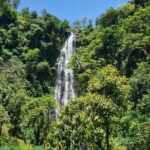
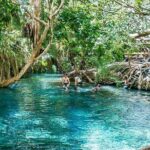
As you head toward Momella near Arusha National Park, you’ll ride through areas with streams of water flowing down the slopes. Even when it’s not a full-on river view, that kind of water presence changes the textures of the day. The air can feel different, and the route often looks and feels more alive.
You’ll then cycle through the village of NgareNanyuki, a lively small village you’ll pass through as you approach the park area. And just before the finish, your guide may be able to point out wildlife along the way—giraffes are specifically mentioned as a possibility.
Your riding route ends at the edge of Arusha National Park. After resting at the lodge, you get transferred back to your Moshi hotel.
My favorite thing about Day 3 as a structure is that it gives you a payoff. The earlier days teach you how the region moves—farm to grassland to slopes—then the last day funnels you toward a famous conservation area without turning the trip into a rigid, car-driven checklist.
You can also read our reviews of more private tours in Moshi
Guides Like Hillary, Goodluck, Roger, and Gasto: What Professional Really Means Here
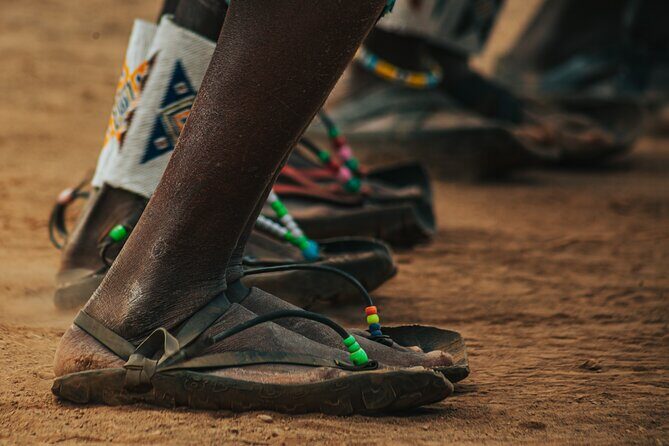
A big theme from the ride’s reputation is professionalism and the ability to tailor things. One review highlights the expertise of guides including Hillary, Goodluck, Roger, and Gasto. That matters because a bike safari lives or dies on small decisions: pacing, road choice, where you stop to look, and how you handle culture respectfully.
You should also expect good communication. The tour includes an English-speaking certified guide, which smooths out everything from wildlife-spotting timing to how you’ll interpret what you’re seeing in Maasai community areas.
If you’re a first-timer on gravel, or you just want to feel confident rather than stressed, a strong guide helps you ride smarter. For example, knowing when to slow down for a rough patch or when to keep a steady line can save you energy. When guides are good, you spend more time enjoying the day and less time wrestling the bike.
Bikes, Riding Style, and That “Rough Road” Reality Check
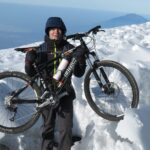
The tour includes a mountain bike and helmet, plus a supporting vehicle. That combo is practical: helmets are non-negotiable when roads are uneven, and the vehicle gives you options if weather or energy levels require a reset.
About the e-bike question: the experience is titled as an e-bike tour, but the provided gear list mentions mountain bikes. Before you assume motor assist, ask One Bike Tanzania what type of bike you’ll ride and how the assist works. If you’re fit and comfortable with gravel, either way you’ll have fun. But if you’re expecting heavy assist, you’ll want to know what you’re signing up for.
Also, plan for the surfaces. This is not smooth pavement cycling. You’ll deal with dirt roads, gravel roads, and rougher stretches. The best mindset is calm and steady. Think “control and comfort,” not “hero mode.”
Wildlife: What You Can Reasonably Aim For (Without Counting on Every Animal)
Wildlife sightings are always part luck, part timing, part habitat. Here’s what the route description supports as realistic “watch for” species:
- Wildebeest
- Zebra
- Gazelles
- Impala
- Giraffes
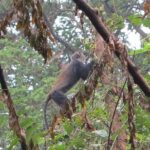
- Baboons
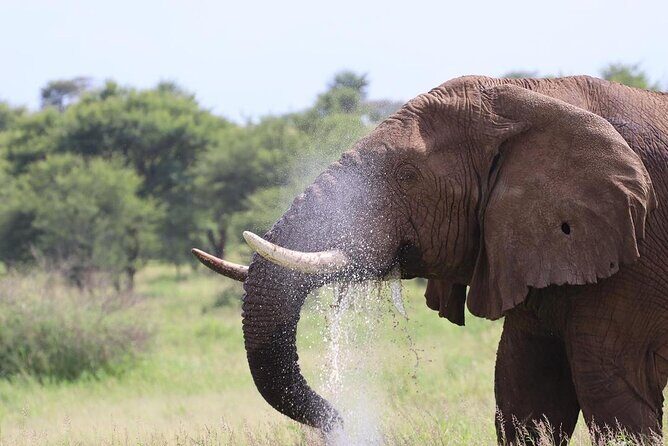
- Elephants (seasonal and corridor-based possibility)
The best-supported timing is the morning of Day 2, when the tour starts early and riders may spot animals as they head into the dry grasslands. Elephants are described as possible depending on the time of year and the corridor movement patterns.
Practical tip: keep your eyes scanning the plain ahead and the edges of acacia woodland. Wildlife often looks closer than it is, so don’t jerk the bike to stare. Let the guide’s spotting help you find angles without turning every sighting into a safety issue.
Who Should Book This Tour?
This is a strong fit if you want:
- Private guiding with only your group
- A mix of wildlife potential and Maasai culture
- A multi-day ride that changes terrain rather than repeating the same road
- Bike time plus evenings that actually connect you with people and place
It’s also a decent choice if you’re aiming for moderate fitness rather than hardcore training. The tour asks for moderate physical fitness, and the route includes both downhill start energy and gradual ascents rather than constant climbing.
If you’re a complete beginner with cycling, ask how the gravel and rough-road sections are handled, especially if you’ll rely on motor assist. The support vehicle can help, but your riding comfort still matters.
Should You Book This West Kilimanjaro E-Bike Ride?
I’d book it if you want a guided, private three-day cycling safari that mixes animal country with real community encounters. The value is in the package: meals, certified English-speaking guide, the support vehicle, and the fact that the days are organized around different habitats and a meaningful Maasai overnight.
I’d pause and confirm details if e-bike motor assist is a must-have for your comfort. Also, take the moderate fitness note seriously. Gravel and uneven roads aren’t scary, but they do require respect.
If you’re choosing between a vehicle-only safari and a bike-based one, this is the middle path: you get movement, scenery, and culture—without giving up the structure and safety net that comes with a guided, supported tour.
FAQ
Where does the tour start and end?
The tour starts at One Bike Shop on Mailimoja Rd in Moshi, Tanzania. It ends back at the same meeting point.
Is this a private tour?
Yes. It’s a private tour/activity, and only your group participates.
What’s included in the price?
The price includes a supporting vehicle, a mountain bike and helmet, an English-speaking certified guide, and meals: 2 breakfasts, 3 lunches, and 2 dinners.
How much riding experience or fitness do I need?
The tour asks for moderate physical fitness. The route includes rough and gravel roads, a downhill start on Day 1, and a gradual ascent on gravel on later days.
What wildlife might you see?
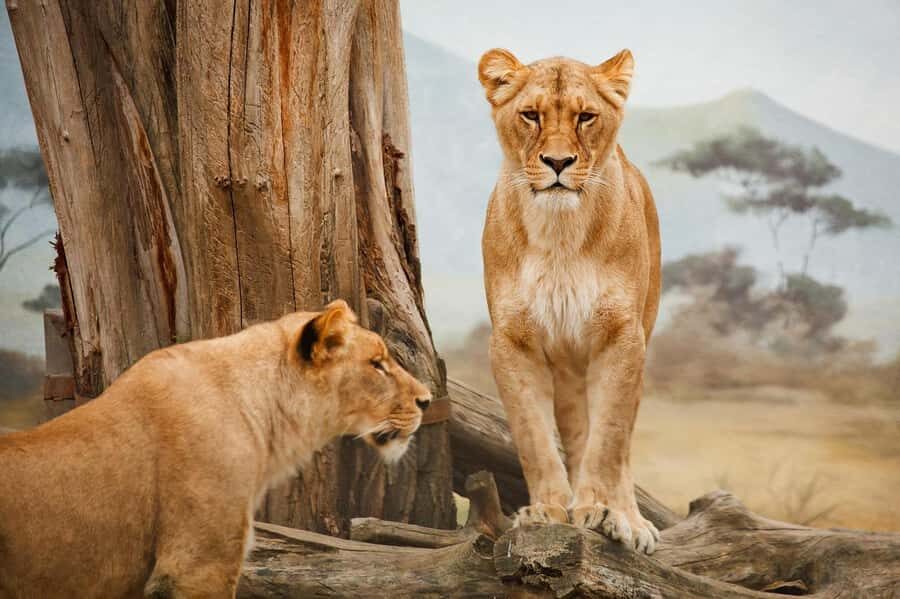
The area may support sightings of wildebeest, zebra, gazelles, impalas, giraffes, and baboons. Elephants can also be seen depending on the time of year, since the region is along an elephant corridor.
What if I need to cancel or weather turns bad?
Cancellation is free. You can cancel up to 24 hours in advance for a full refund. If the experience is canceled due to poor weather, you’ll be offered a different date or a full refund.