REVIEW · ZANZIBAR
Spice Tour In Zanzibar
Book on Viator →Operated by Suncoast Zanzibar Tours · Bookable on Viator
Spices grow right beyond Zanzibar’s streets. This private tour takes you from your hotel into the island’s countryside, where you’ll walk spice plots and learn what the plants are used for, from everyday cooking to traditional medicine. I love the hassle-free hotel pickup and the comfortable air-conditioned ride, because it makes the whole outing feel easy and unhurried.
My other favorite part is the plant variety. You’re not just seeing cloves and cinnamon—you’ll also spot things like henna (heena bush), ylang-ylang, and the lipstick tree, plus seasonal fruits as the landscape changes. One drawback to weigh: one past booking was cancelled at short notice without explanation, so it’s smart to keep an eye on confirmation close to your start time.
In This Review
- Key Things to Know Before You Go
- Why This Spice Tour Works in Zanzibar
- From Your Hotel to the Green Countryside (With AC on Your Side)
- The Main Stop: Zanzibar Spices and Heritage Centre
- A quick reality check on walking
- Smell, See, and Learn: What the Guide Turns Into Real Knowledge
- Beyond Spices: The Fruit Stop That Adds a Second Layer
- Time, Pace, and Personal Attention
- Price and Value: Is $70 Per Person Fair?
- What to Bring (So Your Tour Feels Comfortable)
- Practical Questions That Decide Whether It’s Your Kind of Tour
- A Small Note on Reliability (Don’t Ignore It)
- Should You Book This Spice Tour?
- FAQ
- FAQ
- How long is the Spice Tour in Zanzibar?
- Do they pick you up from your hotel?
- Is this tour private?
- What’s included in the price?
- What is not included?
- What kind of ticket do I get?
- Can I customize what we focus on?
- How far in advance can I cancel for a full refund?
- Is the tour suitable for most people?
Key Things to Know Before You Go

- Private and customizable pace: your group sets the tempo and you can tailor what you focus on.
- Spice plots plus “bonus plants”: you’ll move past the usual suspects to see iodine plant, ylang-ylang, cocoa, and more.
- Main stop includes an admission ticket: the Zanzibar Spices and Heritage Centre portion is timed (about 30 minutes) and ticketed.
- Seasonal fruit viewing is part of the route: you’ll explore fruits like jackfruit, durian, starfruit (carambola), and madafu (green coconut).
- Comfort matters: air-conditioned vehicle and hotel pickup keep this from turning into a sweaty slog.
- Crafty add-ons may appear: at least one guide team made plant crowns and bracelets during the visit.
Why This Spice Tour Works in Zanzibar
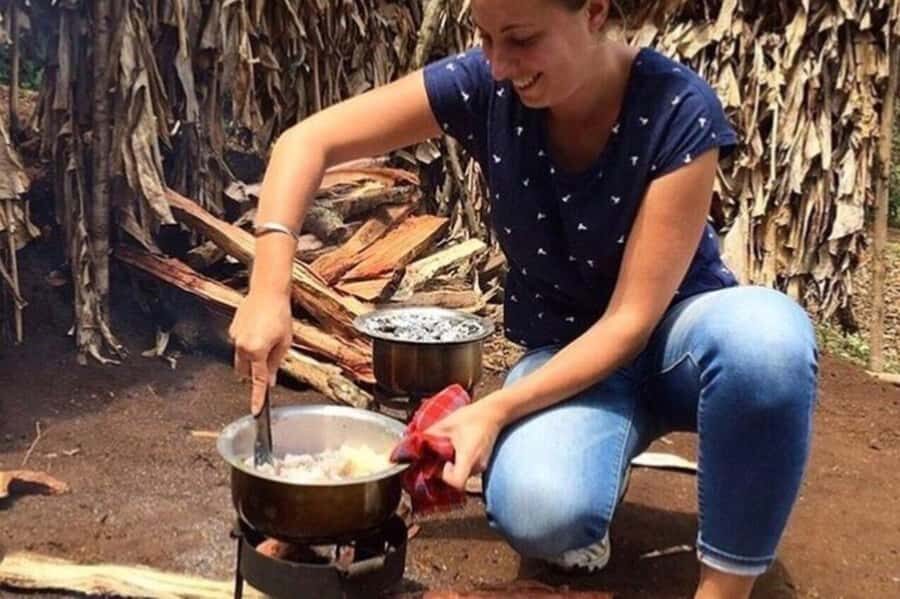
Zanzibar can feel like two islands at once: the Stone Town energy, then the green, quiet countryside where plants grow like they mean it. This tour is built for that second side. You get driven out from your hotel, then you walk through plantation rows with a guide who connects what you smell, see, and touch to why it matters.
The best value isn’t just that spices exist—it’s that you get context. Spices in your kitchen can feel like a product with no story. Here, you’re seeing the real plant structure, the growth pattern, and the local uses explained in plain language. Even if you’re only mildly interested in gardening, the tour makes it practical: why these plants are grown, what conditions help them, and what locals do with them.
Also, the duration is friendly. At roughly 2 to 3 hours, it’s long enough to feel like you actually left the resort bubble, but short enough that you won’t lose half a day. That matters if you’re juggling beaches, a sunset dhow, or Stone Town visits.
You can also read our reviews of more tours and experiences in Zanzibar.



From Your Hotel to the Green Countryside (With AC on Your Side)
This experience starts the way you want day trips to start: hotel pickup. You ride in an air-conditioned vehicle, which is a big deal in Zanzibar’s heat, especially when you’ll be stepping outside for walks and photo stops.
What I like about this setup is the friction reduction. You don’t have to plan transport, negotiate prices, or figure out where the farms are located. You also don’t waste time once you’re on the island—pickup gets you moving early enough to enjoy the gardens at a comfortable pace.
The tour is private, meaning it’s only your group. That usually changes the vibe in a good way. You can ask more direct questions, pause for photos without feeling rushed, and steer the day toward what you care about most (medicine uses vs. cooking uses vs. how the plants grow).
The Main Stop: Zanzibar Spices and Heritage Centre
Most of the “meat” happens at the Zanzibar Spices and Heritage Centre area. You’ll drive through greenery first, then transition into walking through multiple spice plantations. A key detail: the visit includes an admission ticket for the centre portion, timed at about 30 minutes.
This stop is special because it’s not only a spice showcase. It’s also a “plant connections” stop—one where you see how many different crops share the same growing logic and same climate. The tour route typically includes not just spice trees and shrubs but also other plants locals use for everyday needs.
Here’s what you can expect to encounter during the walk and explanations:
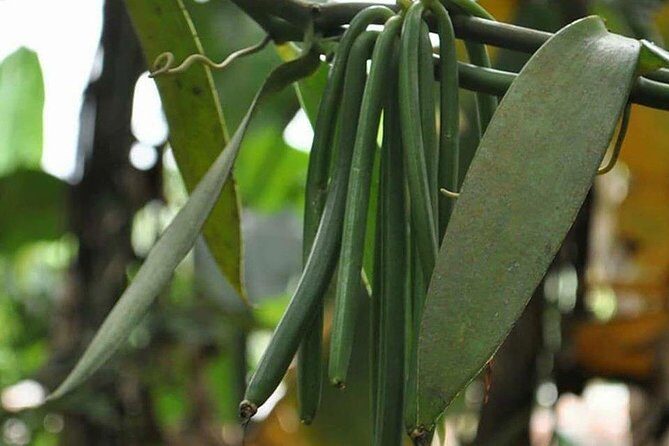
- Spice plantation plants such as cloves, cardamom, cinnamon, black pepper, turmeric, vanilla, and nutmeg
- Additional crops and plants including the iodine plant
- Heena bush (henna) and other aromatic and medicinal plants
- Ylang-ylang
- Lipstick tree
- Cocoa, cassava, and dasheen cocoyam
- Coffee plantations
The balance works well. You’re not stuck staring at one section while the guide repeats the same facts. You move through different kinds of plantings, so your brain stays engaged.
A quick reality check on walking
The tour includes walking through plantation areas. The exact walking difficulty level isn’t described in the details you provided, so I’d treat it as “easy to moderate garden walking.” If you have mobility concerns, it’s worth asking the operator what the path is like. The route can vary depending on how the gardens are laid out that day.
Smell, See, and Learn: What the Guide Turns Into Real Knowledge
The guide is the difference-maker on this type of tour. Your driver-guide is the person connecting the dots between a plant you’ve only seen dried in a bottle and the living plant in the ground.
One detail I really liked from prior experiences: guides don’t just point. They explain uses in medicine and everyday life. In one outing, the guide named Mohamed shared lots of information about how herbs are used in traditional medicine, along with where the rare spices grow.
That matters because it changes what you remember after. Instead of just a list of spices, you start to understand why they’re cultivated where they are, how they’re harvested, and how people use them.
If you’re the kind of person who likes hands-on learning, watch for the small moments:
- When the guide describes the plant’s traits (leaf, bark, pod, or aroma)
- When you get time for photos and video
- When you’re invited to ask questions beyond the basics
Also, the tour is customizable. That means you can spend more time on the plant categories you care about most—cooking spices, medicinal plants, aromatics, or “wow” plants with unusual names.


Beyond Spices: The Fruit Stop That Adds a Second Layer
Spices are the headline, but Zanzibar’s fruit is the side plot that makes the tour feel more local. The route includes a chance to explore seasonal tropical fruits, including:
- Jack fruit
- Pineapples
- Bananas
- Green coconut (madafu)
- Durian
- Love apple (matufaa)
- Rambutan (shoki-shoki)
- Soursop (mabungo)
- Starfruit (carambola)
I like adding fruit because it gives you a second way to enjoy the tour. Spices can feel like a lecture. Fruit feels like discovery. Even when you don’t get a “tasting buffet,” seeing how plants look in their growing state helps you understand what you buy later in Zanzibar markets.
One trip included coconuts and an assortment of fruit being handed over by the team. That’s not guaranteed based on the tour facts alone, but it tells you the operator is willing to add small hospitality touches when it fits the day.
Time, Pace, and Personal Attention
A 2–3 hour tour sounds short until you’re standing in the sun, then it feels perfect. Here’s why the timing works:
- You get a structured outing with a main centre stop
- You still have time for photos without feeling like you’re running a sprint
- You can adjust the pace because it’s private
The “private” and “customizable” combination is key. If you want to slow down to ask about a specific plant (say turmeric vs. cardamom), you can. If your group prefers quick photo stops and fewer stories, you can likely keep things moving. That flexibility helps if you have a mixed group—one person really into herbs, another just wants a good walk and a few memorable details.
Also, the team seems set up for small moments of fun. One experience included plant-based craft time, with crowns and bracelets made from plants. That’s the kind of add-on that turns a normal tour into a memory you’ll still talk about on the ride back.
Price and Value: Is $70 Per Person Fair?
At $70 per person, this is not a bargain-bin excursion. But it also isn’t trying to be. The value comes from three things you’re paying for:
- Private pickup and air-conditioned transport
- A guided plantation walk with multiple types of crops and plants
- An admission ticket built into the main centre portion (about 30 minutes)
For a place like Zanzibar, where many tours are either either group coach rides or short factory-style tastings, this one sits in a nice middle space. You’re paying more than you would for a shared group, but you gain control of pace and attention.
If you’re traveling with just two people, the “private” pricing can start to feel more reasonable because you’re not splitting a guide’s attention with strangers. If you’re solo, it’s more expensive per person, so it makes sense only if you’ll use that time actively—asking questions and getting your money’s worth from the walk.
One more value check: since the tour is described as “customizable” and the team provided fruit and plant crafts in past outings, you’re not just buying a route. You’re buying an experience that can adjust to your interests.
What to Bring (So Your Tour Feels Comfortable)
This is a garden walk in a warm climate. Keep it simple and practical:
- Wear lightweight, breathable clothes you don’t mind getting a little dusty
- Bring sun protection (hat and sunscreen)
- Closed-toe shoes are a good idea for uneven garden ground
- Have a way to carry small purchases (spice buying is possible during the visit)
- Bring water, especially if you tend to run hot
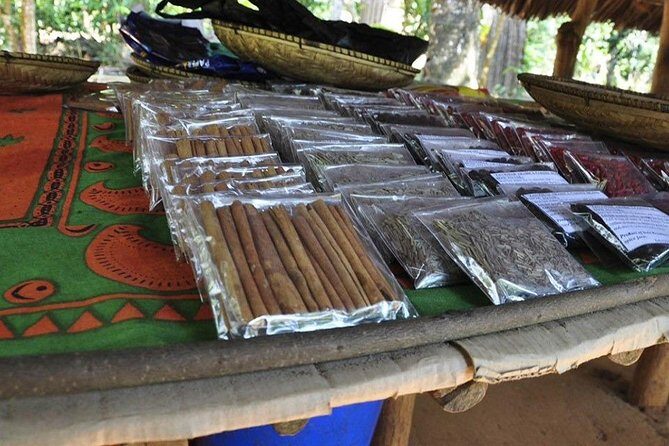
If you’re the type who likes buying spice souvenirs, plan a little space in your bag. The tour includes time to see and learn, and there’s opportunity to buy spices, so don’t treat it like a photo-only stop.
Practical Questions That Decide Whether It’s Your Kind of Tour
Before you book, match the tour to your travel style.
This works best if you:
- Like nature and plant learning, even if you’re not an expert
- Want something more meaningful than a quick spice shop stop
- Prefer guided attention and a route that can flex to your interests
- Are okay with a short walk in a plantation setting
It might feel less perfect if you:
- Want zero walking and a totally seated experience
- Are only interested in a quick, cheap taste of spices (this is more about the plants and explanations)
- Are on extremely tight timing where 2–3 hours is hard to move
A Small Note on Reliability (Don’t Ignore It)
One issue showed up in the booking history you provided: at least once, the tour company cancelled at very short notice without explanation. Another account described a same-day disruption (lunch time cancellation) without explanation.
This doesn’t mean the tour always fails—but it does mean you should protect yourself. I’d confirm details close to your day, keep your expectations flexible, and have a backup plan for that half-day window if you’re not just using it as an optional extra.
Should You Book This Spice Tour?
I’d book this tour if you want a genuinely plant-focused Zanzibar experience without the hassle of figuring everything out yourself. The combination of hotel pickup, air-conditioned comfort, and a guide-led walk through spices plus “bonus” plants and fruit gives you a full sensory lesson in a short time.
I would pause and double-check timing only because of the past short-notice cancellation report. If you can be flexible and you’re traveling with enough buffer days, this is the kind of excursion that turns into a story you’ll retell—cloves and cinnamon are nice, but seeing what grows behind them is better.
FAQ
FAQ
How long is the Spice Tour in Zanzibar?
It runs about 2 to 3 hours, depending on how the visit is paced and customized.
Do they pick you up from your hotel?
Yes. Hassle-free hotel pickup is part of the experience.
Is this tour private?
Yes. It’s described as a private tour, with only your group participating.
What’s included in the price?
Included items are parking fees and an air-conditioned vehicle. The admission ticket for the Zanzibar Spices and Heritage Centre portion (about 30 minutes) is also included.
What is not included?
Airport or departure tax is not included.
What kind of ticket do I get?
You receive a mobile ticket.
Can I customize what we focus on?
Yes. The tour is customizable to suit your interests and you travel at your own pace.
How far in advance can I cancel for a full refund?
You can cancel up to 24 hours in advance for a full refund.
Is the tour suitable for most people?
It’s listed as suitable for most travelers/participants.