REVIEW · ARUSHA
3 Days Amzing Safari in Tarangire and Nngorongoro
Book on Viator →Operated by KLM Safaris · Bookable on Viator
Elephants first. Then the crater show. This safari is interesting because you get two very different wildlife stages: Tarangire’s elephant drama and Ngorongoro’s crater concentration. I like that it’s set up as a private trip with comfortable vehicles that make wildlife easier to see, and I also like the practical flow—start early, get into the parks, and focus on sightings. One thing to consider: day 2 starts early, so you’ll want to plan for an early breakfast and an early departure.
For wildlife, Tarangire is the warm-up and Ngorongoro is the headline. Tarangire is famous for huge elephant groups, even herds up to around 300, moving through dry riverbeds to reach underground water. Ngorongoro then drops you into a bowl where you can spot animals and birds in a tight area, with radio updates used to guide your drive.
The best part, in my view, is how the guides run the day and how the vehicles are used. In reviews from this program, I’ve seen names like Elly, Emmanuel, and Freddy praised for spotting animals and keeping everyone informed, with guides like Gileard coordinating smoothly on the company side. If you care about actually seeing animals (not just driving past them), this setup makes a real difference.
In This Review
- Key highlights at a glance
- Tarangire National Park: Elephant Herds and Dry-River Water Magic
- What to expect on your Tarangire game drive
- Ngorongoro Crater via Loduare Gate: Why the Early Descent Wins
- How spotting the Big Five works in Ngorongoro
- Guides and Vehicles: The Real Reason This Safari Feels Well Run
- Roof-open viewing changes everything
- Safety and communication
- Accommodation, Meals, and Day Rhythm: Staying Comfortable on the Go
- Why the meal plan matters more than you think
- Price and Value: Is $708.34 Fair for a Big-Five Focus?
- A balanced way to judge the deal
- Who This Safari Fits Best (and Who Might Want to Adjust)
- Should You Book This Tarangire and Ngorongoro Big-Five Safari?
Key highlights at a glance
- Tarangire’s elephant herds can be massive, with dry-season water concentration pulling animals close.
- Ngorongoro crater viewing from open viewing positions helps you scan faster for big cats and rhinos.
- Pop-up safari vehicles let you sit low or stand for a better angle when animals move.
- Radio-assisted sightings can put you near a lion or black rhino when the timing is right.
- Private group experience means no blending into a mixed group schedule.
Tarangire National Park: Elephant Herds and Dry-River Water Magic
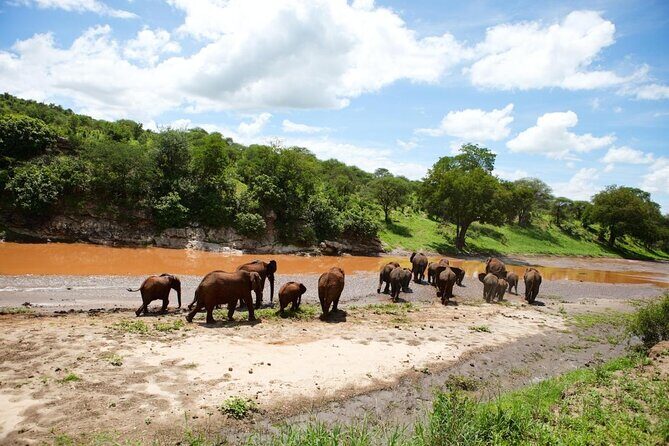
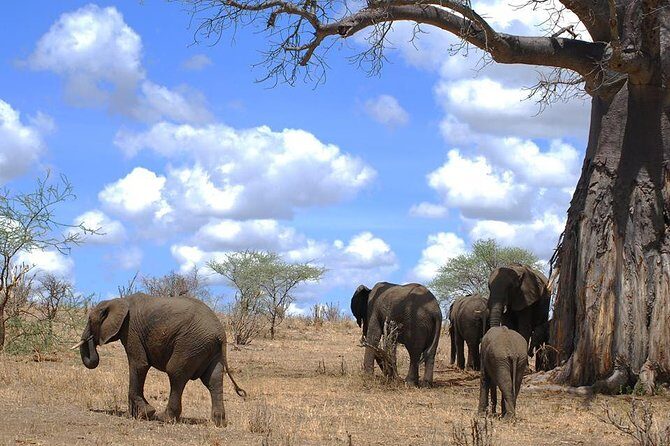
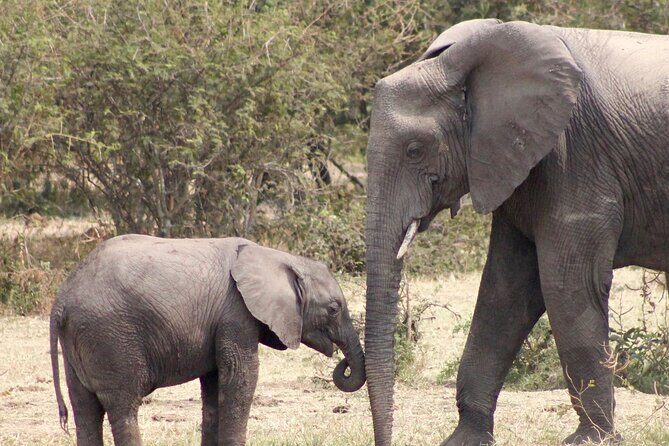
Tarangire National Park is one of the best places in Tanzania to feel how wildlife can cluster even in a dry landscape. The core reason is water. In this park, elephants are famous for groups—up to around 300—scratching at the dry river bed to reach underground streams, effectively turning a dry area into a magnet for animals.
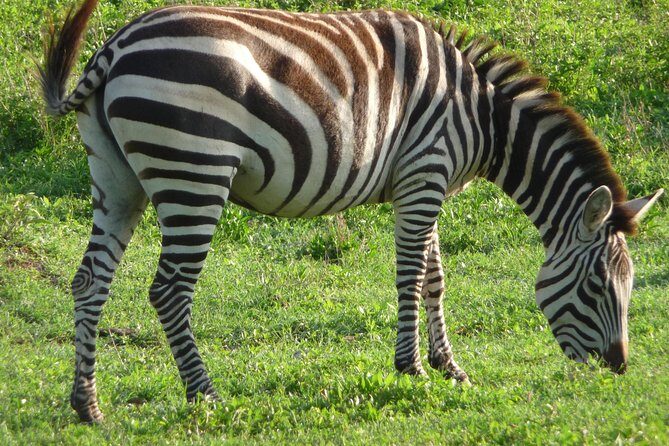
On day 1, you’ll typically start from Moshi and drive toward Tarangire, with a full day in the park. Once you’re there, the day is built around game drives where you can look for not just elephants, but also zebra, buffalo, impala, gazelle, hartebeest, and eland. What makes Tarangire special is the mix of species that fits the dry-country feel—so you’re not only looking for the obvious grazers.
This is also a good park for the kind of sightings that make you stop talking. Think of close-range animal movement at water points, plus the background details that wildlife photographers love: baobab trees, dry riverbeds, and those moments when an animal steps into the open and holds still long enough for you to get a clean view.
One practical plus for your comfort: the driving is paced for viewing. Reviews for this safari mention that the vehicles allow you to open the roof and stand up to see better, which matters in Tarangire because animals don’t always line up where you’d expect. With the right angle, you can spot motion sooner—then you can react while the moment is still happening.
A few more Arusha tours and experiences worth a look



What to expect on your Tarangire game drive
You’ll spend the day searching for wildlife across the park, often moving between areas that have more activity. If predators are around, Tarangire is set up to be a predator playground—wildlife density creates opportunities for lions, especially when other animals gather near water.
Also watch for the dry-country antelope that can be harder to find elsewhere, such as fringe-eared oryx and gerenuk. Even if you don’t nail every special antelope, Tarangire’s elephant focus alone can feel like a full win.
Ngorongoro Crater via Loduare Gate: Why the Early Descent Wins
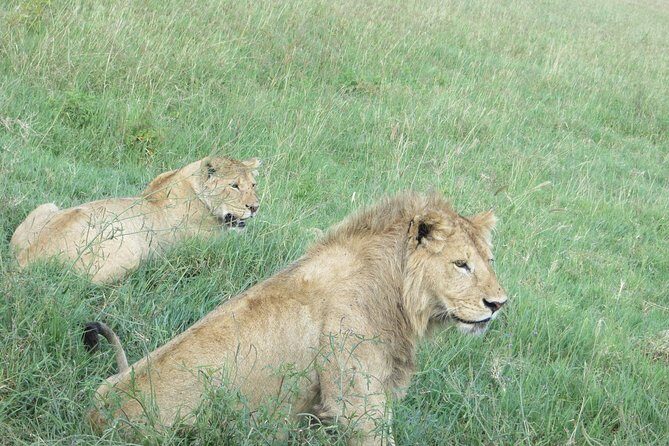
Ngorongoro Crater is where this safari shifts from variety to concentration. The experience here is built around an early start and a descent into the crater floor, where the animals and birdlife are packed into a smaller space.
Day 2 typically begins with pickup after breakfast, then a drive to the crater area (about a half hour from camp). You then check in at Loduare gate and descend into the crater. That descent matters. You’re not just arriving—you’re entering a different ecological stage, where visibility and animal density often feel dramatically different from the surrounding outside areas.
Once you’re down on the crater floor, your viewing is constant. You’re in pop-up safari vehicles that let you scan from multiple angles, including seated or standing positions. That means when an animal appears on a slope or shifts along the ground, you can adjust quickly without losing the sightline.
Ngorongoro is also where the big animal moments tend to stack up fast. In the reviews linked to this safari style, people mention hippos and even hundreds of flamingos, along with lions and rhinos. Not every day delivers the same mix, but the crater’s setup gives you a strong chance of crossing paths with multiple species in a short time.
How spotting the Big Five works in Ngorongoro
The idea here is simple: you’re in a contained area with many species, and you’re driving with an experienced driver-guide who’s watching for movement and listening for updates. Some guides use radio to share sighting information—so if you get a call about a lion perched high on a rocky outcrop or a black rhino sighted nearby, you’ll often be able to move toward the opportunity quickly.
Is it guaranteed to see every Big Five animal on the same trip? No safari can promise that. But the crater is designed to improve your odds because animals often share the same “stage” throughout the drive.
Also keep your expectations real: big cats and rhinos may show up briefly or at a distance. The best way to benefit from that is to stay alert, keep switching angles, and be ready to stop scanning the wrong direction the second something appears nearby.
Guides and Vehicles: The Real Reason This Safari Feels Well Run
This trip lives or dies on two things: how the driver finds animals, and how the vehicle helps you see them. The program’s reviews are very consistent on this. People repeatedly praise driver-guides for being both safe and effective at spotting wildlife.
Names that come up include Elly (with praise for guiding and for the excitement of seeing a lion), Emmanuel (recognized for looking after families and making trips manageable), and Freddy (praised for the crater viewpoint and the mind-blowing game drive experience). The company-side coordination is also noted with Gileard, who appears in responses as the person involved in making trips run smoothly.
A few more Arusha tours and experiences worth a look


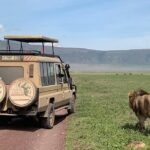
Roof-open viewing changes everything
In a lot of safaris, you spend time craning your neck. Here, reviews specifically mention that the jeeps are comfortable and that you can open the roof to stand up for better animal views. That simple detail can be huge when:
- animals move from one patch of shade into open ground,
- you’re trying to track a lion’s position on rocks,
- or you spot a rhino that’s lower than expected and you need a cleaner angle.
Standing isn’t for every moment, but when used at the right times, it can turn a “maybe I saw it” moment into a confident sighting.
Safety and communication
Safety also shows up in the reviews. The safari style here emphasizes that skilled guides make animal viewing possible while keeping everyone safe in the field. In practical terms, that means you can relax enough to look for wildlife rather than constantly worrying about what’s happening around you.
Accommodation, Meals, and Day Rhythm: Staying Comfortable on the Go
One reason people rate this kind of safari highly is the day rhythm. You’re not only chasing animals; you’re also getting taken care of between drives.
According to the included features, you get:
- Breakfast
- Lunch (2)
- Dinner (2)
- Accommodation
- All meals while on tour
- Admission tickets
- All fees and taxes
- Private transportation
That’s a lot of the heavy lifting handled for you. On a safari, costs and logistics stack quickly—park entries, vehicle time, guide time, and meals. Bundling them into the tour price helps you keep your budget stable and lets you focus on what you came for: wildlife.
Why the meal plan matters more than you think
You’ll likely be up early, especially for Ngorongoro. When breakfast and meals are included, you don’t lose half the morning figuring out where to eat or what to pay. You also avoid the common safari problem of delayed meals leading to grumpy energy right when animals start moving.
If you’re traveling with kids, this matters even more. One review mentions the safari being managed well for a child as young as four and a half, with the driver guide looking after the family. That’s a good sign that the schedule is handled in a practical way.
Price and Value: Is $708.34 Fair for a Big-Five Focus?
At $708.34 per person, this safari isn’t cheap—but it’s also not built like a bare-bones “transport-only” experience. The value comes from what’s bundled and what’s left out.
What’s included (big-ticket items):
- private transportation
- accommodation during the tour
- breakfast plus lunches and dinners
- all fees and taxes
- admission tickets for the parks
What’s not included:
- tips and gratuities
- travel insurance
- visa
For a safari, park fees plus a private vehicle plus guide time are usually the main cost drivers. Since those are included here, you’re paying for a complete viewing package rather than piecing everything together.
A balanced way to judge the deal
The real question isn’t just the price. It’s whether the trip matches your priorities:
- If your priority is Tarangire elephant time plus Ngorongoro crater Big Five odds in a tight schedule, this price can feel like good value.
- If your priority is a longer circuit (for example, adding extra parks beyond Tarangire and Ngorongoro), you may want to compare with longer packages even if the per-day cost looks higher. One review references a longer northern-circuit idea that included additional park time, and that can be a better fit for some people.
Who This Safari Fits Best (and Who Might Want to Adjust)
This safari style fits well if you want an efficient wildlife plan with a high chance of meaningful sightings.
I’d especially point it toward:
- Families who want private handling and a guide who can keep the day moving without chaos.
- First-time safari travelers who want the “icon parks” rather than a slow, low-density route.
- Wildlife-focused travelers who like staying in the field for viewing rather than doing long sightseeing stops.
A couple of considerations to keep it realistic:
- If you’re sensitive to early starts, day 2’s early pickup for Ngorongoro is something to plan around.
- If you’re expecting a guaranteed full Big Five list, you’ll want to go in with flexibility. You can have an incredible day and still not see every species on the same drive.
- The marketing mentions 3 days, but the duration shown is about 2 days. Before you set your expectations, confirm your exact overnight nights and whether your package truly spans three calendar days.
Should You Book This Tarangire and Ngorongoro Big-Five Safari?
Book it if you want a private, well-run safari that concentrates on two of Tanzania’s most memorable wildlife zones: elephant-heavy Tarangire and the high-density crater experience of Ngorongoro.
I think it’s a strong pick if you care about how you see animals. The repeated praise for driver-guides like Elly, Emmanuel, and Freddy—and the emphasis on roof-open viewing—signals that this isn’t a “drive around and hope” situation. It’s built for actually spotting wildlife.
Before you commit, do two quick checks:
- Confirm whether your trip is truly 3 days on your booking dates, since the duration provided is about 2 days.
- Ask what time the early breakfast and pickup will be for Ngorongoro, so you can plan your sleep and camera schedule.
If your goal is a high-impact Big Five-focused safari without extra park hopping, this one makes a lot of sense.