REVIEW · ARUSHA
4 Days Tarangire, Serengeti, Ngorongoro Mid-range Safari
Book on GetYourGuide →Operated by Suricata Safaris Ltd · Bookable on GetYourGuide
Big wildlife in just four days. This mid-range safari strings together Tarangire and Ngorongoro for a fast hit of Tanzania’s top ecosystems. I especially like the mix of expert-led afternoon drives plus early sunrise tracking, and I also like the lodge-centered comfort that lets you actually recover between game drives. The main tradeoff to consider is the early starts and the fact that nighttime can feel chilly, around 5°C, so packing matters.
You’ll travel in a 4×4 safari vehicle with an English-speaking guide and park entrance fees covered, in a small group capped at 6. And in the best kind of way, the operation shows up: one guide-wheel standout you may get is Damian, noted for being attentive and good at keeping the day on schedule. Still, it’s not a slow “sightseeing bus” trip. You’re on safari mode, with rules around what you wear and how you behave around animals.
In This Review
- Key highlights I’d plan around
- Tarangire, Serengeti, and Ngorongoro in 4 days: why this route works
- Your guide and small-group setup: what “up to 6 people” means in real life
- Day 1: Arusha to Tarangire—elephants, baobabs, and a first real safari rhythm
- Day 2: Tarangire to Serengeti—big plains, predator chances, and that wide-open feeling
- Day 3: sunrise Serengeti to Ngorongoro Highlands (Karatu area)—the day that sets up the crater
- Day 4: Ngorongoro Crater—UNESCO caldera game drive and Big Five odds
- Price and value: does $1,800 make sense for this 4-day circuit?
- Lodges, food, and the comfort side of a safari you’ll actually enjoy
- What to pack and how to avoid common safari mistakes
- Wildlife rules you’ll want to follow without making it a big deal
- Who this safari is for (and who may want a different option)
- Should you book this 4-day Tarangire, Serengeti, Ngorongoro safari?
- FAQ
- What parks are included in this 4-day safari?
- How long is the safari?
- Is pickup included, and where does the safari start and end?
- What’s included in the price?
- What is not included?
- Is the group small?
- Do you do sunrise game drives?
- Are binoculars provided?
- What rules do I need to follow regarding wildlife?
Key highlights I’d plan around
- Small-group cap (max 6) for a more focused, less chaotic day
- Sunrise game drive in the Serengeti for better predator odds
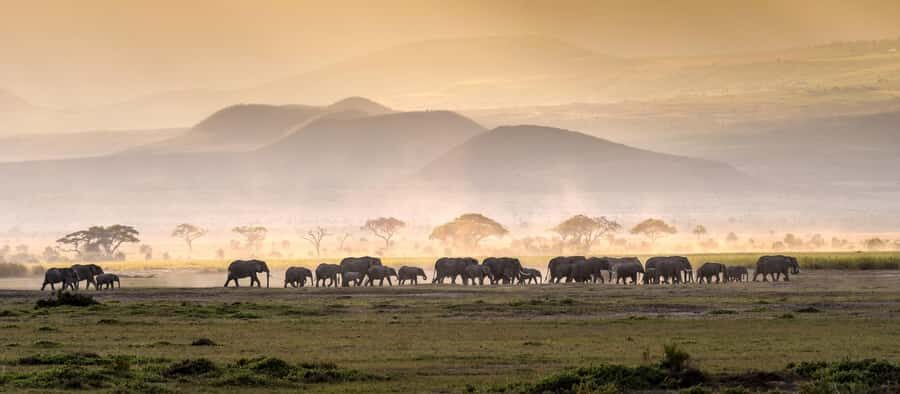
- Tarangire elephants and baobabs for a look that’s different from the plains
- Ngorongoro Crater caldera drive where you can see a lot of wildlife in a compact space
- Lodge stays with meals included so you’re not living out of a cooler
- Reliable, responsive guiding (the vibe here is organized, punctual, and hands-on)
Tarangire, Serengeti, and Ngorongoro in 4 days: why this route works
This is a smart “greatest hits” safari route because the parks don’t all look or feel the same. Tarangire has that classic mix of huge herds and iconic baobab trees. Serengeti is the big open-world feel—endless grassland with predators moving through it. Ngorongoro Crater then switches the game again: a volcanic bowl where animals cluster, and visibility is often excellent.
The mid-range part matters too. You’re not doing a rough-it-only trip where you trade comfort for every mile. Instead, you get lodge accommodation (and meals) that gives you real downtime after long days in the vehicle. That adds up because safari success is partly about being alert, and alertness is easier when you slept somewhere decent.
One more practical reason I like this sequence: it’s paced so you’re not doing the most intense day back-to-back without recovery. You get afternoon driving on day two, a sunrise start on day three, and then the crater morning on day four. That pattern helps your body handle the early light and the long stretches of driving.
A few more Arusha tours and experiences worth a look



Your guide and small-group setup: what “up to 6 people” means in real life
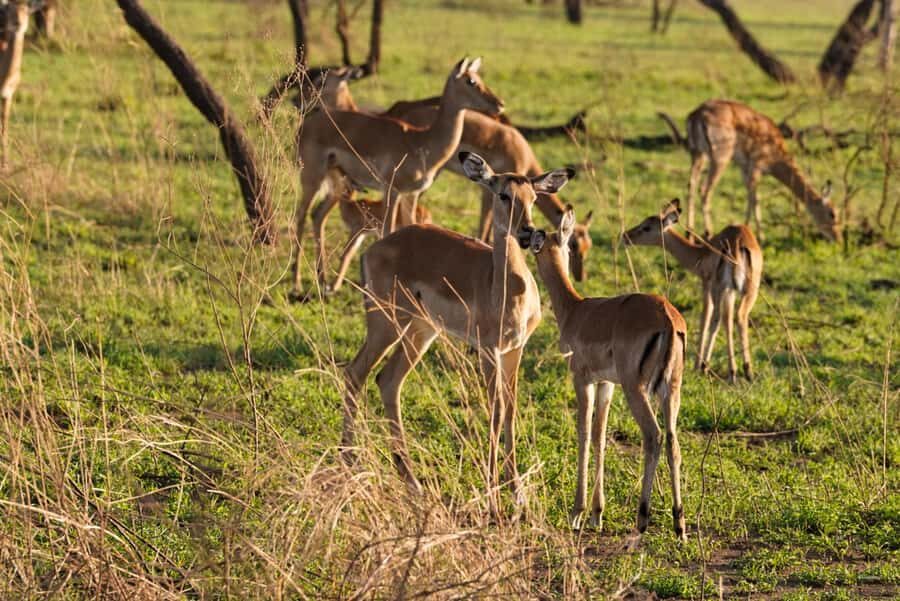
A small group isn’t just a number. It changes how the day feels. With a maximum of 6 participants, you typically get fewer people calling out questions, less scramble at viewing spots, and easier coordination when the guide needs everyone to reposition quickly.
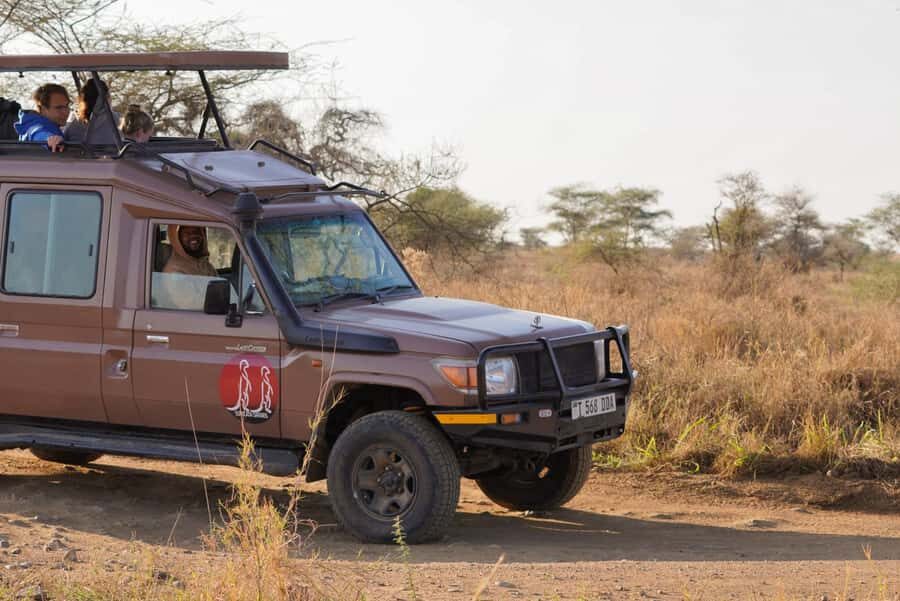
You’re also in a 4×4 safari vehicle with a professional English-speaking guide. That matters in Tanzania safari terms because animal spotting and reading behavior is a skill. A good guide is the difference between seeing animals and understanding what you’re looking at—like whether a group of grazers is feeding calmly or watching for predators.
The vibe from Damian, a chauffeur-guide noted for being careful and attentive, is a helpful clue. It suggests the operator isn’t just moving bodies through parks. They’re paying attention to timing and comfort too, which is huge on a 4-day itinerary where you don’t have much buffer.
If you hate being rushed, you’ll still feel safari urgency here—wildlife sets the pace—but the small group helps keep it from turning into chaos.
Day 1: Arusha to Tarangire—elephants, baobabs, and a first real safari rhythm
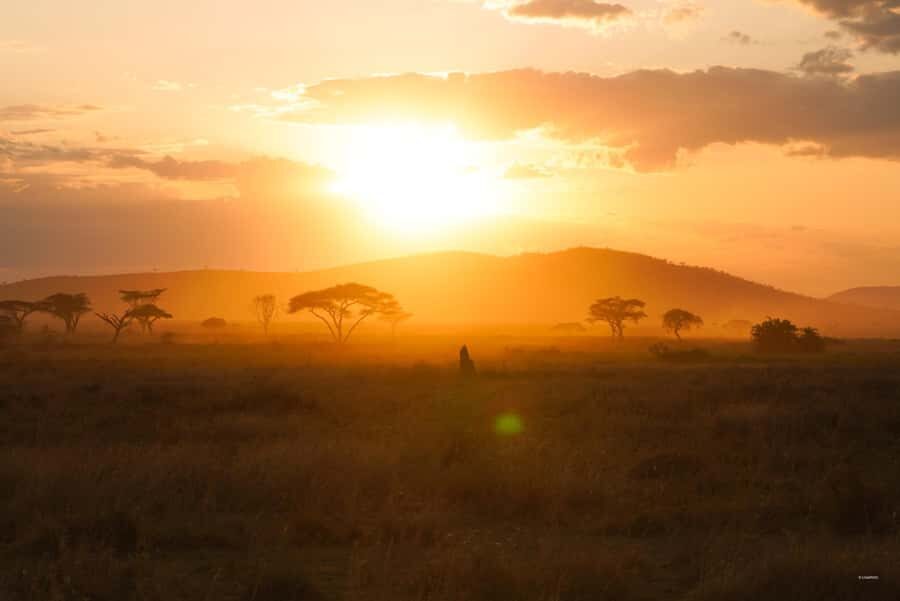
Day one starts with an early departure from Arusha to Tarangire National Park. The goal is simple: get you into the park while the light is good and the animals are active.
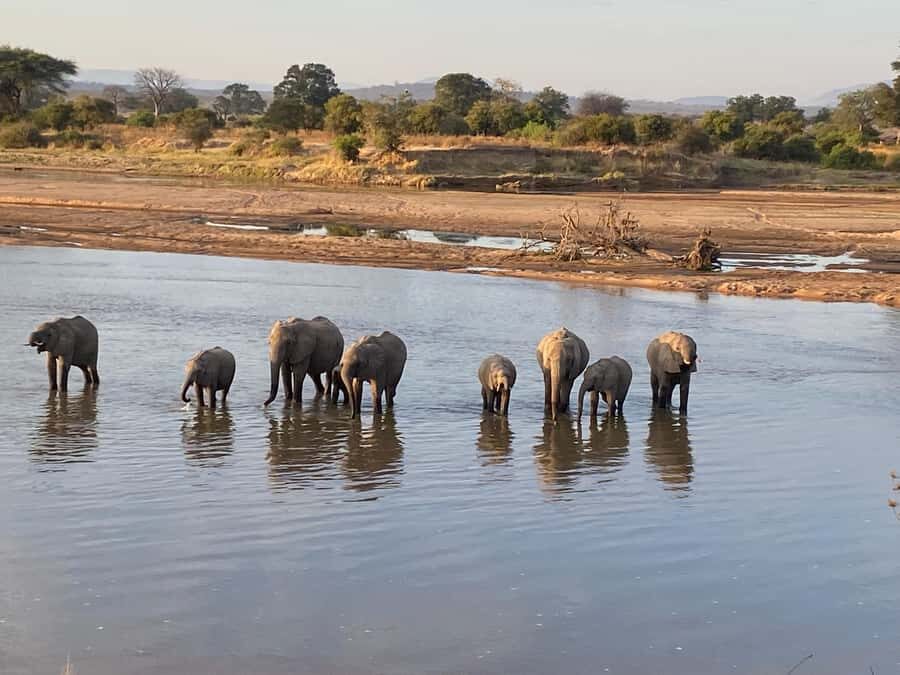
Tarangire is known for large elephant herds and the dramatic baobab landscape. Even if you’ve seen elephants elsewhere, Tarangire tends to deliver that classic “so many elephants in one view” feeling. It’s also a good park to start with because it sets expectations for what your guide will do all trip: scan carefully, position the vehicle well, and keep you moving without wasting daylight.
You’ll have a lunch break in the park, then another game drive in the afternoon. That structure is more than convenience. Afternoon driving gives you different animal behavior than mid-day heat, and it helps you adjust to safari rhythms without burning out immediately.
On this day you’ll end at your lodge and settle in. That’s important because day two jumps you into Serengeti, and the driving distances can feel longer once you’re fully in safari mode.
Day 2: Tarangire to Serengeti—big plains, predator chances, and that wide-open feeling
After breakfast, you head from Tarangire to Serengeti. Along the way, you get scenic views of the Tanzanian landscape, and the change in scenery is part of the point. Tarangire’s look is different from Serengeti’s broad plains, and your brain needs time to switch modes.
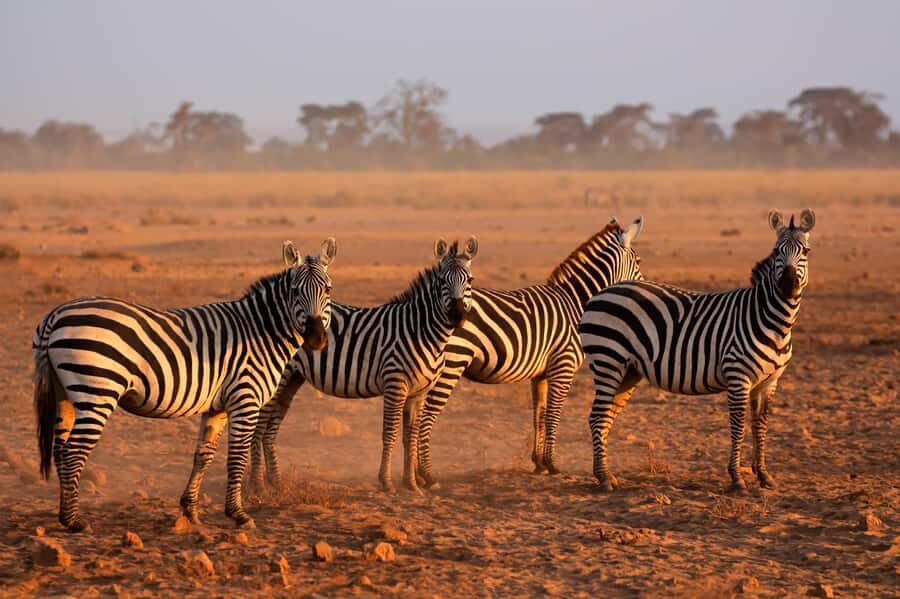
When you arrive, you do an afternoon game drive across Serengeti. This is the part of the trip where you’re most likely to feel the “wide world” effect—zebras moving through grassland, lions and cheetahs being tracked through the right vantage points, and a lot of life happening at distances that require patience.
You’ll be in lodge accommodation in or near the park area, so you’re not spending your evening miles away from wildlife. That matters more than people think. The closer you are, the easier it is to accept that safari is about waiting and watching, not just checking boxes.
If you’re worried about missing the big predator action, don’t. Serengeti is unpredictable, but this tour offsets that with a sunrise drive later (day three). The day two afternoon slot is still valuable because it builds context—how animals move across the plains so you can spot patterns the next morning.
Day 3: sunrise Serengeti to Ngorongoro Highlands (Karatu area)—the day that sets up the crater
Day three is where the schedule earns its keep. You start with a sunrise game drive in the Serengeti. Early light is when predators can feel more active, and it’s also when the atmosphere is calmer. Even if you’ve never thought about sunrise on safari, it’s worth planning for because the whole day feels different in that first hour.
Then you transition toward the Ngorongoro Highlands, reaching the Karatu area after lunch. The drive is scenic, and that’s not filler. Moving from the plains toward the highlands gives you a different look at Tanzania’s elevation and weather feel, and it helps you avoid “same park, same view” fatigue.
Once you arrive and settle into your lodge, you get an evening to relax and prepare for Ngorongoro tomorrow. This is the smart recovery night. Crater day can be intense. You’ll want a real dinner and a good sleep so you’re comfortable with an early crater start and long time looking for animals down in the caldera.
One practical tip: keep your warm layer accessible. Even though daytime can be comfortable, safari mornings and evenings can cool fast, and you’ll be glad you brought a sweater and jacket.
A few more Arusha tours and experiences worth a look


Day 4: Ngorongoro Crater—UNESCO caldera game drive and Big Five odds
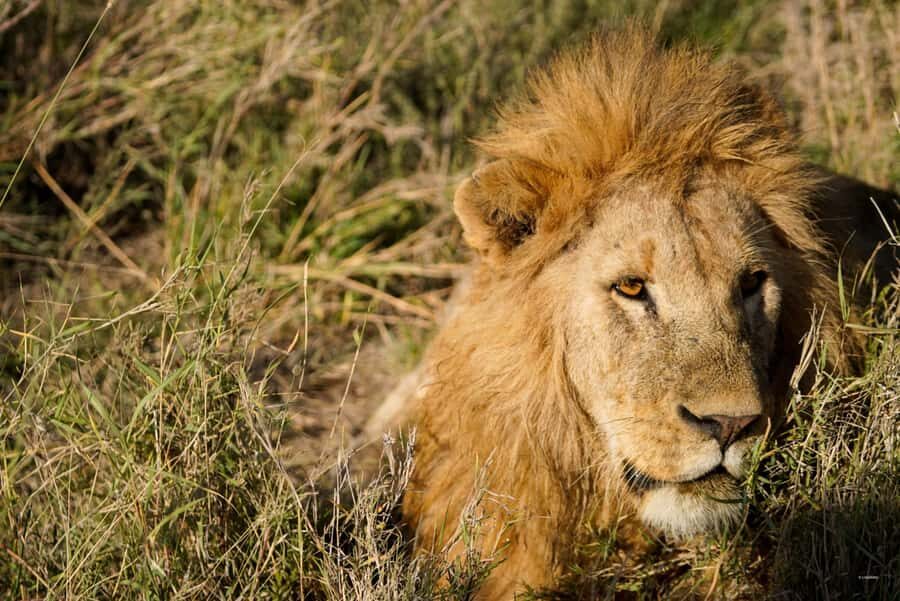
Ngorongoro Crater is the headline. You descend into the caldera for your game drive, and this is the day built for serious wildlife viewing. The crater’s volcanic shape can concentrate animals, and it can also create excellent viewing angles from the right positions.
The Big Five are listed as possible here, and the crater’s mix of habitats can support everything from big cats to thick-hiding prey species. The excitement of Ngorongoro isn’t just the target animals—it’s the sense that the landscape itself is doing the wildlife work for you. You’re not hunting mile after mile. You’re scanning within a natural enclosure.
After the morning drive, you return to the rim and head back toward Arusha, arriving in the afternoon. That means you’ll have time to unwind without losing the whole day to transit.
If you want one lesson from a 4-day safari like this, it’s to stay calm and patient in the crater drive. The best sightings often come when you’re willing to wait for the vehicle to reposition, and when you let your guide do the spotting work while you focus on watching behavior.
Price and value: does $1,800 make sense for this 4-day circuit?
At $1,800 per person, you’re paying for a short, high-impact route with key inclusions that reduce your risk of “surprise costs.”
Here’s what’s covered: the 4×4 safari vehicle, a professional English-speaking guide, park entrance fees, accommodation and meals, and mineral water during the safari. That’s the core cost driver on safari days, because parks and vehicle time are expensive.
What’s not included: visa, international/domestic flights, and travel insurance. Those are common exclusions for safari packages, but you should still factor them into your total trip budget.
So is it good value? For a 4-day safari that hits Tarangire, Serengeti, and Ngorongoro—plus includes lodge stays and meals—yes, this price lands in the “you’re buying time and logistics” category. You’re paying to avoid arranging vehicles, permits, and day-by-day park logistics yourself. Given the mid-range comfort focus and the small-group cap, it also sounds like you’re paying for better pacing and a more controlled experience than the biggest group tours.
If you’re the type who hates long travel delays or wants fewer moving parts, this kind of bundled value is usually worth it.
Lodges, food, and the comfort side of a safari you’ll actually enjoy
This tour is lodge-based. That’s a big quality-of-life upgrade when you’re doing multiple game drives. You’ll have lodging and meals included throughout the safari, plus downtime in the evenings—exactly what you need after early driving.
One of the strongest signals from the feedback is that the lodge choices and food are solid. A standout note was a superb lodge and two tent camps, plus good meals. Even without going into brand details, the takeaway is clear: the operation isn’t skimping on the sleeping and eating part of safari.
You should also expect typical safari packing comfort rules. Neutral colors are recommended—things like white, beige, and green—because bright colors can be an issue with wildlife policies and visibility for guides spotting from the vehicle. Bring a warm layer too. The tour specifically notes nighttime lows around 5°C, which is cold enough to make a difference if you only packed light layers.
And yes, mosquito repellent matters. The guidance recommends repellent with high mint concentration, which is practical for comfort during lodge evenings.
What to pack and how to avoid common safari mistakes
You’ll be living out of a limited space setup, so pack like it’s a safari, not a weekend trip. The luggage limit is 10kg per person. Extra luggage can be stored in the hotel storage room, and duffel bags are recommended, which makes it easier for staff to move things efficiently.
Clothing guidance is pretty straightforward:
- neutrals (white, beige, green)
- warm sweater, socks, and a jacket for evenings and early mornings
Binoculars can help a lot for spotting, but you shouldn’t assume you’ll have your own. The plan provides binoculars to share in the vehicle, so you can travel lighter if needed.
Finally, plan on staying organized. When you have limited time between drives and you want to be ready fast, having your warm layer and essentials in an easy-access bag is a lifesaver.
Wildlife rules you’ll want to follow without making it a big deal
Safari rules are there for safety and to protect wildlife behavior. You won’t have drones allowed. You won’t be feeding animals. You also should avoid bright colors and touching animals.
These rules might feel strict, but they’re easy once you’re in the flow. The guide’s job is to position the vehicle for safe, respectful viewing. Your job is to listen, keep voices controlled, and follow instructions quickly when animals move.
Also: don’t expect to wander around independently. This kind of safari is structured. That’s part of why it stays rewarding rather than chaotic.
Who this safari is for (and who may want a different option)
This is a great fit if you want:
- Tanzania’s top parks in a tight 4-day window
- a small group experience with an English-speaking guide
- lodge stays and included meals so your days aren’t exhausting in the wrong way
It’s not a match if you need wheelchair access. The tour also isn’t suitable for babies under 1 year or people over 95 years.
If you’re traveling with older family members or someone with mobility limitations, you should ask how the vehicle and lodge routes work for your specific needs before booking. The tour data is clear about eligibility categories, and it’s better to align early than hope it works out.
Should you book this 4-day Tarangire, Serengeti, Ngorongoro safari?
If you’re trying to choose between “doing too much” and “seeing the right things,” this one is an easy yes for most people. You get a high-impact route, lodge comfort, English-guided drives, and a small-group setup that keeps the day calm enough to enjoy it.
Book it if you like early mornings for sunrise opportunities and you’re willing to do safari rules without fuss. You’ll also appreciate the value of having park fees, meals, and vehicle time handled.
Skip or consider a different format if you dislike cold mornings, if you can’t handle long drive days, or if your mobility needs don’t align with the tour’s eligibility limits.
One last practical thought: because you can cancel up to 24 hours in advance for a full refund and reserve now/pay later, you can book with a little confidence while you finalize flights.
FAQ
What parks are included in this 4-day safari?
The safari covers Tarangire National Park, Serengeti National Park, and Ngorongoro Crater (Ngorongoro area).
How long is the safari?
It lasts 4 days.
Is pickup included, and where does the safari start and end?
Pickup is included in Arusha. The tour starts in Arusha and ends back in Arusha.
What’s included in the price?
Included are 4×4 safari vehicle transportation, a professional English-speaking guide, park entrance fees, mineral water during the safari, and accommodation and meals during the safari.
What is not included?
Visa, international and domestic flights, and travel insurance are not included.
Is the group small?
Yes. The group is limited to 6 participants.
Do you do sunrise game drives?
Yes. The schedule includes a sunrise game drive in the Serengeti.
Are binoculars provided?
Binoculars are available for sharing in the vehicle.
What rules do I need to follow regarding wildlife?
Drones are not allowed, and you must not feed or touch animals. Bright colors are also not allowed.