REVIEW · ARUSHA
3 Day Mount Meru Climb
Book on Viator →Operated by Signature Safari · Bookable on Viator
Mount Meru turns altitude into a plan. This 3-day climb near Arusha uses Arusha National Park as your classroom, and it also solves the language problem by putting you with a professional guide in a remote area where Swahili is the main language.
What I love most is that you’re not just hiking for a checkmark. You build acclimatization while you’re in the park looking for wildlife, and then you earn picture-perfect summit views from the top.
One thing to consider: Meru is still serious high-country trekking. The tour calls for moderate physical fitness, and the big day starts around 12:30am, so you’ll need to be ready for an early, cold-feeling night out there.
In This Review
- Key things to know before you go
- Why Mount Meru is such smart Kilimanjaro warm-up
- The 3-day climb: what your days actually feel like
- Day 1: Settle in, start the acclimatization work
- Day 2: Higher ground, slower pace, more focus
- Day 3: Summit day energy (and why the night start matters)
- Guides like Samuel and Innocent are the real advantage
- Wildlife moments you can actually catch on camera
- Price and value: what $690.70 buys you (and how to budget for tips)
- Logistics that affect your comfort: pickup, start time, and Swahili
- What to pack for a high-altitude trek (without overthinking it)
- Who this climb is best for (and who should reconsider)
- Should you book Signature Safari’s 3 Day Mount Meru climb?
- FAQ
- Where does the Mount Meru climb start?
- How long is the Mount Meru climb?
- What is the price per person?
- Does the tour offer pickup?
- Do I get a mobile ticket?
- How many travelers are in a group?
- Is the hike suitable for everyone?
- Are tips included in the price?
- What happens if the weather is poor?
- Can I cancel for a refund?
Key things to know before you go
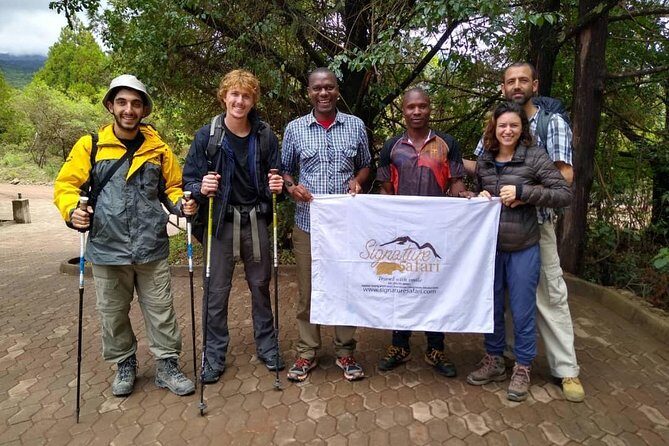
- Kilimanjaro prep in the right height range: Meru reaches 4,568m, ideal for easing into high altitude
- Wildlife spotting is part of the rhythm: you’re trekking in Arusha National Park, not in a crowded tourist corridor
- Guides set a safe pace: guides like Samuel are praised for careful timing and altitude awareness
- Small group size: capped at 15 travelers, so you’re not getting swallowed by a crowd
- Language support matters: in this remote area, Swahili is the key language, and your guide bridges the gap
Why Mount Meru is such smart Kilimanjaro warm-up
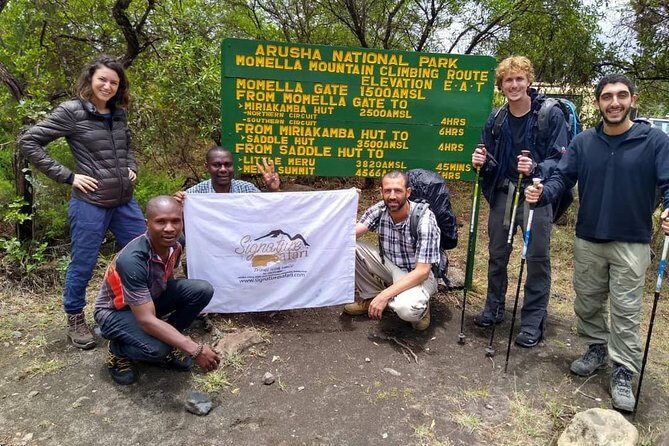
If your goal is Kilimanjaro, Meru is a smart way to get your body used to altitude before you aim at the big peak. Mount Meru tops out at 4,568m, and it’s the third-highest peak in Africa and the second-highest mountain in Tanzania. That combination matters because it gives you a real altitude challenge without jumping straight into Kilimanjaro’s scale.
The other reason I like this approach: the climb happens in Arusha National Park. You’re not surrounded by big-city noise or tour-bus chatter. The setting is more “go with the flow” and less “keep checking your phone,” and that makes it easier to focus on acclimatization—slow steps, good hydration, and listening to your guide.
And yes, Swahili is the main language in the area. That can be a deal-breaker if you’re traveling independently. The tour’s whole value is that you’re in the hands of an experienced team, so you’re not spending mental energy trying to decode directions while your legs are already working hard.
A few more Arusha tours and experiences worth a look
The 3-day climb: what your days actually feel like
This tour is listed as an approx. 3 days experience, and it follows the classic structure of a multi-day mountain trek: a gradual approach up in altitude, time to adjust, then a summit push with a heavy focus on timing and pace. You’ll start and end back at your meeting point in Arusha.
Here’s the shape of what you should expect, in plain terms:
Day 1: Settle in, start the acclimatization work
Your first day is about getting into the rhythm. You’ll be hiking in Arusha National Park while your body begins adapting to higher elevation. This is also where the wildlife aspect can come in—when you move through the park carefully, you’re more likely to notice animals than if you were rushing along.
Drawback to know: even on day one, you’re not doing this as an easy nature walk. Altitude changes how you feel within hours, especially if you usually live at lower elevations. You’ll want to keep your effort steady and avoid the classic mistake: going out too fast because it feels good at the start.
Day 2: Higher ground, slower pace, more focus
By the second day, acclimatization becomes the main game. Your guide will manage pace so you can keep moving without turning the trek into a sprint. In the feedback for this program, the lead guides are specifically praised for taking a safe speed and adjusting to the group, including using the hike to point out wildlife along the way.
What to watch for: dehydration and overexertion. Even when the scenery is great, the altitude will punish big surges of effort. If you feel breathless, that doesn’t mean you stop—it means you slow down. That’s where having a real guide earns its weight.
Day 3: Summit day energy (and why the night start matters)
The start time listed for the experience is 12:30am, which strongly suggests an early-night start tied to reaching higher ground for summit views. Translation: you’ll likely be moving while it’s dark, then working your way toward that top-of-the-mountain payoff.
And that payoff is the best part of Meru for many people: picture-perfect summit views. The goal isn’t just standing at a point on a map. It’s the moment when everything you did over the prior days—slow steps, steady hydration, patience—comes together.
After the summit, you’ll keep going as your itinerary brings you back down and returns you to the meeting point in Arusha.
Guides like Samuel and Innocent are the real advantage
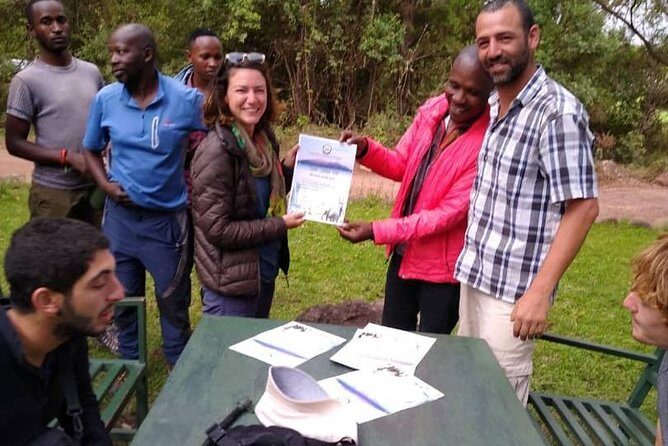
The climb is never “just you and the mountain.” It’s you, the guide, and the way they manage pace and safety.
Two guide names come up clearly in the feedback: Samuel and Innocent. Samuel is described as knowledgeable and focused on keeping everyone hiking at a safe pace, while also pointing out wildlife. Innocent is mentioned as being kind and helpful in organizing the trip, including recommending Meru even for someone who wasn’t a climber.
That matters for you because Meru success is mostly about management:
- pacing that respects altitude
- communication when conditions change
- help with the practical stuff so you can stay focused on breathing and footing
Also, porters are part of the experience, and they’re described as helpful and friendly. That’s not just comfort—it’s how a trek stays sustainable when you’re carrying less and concentrating on your own rhythm.
One more detail I appreciate: the group limit is 15 travelers. Small groups don’t just feel nicer; they give the guide the ability to watch the entire team and adjust without losing people in the shuffle.
Wildlife moments you can actually catch on camera
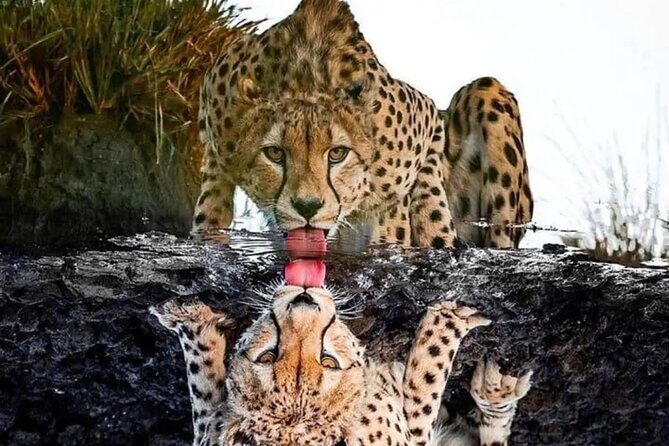
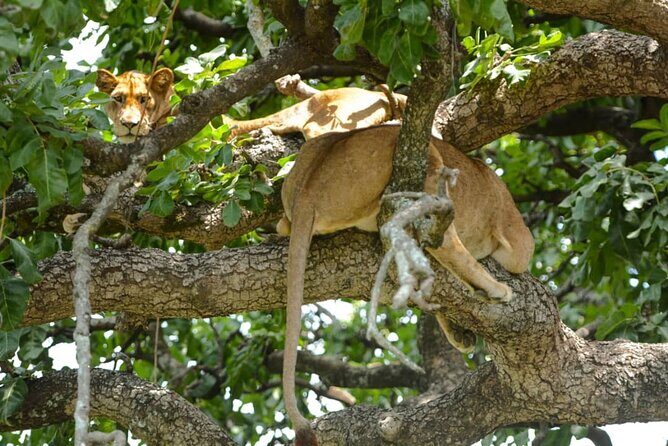
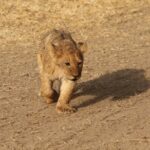
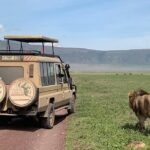
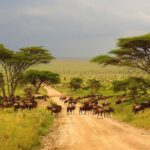
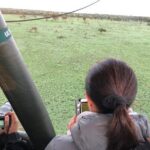
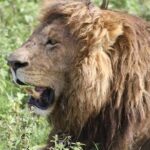
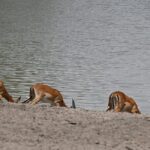
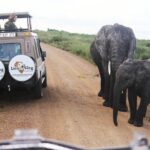
Meru is often sold for altitude, but the park setting adds something better: moments with real animals. The tour highlights acclimatization alongside the chance to spot diverse wildlife in Arusha National Park.
When you’re hiking at altitude, it’s easy to only think about your next step. Wildlife breaks that loop in a good way. It gives you a reason to pause, look up from your boots, and let the day slow down for a minute—exactly what your body needs during acclimatization.
Practical note: wildlife spotting is never guaranteed. But this setting is built for it, and moving with a guide who’s paying attention helps you notice what you’d otherwise miss.
And then there’s the summit view. That’s the kind of payoff that makes the earlier discomfort feel like part of the story, not just suffering.
Price and value: what $690.70 buys you (and how to budget for tips)
The price is $690.70 per person, and it includes all fees and taxes. Pickup is offered, and you’ll receive a mobile ticket. On top of that, you’re paying for guide expertise, plus the support structure that includes porters.
Is it expensive? It’s not cheap. But for a 3-day guided climb in a national park setting, the value comes from avoiding the two common failure points:
1) scrambling to organize the right trek and permits on your own
2) losing time and energy when altitude and language start creating friction
This is also where the small group size matters. A cap of 15 travelers is a sign the operation isn’t treating you like cargo.
Two budget realities to keep in mind:
- Tips are not included. That’s explicitly listed, so you should plan for it.
- The experience needs good weather, so flexibility in your schedule is helpful.
If you’re trying to plan around Kilimanjaro, this kind of warm-up trek can be a smart spend—better preparation can mean a smoother later climb, even if you’re not thinking about that now.
Logistics that affect your comfort: pickup, start time, and Swahili
A few practical pieces make a big difference on this trek:
Pickup offered: if you’re staying in Arusha, being picked up reduces morning stress and helps you focus on sleep and food the night before.
Start time at 12:30am: you should take that seriously. Even if you’re not used to late-night starts, plan for an early wind-down. Charge your devices, set out your gear, and don’t rely on last-minute shopping.
Language reality: the area is described as remote, with Swahili as the main language you’ll hear. If you don’t speak Swahili, you’ll still get through this because your guide handles navigation and coordination. Still, I’d bring a willingness to communicate. A friendly attitude goes far when you’re sharing a mountain with a crew.
What to pack for a high-altitude trek (without overthinking it)
You don’t need a mountaineering wardrobe for Meru, but you do need to be ready for altitude trekking. Here are the essentials I’d plan around:
- Comfortable, broken-in hiking shoes with solid grip
- Warm layers for cold night starts and higher elevations
- A rain shell or light waterproof layer (because mountain weather can change fast)
- Headlamp or flashlight for dark-morning movement
- Water bottle or hydration plan that keeps you consistent
- Snacks you can eat even when you’re not feeling hungry
Also, since this is a guided climb with a small group, you’ll likely have structure for pacing and timing. That means your gear should support you moving comfortably—not weighing you down.
Who this climb is best for (and who should reconsider)
This 3-day Mount Meru climb is a great fit if:
- you’re gearing up for Mount Kilimanjaro
- you have moderate physical fitness
- you want a guided trek in Arusha National Park
- you prefer a smaller group and clear leadership
It might not be the right fit if:
- you’re looking for an easy hike with minimal exertion
- you’re not comfortable with high-altitude trekking realities, especially early starts
- you want total independence without a guide and porters handling the mountain side
The good news: the feedback highlights that the guides and porters help people through the harder parts. Even someone who wasn’t a climber reportedly went for it after a recommendation, and the team made the experience more manageable.
Should you book Signature Safari’s 3 Day Mount Meru climb?
If you want a practical Kilimanjaro warm-up with real altitude challenge, this is the kind of trip that makes sense. The strongest reasons to book are straightforward: safe pacing, knowledgeable guidance (Samuel is specifically praised), and the fact that you’re trekking in a place where wildlife is part of the experience, not a side note.
I’d also book if you’d rather avoid the Swahili and navigation stress that comes with remote trekking. This tour’s value is that it removes the uncertainty and hands control to experienced leadership.
One final check before you commit: make sure your schedule can handle the fact that good weather is required. If weather shifts and you need to adapt, it’s easier when you aren’t already locked into every other plan.
FAQ
Where does the Mount Meru climb start?
The experience starts in Arusha, Tanzania, and it ends back at the meeting point in Arusha.
How long is the Mount Meru climb?
The duration is listed as 3 days (approx.).
What is the price per person?
The price is $690.70 per person.
Does the tour offer pickup?
Yes, pickup is offered.
Do I get a mobile ticket?
Yes, the tour includes a mobile ticket.
How many travelers are in a group?
This tour/activity has a maximum of 15 travelers.
Is the hike suitable for everyone?
It recommends travelers have a moderate physical fitness level.
Are tips included in the price?
No, tips are not included.
What happens if the weather is poor?
This experience requires good weather. If it’s canceled due to poor weather, you’ll be offered a different date or a full refund.
Can I cancel for a refund?
Yes. You can cancel up to 24 hours in advance for a full refund. If you cancel less than 24 hours before the start time, the amount paid is not refunded.