REVIEW · MOSHI
Kilimanjaro Summit Challenge: 6 Days via Marangu Route
Book on Viator →Operated by PINNACLE ADVENTURES & SAFARIS LTD. · Bookable on Viator
Mount Kilimanjaro can be loud and quiet at once.
This 6-day Marangu Route (the classic Coca-Cola route) pairs a straightforward ascent with comfortable hut nights, plus the big payoff of reaching the Roof of Africa at sunrise. I especially like the clear day-by-day rhythm, and I also like that support is built in from day one: you get qualified guides, porters, cooks, and hands-on help with what you carry. One thing to consider: the 6-day schedule is still serious altitude work, so you’ll want to take the acclimatization day seriously instead of treating it like a vacation day.
The route works well if you want a more structured trek where food, sleeping setup, and basic hydration are handled. In the kind of guiding teams you’ll be in, names like Sele and Abdul come up for a reason: good pacing, practical help with gear and bags when needed, and health checks twice a day for safety. Still, you should know the summit push starts around midnight and the terrain turns rugged—so this isn’t a relaxed walk, even with huts and hot water waiting for you.
In This Review
- Key highlights worth caring about
- Moshi Basecamp and the drive up to Marangu Gate
- Day 1 Mandara Huts: rainforest start, your first altitude night
- Day 2 Horombo to Mawenzi views: moorlands change the air
- Day 3 Mawenzi ridge acclimatization at about 4600 m
- Day 4 Kibo Hut: alpine desert feel before the final push
- Summit night to Uhuru Peak: midnight start, Gilman’s Point, sunrise payoff
- Day 6 descent to Moshi: certificates, moorlands, and the hot-water win
- Food, water, and what’s truly included (and what isn’t)
- How $2,213 stacks up for a 6-day Kilimanjaro climb
- Best fit: who this hut route suits best
- Should you book this Kilimanjaro Marangu Summit Challenge?
- FAQ
- How long is the Kilimanjaro summit challenge via the Marangu route?
- Where does the trip start and end?
- What’s the main route called, and why do people choose it?
- When does the summit attempt happen?
- What’s included in the price?
- Do you get emergency oxygen during the climb?
- Do I need a visa or travel insurance?
- What should I bring or consider before I go?
- How far in advance can I cancel?
Key highlights worth caring about

- Hut-based comfort on the Marangu route, with Mandara, Horombo, and Kibo huts along the way
- A real acclimatization plan including a day hike toward Mawenzi ridge (about 4600 m)
- Summit timing built around sunrise, starting near midnight for the top-to-roof moment
- Support that shows up in the details: help with bags/gear and health checks twice daily
- Emergency oxygen and first aid included, with oxygen reserved for emergencies only
- Hot water for washing daily plus drinking water included during the trek
Moshi Basecamp and the drive up to Marangu Gate
Most Kilimanjaro trips live or die by how smoothly the first day runs. This one starts in Moshi, with return transfers from the airport to Moshi and back again. That matters because Kilimanjaro doesn’t begin at the trailhead—it begins the moment you’re tired, jet-lagged, or juggling logistics.
You’ll register at the Marangu Gate before the hike really starts. That’s a small step, but it keeps the rest of the climb organized: your team is set, your climb is logged, and you can focus on pacing and breathing once you’re under way.
A few more Moshi tours and experiences worth a look
Day 1 Mandara Huts: rainforest start, your first altitude night

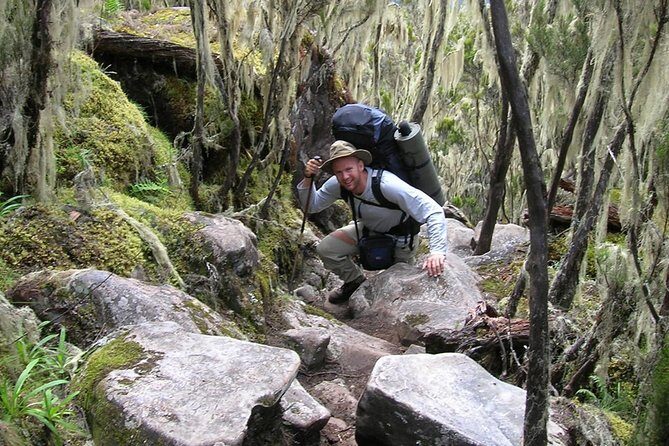
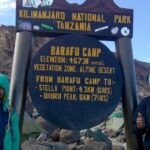
Day 1 rises from about 1870 m to roughly 2720 m over an 8 km walk that takes around 3–4 hours. It’s a gentler start in both time and elevation, and you’ll ease into the rainforest where the air feels warmer and the footing is more forgiving.
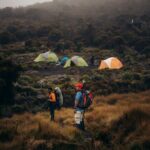
Mandara Huts are your first overnight. I like this setup because it gives you a clear “first win” moment: you’re on the mountain, you’ve started climbing, and you’re not immediately thrown into the harsh cold.
Also, you might spot wildlife such as colobus monkeys. Even if you don’t, the rainforest vibe matters. It’s your buffer day. You’ll learn what your body feels like when you’re moving at altitude, not just sleeping at it.
Potential drawback: Day 1 can feel too easy for your brain. That’s where first-day overconfidence happens. Follow your guide’s pace, sip water, and don’t try to “make up time.”
Day 2 Horombo to Mawenzi views: moorlands change the air

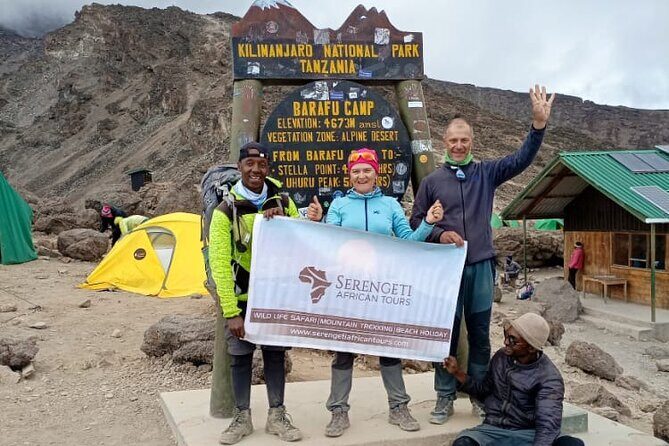
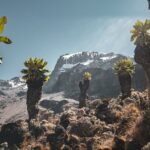
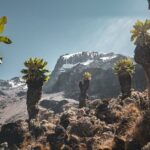
On Day 2 you climb from about 2720 m to 3720 m over 12 km, typically 6–7 hours. The big shift here is how the terrain changes: you move from the last stretch of rainforest into rolling moorlands with wider views.
You arrive at Horombo Hut with views toward Kibo and Mawenzi. For many people, this is the day altitude becomes real—not just numbers on a page. Your breathing might feel faster. Your legs might feel heavy even when you’re not walking far.
This hut stop matters because it’s your base for the next day’s acclimatization. The goal isn’t to “push hard.” The goal is to arrive steady enough to enjoy the long day later.
One more practical point: the walk can feel long even if your pace is fine. Build in rest stops that your guide suggests, and don’t treat every breeze as a reason to stop. Keep moving with short breaks.
Day 3 Mawenzi ridge acclimatization at about 4600 m

Day 3 is one of the most important days on the whole trip. Instead of a full summit day stress, you’ll spend the day acclimatizing.
After breakfast at Horombo Hut, you’ll do a hike toward Mawenzi ridge at about 4600 m with your guide. You’ll have lunch there, then descend back to Horombo Hut for dinner and overnight.
I like this structure because it teaches your body how to handle a higher altitude day without committing to the summit’s extremes. It’s also a mental break. You’re working hard, but you’re working with purpose.
Potential consideration: if you go too fast, acclimatization won’t help much. Ask your guide for the pacing strategy you should follow. In teams like this, health monitoring tends to be frequent, including those check-ins twice daily that help catch problems early.
Day 4 Kibo Hut: alpine desert feel before the final push

Day 4 climbs from about 3720 m to 4703 m over about 10 km and 5–6 hours. The terrain becomes more rugged and the air turns colder and drier. This is the point where people often feel the “thin air” more than the “steep climb.”
You’ll head to Kibo Hut, which is the final stop before the summit attempt. This matters: you’re not just sleeping here—you’re saving energy for what comes next.
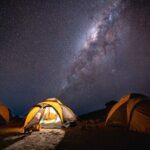
A practical way to think about Day 4: you’re building your summit-day body. Eat what’s offered, drink what you can, and don’t spend your time “testing” your limits. The summit push starts soon after midnight.
Summit night to Uhuru Peak: midnight start, Gilman’s Point, sunrise payoff

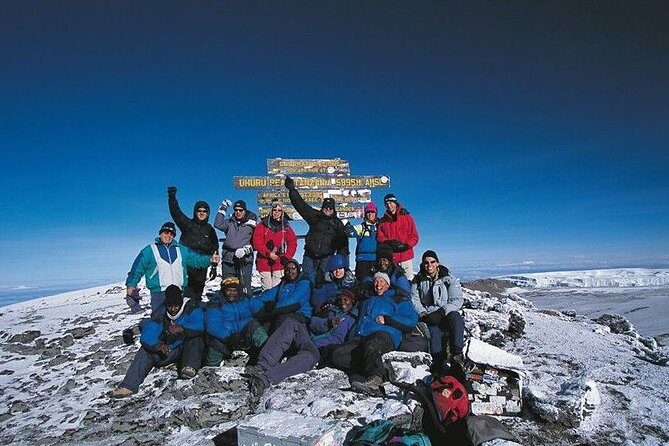
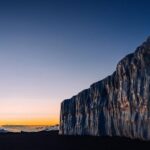
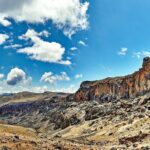
Day 5 is the big moment and the hardest day. You start the summit push around midnight, climbing over scree and volcanic rock. The route goes up to Gilman’s Point (about 5685 m) and then onward to Uhuru Peak, the highest point on Kilimanjaro.
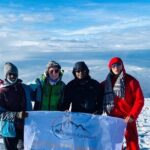
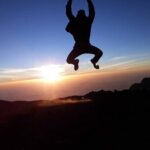
You’ll take in sunrise from the Roof of Africa before turning back. That sunrise moment is the reason people tolerate hours of cold, rocky steps, and slow breathing. It’s not a “pretty view from a bench.” It’s a payoff earned by moving through real effort.
Then you descend: you’ll return to Kibo Hut for a short rest, and continue down toward Horombo Hut.
Practical reality: summit day can be extremely long—10–14 hours is typical on this schedule. Even if you’re fit, expect slow steps. Expect cold hands. Expect to feel mentally tired before you feel physically done.
Safety note from how this trip is run: emergency oxygen and basic first aid are included, and oxygen is for emergencies only, not as a summit shortcut. That’s exactly how you want it.
Day 6 descent to Moshi: certificates, moorlands, and the hot-water win

Day 6 is the payoff day you can actually enjoy. You descend from about 3720 m down toward 1870 m and then on toward roughly 890 m, covering about 20 km in 6–7 hours.
You’ll walk through moorlands and rainforest, and you’ll pass Mandara Hut on the way down. It’s a strange feeling seeing the same spots again, but with legs that are finally not climbing.
At Marangu Gate, you receive your summit certificates. Then you’re driven back to Moshi for an evening that usually feels like the first real breath after the climb.
If hot water matters to you—and it should—this is where it pays off that the trek includes hot water for a wash daily. After cold nights, that simple comfort is a big deal.
Food, water, and what’s truly included (and what isn’t)

This operator includes a lot of the “quiet work” that makes high-altitude treks manageable. You get fresh water for drinking, plus hot water for a wash daily. You also get meals during the trek—breakfast on most days, and lunch and dinner on trekking days (the trip lists multiple breakfast, lunch, and dinner items as included).
You’ll also have qualified mountain guides, assistant guides, porters, and a cook, with their wages included. That means you’re not trying to guess logistics while you’re already exhausted.
Health support: the trip includes emergency oxygen (explicitly for emergencies only) and a basic first aid kit. It’s also clear from how this team is run that there are frequent health check-ins, including those twice-daily checks that help keep problems small.
What’s not included is just as important:
- Personal hiking/trekking gear. You can rent some items in Tanzania, but you’ll still want the basics sorted before you go.
- A portable toilet is optional in theory, but highly recommended.
- Personal medicine and water purifying tablets are recommended.
- Meals and drinks not specified, plus snacks, are on you.
My advice: pack like you’re trying to solve problems in advance. If you show up with everything except water purification and basic meds, you’ll feel it later.
How $2,213 stacks up for a 6-day Kilimanjaro climb
At $2,213 per person, this isn’t a cheap adventure. But it also isn’t just paying for a guide’s charisma and a sticker price.
You’re paying for:
- Return transfers between Moshi and the airport
- A complete support team (guides, assistant guides, porters, cook) with their wages included
- All fees and taxes
- Meals during the trek
- Hot water for washing daily
- Emergency oxygen and basic first aid
- Admission ticket coverage handled through the trek program
Also, the trip notes group discounts and pickup is offered, which can make the cost feel more reasonable if you’re traveling with others.
Where the price can feel high is if you already plan to self-guide, self-carry, or skip gear and supplies. But for many people, you shouldn’t. Kilimanjaro is a high-stakes environment. Paying for support that reduces your workload and your stress is part of the value.
Best fit: who this hut route suits best
This Marangu 6-day route tends to suit you if:
- You want hut accommodations instead of camping
- You like a more established, structured route with clear stages
- You want help with logistics—meals, water, washing, and a real support crew
- You’re okay with a serious summit night start around midnight
It might not be the best fit if:
- You need lots of slack time for acclimatization beyond a one-day ridge hike
- You hate cold, rocky walking for long hours on summit day
- You’re trying to treat altitude lightly
If you’re choosing this route, treat the acclimatization day and the Kibo-to-summit sequence as the heart of the trip. Do what your guide asks. That’s how you protect the summit goal.
Should you book this Kilimanjaro Marangu Summit Challenge?
If you want a classic Kilimanjaro experience with hut comfort, strong organization, and support that shows up in safety and pacing, I think this is a solid choice. The route’s rhythm—from rainforest to moorland to the Kibo zone—helps you see the mountain change in a way you can handle. And knowing there’s emergency oxygen for emergencies, plus an experienced guiding team like Sele and Abdul, gives me confidence in how the climb is managed.
Book it if you’re ready for a real summit effort. Don’t book it if your plan is to wing it with gear, pacing, or acclimatization.
FAQ
How long is the Kilimanjaro summit challenge via the Marangu route?
The trip runs for about 6 days.
Where does the trip start and end?
It starts in Moshi, Tanzania and ends back at the meeting point in Moshi.
What’s the main route called, and why do people choose it?
The trek follows the Marangu Route, also known as the Coca-Cola route, and it’s known for well-established hut accommodations and a direct path to the summit.
When does the summit attempt happen?
The summit push starts around midnight on the day when you move from Kibo area up toward Gilman’s Point and then Uhuru Peak.
What’s included in the price?
Included items cover return transfers, qualified guides and support team (guides, assistant guides, porters, cook and their wages), fresh drinking water and hot water for washing daily, all fees and taxes, emergency oxygen (for emergencies only) and a basic first aid kit, and meals during the trek.
Do you get emergency oxygen during the climb?
Yes. Emergency oxygen is included, but it’s stated for emergencies only, not as summit aid.
Do I need a visa or travel insurance?
Visas and flights are not included, and health and travel insurance is not included. A Yellow Fever vaccination is compulsory.
What should I bring or consider before I go?
You’ll need personal hiking/trekking gear (renting may be available in Tanzania). It also notes that a portable toilet is highly recommended, along with personal medicine and water purifying tablets.
How far in advance can I cancel?
You can cancel up to 3 days in advance of the experience for a full refund. If you cancel less than 3 days before, the amount paid is not refunded.