REVIEW · MOSHI
Mt Kilimanjaro Climb – 8 days Lemosho
Book on Viator →Operated by Nyange Adventures. · Bookable on Viator
Kilimanjaro can feel human here. The Lemosho Route is one of the longer paths up Mt. Kilimanjaro, which means more time to adjust to altitude while still getting eye-popping scenery. I also like that Nyange Adventures brings a full team setup, including hotel pickup and drop-off, so you spend less time wrestling logistics.
Two things I really love: first, the route design itself. The day-by-day altitude moves up and down in a smart rhythm, including a long walking day into the Barranco area and then a classic summit push toward Uhuru Peak. Second, the human side of the climb. Names like guides Davis, Joy, Geopron, Francis, Robert, Herick, and Amnaay pop up in the feedback, along with chef Oscar and Nikaas, and that matters on a mountain where morale and pacing can make or break your experience.
One drawback to consider: this is a serious, high-altitude trek. Day 7 alone is long (10–14 hours) and very steep, and cold can be part of it—altitude is a real factor even if the route is considered good for acclimatization.
In This Review
- Key things that make this climb worth your attention
- Why Lemosho Works: the slower start to a big summit
- Nyange Adventures and the team vibe that matters on summit day
- The 8-day Lemosho plan: what each day is doing to your body
- Day 1: Lemosho Gate to Big Tree Camp (2385 m → 2780 m)
- Day 2: Big Tree to Shira Camp 1 (2780 m → 3500 m)
- Day 3: Shira Camp 1 to Shira Camp 2 (3500 m → 3900 m)
- Day 4: Shira Camp 2 to Barranco Camp (3900 m → 3960 m)
- Day 5: Barranco Camp to Karanga Camp (3960 m → 4035 m)
- Day 6: Karanga Camp to Barafu Camp (4035 m → 4640 m)
- Day 7: Barafu to Uhuru Peak and down to Mweka (4640 m → 5895 m → 3080 m)
- Day 8: Mweka Camp to Mweka Gate (3080 m → 1630 m)
- What $3,500 actually buys you on Kilimanjaro
- Getting to the mountain: Moshi, pickup, and the 8:00 am start
- Who this trek fits best (and who should rethink)
- Practical tips to make Lemosho feel easier
- Should you book the 8-day Lemosho climb with Nyange?
- FAQ
- How long is the Mt Kilimanjaro climb on the Lemosho route?
- What does the $3,500 price include?
- What is not included in the tour price?
- What time does the trek start?
- Is oxygen support provided during the climb?
- Is this a group tour or private?
- What is the cancellation policy if plans change?
Key things that make this climb worth your attention
- Longer acclimatization on Lemosho: more days to adjust before the big summit push
- Oxygen cylinder + ox meter included: practical medical support for the climb
- Ethical team support: fair salaries aligned with KPAP guidelines
- Day 4–5 rhythm near Barranco: up, down, and then a steep wall moment with strong payoff
- Summit day includes Stella Point: steep, cold-leaning effort plus major panorama
- Team-driven care: stories of safety, flexibility, and being treated as an individual
Why Lemosho Works: the slower start to a big summit
If you’re comparing Kilimanjaro routes, Lemosho has a reputation for being a smart mix of scenery and acclimatization. The basic idea is simple: instead of racing toward the top, you spend more time in the mountain’s lower zones, letting your body get used to thinner air before you commit to the final stages.
That matters because Kilimanjaro isn’t only about legs. It’s about how your body responds to altitude, your ability to keep a steady pace, and your willingness to slow down when the group wants to sprint. On Lemosho, the schedule gives you time to build that rhythm. You’ll still work hard—this is not a stroll—but you’re less likely to feel like you’re being forced upward too fast.
The route also brings variety. You’re not just climbing in a single straight line toward the summit. You zig and zag through camp zones—Big Tree, Shira, Barranco, Karanga, Barafu, and then the final descent—so each day has a distinct feel. On a trek like this, variety helps you stay mentally fresh.
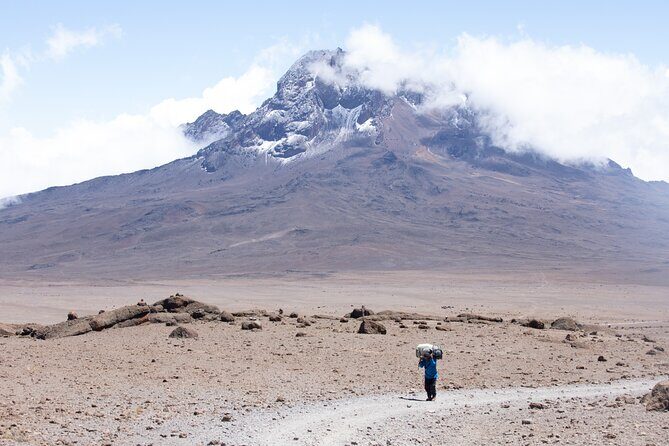
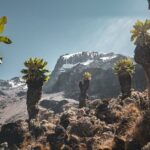
And yes, the views help. On Day 5, you get a rewarding angle toward Kibo’s southern glacier after the Barranco Wall climb. That’s the sort of moment that makes the earlier walking feel worth it.
You can also read our reviews of more tours and experiences in Moshi.
Nyange Adventures and the team vibe that matters on summit day
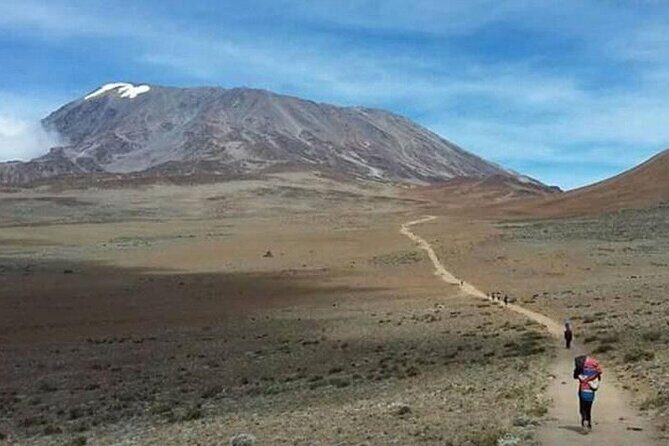
Kilimanjaro is where planning meets pressure. You can have the right gear and the right route, but if the team doesn’t manage pace, hydration, and decision-making, the mountain can turn stressful fast. What I like about Nyange Adventures is how consistently the human side shows up in the experience: guides, chefs, porters, and the overall coordination.
The guide names mentioned across experiences include Davis, Ibrahim, Robert, Herick, Joy, Geopron, Francis, Kevin, Musa, and Amnaay. That’s a range of personalities, but the common thread is clear: people feel safe and taken care of, with support that adjusts to individual needs rather than treating everyone like the same hiking robot.
You’ll also see emphasis on food. Chefs like Oscar and Nikaas show up in the feedback, and there’s a strong note that local organic food was a highlight. When you’re hiking high and tired, good meals aren’t just comfort food—they’re fuel. Having three meals a day included (breakfast, lunch, dinner) means you’re not making daily decisions about where to eat while you’re already spending energy on altitude.
One more detail I appreciate: Nyange includes an oxygen cylinder and an ox meter. Oxygen on standby doesn’t mean everything is risk-free, but it does add a layer of practical readiness. For many hikers, knowing that someone on the team is watching oxygen levels and has support tools available helps you stay calmer during tough moments.
The 8-day Lemosho plan: what each day is doing to your body
Let’s walk through the rhythm of this climb. The altitude changes aren’t just numbers—they’re the route’s strategy for acclimatization.
Day 1: Lemosho Gate to Big Tree Camp (2385 m → 2780 m)
You start at Lemosho Gate at 8:00 am, finishing at Big Tree Camp. It’s a shorter day on paper—about 2–3 hours—with an altitude gain of around 395 m.
I like Day 1 for one reason: you’re not immediately thrown into a massive grind. You’re moving, but you’re also giving your lungs and legs time to wake up. Camps at this stage feel like warm-up mode before the steeper work begins.
Day 2: Big Tree to Shira Camp 1 (2780 m → 3500 m)
Day 2 climbs to Shira Camp 1, gaining about 720 m over 4–5 hours. This is where you start to feel the air getting thinner.
Practical takeaway: keep your pace controlled. On acclimatization days, going slower usually helps more than it hurts. You’re building breathing efficiency more than chasing distance.
Day 3: Shira Camp 1 to Shira Camp 2 (3500 m → 3900 m)
Day 3 is a mid-length push: 3–4 hours and a more moderate gain of about 400 m. Then you move into Shira Camp 2.
This is a classic Kilimanjaro rhythm day: enough elevation to continue acclimatizing, not so much that you burn yourself out. Expect the walking to feel more demanding than the hours suggest, just because altitude changes perception.
Day 4: Shira Camp 2 to Barranco Camp (3900 m → 3960 m)
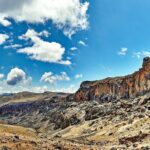
Day 4 is listed as a longer walking day—6–7 hours—with a net gain around 740 m up and roughly 680 m down. You end around 3960 m at Barranco Camp.
This is a day where route shape matters. Up and down terrain forces your body to work in different ways, and it also helps break up monotony. Mentally, it’s often a relief to have terrain variety rather than one flat grind.
Day 5: Barranco Camp to Karanga Camp (3960 m → 4035 m)
Day 5 is shorter on paper (3–4 hours) but includes a steep climb over the Barranco Wall. You’ll finish at Karanga Camp at about 4035 m.
The big payoff here is that rewarding view toward Kibo’s southern glacier—exactly the kind of moment you’ll remember on summit day when you’re tired and need motivation.
Also, that steep wall climb is a reminder: sometimes the hardest part isn’t the altitude. It’s the angle of the ground. Trekking poles (if you use them) and steady foot placement help a lot on moments like this.
Day 6: Karanga Camp to Barafu Camp (4035 m → 4640 m)
Day 6 is another climb: about 3–4 hours and a gain around 615 m. Barafu Camp sits high, at 4640 m, and it’s a turning point day.
What I’d watch here is energy management. You want to arrive with enough left in the tank to sleep and recover. Summit day is the real demand, and Barafu is where you start transitioning from “trek mode” to “summit mode.”
Day 7: Barafu to Uhuru Peak and down to Mweka (4640 m → 5895 m → 3080 m)
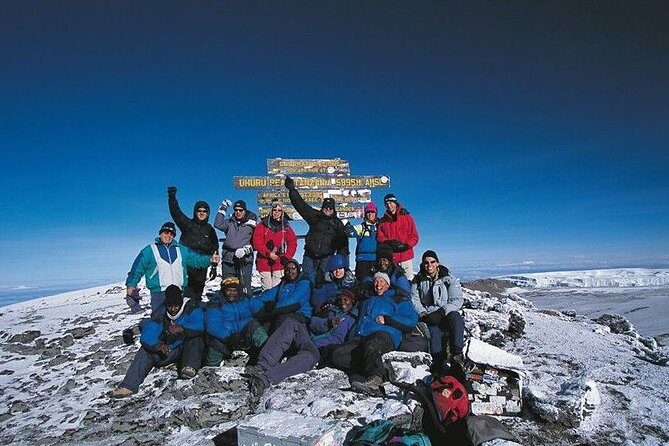
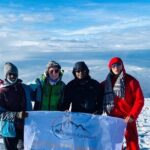
This is the day with the weight. The climb targets Uhuru Peak (5895 m) and includes Stella Point along the way. Walking time is 10–14 hours, and the altitude drop afterward is huge.
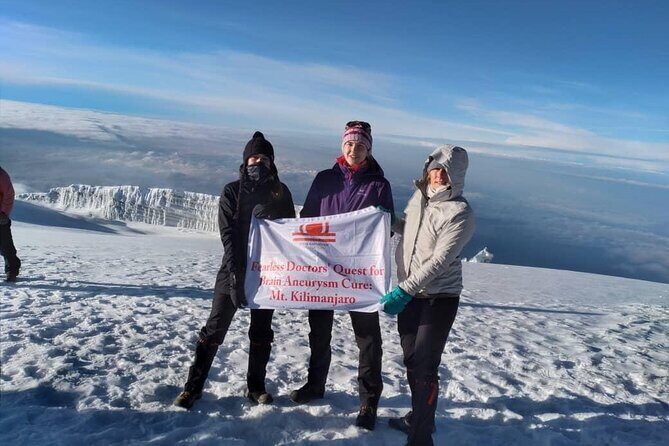
It’s also described as very steep, long, and possibly cold. That means your clothing layers and your ability to keep moving steadily matter. The panorama from the crater ridge and the summit is the payoff, and this is the kind of view that makes you understand why people plan years for a single day.
Then comes the descent to Mweka Camp at around 3080 m. It’s not an easy walk. Descents at altitude can be tough on knees and legs, and the cold can still cling to you even after the sun rises.
If altitude hits you that day, don’t treat it like weakness. Treat it like a signal. Move carefully, tell your guide how you’re feeling, and trust the pace decisions your team makes.
Day 8: Mweka Camp to Mweka Gate (3080 m → 1630 m)
Day 8 is shorter—about 2–3 hours—and you descend to Mweka Gate at 1630 m. It’s the final step out of the high zone.
This day is emotionally important. You’re tired, but you’re also stepping off the mountain. The goal is simple: finish safely, hydrate, and don’t rush your body into a post-trek sprint.
What $3,500 actually buys you on Kilimanjaro
At $3,500 per person, this is not a budget weekend. But the value is in what’s handled for you.
Included basics that add real cost:
- All park fees, including entry, camping, forest department, and rescue fees
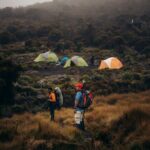
- Three meals a day (breakfast, lunch, dinner)
- 7 nights accommodation on the mountain (camping setup with tent, mattresses, and mess tent)
- Drinking water
- Oxygen cylinder and ox meter
- Professional guide
- Transport to and from the gate, plus hotel pickup and drop-off
For many hikers, the big hidden costs on Kilimanjaro are park/rescue fees and logistics. Here, those are covered, which helps you budget with less guesswork.
What you’ll still pay for (and should plan early):
- Tips for the team (guide, cook, porters)
- Personal mountain climbing gear and equipment
- Pre/post accommodation and airport transfers (available upon request, but not included)
- Travel insurance
My practical advice: treat tips and insurance as part of the true trip cost. The mountain is where safety systems matter.
Getting to the mountain: Moshi, pickup, and the 8:00 am start
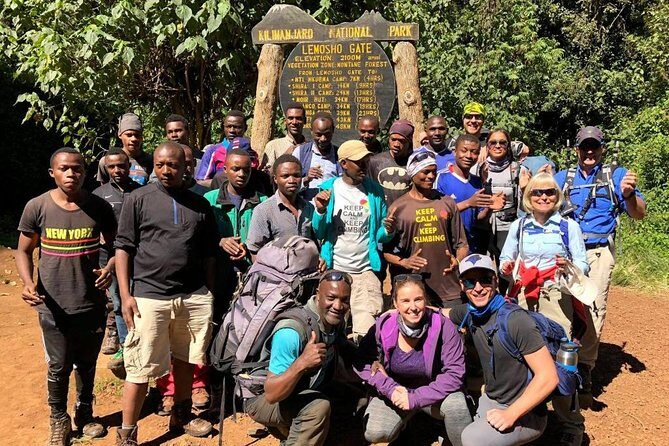
This climb is based in Moshi, Tanzania. You’ll have hotel pickup and drop-off, and you’ll be transported to and from the gate. That reduces stress on a day that starts at 8:00 am.
The main reason I like this setup is energy. The first morning of Kilimanjaro is not when you want to be figuring out local directions or squeezing into transport. If your team handles the move from Moshi to the trail start, you can focus on getting ready and hydrating.
Also note: it’s a private tour/activity, meaning you’ll be in your group and not mixing with strangers beyond the defined group setup.
Who this trek fits best (and who should rethink)
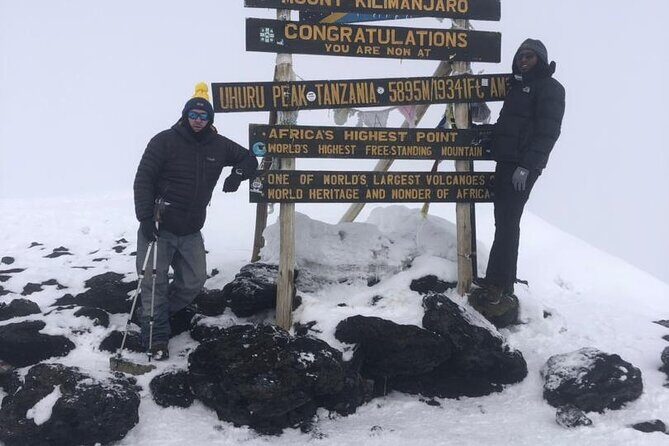
This trek is for people with moderate physical fitness. The walking times and altitude changes make it clear: you’re not expected to be a marathon runner, but you do need endurance for long days and steep segments.
You’ll likely be a good match if:
- You want a route known for scenic value and better acclimatization through extra time
- You prefer structured support with professional guidance
- You appreciate a team that manages details like oxygen monitoring and camp meals
You might rethink if:
- Long days like Day 7 (10–14 hours, very steep, possibly cold) would be a hard fit
- You don’t want to commit to planning your own personal gear and insurance
One encouraging theme in the feedback: older climbers have succeeded with this route, including an account of a 73-year-old completing the ascent via Lemosho. That doesn’t mean it’s easy, but it does suggest that with the right pacing and support, the climb can be realistic for determined hikers.
Practical tips to make Lemosho feel easier
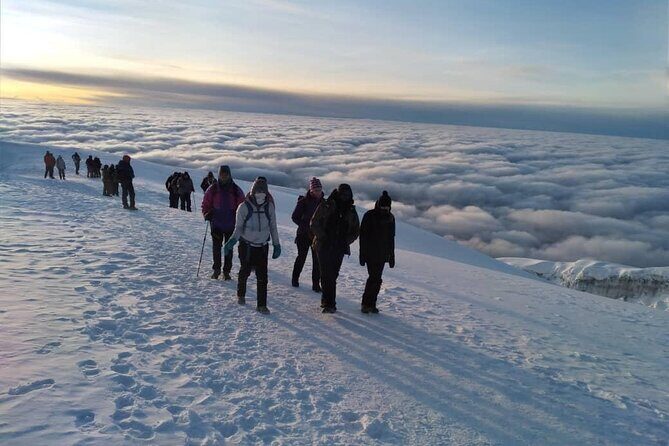
You can’t control the altitude. But you can control how you respond to it.
- Keep your pace boring on acclimatization days. Faster isn’t smarter at altitude.
- Hydrate like it matters. Your included drinking water helps, but you still need to drink consistently.
- Layer for cold, especially on Day 7. The summit day is described as possibly cold.
- Use your oxygen tools and report symptoms early. Oxygen support is included, and that’s a reason to communicate quickly.
- Listen to your guide even when you feel fine. Guides Davis, Joy, Geopron, Francis, Robert, Herick, and others are repeatedly linked to careful management and summit-focused support.
Finally, bring a flexible mindset. Kilimanjaro has its own schedule, and the best experiences tend to be the ones where you stay calm and follow the plan.
Should you book the 8-day Lemosho climb with Nyange?
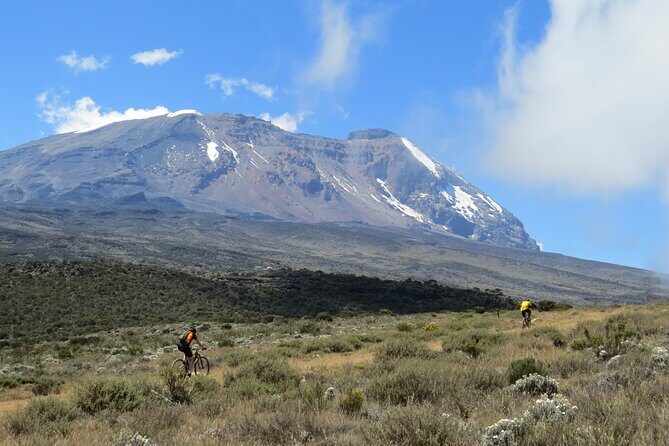
I’d book it if you want a well-structured route that favors acclimatization time, plus a team setup that handles meals, camping gear, park fees, transport, and even oxygen support.
This is also a strong choice if you care about the human side of mountain travel—guides who support individual needs, a chef team that takes food seriously, and porters who help keep the operation running smoothly. The feedback around safety, respect, and being taken care of is a big deal on a climb where weather and altitude can change how you feel hour to hour.
Pass on it (or ask tough questions first) if you know you struggle with long, very steep summit-day efforts or if you’re not ready to budget for tips, insurance, and your personal climbing gear.
If you’re aiming for Uhuru Peak via the Lemosho route and want the mountain journey handled end-to-end, this package is the kind that lets you focus on the one job that matters: staying steady, staying safe, and getting to the top.
FAQ
How long is the Mt Kilimanjaro climb on the Lemosho route?
The trek runs for about 8 days, with 7 nights on the mountain and a final descent to the Mweka Gate on Day 8.
What does the $3,500 price include?
It includes all park fees, camping facilities (tent, mattresses, mess tent), three meals a day, 7 nights accommodation, drinking water, an oxygen cylinder and ox meter, a professional guide, and transport to and from the gate plus hotel pickup and drop-off.
What is not included in the tour price?
Not included are tips for the team, personal mountain climbing gear and equipment, pre/post accommodation and airport transfers (though booking is available on request), and travel insurance.
What time does the trek start?
The meeting time is 8:00 am.
Is oxygen support provided during the climb?
Yes. An oxygen cylinder and an ox meter are included.
Is this a group tour or private?
It’s described as a private tour/activity, so only your group participates.
What is the cancellation policy if plans change?
Free cancellation is available up to 24 hours in advance for a full refund. Cancel less than 24 hours before the experience’s start time and the paid amount is not refunded. Cut-off times use local time.