REVIEW · ARUSHA
7 days Kilimanjaro climb via Machame route (Whiskey route)
Book on Viator →Operated by Serengeti African Tours · Bookable on Viator
Kilimanjaro via Machame is pure work. This 7-day climb through Kilimanjaro National Park is the most popular route for a reason: the scenery changes fast, and the trail keeps you moving. You start from Arusha’s elevation, climb through rain forest and moorland, then spend multiple days high on the mountain before the summit push from the crater rim.
What I liked most is the human side of it. The team behind Serengeti African Tours puts real focus on getting you to the top, and the names I kept hearing in people’s feedback—Lucas, James, and Gasto—show up as the kind of leaders who answer questions, pace the group, and keep morale up when altitude gets rude.
The second thing I really appreciated is how logistics are handled once you’re on the mountain: waterproof four-season private tents, purified drinking water, and big camp meals served from proper mess tents. The one drawback: Machame (the Whiskey route) is steep and demanding, and the itinerary is on the shorter side—so if you’re not already comfortable with hard hiking or altitude, you’ll feel it.
In This Review
- Key Highlights From the Machame (Whiskey) Experience
- Why Machame (Whiskey Route) Feels Like the Real Kilimanjaro
- The Big Question: How Hard Is It, Really?
- Price and Logistics: What You’re Paying For
- Day 1: From Arusha to Machame Gate and Rain-Forest Start
- Day 2: Forest to Moorland, Shira Plateau at 3,840m
- Day 3: Lava Tower Day, Semi-Desert Scramble, Then a High-Altitude Descent
- Day 4: Great Barranco Wall and Karanga Valley Acclimatization
- Day 5: Barafu at 4,550m, Wind, Rocks, and the Last Water Stop
- Day 6: Summit Night From 23h30 to Stella Point and Uhuru Peak
- Day 7: Celebration, Certificates, and the Walk Down to Mweka Gate
- What These Camps and Services Mean for Your Comfort
- Who This Tour Fits Best (and Who Should Consider Another Option)
- Should You Book Serengeti African Tours for the Machame (Whiskey) Route?
- FAQ
- How long is the Kilimanjaro Machame climb?
- Where does the climb start?
- How hard is the Machame (Whiskey) route?
- What’s the summit-day plan?
- Are meals included in the price?
- Are park fees and rescue fees included?
- Do I need to pay tips separately?
- What sleeping setup do you get?
- How big is the group?
- Is free cancellation available?
Key Highlights From the Machame (Whiskey) Experience
- Machame is the classic choice: popular for scenic variety, but also legitimately tough.
- Team support matters: guides like Lucas, James, and Gasto are repeatedly credited for summit-focused coaching.
- Camps are set up for comfort: waterproof four-season private tents and mess tents with tables and chairs.
- Food and hydration stay consistent: large portions of nutritious meals plus clean, purified drinking water.
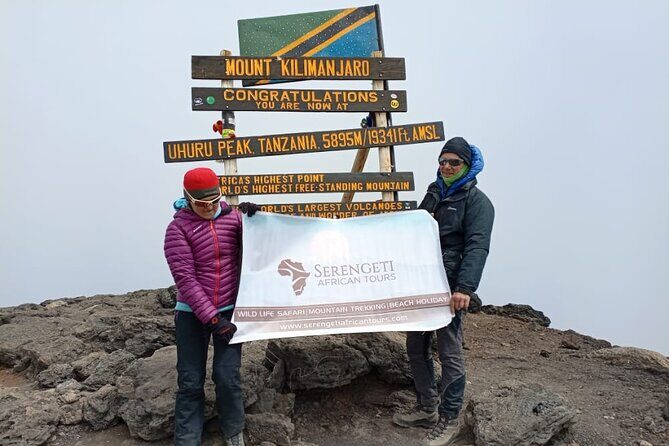
- The high point is Stella and Uhuru: sunrise stop at Stella Point, then the final push to Uhuru Peak.
- Recognition on summit success: green certificates for Stella Point and gold for Uhuru Peak.
Why Machame (Whiskey Route) Feels Like the Real Kilimanjaro
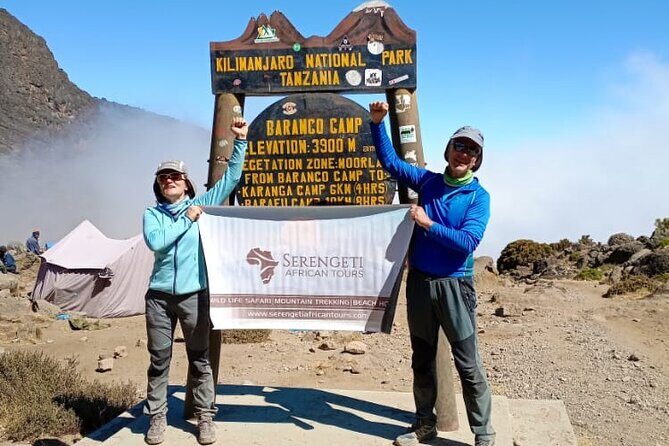
Machame earns its reputation because it doesn’t just climb. It progresses. One day you’re in thicker, wetter forest conditions; then you’re in moorland; then it turns to semi-desert, rock, and exposed ridges. That change keeps things interesting because your body can’t get too comfortable.
The Machame route is also often called the Whiskey route, and the nickname fits. This climb has a pace that can feel like it’s testing your limits the whole way, then asking for one last hard effort at night.
From a value point of view, this package tries to remove the guesswork. At $2,300 per person, you’re not just paying for the permit and some walking. You’re paying for guides, camps, meals, park and rescue fees, and the camp setup that keeps you from dealing with cold, basic logistics alone. The non-included items (like tips and personal gear) are normal for climbs of this type.
A few more Arusha tours and experiences worth a look
The Big Question: How Hard Is It, Really?
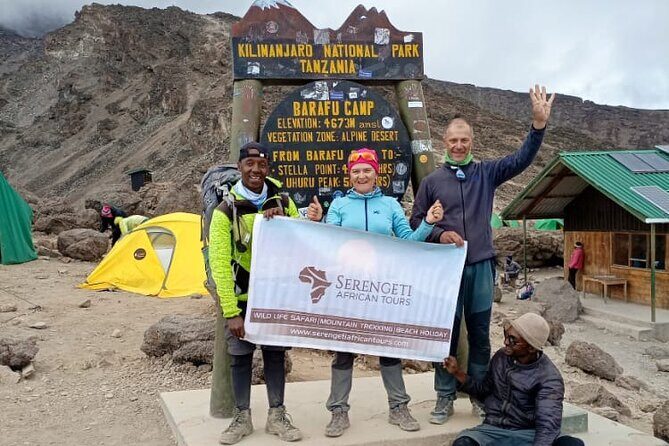
Here’s the honest answer: Machame is difficult. The schedule is relatively tight, and the trail has steep sections plus rocky scree. Even if you hike regularly, you still need to respect altitude. Your breathing slows, your sleep can get worse, and your energy can drain faster than you expect.
The itinerary also includes an unusually tough day at the Lava Tower area, and the summit night starts around 23h30. That means you’re not just hiking uphill—you’re doing a long, cold, mentally demanding ascent after a short rest.
If you’ve got a moderate fitness base and you’ve done high-elevation trekking before (or you’re at least comfortable with steep hikes), you’ll likely do better. If you’re coming in green, you’ll have to rely heavily on pacing, hydration, and your guide’s ability to manage your effort.
Price and Logistics: What You’re Paying For
Let’s break down the $2,300 per person price in practical terms.
Included essentials:
- Guides and camp staff (professional mountain guides; a full support team that includes porters and cooks)
- All park fees and rescue fees
- All meals on the mountain (7 breakfasts, 7 lunches, and 6 dinners)
- Camp comfort: quality waterproof four-season private mountain sleeping tents and mess tents with table and chairs
- Clean water: purified drinking water
- Ethical porter treatment is explicitly included
Not included:
- Tips
- Flights
- Personal climbing gear
So what does that mean for your wallet? It usually means fewer surprises. You don’t need to price out camp meals, tents, park/rescue fees, and the core trekking support separately. You can also plan your packing with less stress because the important equipment and supplies are handled by the team—what you bring should focus on your personal comfort and safety.
Also note the group size: up to 16 travelers. For Kilimanjaro, that’s helpful because it keeps you from being stuck in an overly crowded herd on narrow sections.
Day 1: From Arusha to Machame Gate and Rain-Forest Start
You’ll start in Arusha (around 1,400m) after breakfast, then ride to Machame Village. From there, road conditions decide whether you continue by vehicle to the gate or do a muddy 3 km walk that takes about an hour.
Then you register at the Machame gate and start ascending almost immediately into rain forest. Here’s a key reality: this area can be wet. If rain shows up, the trail can get soggy, muddy, and slippery, so trekking poles and good grip matter. The day includes a welcome lunch stop about halfway, then you reach camp.
What this day is best for:
- Getting your legs moving without committing yet to summit-level altitude stress
- Learning your pace and your hiking rhythm before the mountain gets serious
What can trip you up:
- Wet footing and sloppy trail conditions. It’s not just annoying; it affects how efficiently you climb.
Day 2: Forest to Moorland, Shira Plateau at 3,840m
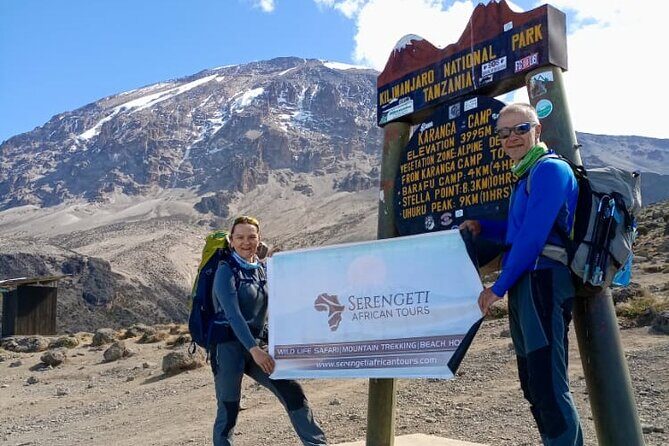
Day 2 starts from Machame camp after breakfast with a climb for about an hour through forest, then a longer gentler stretch through moorland. This is where Machame gives you one of the route’s big advantages: the scenery shifts while your body gradually climbs.
You’ll work your way up to a rocky ridge and then onto the Shira plateau, reaching Shira campsite at 3,840m. As you climb, you may catch views to the east, including the Western Breach with glaciers. Even if you don’t see everything perfectly, the direction and timing are set up for those “wait, that’s really Kibo” moments.
Camp temperatures can drop fast. Dinner is served after staff boil water for drinking and washing, and the night can get colder than the previous one, with temperatures dropping below freezing.
Practical takeaway:
- You’ll be tired, but don’t treat this day as a victory lap. Your goal is controlled effort and steady breathing.
Day 3: Lava Tower Day, Semi-Desert Scramble, Then a High-Altitude Descent
This is often the toughest day so far. You move through semi-desert rocky terrain around Lava Tower, reaching about 4,630m after roughly five hours of walking. After lunch, you ascend the rocky scree path to Lava Tower (4,630m).
The mental warning here matters: altitude symptoms like breathlessness, irritability, and headaches can start around this point. That doesn’t automatically mean you’re in trouble, but it does mean you must tell your guide and keep your pace conservative.
Then the route turns acclimatization-smart. You descend around 680m toward the Barranco camping area, ending the day at roughly 4,600m. This down-then-up thinking helps your body absorb altitude more effectively without burning you out completely.
Why this design matters:
- A harsh climb straight to summit would be more likely to knock people flat. This section helps your acclimatization plan work.
Big advice:
- If you feel headachy, don’t push to prove something. Your guide’s job is to get you safely forward.
Day 4: Great Barranco Wall and Karanga Valley Acclimatization
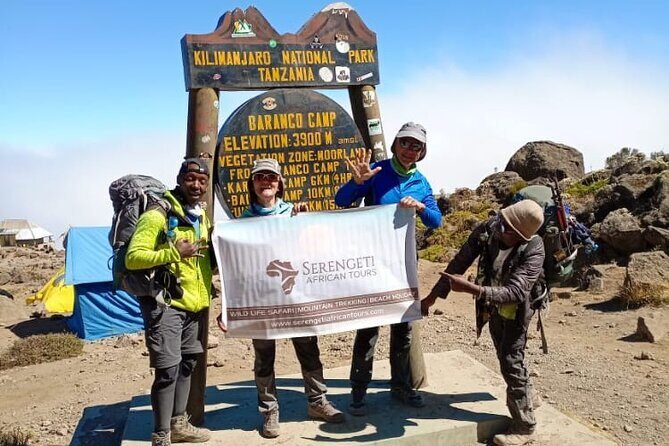
Day 4 is built around a classic challenge: the Great Barranco Wall. At first glance, it can look intimidating, but this climb is described as Class 2 and often easier than people expect. From the top, you may get views of the Heim Glacier and you can be above the clouds.
After that, the trail continues with up-and-down walking in the Karanga Valley. This is the sweet spot day. You’re still high, but the route is more about controlled effort and acclimatization rather than extreme altitude gains.
Why I like this day for the nervous climber:
- It gives you traction and confidence. If you’ve been struggling, it’s a day where you can feel progress without the same brutal climb pressure.
Day 5: Barafu at 4,550m, Wind, Rocks, and the Last Water Stop
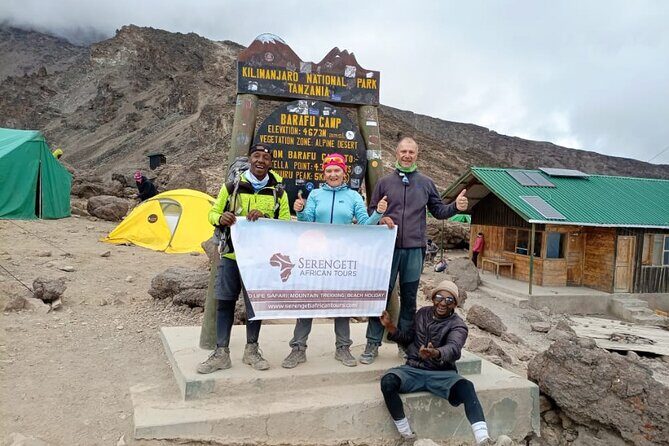
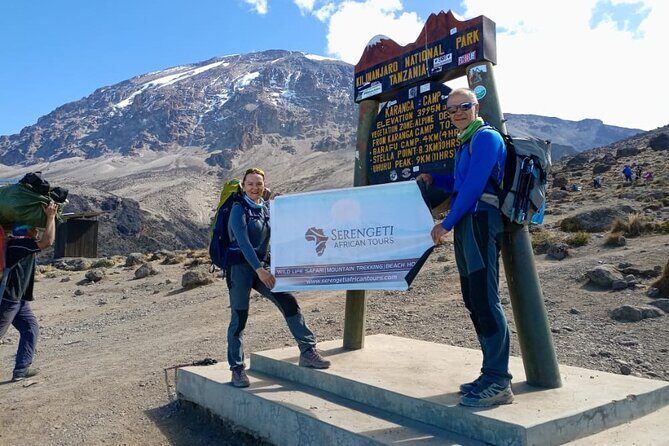
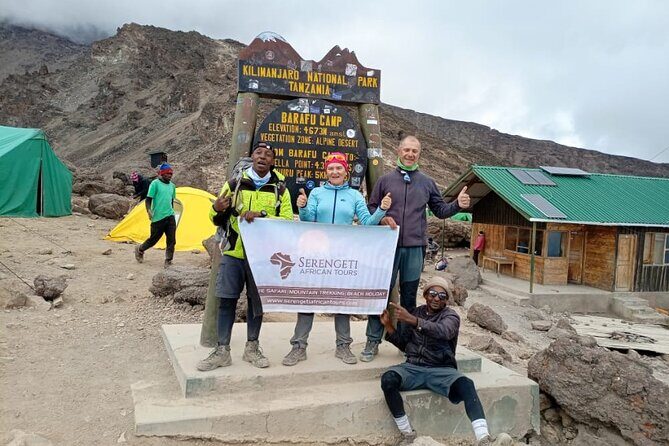
This is where the mountain starts feeling serious in a different way. You leave Karanga Camp (3,959m) and you’ll intersect with the Mweka Route, which is also used on the descent in the final days. After about an hour you reach Barafu Hut, and then continue to Barafu Camp at 4,550m.
Important note about water: Barafu is the last water stop for the porters because there’s no accessible water at Barafu Camp. That’s why planning hydration matters on this day. Don’t wait until you’re thirsty.
The camp sits on a rocky exposed ridge. It’s windy, and tents can be battered by gusts and rocks if you’re not careful. You’ll want to get familiar with your tent setup before dark. An early dinner is served so you can rest and get ready for summit night.
What to expect emotionally:
- You’ll feel the switch from climbing to preparing. It’s normal for your body to resist this transition.
Day 6: Summit Night From 23h30 to Stella Point and Uhuru Peak
The summit push begins around 23h30. You’ll have tea and biscuits, then start in the dark heading north-west, climbing heavy scree toward Stella Point on the crater rim.
Many climbers find this the most challenging part of the route—both mentally and physically. The good news is that you’re following a route with a clear goal: Stella Point at 5,685m, where you stop briefly.
Then, if weather allows, you’re rewarded with one of the best sights you’re likely to see: sunrise. From Stella Point, it’s normally about a two-hour push to Uhuru Peak (5,895m), and snow can be present along the way.
When you reach the summit, you don’t spend forever. Weather and wind decide how long you should linger. Your job is to stay safe, keep warm, and move efficiently.
Practical summit mindset:
- Go slower than you think you need. The altitude will make fast feel like a fight.
Day 7: Celebration, Certificates, and the Walk Down to Mweka Gate
After a well-deserved breakfast, the staff celebrate with dancing and singing. This is one of those moments that makes the climb feel shared rather than purely suffering.
Then you hand over tips to your guide, assistant guides, chefs, and porters. Even if tips are not included in the trip price, this is where the whole team gets recognized in a way that feels respectful and earned.
You descend back to Mweka Gate (about a three-hour descent), then the park requires a name-signing step to receive completion certificates. The color matters:
- Green certificates if you reached Stella Point
- Gold certificates if you reached Uhuru Peak
After certificates, you continue down into Mweka village for about an hour (around 3 km), then return toward the meeting point.
What day 7 is best for:
- Making your legs feel like they still work, not just your lungs.
What These Camps and Services Mean for Your Comfort
This climb includes several “small” things that add up to big comfort.
Private four-season tents mean you’re not sharing your sleeping space with strangers in freezing conditions. Mess tents with table and chairs help you eat and dry out your gear in a more stable way. Purified drinking water reduces the worry about basic hygiene when you’re moving through remote high camps.
Food is also handled in a structured way: large portions of fresh, healthy, nutritious meals, with all meals covered. That matters because under-eating is one of the quiet reasons people struggle with summit night. You need calories even when you don’t feel hungry.
And the ethical porter treatment is specifically included. That’s not just a moral point; it usually means better camp stability and more consistent support for your daily schedule.
Who This Tour Fits Best (and Who Should Consider Another Option)
This Machame 7-day climb via Serengeti African Tours is a strong match if:
- You enjoy hard hiking and can handle steep trail sections
- You’re comfortable with trekking at altitude and you can follow pacing advice
- You want a classic route known for scenery changes, not a gentle stroll
- You like having a full team working with you each day (guides, cooks, porters) so you can focus on the hike
It may be a tougher fit if:
- You’re new to altitude and haven’t done serious elevation trekking before
- Your schedule is inflexible and you can’t slow down for acclimatization
- You struggle with cold or exposed wind at high camps
If you’re unsure, the best move is to be honest about your fitness and any altitude history. Machame rewards good listening.
Should You Book Serengeti African Tours for the Machame (Whiskey) Route?
I’d consider booking this climb if you want the classic Machame experience with built-in support and fewer missing pieces. The combination of professional guides, camp comfort (private four-season tents and mess tents), full meals, purified drinking water, and the fact that park and rescue fees are included makes it feel like a complete package rather than a barebones trek.
I’d also say yes if you value team quality. People highlight summit support and friendly, dedicated guides—names like Lucas, James, and Gasto come up for a reason. That kind of steadiness matters most on the hard days: Lava Tower and summit night.
But I wouldn’t book this casually. Machame is demanding, with cold nights and a real summit push that starts around 23h30. If you’re prepared to work, pace carefully, and respect altitude, this route can give you a serious life accomplishment.
FAQ
How long is the Kilimanjaro Machame climb?
It’s scheduled for about 7 days, with walking and camp nights across the Machame route and a summit attempt.
Where does the climb start?
The climb starts in Arusha, Tanzania, with pickup offered, and it ends back near the meeting point.
How hard is the Machame (Whiskey) route?
The Machame route is considered difficult, steep, and challenging, especially because the itinerary is relatively short.
What’s the summit-day plan?
The summit push happens on the sixth day, starting around 23h30 for the ascent to Stella Point and then onward to Uhuru Peak, with sunrise typically at Stella Point if weather allows.
Are meals included in the price?
Yes. All meals on the mountain are included: 7 breakfasts, 7 lunches, and 6 dinners.
Are park fees and rescue fees included?
Yes. The price includes all park fees and rescue fees.
Do I need to pay tips separately?
Yes. Tips are not included, and you’ll present tips during the celebration on the final day.
What sleeping setup do you get?
You get quality waterproof four-season private mountain sleeping tents.
How big is the group?
The tour has a maximum of 16 travelers.
Is free cancellation available?
Yes. You can cancel for a full refund if you cancel at least 24 hours before the experience start time.