REVIEW · MOSHI
Kilimanjaro Climbing 6 Days Marangu Route
Book on Viator →Operated by Habari Adventure · Bookable on Viator
Kilimanjaro feels close up on this trek. This Marangu Route lays out a 6-day attempt with 4 days up and 2 days down, aimed at people who want a steadier rhythm toward the top of Africa’s famous peak.
What I like most is the way Habari Adventure runs this climb as a true team effort, with guides, porters, and a chef who help keep things organized from morning prep to meals. I also like that Marangu is the trek people often choose for the chance to sleep in huts rather than only in tents.
The main consideration is simple: you need strong physical fitness, because you’re hiking for 6 days total, and half of that time is spent going higher.
In This Review
- Key highlights if you’re choosing this Kilimanjaro 6-day Marangu trek
- Kilimanjaro on the Marangu Route: the 6-day structure that matters
- What makes Marangu a smart choice for many people
- Getting started in Moshi: pickup, the airport meet, and the first timeline
- Practical advice for day one
- Days 1–4: the 4-day climb phase and how to pace it
- What you’ll notice on the way (beyond big views)
- Day 5–6: the two-day descent that helps you land safely
- A simple goal for the final days
- The team makes or breaks Kilimanjaro: what Habari Adventure gets right
- Manager support you can actually reach
- Why this is value, not just comfort
- Tents vs huts on Marangu: what to confirm before you go
- Wildlife on Kilimanjaro: monkeys and tree hyrax you can actually look for
- Private transport and a private group: how that changes your day
- Price and value: what $2,000 covers and what you still have to plan
- What’s not included
- Who should book this Kilimanjaro 6-day Marangu trek?
- The quick decision guide: should you book Habari Adventure for Marangu?
- FAQ
- Where does the trek start?
- What’s the ticket redemption point?
- How long is the Kilimanjaro climb on this route?
- Is pickup included?
- What’s included in the tour price?
- Are flights included?
- Is this a private tour?
- What fitness level do I need?
- Is there free cancellation?
Key highlights if you’re choosing this Kilimanjaro 6-day Marangu trek
- A clear 4 days up / 2 days down schedule that avoids the too-rushed feel of shorter itineraries
- Private group experience where you and your crew set the pace with your team
- Support staff you’ll actually notice, including guides, porters, and a chef
- Hut-focused Marangu preference, with the practical option of tents also mentioned in what’s included
- Wildlife sightings on the trail, including monkeys and tree hyrax
Kilimanjaro on the Marangu Route: the 6-day structure that matters
Kilimanjaro is one of those trips where the schedule does real work for you. This 6-day Marangu plan gives you a longer stretch of time on the mountain, with 4 days going up and 2 days coming down. That balance matters because it affects how you manage effort day to day.
I like that the route isn’t sold as a fast challenge. You’re trading speed for a more controlled pace, which is exactly what you want on a climb where weather and fatigue can swing quickly. On this plan, you get time to settle into the routine: wake up, gear up, walk, rest, repeat.
A few more Moshi tours and experiences worth a look
What makes Marangu a smart choice for many people
Marangu is often picked because it’s more “hike-based” than some other routes, and it’s commonly associated with hut-style sleeping rather than only tent camping. If you’ve heard people talk about wanting huts on Kilimanjaro, that’s the Marangu draw. With this operator, the goal you’ll be aiming for is a guided, staffed summit attempt, not a DIY mountain vacation.
Getting started in Moshi: pickup, the airport meet, and the first timeline
You start with a timed plan, which makes your first day feel more controlled. The official start is 8:00 am at Kilimanjaro Airport, and there’s pickup offered as part of what you can request/receive. You also redeem your ticket at Adili Street in Tanzania, so it helps to plan to be in the right place before you head out.
This matters more than it sounds. When you’re spending several days at altitude, you want fewer unknowns on day one. Arriving early, keeping your documents tidy, and being ready to move at the scheduled time all help your team focus on the climb.
Practical advice for day one
I’d treat the first morning like a boarding day, not a sightseeing day. Keep your bag contents simple, confirm where you should be at the 8:00 am start, and make sure you can access what you need immediately (not buried somewhere deep in your pack).
Days 1–4: the 4-day climb phase and how to pace it
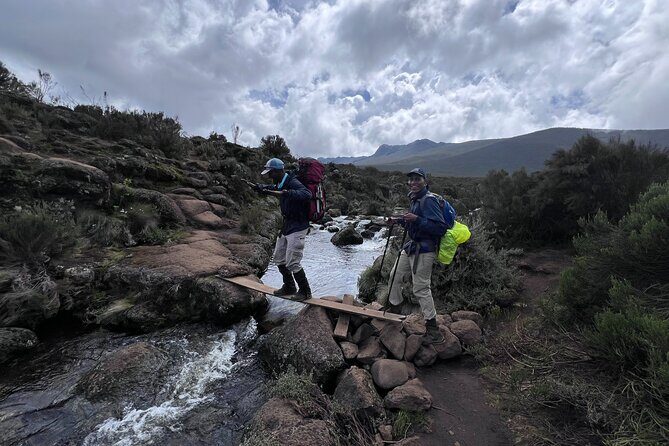
The plan is built around 4 days up, which changes the vibe of the whole trek. Instead of going from “low and easy” straight into “very hard,” you get multiple uphill days in sequence. That’s where good guidance makes a big difference.
I love how this kind of structure helps you listen to your body. Even if every day feels like work, you can manage effort better when you’re not forced into a single brutal push. The guide team also matters here, because they set expectations and keep the group moving with a rhythm that works for your group.
What you’ll notice on the way (beyond big views)
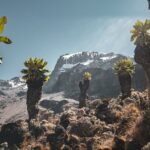
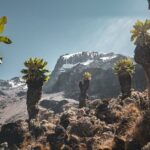
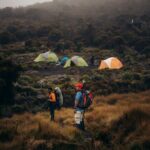
This trek isn’t only about altitude. You’ll also be watching the trail environment and looking for animal life. The route is known for sightings such as monkeys and tree hyrax. If you enjoy small, real moments—like catching movement on the edge of the path—this is the kind of climb that can reward you.
And since you’re hiking multiple days in a row, those wildlife sightings become part of your mental reset. They help break the climb into something more than hours of footstep counting.
Day 5–6: the two-day descent that helps you land safely
Then the plan shifts to 2 days down. That’s important, because descending can feel deceptively hard. Your legs do a lot of braking, and fatigue stacks up when you’ve already spent days climbing.
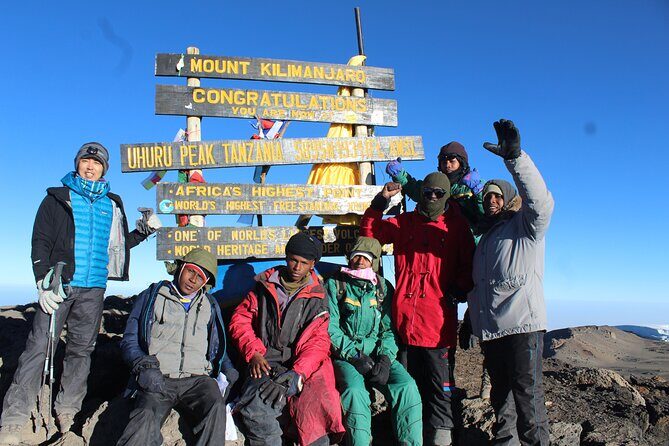
I like that the trek doesn’t end the same day you reach your highest point. That extra time gives you room to finish the hike more comfortably and keep your footing under control. The guide team’s job here is as much about safe walking and morale as it is about direction.
A simple goal for the final days
You don’t need to hero-walk to feel successful. Your win is getting down with good energy, good balance, and a clear head. If the final two days feel slower than you expected, that’s normal. Stick with the pace your team recommends and keep your focus on clean steps.
The team makes or breaks Kilimanjaro: what Habari Adventure gets right
On Kilimanjaro, you’re not just paying for a route. You’re paying for how your experience is managed, especially at the moments when you’re tired, worried, or simply cold.
The most praised aspect of Habari Adventure in the feedback is the people. Guests highlight a strong team of guides, porters, and a chef, and they describe the hike as made enjoyable by that whole support system working together. That’s a big deal, because a good team reduces the mental load. You spend more time focusing on walking and less time worrying about the logistics.
Manager support you can actually reach
One review also points to manager Stan being responsive, including answering calls even in the morning. I take that as a sign the operator cares about communication, which is exactly what you want when you’re operating in remote conditions and your questions can’t wait.
Why this is value, not just comfort
Guides and porters aren’t “extras” on Kilimanjaro. They help with pacing, problem-solving, and the smooth running of camp life. When people describe the food as varied and delicious, they’re telling you the chef role is real, not just a line item.
If you’re looking for an experience that feels organized and human, this is where the operator seems to earn trust.
Tents vs huts on Marangu: what to confirm before you go
Here’s the one place where you should be a careful reader. The trip details list tents as included, but Marangu is also described by guests as a route where they booked specifically for staying in huts rather than tents.
So what should you do? Ask the operator to confirm what shelter you’ll use on each night. If you’re expecting huts, get that in writing. If you’re okay with tents too, confirm what “tents included” means for your group and which nights are hut nights versus tent nights.
This isn’t nitpicking. It affects warmth, comfort, and how you plan your sleep gear. You don’t want surprises when temperatures drop at altitude.
Wildlife on Kilimanjaro: monkeys and tree hyrax you can actually look for
If you like animals, you’ll appreciate this climb’s bonus layer. The route information includes sightings of primates, with monkeys and tree hyrax mentioned as possibilities.
Keep your eyes up but your steps steady. When you see movement near the trail edges, pause safely and enjoy the moment. On a long multi-day climb, these small wildlife sightings can make the experience feel fuller than just a summit goal.
Private transport and a private group: how that changes your day
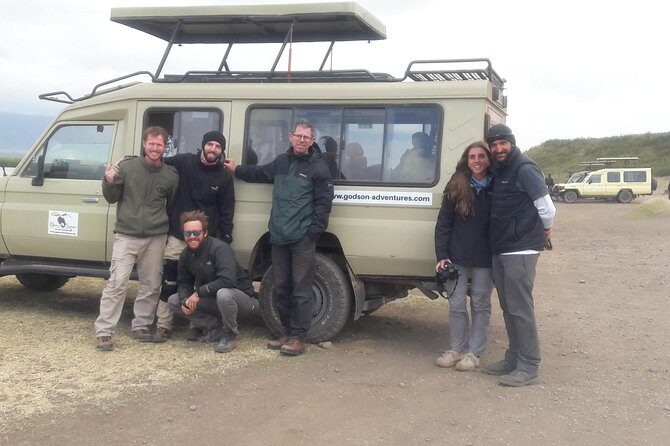
This is a private tour/activity, meaning only your group participates. That matters because group size shapes how much flexibility your guide has with pacing, questions, and small adjustments.
It also pairs well with the “team” style Habari Adventure is praised for. When you’re not competing with lots of strangers for attention, your guide and porters can focus more directly on your needs. You’ll likely feel the difference most during the slower parts of the day, when you need reassurance or clarification.
And with private transportation included, you avoid the hassle of coordinating separate shuttles while you’re getting ready for a multi-day trek.
Price and value: what $2,000 covers and what you still have to plan
At $2,000 per person, this isn’t a budget gamble. The value is in what’s included and what guests consistently credit: the staffed support and how smoothly the experience runs.
From the trip details, you get tents, all fees and taxes, and private transportation. From the feedback, you also see strong praise for the operational team: guides, porters, and a chef. That “whole system” is usually the difference between a stressful hike and one you can enjoy.
What’s not included
Flights are not included, so you’ll need to budget that separately. Also, because the shelter setup may involve huts and/or tents, I’d treat “included” as something to confirm night-by-night, especially if you care about sleeping arrangements.
If you price out what it actually costs to run a professional multi-day climb with a support crew, $2,000 can start looking less like a flat fee and more like the cost of safety, organization, and day-to-day care.
Who should book this Kilimanjaro 6-day Marangu trek?
This trek fits best if you:
- Want a guided climb and value a strong support team
- Have strong physical fitness, since the hike spans 6 days
- Prefer the Marangu approach and like the idea of hut-style sleeping (but confirm the exact setup)
- Appreciate personal attention, since it’s a private group
If you’re new to high-altitude treks, still go only if your fitness and preparation are solid. The mountains don’t care about optimism.
The quick decision guide: should you book Habari Adventure for Marangu?
I’d book this if you want a well-staffed, private Kilimanjaro attempt with a team people trust, plus the comfort of a Marangu-style experience that’s often chosen for huts. The best clues are repeated mentions of the guide, porter, and chef effort, and the feeling that everything is handled with care.
I would hesitate if your fitness is shaky or if you’re counting on a lot of certainty about sleeping arrangements without confirming. Also, since flights aren’t included, make sure your total budget is realistic before you commit.
If you want Kilimanjaro with fewer unknowns and more human support, this is the type of operator to consider.
FAQ
Where does the trek start?
The start is at Kilimanjaro Airport, with a start time of 8:00 am.
What’s the ticket redemption point?
The ticket redemption point is on Adili Street, Adili St, Tanzania.
How long is the Kilimanjaro climb on this route?
It’s listed as a 6-day trek, with about 4 days hiking up and 2 days hiking down.
Is pickup included?
Pickup is offered, and private transportation is included.
What’s included in the tour price?
The details list tents, all fees and taxes, and private transportation.
Are flights included?
No, flights are not included.
Is this a private tour?
Yes. It’s a private tour/activity, and only your group will participate.
What fitness level do I need?
You should have a strong physical fitness level.
Is there free cancellation?
Yes. You can cancel up to 24 hours in advance for a full refund.