REVIEW · MOSHI
6 Days Kilimanjaro Climbing Marangu Route
Book on Viator →Operated by Furaha Adventures · Bookable on Viator
Kilimanjaro feels close on the Marangu Route. This 6-day climb is popular for a simple reason: hut accommodation along the way keeps the experience structured and easier to plan. I also like how the route moves you fast from rainforest mud and trees into big alpine views, with a real summit day payoff. A possible drawback to plan for: you’ll deal with mud, cold mornings, and steep wet descents, especially at the start and near the finish.
What I like most, though, is the human side of the trek. On this kind of climb, good support is everything—your guides, porters, and cook team (and contacts like Godfrey, who’s been praised for helping from booking through the last day) make the difference between stress and steady progress. If you’re expecting a calm, quiet hike, remember the Marangu Route is the mountain’s best-known corridor, so it runs like a well-used highway.
In This Review
- Key things that make this Marangu trek work
- Marangu Route on Kilimanjaro: huts, pace, and the famous “Coca-Cola” nickname
- Moshi to the park gate: how the day 1 start sets your expectations
- Mandara Huts: the rainforest-to-mountain switch in one long day
- Day 2 into Horombo: giant lobelias, moorlands, and Mawenzi views
- Day 3 at Horombo: the acclimatization day you’ll be glad you have
- Day 4 toward Kibo Huts: the saddle moment and the “how steep is it?” lesson
- Day 5: midnight summit push to Uhuru Peak and the sunrise at Gillman’s Point
- Day 6 down to Moshi: certificates, crew goodbye, and wet trail reality
- Value and price: is $2,000 for a 6-day Marangu climb a good deal?
- Who this Marangu Route trek suits best
- Practical gear and trail advice for a smoother climb
- Should you book this 6-day Marangu climb with Furaha Adventures?
- FAQ
- How long is the Kilimanjaro Marangu route experience?
- Where does the tour start and how do you get to the mountain area?
- Does the route use hut accommodation?
- When is the summit push started?
- What meals and water are included?
- What about park fees and the guide/porter setup?
- What should I bring for the trail conditions?
- Is this tour private?
- Can I cancel for a full refund?
Key things that make this Marangu trek work
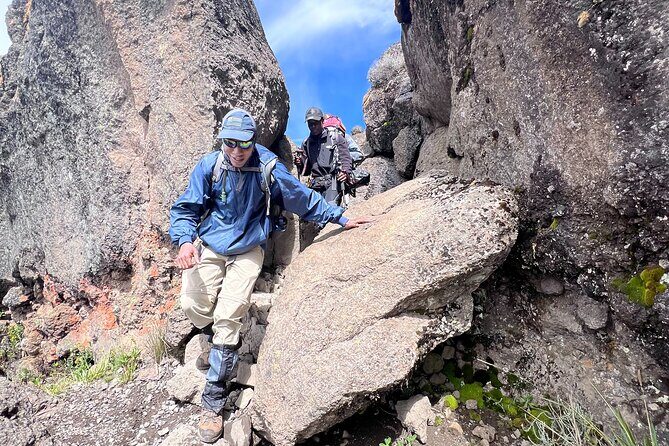
- Hut nights on the Marangu Route: you sleep in designated mountain huts at Mandara, Horombo, and Kibo
- A full acclimatization day at Horombo: built-in time to rest or hike toward Mawenzi base camp
- A midnight-to-dawn summit push: the hardest part starts between midnight and 2 a.m., then you chase sunrise at Gillman’s Point
- Staying powered by included meals and purified water: breakfast, lunch, dinner across all trek days
- A crew-led, safety-first experience: guides and porters are part of what you’re paying for, not an add-on
Marangu Route on Kilimanjaro: huts, pace, and the famous “Coca-Cola” nickname
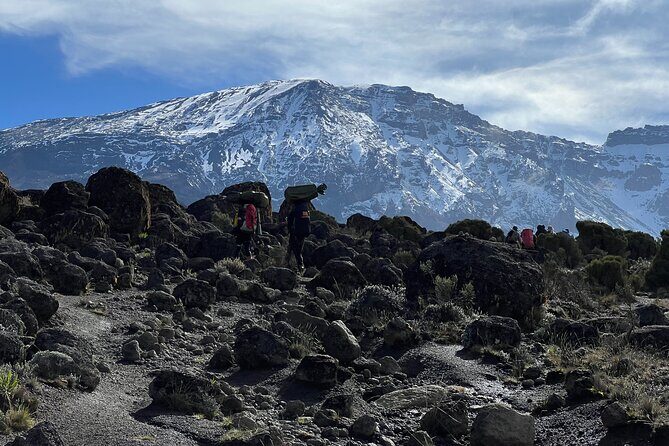
The Marangu Route—also called the Coca-Cola Route—is Kilimanjaro’s oldest and most established trekking path. The big practical difference is that it uses hut accommodation. That matters for you because it changes what you pack, how you manage your sleep, and how your trip feels day to day.
It also shapes the rhythm of your climb. You’re not constantly thinking about camp setup; instead, your energy goes into moving, acclimatizing, and preparing for the summit night. Still, this is a popular climb, so you should expect a well-trodden trail and a steady stream of other teams.
A few more Moshi tours and experiences worth a look
Moshi to the park gate: how the day 1 start sets your expectations
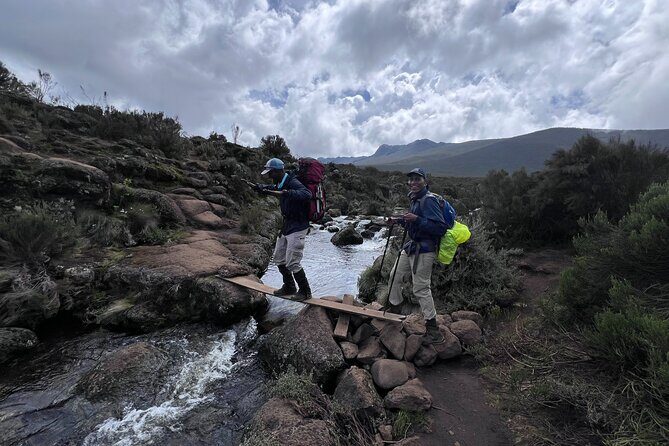
Your trip starts in Moshi, and you’ll drive about 45 minutes through villages (including the area toward Machame) to the Kilimanjaro National Park gate. This first leg is more than travel—it’s where permits get issued, you see the operation around you, and you get a quick sense of scale.
The low-elevation section is often the messy one. The trail at these heights can be muddy and slippery, especially with rainforest conditions, so you’ll want gaiters and trekking poles right away. If you wait until you’re already slipping, you’ll lose time and you’ll burn energy you’ll need later.
You move into a rainforest feel with plenty of green and wildlife interest. Your guide helps you read the plants—local flora and fauna are part of the walk, not background noise.
Mandara Huts: the rainforest-to-mountain switch in one long day
Day 1 runs from roughly 1905m to 2723m, with about 818m of altitude gained. You’re not going straight to thin air; you’re hiking long enough to feel your legs working while you still have lush surroundings.
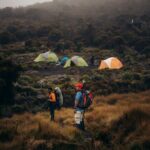
This is also where the Marangu Route’s personality shows up: steady forward motion, hut structure, and lots of trial-and-error avoided. You’ll reach Mandara Huts after around 5 hours on the trail, giving you a clear stopping point and a chance to settle before the bigger altitude shifts.
What to watch: the same rain that makes the rainforest beautiful can make the trail treacherous. If you keep your steps small, use poles, and avoid rushing, this day becomes your foundation instead of your fight.
Day 2 into Horombo: giant lobelias, moorlands, and Mawenzi views
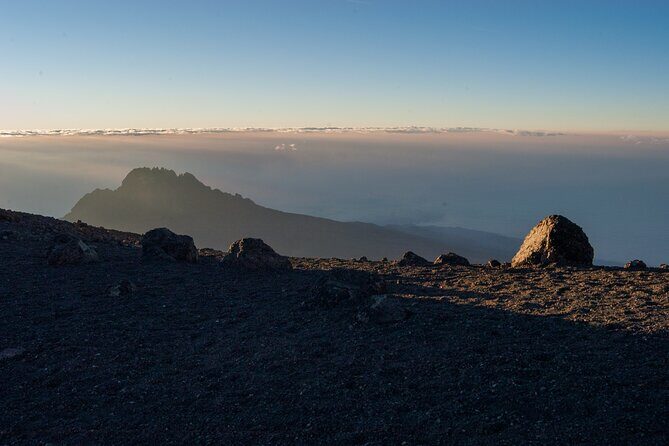
Day 2 climbs from about 2723m to 3721m, gaining roughly 998m. The transition is noticeable: you leave the rainforest and move into heathland and then open moorlands.
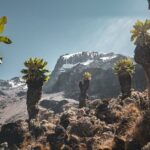
This is where you’ll likely start seeing the iconic Kilimanjaro ecology. You pass into zones where giant lobelias and groundsels show up, and the vegetation looks more like alpine scrub than tropical forest. It’s one of those changes you can feel in your lungs, too—air gets thinner and the cold starts creeping in.
There’s a lunch stop halfway with amazing views of Mawenzi, and that view is a real morale boost. By late afternoon you reach Horombo Huts beneath the Kibo summit viewpoint, and temperatures begin dropping again.
This day is a good reminder: the mountain doesn’t just get harder at the top. It gets colder and drier as you move upward, and you should dress like that’s already true.
Day 3 at Horombo: the acclimatization day you’ll be glad you have
Day 3 is a special one because you get options and time. You can rest at Horombo Huts, or you can stroll up toward Mawenzi base camp and return. The point isn’t sightseeing for fun—it’s giving your body time to adjust before the summit push.
This extra day supports acclimatization and helps you understand how Kilimanjaro weather shifts. At these elevations, you’ll notice your comfort depends on layers, wind, and how consistently you keep warm.
If you choose the shorter hike, keep it steady. Turn around when you feel you’re working too hard, not when you feel you’re bored. You’re training your pacing, not winning a side quest.
Day 4 toward Kibo Huts: the saddle moment and the “how steep is it?” lesson
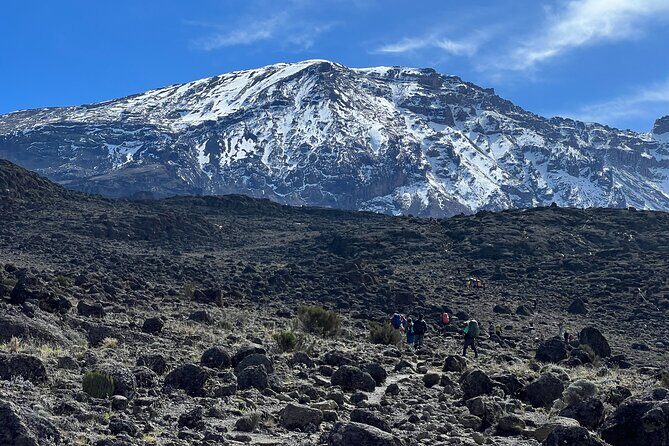
Day 4 climbs from about 3721m to 4714m, gaining roughly 993m. You move through heathland that blends into a moonscape, and you reach the saddle connecting Mawenzi and Kibo.
This saddle stop is a great mental marker. At lunch—and again when you cross that surprisingly wide connection—you get to examine the shape of the summit climb on Kibo that you’ll be starting in the coming hours. It’s one thing to hear that Kilimanjaro is hard. It’s another thing to look at the route line and realize it’s going to ask for patience.
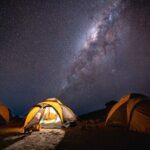
By the afternoon you reach Kibo Huts. This sets up your night start plan: you’re not sleeping in the middle of nowhere with hours of uncertainty. You’re staged for the summit run, with the right base height and the right preparation time.
Day 5: midnight summit push to Uhuru Peak and the sunrise at Gillman’s Point
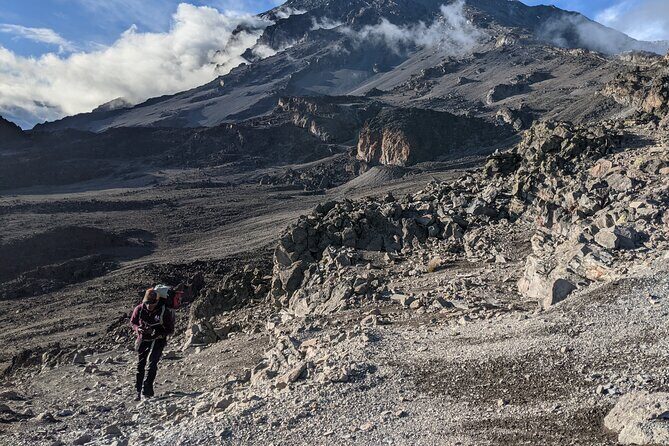
Day 5 is the day people talk about because it’s the hardest: you climb from around 4714m to 5895m, then you descend back down to about 3721m. Altitude gained is roughly 1181m, and then altitude lost is about 2174m—so yes, it’s a full-body long day.
You start between midnight and 2 a.m., and you’ll feel the cold and fatigue early. The climb uses switchbacks, and the pace is slow by design. This is where you’ll benefit most from good technique: firm footing, steady breathing, and not sprinting the first hour just because you feel motivated.
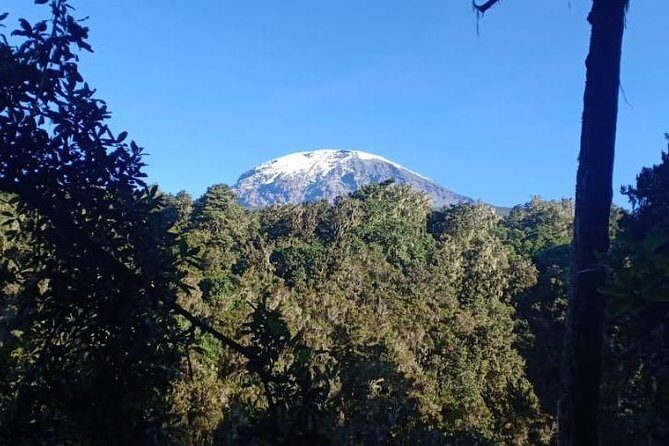
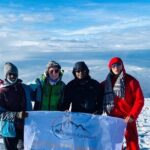
The trek reaches Gillman’s Point for sunrise. Summit views include Uhuru Peak, which is often only about an hour away from Gillman’s Point, and snow is possible at the top. That’s not a guarantee in your packet, but it’s a real part of the mountain’s look at dawn.
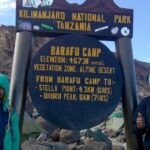
After you reach Uhuru Peak, you celebrate your achievement, then you move fast downhill to Mweka Camp, passing via Barafu. Descending steeply can feel worse than climbing if your body isn’t ready, so again: this is where gaiters and trekking poles help you stay stable instead of wobbling.
You sleep at Mweka Camp and rest hard. On summit days, recovery matters as much as the view.
Day 6 down to Moshi: certificates, crew goodbye, and wet trail reality
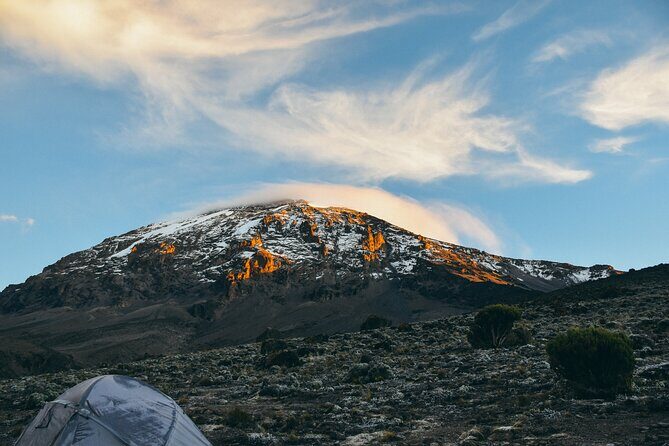
Day 6 drops from about 3721m back down to roughly 1905m, losing around 1816m. It’s a long descent, and the weather tends to feel warmer—often with wet, muddy, steep terrain.
You’ll start with a appreciation ceremony and team bonding with your crew. Then you continue downhill, stopping at Mandara Huts for lunch. This is also where you’ll say goodbye to the guides and porters since you’re leaving them at that point.
Don’t skip the practical part: tip your guides, cooks, and porters. The climb depends on their work behind the scenes, from carrying and cooking to keeping you safe in changing conditions.
At the Marangu Park Gate you receive your summit certificates, then a vehicle meets you and drives you back to Moshi, about 45 minutes away. You’ll likely want to linger over a hot shower, a big meal, and a moment where your body finally stops bracing for the next step.
Value and price: is $2,000 for a 6-day Marangu climb a good deal?
At $2,000 per person, the headline number is big. But what you’re getting helps you judge it fairly: the package includes all park fees, guides/porters/cook salaries, purified drinking water, and six breakfasts, six lunches, and six dinners.
It also includes airport transfers and professional, experienced mountain guides. On top of that, there are private sleeping tents listed in the package details, plus mountain sleeping gear protection language that suggests weather-proofing matters.
What’s not included is also clear: alcohol and soft drinks, plus tips and personal spending for souvenirs. For many hikers, the big decision is whether those omissions line up with your comfort level. If you already budget for gratuities and you prefer to keep drinks simple, the inclusions make the cost easier to stomach.
The fact that it’s a private tour/activity—only your group participates—can also improve value for people who don’t want a mixed crowd experience on a long, cold night. You still share the mountain, but the group dynamic can feel more controlled.
Who this Marangu Route trek suits best
This climb fits you if you want a route with hut accommodation and a structured plan that includes an acclimatization day. If you’re new to high-altitude trekking, or you know you’ll feel more comfortable with defined stopping points, Marangu is often the more approachable option.
It’s also a good match if you care about the mountain experience beyond just the summit. The trail offers shifts in ecosystem—rainforest to moorland to moonscape—and you’ll get chances to learn from your guide as you hike.
If you’re the type who hates cold starts, you should know day 5 begins between midnight and 2 a.m. You can prepare, but you can’t negotiate physics.
Practical gear and trail advice for a smoother climb
Based on the actual conditions you’ll meet here, plan for slippery and muddy sections. The route notes muddy trail and slippery conditions at lower elevations, and it also highlights wet muddy steep terrain near the end, so bring gaiters and use trekking poles.
Dress for temperature swings. Even in the daytime, you’ll feel the drop as you gain altitude, and sunrise hours can be brutally cold. Layering beats relying on one heavy jacket because the weather changes with altitude and wind.
And pace like you’re training your body, not just moving forward. The itinerary’s design gives you a buffer day at Horombo and stages for the summit night, so you should respect that structure with your effort level too.
Should you book this 6-day Marangu climb with Furaha Adventures?
I’d say book it if you want a classic Kilimanjaro route with hut nights, a thoughtful acclimatization day, and a team that takes care of logistics like park fees, guides, meals, and purified water. The “support crew” reputation in the details—plus contacts like Godfrey praised for booking help and staying supportive through the last day—also points to less stress before you even reach the trail.
I’d hesitate if you’re not ready for muddy steps, steep downhill work, and a summit push starting between midnight and 2 a.m. This is still a mountain climb. Marangu makes it more manageable in setup, not easy in effort.
FAQ
How long is the Kilimanjaro Marangu route experience?
It’s listed as 6 days approximately.
Where does the tour start and how do you get to the mountain area?
You start at Kilimanjaro Airport, and there’s mention of airport transfers and a vehicle ride back to Moshi after you finish at the Marangu Park Gate (about 45 minutes).
Does the route use hut accommodation?
Yes. The Marangu Route is known for hut accommodation for trekkers, with stops including Mandara Huts, Horombo Huts, and Kibo Huts.
When is the summit push started?
The toughest stretch starts between midnight and 2 a.m., with sunrise at Gillman’s Point and Uhuru Peak likely about an hour away from there.
What meals and water are included?
Breakfast, lunch, and dinner are included for 6 days, and clean, purified drinking water is included.
What about park fees and the guide/porter setup?
All park fees are included, along with guides, porters, and cook salaries.
What should I bring for the trail conditions?
The trek recommends gaiters and trekking poles because trails can be muddy and slippery at lower elevations and wet, muddy, and steep on the descent.
Is this tour private?
Yes. It’s listed as a private tour/activity, and only your group will participate.
Can I cancel for a full refund?
Yes, it’s free cancellation if you cancel up to 24 hours in advance of the experience’s start time. If you cancel less than 24 hours before, the amount paid will not be refunded.