REVIEW · ARUSHA
7 Days Serena Experience to Serengeti Great Migration
Book on Viator →Operated by MERU SLOPES TOURS AND SAFARIS · Bookable on Viator
This safari has pacing, not fluff. I like how Meru Slopes handling keeps things organized from day one, and I also like the Serena lodging at key moments so you get comfort without turning the trip into a city hotel tour. One thing to know up front: the Great Migration is weather-driven, so sightings of Mara River crossings depend heavily on timing.
You’re covering three of Tanzania’s headline acts—Tarangire, the Serengeti, and Ngorongoro—plus at least one full day of serious game drives. If your ideal trip is classic wildlife viewing with efficient logistics (and meals included), this style fits well. And if you’re chasing a very specific migration moment, you’ll want to set expectations while still staying hopeful.
In This Review
- Key highlights worth planning around
- First Day in Arusha: briefing, bearings, then sleep
- Tarangire National Park: the baobab-and-elephant start
- Ngorongoro Crater from the road: first sight, big wow factor
- Serengeti game drives and the Migration timing reality
- Overnight on the crater edge: Serena comfort with sunset drama
- Ngorongoro sunrise and crater descent: the day that feels packed with animals
- Price and value: what you’re really paying for at $4,700
- Who this safari fits best (and who should think twice)
- Should you book this 7-day Serena safari?
- FAQ
- What parks are included on the 7-day safari?
- Are meals included in the tour price?
- What time does the tour start in Arusha?
- Where do you stay during the safari?
- How do park fees work for this experience?
- Where is the tour drop-off at the end?
Key highlights worth planning around
- Private safari feel: only your group joins the program.
- Serengeti game-drive heavy: you get multiple full days for wildlife searching.
- Ngorongoro both rim and crater: first glimpse en route, then a sunrise crater descent day.
- Tarangire as your warm-up: elephants, baobabs, and a different animal mix than Serengeti.
- Serena stays at the right times: overnight choices that make the days feel smoother.
- Migration is possible, not guaranteed: rainfall changes where the herds are.
First Day in Arusha: briefing, bearings, then sleep
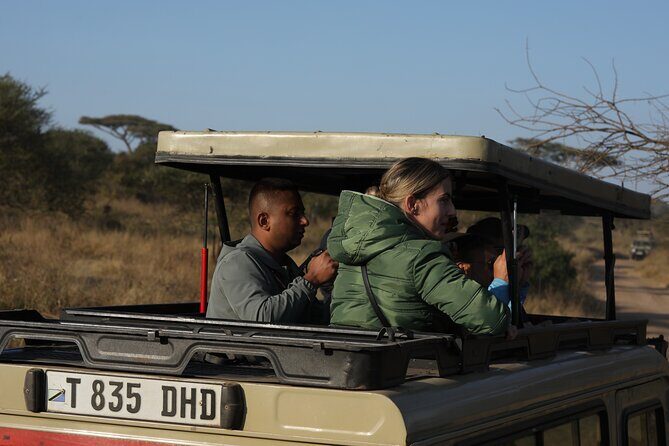
Most Tanzania trips start with a little chaos. This one starts with a driver transfer into Arusha, then a proper tour briefing so you know what’s coming before the first long drive. You arrive, get settled, and the rest of the day is yours to rest and reset.
Your accommodation is full-board on day one, so you’re not thinking about where meals happen after travel. That’s a small thing, but it matters when your body is still catching up to the trip.
One practical note: the tour’s meeting time is tied to an 8:00 am start, and day two pickups run from your Arusha base. Plan your arrival day so you’re not sprinting across the city with time pressure.
A few more Arusha tours and experiences worth a look

Tarangire National Park: the baobab-and-elephant start
Tarangire is a smart first stop because it hits a totally different wildlife rhythm than the Serengeti. You drive about 115 km from Arusha (around three hours), then you’re set up for a full-day game drive inside the park. The Tarangire River is the reason animals gather, and you’ll see the “why” fast once you’re out there.
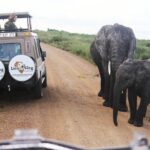
Here’s what I’d mentally pack for Tarangire: elephants at water, baobabs, and a mix of smaller predators and big cats that show up when conditions are right. The park is about 2,800 km², and it’s known for wildlife and tree species like the baobab—so the scenery isn’t the point, the animal density is.
This part of the trip also benefits from being a warm-up for your eyes. Serengeti is the big name, but Tarangire teaches you how to read the game-drive pace—scan, wait, then react when the action moves.
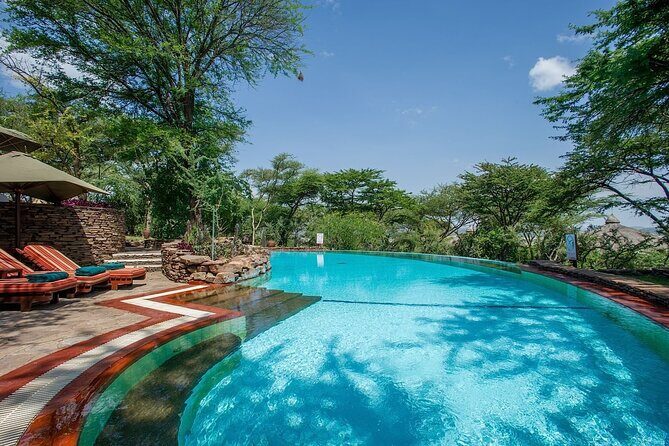
At night, you transfer to Farm of Dreams Lodge for dinner and an overnight stay. That’s a good reset after a day of wildlife watching, and it keeps the schedule from turning into an end-of-day scramble.
Ngorongoro Crater from the road: first sight, big wow factor
On day three you head toward the Ngorongoro Conservation Area and stop at the crater rim before continuing into the Serengeti. This is a nice setup because you get that “wait, that’s real?” feeling early, without forcing you into crater logistics too soon.
You’ll pass through agricultural highlands where the Iraqw people grow wheat, coffee, and corn. It’s an understated reminder that this is lived-in country, not just a postcard backdrop.
The crater itself is dramatic: it formed from a volcanic explosion and sits around 610 m deep. You don’t go down into it on this day, but the rim view gives you a sense of scale and ecosystems to look for later—especially before your Serengeti days start ramping up.
Then you continue to the Serengeti, arriving around midday. That timing is practical: you’re not losing the whole day to driving, and you get at least some daylight to start spotting wildlife once you’re in the park.
Serengeti game drives and the Migration timing reality
The Serengeti is where people come for the Great Migration, but the smartest way to enjoy it is to treat migration as a bonus, not the only reason you’re there.
You get multiple days set aside for full game drives—so you’re not doing quick look-and-leave drives. Instead, you can build a pattern: morning searching, midday repositioning, late-day sightings that sometimes feel like they’re “out of nowhere.”
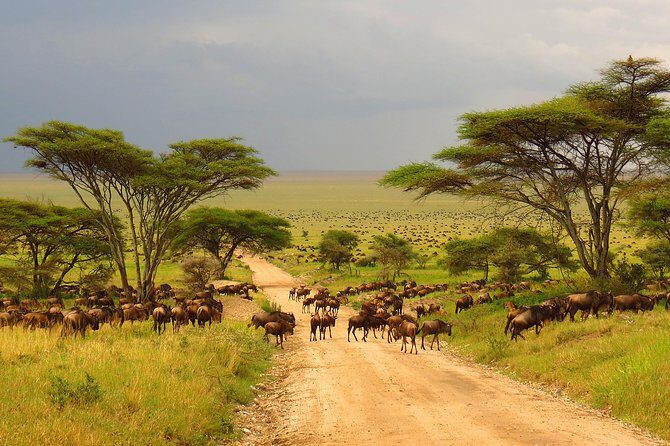
A key detail for planning is how rainfall changes where the herds are. In November and December, herds move from the north toward the southern grassy plains. During the extended rainy season from April to June, they return north. Your odds improve if your travel dates line up, but even then, wildlife is unpredictable.
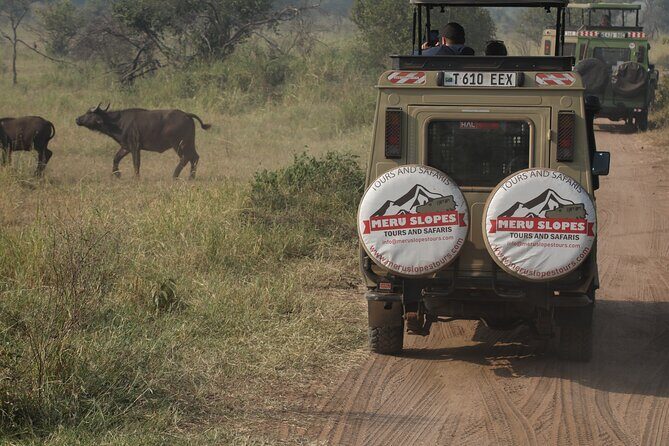
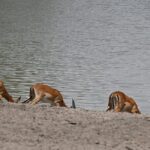
What I love about this structure is that it doesn’t punish you if migration isn’t happening on your exact schedule. Serengeti isn’t only herds. You’ll also be watching for impalas, buffalos, crocodiles, and hippos in the right areas, plus predators like lions, cheetahs, and leopards when conditions click.
You may even get a “Big Five” shot on one of the drives—no one can guarantee that, but the point is your itinerary gives you time to make those chances real instead of rushing past viewing windows.
Guiding matters a lot here, and the best feedback I’ve seen connected to this kind of trip points to guides like Jacob (Jacobo), Saleem, and Florian. The vibe is consistent: they spot well, they stay friendly and helpful, and they think about where you’ll get the best viewing and photos.
Overnight on the crater edge: Serena comfort with sunset drama
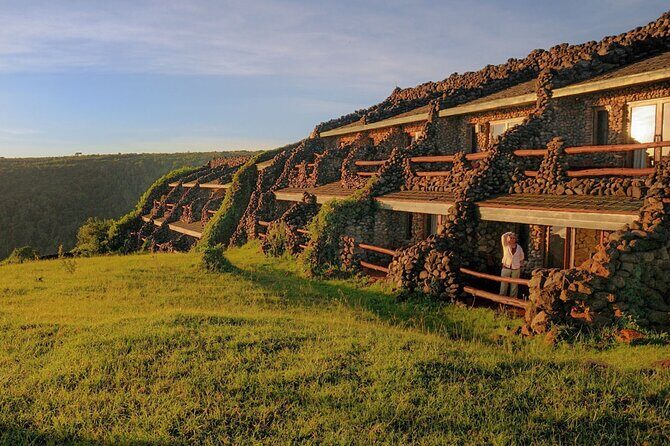
Day five shifts you toward Ngorongoro and brings a big change in feel. You keep hunting wildlife in the Serengeti in the morning, then travel onward, and you overnight at Ngorongoro Serena Safari Lodge on the crater’s edge.
This is one of the smartest “value vs. comfort” choices in the whole itinerary. By sleeping right at the crater, you don’t waste time in the morning. You also get that rim-edge experience—sunset light, open sky, and the sense you’re watching the ecosystem from the best seat.
If you’re the kind of person who hates being trapped in a chair waiting for the right time to do things, this lodge placement helps. The day naturally builds toward the next morning’s descent, and you can just focus on being ready.
Ngorongoro sunrise and crater descent: the day that feels packed with animals
If you’ve only heard one thing about Ngorongoro, it’s that it’s different. The reason is simple: it’s a crater with dense animal life, and you can see a lot in a short time window when you descend and start scanning the floor.
After an early breakfast, you drive down into the crater. Ngorongoro is a UNESCO World Heritage Site and described as one of the Seven Wonders of Africa. It covers roughly 260 square kilometers, and it’s said to support around 25,000 animals—so it can feel like every turn reveals something new.
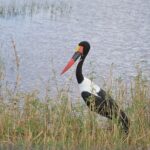
The viewing is the star. You can spot wildebeest, zebras, gazelles, elephants, and many bird species once you’re in the right places and angles. The crater is also known as one of the most productive wildlife viewing areas in Tanzania, which is exactly why this day gets scheduled early and kept full.
Practical reality check: crater drives can be longer than you expect because you’re going slow for viewing. Bring patience, keep your camera ready, and expect some dust and sun. You’ll be glad for breaks when they come.
Price and value: what you’re really paying for at $4,700
At $4,700 per person for a 7-day safari, this isn’t the cheapest way to see Tanzania. The value comes from what’s bundled and how it’s bundled.
You’re getting:
- Accommodation for the trip, including Serena lodging at key points (with upgrades not listed here)
- A professional driver/guide
- Transportation between major areas
- Parking fees
- Meals: 7 breakfasts, 5 lunches, and 4 dinners
Also, the itinerary notes admission tickets as free, which usually means the park access fees are covered by the program rather than added later. Tips are not included, so budget for that separately.
So is it worth it? If you want time efficiency—multiple major parks, fewer wasted hours, and a schedule that gives you real viewing time—this hits the sweet spot for midrange pricing. If you’re purely value-driven and would rather spend long days self-driving or piecing together lodges separately, you might find cheaper options. But you’d trade away a lot of planning ease.
Who this safari fits best (and who should think twice)
This is a great match for you if:
- You want the big three: Tarangire, Serengeti, and Ngorongoro
- You prefer organized pickups, transportation, and meals handled
- You like staying at quality lodges that anchor the schedule, not random stops
- You’re open to migration being a chance event tied to timing and rainfall
This is less ideal if:
- You only care about one exact Great Migration crossing moment and you’re traveling during a low-probability time window
- You hate long drives. This itinerary includes significant road time between parks, even with efficient routing.
The good news is that even without migration timing, the Serengeti days are built for wildlife viewing, not just migration headlines.
Should you book this 7-day Serena safari?
I’d book it if your goal is a classic Tanzania safari with strong guiding, multiple full game-drive days, and Serena comfort at the crater-edge and key overnight moments. The itinerary is structured so you’re not constantly moving just to check boxes—you’re hunting animals with enough time to matter.
If you’re specifically chasing the Mara River crossings, consider it a high-potential trip, not a guaranteed migration checkbox. Still, you’ll be in the right places with enough drive-and-view time to make the odds work in your favor.
FAQ
What parks are included on the 7-day safari?
The trip covers Tarangire National Park, Serengeti National Park, and the Ngorongoro Crater/Ngorongoro Conservation Area. You also have time in Arusha for arrival and departure.
Are meals included in the tour price?
Yes. The tour includes breakfast (7), lunch (5), and dinner (4). Day one is full-board, and other meal days are included as listed.
What time does the tour start in Arusha?
The start time is listed as 8:00 am, with the tour starting at Arusha Airport. Day two includes a pickup from your Arusha hotel at 8:00 am.
Where do you stay during the safari?
You stay at Serena accommodations tied to the itinerary, including Farm of Dreams Lodge after Tarangire and Ngorongoro Serena Safari Lodge on the crater’s edge. Your exact lodging is confirmed during booking unless noted as an upgrade.
How do park fees work for this experience?
The itinerary indicates admission tickets are free for the scheduled park activities, so park access appears covered as part of the tour.
Where is the tour drop-off at the end?
On the final day, you’re taken to Kilimanjaro International Airport or Arusha Airport. You can also extend with a Zanzibar beach holiday if you want.