REVIEW · KILIMANJARO
5 Days Tanzania Family Safari
Book on Viator →Operated by MyTrip2Tanzania · Bookable on Viator
Five days, three parks, and serious animal luck. You’ll ride from Arusha into Tarangire’s river-driven savannah, then down into Serengeti for big-cat country and finish in the crater bowl of Ngorongoro. I like that the tour uses 4×4 vehicles with viewing roofs and covers almost every meal (5 breakfasts, 5 lunches, 4 dinners), which keeps planning simple. One drawback: days 3 and 4 run long, so plan for serious time in the vehicle.
Pickup is offered, the pace is tight but thoughtful, and the pricing includes all fees and taxes with no currency surcharge or surprise costs. I’ve seen the planning team praised by name, with Philibert arranging smart routes and cook Dula getting credit for fresh, delicious meals on similar safaris. If you want a first-time Tanzania trip that feels organized, that’s the vibe.
In This Review
- Key highlights worth planning around
- How this 5-day family safari feels in real time
- Day 1 in Tarangire: the river you build sightings around
- Day 2 in Serengeti: Seronera timing and big views
- Day 3 in Serengeti: Sogore River Circuit + a real visitor stop
- Day 4 on the way into Ngorongoro: wildlife drive + Maasai village time
- Day 5 in Ngorongoro Crater: the 600m descent and that crater-bowl feeling
- What you actually get for the $2,937 price tag
- Vehicles, timing, and your odds of close-up sightings
- Who should book this safari (and who should think twice)
- Should you book the 5 Days Tanzania Family Safari?
- FAQ
- What is the duration of the safari?
- What time does the experience start?
- Where does the itinerary go?
- Are park admission tickets included?
- What meals are included?
- Is pickup offered?
- Is this a private tour?
- What transportation will you use during the safari?
- What’s not included in the price?
Key highlights worth planning around
- Tarangire’s river corridor: elephants and other animals stay concentrated around the Tarangire River, especially in the drier months.
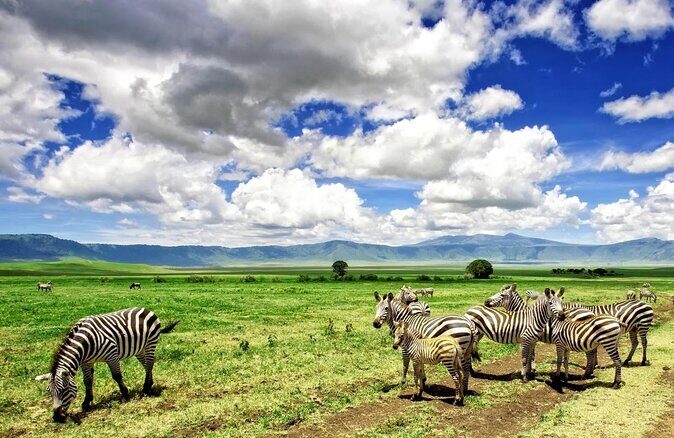
- Serengeti’s Seronera area: you spend time in one of the park’s most reliable wildlife zones, with game drives timed for sightings.
- Two Serengeti days (different circuits): one day focuses on central Seronera, another on the Sogore River Circuit for a fresh mix of chances.
- Ngorongoro Conservation Area + Maasai village stop: you get both wildlife and a cultural pause on the way into the crater world.
- Crater descent (600m) with a crater picnic: the day is built for that classic Ngorongoro “look down and watch it happen” experience.
How this 5-day family safari feels in real time
This is a classic big-parks itinerary, just packed into five days. You start at 7:30am, then you’re in the car, on a game drive, and eating on a schedule built for wildlife viewing. That rhythm is a good thing for families who want structure, not a puzzle of park timing and meal stops.
Value-wise, the price is easier to stomach because the tour lists all fees and taxes and includes most meals. You’re also getting 4×4 transportation with viewing roofs, which matters because you’ll spend hours looking for animals without bouncing around on poor roads or standing in the elements.
The practical trade-off is time. Days 3 and 4 are long on purpose, to cover Serengeti and to set you up for the crater the next morning. If your kids (or you) get tired fast, bring strategies that fit your family—snacks, pacing, and patience—because the day-to-day schedule is not slow travel.
A few more Kilimanjaro tours and experiences worth a look
Day 1 in Tarangire: the river you build sightings around
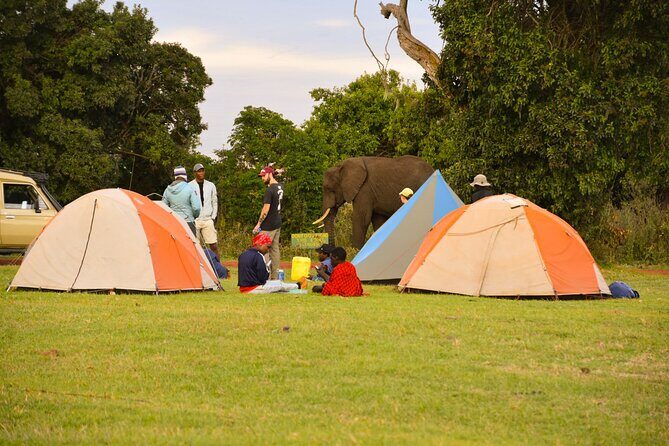
Your adventure starts from Arusha, with about a two-hour drive into Tarangire National Park after breakfast. Once you’re in, the tour centers you on a big idea: the Tarangire River runs year-round, so animals keep returning to it.
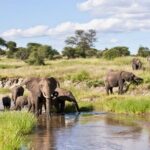
Tarangire’s golden savannah is easy to visualize even before you arrive: acacia trees, baobabs, and the constant pull of water. During the dry season, that river becomes a wildlife magnet, and it’s a big reason why early days often feel more animal-focused than you expect. The itinerary also calls out the park’s large elephant population on the river banks, plus zebras and antelopes.
From the drive, you’re not locked into elephants only. The route also lists chances for lions, leopards, Cape buffalo, and a huge mix of antelopes. If luck is on your side, the day includes the possibility of rare-feeling species like Greater Kudu or Fringe-Eared Oryx.
The main drawback for Day 1 is also part of the fun: it’s a “get there and start driving” kind of day. You’re not touring slowly. You’re stacking time for animals, so the early wake-up and travel from Arusha is real.
Day 2 in Serengeti: Seronera timing and big views
After breakfast you head toward Serengeti, passing through Karatu and the Ngorongoro Conservation Area on the way. The itinerary then positions you in the central park zone—the Seronera area—and you arrive in time for lunch before an afternoon game drive.
This is smart planning. The Seronera area is described as one of the park’s strongest wildlife habitats because the Seronera River provides water and draws animals. Translation: you’re not gambling as much on whether you picked the right corner of the Serengeti. You’re already going for a reliable zone.
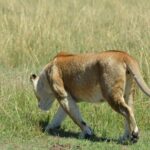
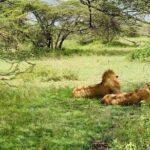
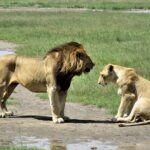
On this afternoon drive, your chance list includes the kind of animals people picture when they think of Serengeti: lions and cheetah, plus Thomson gazelle, topi, and ostrich. That variety matters for families because kids can stay interested when sightings aren’t all one species.
The only “watch out” is the afternoon light. The tour still gives you a decent run of game drive time, but if your group loves photos, you may feel the classic late-day trade-off: animals appear, but light changes quickly.
Day 3 in Serengeti: Sogore River Circuit + a real visitor stop
Day 3 is another Serengeti day, and the itinerary makes an important choice: instead of repeating the same area, it runs the Sogore River Circuit south of the Seronera River. That keeps things fresh. Even if you saw a lot the day before, this circuit changes the odds for what you’ll spot next.
The animal list for this drive leans toward the same core Serengeti cast—possible lion, Thomson gazelle, topi, ostrich, and cheetah. In a practical sense, this day is about repetition with variation: you’re in the right place again, but you’re not stuck in a loop.
After the morning drive, you visit a visitor center near the Serengeti Seronera Lodge and public campsites. The stop is more than a bathroom break. The itinerary notes wildlife displays, plus a gift shop with information leaflets and maps, and a picnic setup plus an information trail around a nearby kopje. It’s the kind of pause that helps you understand what you’ve been seeing from the vehicle.
Your Day 3 also runs longer (it’s listed at nine hours), which is the main consideration for families. This is not a short day, and you’ll want your group ready for a long stretch between breaks.
Day 4 on the way into Ngorongoro: wildlife drive + Maasai village time
You start Day 4 with another game viewing drive with possible sightings similar to the earlier Serengeti days. The itinerary then turns toward Ngorongoro, and this is where the route adds a cultural stop that’s actually useful: a Maasai village visit.
On paper, a village stop can feel like a checkbox. Here, the itinerary frames it as a chance to experience traditional culture and take pictures against the “breathtaking scenery” you’ll be passing. If your family likes to understand the people around the wildlife, this is a good moment to shift gears.
The day is also about logistics for the next morning. You spend the night inside the Ngorongoro Conservation Area, setting you up for the crater descent early on Day 5. That one detail matters. Staying within the conservation area reduces how much you have to rush on crater morning.
The drawback is simply time. Day 4 is also listed at nine hours, and it mixes driving, viewing, culture, and positioning for the next day. Keep expectations flexible, especially if someone in your group needs shorter travel blocks.
A few more Kilimanjaro tours and experiences worth a look
Day 5 in Ngorongoro Crater: the 600m descent and that crater-bowl feeling
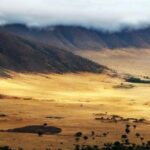
Day 5 starts early. After breakfast, you descend about 600 meters into the Ngorongoro Crater. That descent is part of the experience itself, because the crater walls act like natural walls around an entire ecosystem.
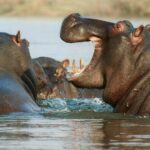
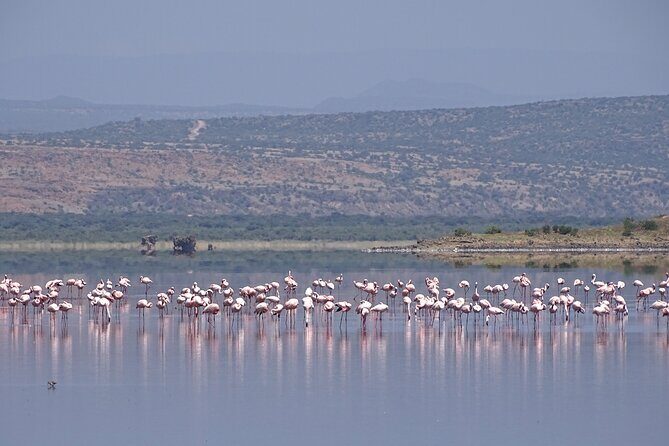
The itinerary’s animal list is bold: rare black rhino, lions, leopards, elephants, and hippos. It also includes birds, with flamingos on Soda Lake plus geese, storks, and vultures. Even if sightings don’t check every name on your wish list, Ngorongoro has a way of giving you density—animals are often close together in time and space.
Your lunch is served on the picnic site in the crater at Ngoitokitok swamp, described as a hippo pool. After lunch, you continue with game viewing. Then you ascend out of the crater and drive to Arusha for overnight.
This is the day that makes people call the safari unforgettable. It’s also the day that can feel intense. You’re up early, you’re descending, you’re watching for hours, and then you’re traveling back to Arusha by evening. If your family does better with a calmer finale, this may feel like a sprint.
What you actually get for the $2,937 price tag
For a five-day safari at this price, the question isn’t just cost. It’s what’s included that normally costs extra on other tours.
Here, you get:
- All fees and taxes
- 4×4 vehicles with viewing roofs
- Meals: 5 breakfasts, 5 lunches, and 4 dinners
- Admission coverage is listed as free on Days 1–4, and Day 5’s crater admission is included
What’s not included is also spelled out:
- flights
- travel and health insurance
- personal expenses like laundry and phone use
- gratuities for guide and hotel staff
So the value story is pretty clear: the “hard costs” are largely handled, and you’re mostly paying for vehicle time, park time, and meals. That’s the stuff that adds up quickly when you plan on your own.
Group discounts are listed, and the tour is private for your group. That combination can be a win if you’re traveling as a family unit and want flexibility, but still want some pricing relief.
One more detail I like in this type of package: mobile tickets and pickup offered. It reduces friction on travel day, which is exactly what you want when you’re heading into parks with early starts.
Vehicles, timing, and your odds of close-up sightings
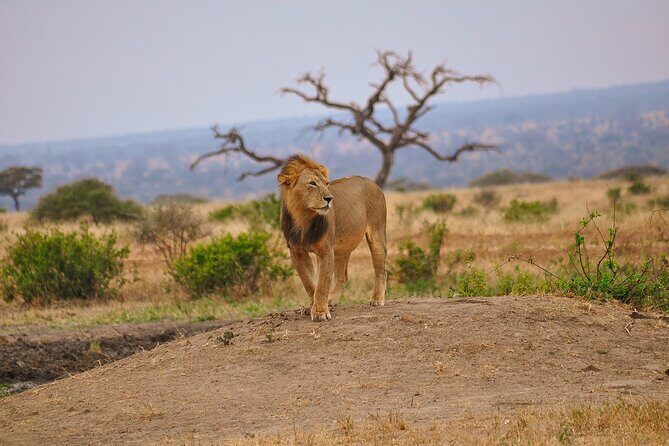
You’ll be in 4×4 transportation with viewing roofs for game drives. That means two things: you can spot animals from a good height, and the drives are built around watching, not rough commuting.
The itinerary also uses timing in a way that helps you avoid random guessing. You’re in Tarangire after a drive from Arusha, you’re in Serengeti with time allocated for lunch and an afternoon drive, and you have a full second Serengeti day with a different circuit.
Your chance list changes by day, but the theme stays the same: animals concentrate around water sources and proven wildlife zones. Tarangire’s river does the work early. Serengeti’s Seronera River supports the central habitat plan. Ngorongoro’s crater bowl compresses everything into one dramatic ecosystem.
Also, the guidance style seems to matter here. In praised trips, guides like Philibert and friendly drivers such as Ayubu are singled out for knowledge and support. You can’t guarantee a specific person for your departure, but the consistency of praise points to professional, communicative guiding rather than a silent “drive and pray” approach.
Who should book this safari (and who should think twice)
This tour fits best if you want:
- a tight, structured five-day itinerary
- classic parks: Tarangire, Serengeti, and Ngorongoro
- lots of time doing game drives from vehicles
- meals largely handled for you
It’s also a good fit for families who like clear schedules. The start time is consistent, and the day flow is built around viewing windows and meal stops.
Think twice if:
- your group hates long days in a vehicle (Days 3 and 4 run long)
- you want a slower pace with fewer drives and fewer packed transitions
If you’re the type who can handle “early morning, long day, big payoff,” this is the kind of trip that works.
Should you book the 5 Days Tanzania Family Safari?
I’d book it if your priority is maximizing wildlife time across three headline parks without micromanaging logistics. The price includes major costs (fees/taxes plus nearly all meals), and the route is built around proven wildlife areas like Tarangire’s river and Serengeti’s Seronera zone. Add Ngorongoro’s 600m crater descent, and you’ve got a finale that’s hard to replicate.
I’d pause only if your family needs a gentler travel rhythm. This itinerary is action-packed, and the long days are real.
If you want a clear first Tanzania safari with strong organization and a plan that favors sightings, this one deserves serious consideration.
FAQ
What is the duration of the safari?
The safari runs for about 5 days.
What time does the experience start?
The start time is 7:30am.
Where does the itinerary go?
You visit Tarangire National Park, Serengeti National Park, the Ngorongoro Conservation Area, and Ngorongoro Crater.
Are park admission tickets included?
Admission tickets are listed as free for Days 1–4, and Day 5’s crater admission is included.
What meals are included?
Breakfast is included for 5 days, lunch is included for 5 days, and dinner is included for 4 days.
Is pickup offered?
Yes, pickup is offered.
Is this a private tour?
Yes, it’s private for your group only.
What transportation will you use during the safari?
You travel in 4×4 vehicles with viewing roofs.
What’s not included in the price?
Not included: local or international flights, travel and health insurance, personal items (like laundry and telephone), and gratuities to your guide and hotel staff.