REVIEW · ARUSHA
4-Day Tarangire, Serengeti, Ngorongoro Crater
Book on Viator →Operated by Lappet Faced Safaris · Bookable on Viator
Tarangire to Ngorongoro in four tight days. I like the private tour setup (so your guide can adjust to what’s happening) and I like that breakfasts, lunches, and dinners are included, which keeps you focused on the animals instead of meal math.
The only real trade-off is the pace: you’ll be on the move most days, and tips (20–25 USD per vehicle) aren’t included. Early starts are part of the deal, because wildlife doesn’t clock in late.
In This Review
- Key Points You’ll Actually Care About
- Your 4-Day Tanzania Circuit: Arusha Pickup to Crater Finale
- Tarangire National Park: Baobabs, River Water, and Elephant Concentration
- What I like about Tarangire for first-day energy
- A consideration
- Serengeti Afternoon Drives Across the Grasslands
- Why the afternoon focus can be smart
- A consideration
- Ngorongoro Conservation Area: The Crater Ring Meets Maasai Coexistence
- What’s valuable about this day
- A consideration
- Ngorongoro Crater Floor: Lions, Hippos, Flamingos, and a Bird List That Matters
- Why this day is worth the early wake-up
- A consideration
- Price and Value: What $2,656 Buys (and What It Doesn’t)
- The Real Magic: What a Private Guide Changes in Wildlife Time
- Practical Tips Before You Go (So Days 1–4 Feel Easier)
- Should You Book This Safari? My Take
- FAQ
- What parks are included in this 4-day safari?
- Is this a private tour?
- What time is pickup in Arusha?
- What meals are included?
- Are park admission tickets included?
- What is not included in the price?
- Do I need a visa and travel insurance?
- Do I need to bring my passport?
- Is there a minimum age?
- What happens if weather is bad?
- Can I cancel and get a refund?
Key Points You’ll Actually Care About
- Private, guide-led game drives help you chase what’s likely, not just what’s on a checklist.
- Tarangire’s baobabs + elephant herds make Day 1 feel like a real kickoff, not a warm-up.
- Serengeti’s afternoon plains time gives you a solid chance at big cats and the herds they follow.
- Ngorongoro Crater is the main event: dense animals, plus a bird show at the crater lakes.
- Two UNESCO World Heritage areas are part of the route, so you’re not just “seeing wildlife,” you’re seeing protected icons.
Your 4-Day Tanzania Circuit: Arusha Pickup to Crater Finale
This is a focused safari route through Tanzania’s best-known wildlife zones: Tarangire, Serengeti, and Ngorongoro. The big selling point for me is how the days are paced: you get full game-drive time instead of constant stop-start logistics. You’ll start in Arusha, with a morning pickup (the day plan notes 8:30 AM) and you’ll finish back near the meeting point after a final drive from the crater area.
Because it’s private, you’re not stuck with a rigid “everyone drives here, everyone sits there” rhythm. You’ll still follow safari rules (you can’t just sprint off-road), but you’re more likely to get a guide who pays attention to what you want—animals, photography, or simply soaking up the scenery while it passes in front of the vehicle.
Do note one practical reality: the circuit involves several long drives. When you’re spending the day in a vehicle, you’ll want good hydration, snacks on hand (even though lunch is included), and a willingness to trade comfort for sightings.
Also, this is a weather-dependent experience. If conditions are poor, the operator can offer a different date or a full refund.
A few more Arusha tours and experiences worth a look
Tarangire National Park: Baobabs, River Water, and Elephant Concentration
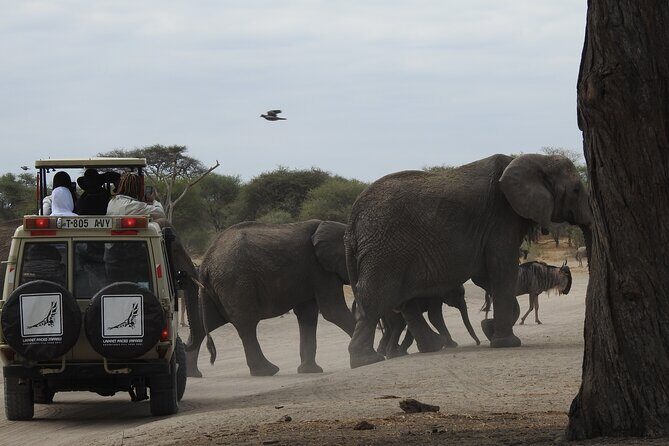
Tarangire is the kind of place that makes you sit up a little straighter the first time you see a baobab tree tower over the plain. On Day 1, you’ll depart Arusha in the morning and head into Tarangire for a full-day game drive with a picnic lunch. The timing here matters: game drives work best when you’re not rushing from one area to another—tarangire’s wildlife is all about where water is and how animals react to it.
Tarangire’s centerpiece is the Tarangire River, and that’s why elephants show up in impressive numbers. The park is known for some of the largest herds of elephants in Africa, and that density changes what you notice: not just one elephant, but lots of movement—family groups, grazing patterns, and the slow choreography that happens when the herd shifts direction.
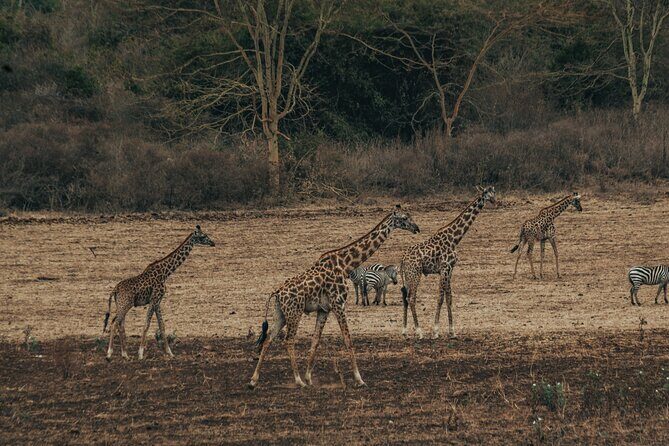
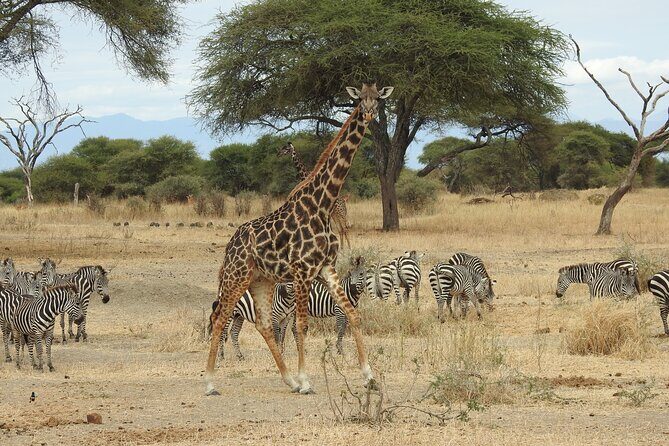
You also have a solid shot at predators and other grazers. The day plan lists possibilities like lion, leopard, cheetah, lesser kudu, buffalo, oryx, eland, giraffe, and zebra. In plain terms: you’re not locked into elephants only. You’re in a system where big animals mix and overlap, and your guide can steer you toward what’s most active.
Admission is listed as included for this day. That’s a small detail, but it helps your overall value because you don’t have extra surprises once you’re on the ground.
What I like about Tarangire for first-day energy
Day 1 works as a morale booster. You’re coming off travel, you want payoff, and Tarangire delivers with elephants plus the instantly recognizable baobab look. Even if you don’t see every cat on your wish list, the density of large wildlife makes the day feel full.
A consideration
Because it’s a long day drive, bring patience for the early start. Safari rewards you, but it doesn’t rush for you.
Serengeti Afternoon Drives Across the Grasslands
Serengeti is where the safari mythology turns into something you can actually see with your own eyes. After breakfast, you’ll travel to the park and then spend the afternoon on game drives across the broad grasslands. This is when the light and animal rhythm often feel right: heat rises, animals move differently, and predators tend to stake out positions.
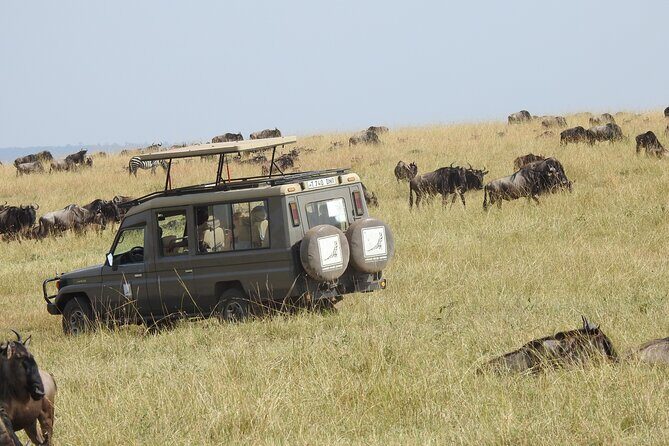
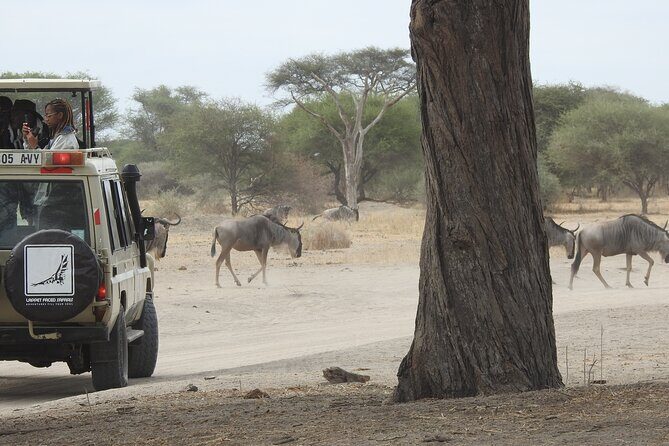
The day plan points to the classic Serengeti cast: wildebeest, zebra, gazelles, and possibly lions lounging in shade. The “endless plains” description isn’t just poetic. When you’re out there, you realize why herds can be spotted at distance and why behavior cues matter—where the grazers are, how they spread, and what that might signal about predators moving in.
Admissions are listed as free for this day. It’s another value win, especially since you’re still getting meaningful drive time and park access.
Why the afternoon focus can be smart
Many safaris cram too much into too many hours. Here, the afternoon slot gives you a chance to watch animals respond to the day’s changing conditions without trying to brute-force every ecosystem moment. If you’re the type who likes photos, afternoon often gives better contrast than early morning fog—so your images may look crisper even if the big action isn’t constant.
A consideration
Serengeti sightings can be wide-ranging. You might see your highlights in quick flashes, or you might spend longer waiting for the scene to turn. That’s normal here. The real win is having a private guide who can reposition without feeling like a cattle-car schedule.
Ngorongoro Conservation Area: The Crater Ring Meets Maasai Coexistence
Day 3 shifts you from open plains to the zone around Ngorongoro Conservation Area, where the story of the land includes both wildlife and people. After a morning game drive in Serengeti, you’ll depart for Ngorongoro with a picnic lunch.
Ngorongoro Crater is the star, but the build-up day is useful. You’ll learn about the crater’s formation as the largest collapsed volcanic crater in the world, surrounded by a ring of extinct volcanoes. The crater floor holds watering holes, and that’s why life gets so concentrated—your odds improve when animals don’t have to travel far to find what they need.
The plan highlights that there are about 30,000 animals sheltered on the crater floor. Even if you never count that number (please don’t), it tells you what to expect: not empty distance, but a place where animals cluster and the ecosystem is visible in layers.
You’ll also get a sense of how Maasai tribes cohabit with wildlife. In this kind of conservation landscape, land use and wildlife survival are closely tied. That’s a big part of why Ngorongoro feels different from parks with a more isolated setup.
Evening ends with a heavy dinner and a good night’s rest at your accommodation.
What’s valuable about this day
This is the day that sets expectations for Day 4. You’re not just traveling—you’re arriving with context, so when the crater floor opens in front of you, it doesn’t feel like a random zoo of animals. It feels like a system you’re stepping into.
A consideration
You’ll still be in transit on Day 3, so if you want the most relaxed pace possible, keep your expectations flexible for the driving hours.
Ngorongoro Crater Floor: Lions, Hippos, Flamingos, and a Bird List That Matters
Day 4 is the main event: descend into Ngorongoro Crater for a long game drive and then work your way back out. After an early breakfast, you’ll go down to the crater floor for about five hours of game drive time. This is where the “largest collapsed volcanic crater” description becomes practical. With so many animals packed into a smaller area, you’re more likely to see multiple species in a single stretch.
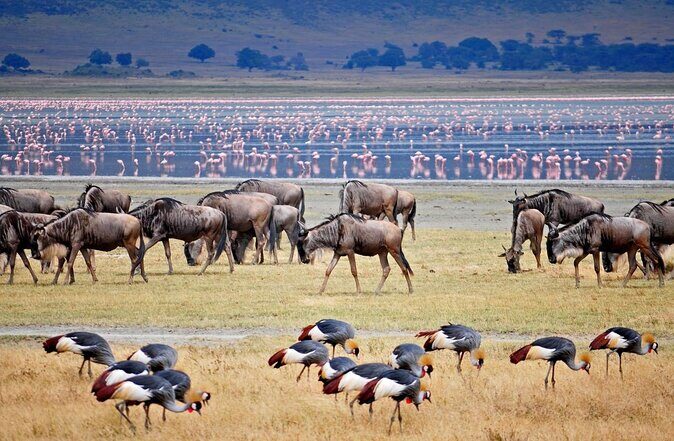
The plan lists a strong chance of lions, elephants, zebras, hippos, flamingos, jackals, rhino antelopes, and many birds. The crater’s reputation for dense wildlife isn’t hype; it’s math. When water and grazing are concentrated, animals concentrate too.
Then comes the birds. The plan calls out birds you might see such as eagles, vultures, flamingos in the Crater Lake, plus stork, bats, giant vulture, sacred ibis, kori bustard, blacksmith plover, long-necked heron, and cattle eagle. You don’t need to be a birder to appreciate this. When there are that many species in one place, you’ll likely notice movement, calls, and activity even if you’re focused on mammals.
You’ll enjoy picnic lunch at the beautiful Hippo pool, then start the steep climb out. After that, there’s about a two-hour drive to your accommodation in Karatu, with dinner kept ready.
Why this day is worth the early wake-up
Ngorongoro works because it’s a self-contained theater. You’re not hiking for hours; you’re driving a route that passes prime areas. The crater’s shape helps create natural congregation points, especially around water.
A consideration
That steep exit is real. You’ll be in a vehicle for it, and it can feel like a long grind after hours of crater viewing. Still, it’s a small trade for the concentration of wildlife.
Price and Value: What $2,656 Buys (and What It Doesn’t)
At $2,656 per person for a private four-day safari circuit, you’re paying for three big things: access to top parks, guide service, and the “less hassle” factor.
Here’s what you can clearly count as value from the plan:
- Meals included: breakfast (4), lunch (4), dinner (4). That’s not just convenience; it reduces daily decisions and keeps you fueled for long drives.
- Private experience: you’re not sharing your game-drive time with random people.
- Pickup offered in Arusha and you’re brought back near the meeting point.
- Some admissions included/free depending on the day as listed in the schedule (admission ticket included on Day 1 and Day 4; free on Day 2 and Day 3).
What’s not included, and you should budget for:
- Visa
- International flights
- Travel insurance
- Tips (20–25 USD per vehicle)
For me, the fairness test is simple: do you get enough time in the parks to justify the price? Based on the structure—full day game drive at Tarangire, afternoon drives in Serengeti, and a long crater game drive—yes, you’re buying park time, not only transportation.
Also, because this is good for first-timers (there’s no mention of anything that makes it unrealistic for most people), the private guide can reduce stress. You can focus on spotting animals and learning what you’re seeing instead of trying to manage logistics on the fly.
The Real Magic: What a Private Guide Changes in Wildlife Time
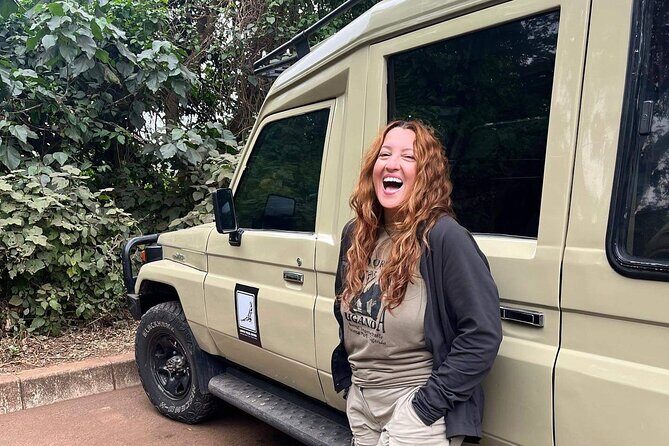
A lot of safari marketing talks about animals. This kind of tour gets more interesting when you think about how animals show up.
With a private guide, you’re more likely to:
- Get smarter positioning during game drives (staying where you can actually see and wait)
- Adjust when you’re near a sighting rather than moving because the clock says so
- Have a guide who can answer questions as you go
This operator notes that your guide may be multilingual, and planning support in the past has included fast communication and responsive guidance from staff members such as Francisco, with guides like Martin and Joseph shown as francophone options. Even if you don’t get the same exact people, the takeaway is what you want: communication that doesn’t leave you guessing.
If you care about photography, private routing also helps you spend time looking at behavior. That’s often more useful than simply chasing rare sightings—because the best photo moments come from moments you understand.
Practical Tips Before You Go (So Days 1–4 Feel Easier)
A few things will make this route smoother:
- Bring your passport details. You’ll need a current valid passport, and passport name, number, expiry, and country are required at booking.
- Expect early starts and long days. Even with included meals, you’ll spend a lot of the day in transit and on game drives.
- Budget for tips. Plan for 20–25 USD per vehicle.
- Plan for weather sensitivity. The experience requires good weather; if conditions are poor, the operator offers a different date or a full refund.
- Wear layers. Safari days can shift temperature from morning to midday to evening, and vehicles are often open or partially open depending on conditions.
Also, consider your expectations. Wildlife sightings are never guaranteed in a strict sense. What is more reliable on this route is variety: elephants and baobabs on Day 1, classic Serengeti herd and predator behavior on Day 2, then a dense crater finale on Day 4.
Should You Book This Safari? My Take
Book it if you want a tight route that hits the big names—Tarangire, Serengeti, and Ngorongoro—with a private guide and meals included. The value makes the most sense if you’d rather pay for organization than spend your limited travel time coordinating.
Skip it or shop around more if you hate long drives, you’re sensitive to early mornings, or you’re trying to make a strict budget without factoring in tips and insurance. Also, if you’re not flexible on dates, remember the experience requires good weather.
For couples, families, and first-time safari fans, this circuit is a strong match: it’s intense, it’s organized, and it gives you multiple chances to see major species in different ecological settings—especially the jump from open grasslands to Ngorongoro’s concentrated crater floor.
FAQ
What parks are included in this 4-day safari?
The route covers Tarangire National Park, Serengeti National Park, and Ngorongoro Crater (within the Ngorongoro Conservation Area). It starts in Arusha and ends back near the meeting point.
Is this a private tour?
Yes. It’s listed as a private tour/activity, meaning only your group participates.
What time is pickup in Arusha?
The meeting point start time is listed as 8:00 AM, and the Day 1 plan notes pickup at 8:30 AM from your hotel in Arusha. Plan for a morning pickup.
What meals are included?
Breakfast is included for 4 days, along with lunch for 4 days and dinner for 4 days.
Are park admission tickets included?
Admission ticket details are listed by day: Day 1 includes an admission ticket, while Day 2 and Day 3 are listed as free. Day 4 is listed as included.
What is not included in the price?
Not included are visa, international flights, travel insurance, and tips (20–25 USD per vehicle).
Do I need a visa and travel insurance?
Visa and travel insurance are listed as not included, so you should arrange them separately.
Do I need to bring my passport?
Yes. A current valid passport is required on the day of travel. Passport details (name, number, expiry, country) are required at booking.
Is there a minimum age?
The minimum age is 2 years, and children must be accompanied by an adult.
What happens if weather is bad?
The experience requires good weather. If canceled due to poor weather, you’ll be offered a different date or a full refund.
Can I cancel and get a refund?
Yes. You can cancel up to 24 hours in advance for a full refund. If you cancel less than 24 hours before the start time, the amount paid is not refunded.