REVIEW · KILIMANJARO
5 Days Private Tarangire, Serengeti, Ngorongoro, Manyara Safaris
Book on Viator →Operated by Hadzabe Safaris · Bookable on Viator
A safari week can feel like a dream. This one pairs the big-name parks with solid game-drive timing, plus private transportation and included meals that keep you from spending your energy on logistics. I especially like the chance for early starts and the way the route strings together Tarangire, Serengeti, and the Ngorongoro Crater for very different wildlife scenes in just five days. One consideration: it is a packed schedule with long park days, so you’ll want to be okay with early mornings and lots of time in the vehicle.
If you’re choosing this, you’re probably after that best-in-Tanzania mix: elephants under baobab trees, open-plain Serengeti drama, and the crater’s famous “everything happens close together” safari feeling. The operator behind the experience (including guides such as Herman, Joshua, Elias, and John, plus chef Ibrahim for food quality) seems to prioritize attention to your preferences, not cookie-cutter driving.
In This Review
- Key highlights worth getting excited about
- Tarangire elephants, baobabs, and a relaxed first-day rhythm
- Serengeti plains and the Seronera advantage
- Early-morning game drives that catch lions at dawn
- Ngorongoro Conservation Area and the Olduvai Gorge stop
- Descending Ngorongoro Crater: 600+ meters of wow-factor
- Guides, vehicles, and why private feels worth it
- Price and value: what $3,500 really buys you
- Season matters: migration timing and what to watch
- What this tour style is best for
- Packing and timing tips that actually help
- Should you book this 5-day private circuit safari?
- FAQ
- Where does the safari start and what time does it begin?
- Is this safari private or shared with other groups?
- Which parks and major sights are included?
- What meals are included during the trip?
- Are park fees and tickets included in the price?
- Is pickup included?
- Is free cancellation available?
Key highlights worth getting excited about
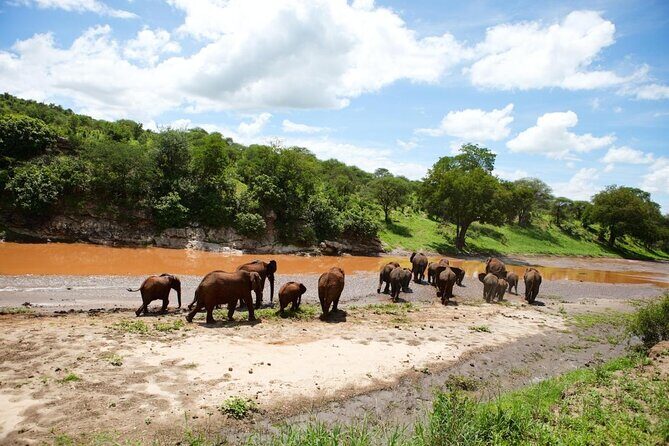
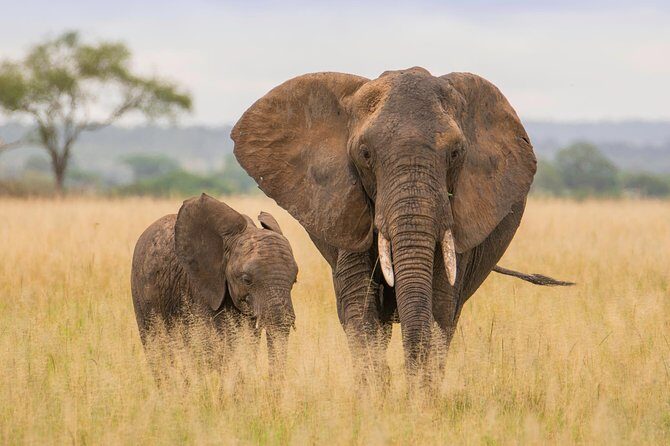
- Tarangire’s elephants and baobabs: a classic first-day payoff, with picnic lunch inside the park.
- Serengeti timing: early-morning drives plus full-day game viewing around the Seronera area and water access via the Seronera River.
- Ngorongoro Crater descent: you drop more than 600 meters to see concentrated wildlife, including predators and the elusive leopard.
- Olduvai Gorge stop: a quick but meaningful human-history detour during the move to Ngorongoro.
- A private setup: only your group with your driver-guide, which helps if you want a specific pace or photo stops.
- Included park costs and meals: all fees and taxes, plus lunches and dinners, so you don’t have to micromanage your budget mid-trip.
Tarangire elephants, baobabs, and a relaxed first-day rhythm
Day 1 starts with a straightforward plan: you head out after breakfast, do a quick stop in Arusha for last-minute needs, then roll toward Tarangire National Park. The drive is long enough to get you ready for wildlife, but not so rushed that you feel slammed the moment you arrive.
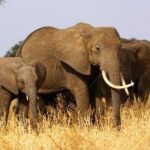
Tarangire is famous for two things that go together visually: elephants and baobab trees. Even if you only catch glimpses at the right moments, the scenery helps you understand why this park is so photogenic. You’re also in the middle of a migratory cycle in the region, and Tarangire’s reputation for elephant numbers is part of why the area works well as an opening chapter of the safari.
You’ll get a game drive with a picnic lunch inside the park. That detail matters. Picnic lunches in the bush tend to feel less like a break in your day and more like you’re still on safari—no big shuttle detour, no “we’re leaving the animals for a meal” vibe.
One small practical note: the tour lists about 2–3 hours of non-game viewing time on this day. Translation: it’s not nonstop driving forever, but you should plan for some “road time” before you settle into the fun.
You finish the day at the Ngorongoro farm house, with dinner and breakfast included. This also sets you up nicely for the next step of the circuit—moving from Tarangire’s ecosystem into Serengeti country.
You can also read our reviews of more private tours in Kilimanjaro
Serengeti plains and the Seronera advantage
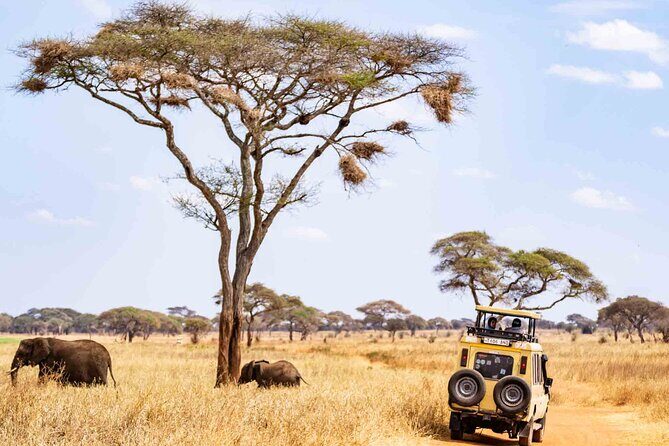
On Day 2, you continue deeper into the northern safari circuit toward Serengeti National Park, going via the high-lying farmland of Karatu and through the Ngorongoro Conservation Area. The description highlights a typical “country-to-plains” feeling: you leave the highlands, then the terrain opens up into broad space.
Once you’re in Serengeti, the tour aims you toward the Seronera area, which is one of the park’s richer wildlife zones. The key reason is water: the Seronera River acts as an anchor for animals through dry and wet seasons. If you like wildlife-viewing that doesn’t depend entirely on luck, choosing time in the Seronera area is a smart approach.
You’ll arrive in time for lunch and then transition into the park experience. Day 2 is described as about 3–4 hours of non-game viewing time, so you get a meaningful amount of time actually looking, not just traveling.
One thing I’d watch for in Serengeti is how your expectations match the reality of the place. Serengeti is huge. Even with a great driver, you’re not guaranteed one perfect sighting after another in a small time window. That’s why a guide who’s good at reading movement and choosing where to be at the right times matters.
Early-morning game drives that catch lions at dawn
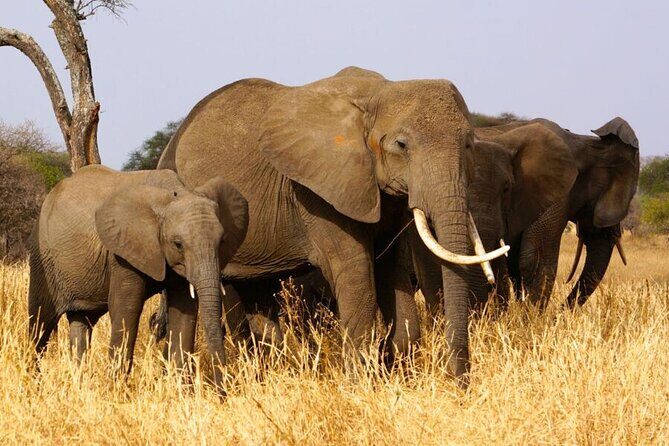
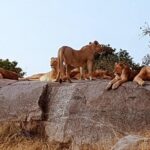
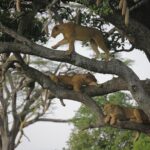
Day 3 leans into the best safari habit: start early. You’ll head out for a morning game drive, described as a time when you may see animals returning from hunting plus lions waking in the dawn. Even if nature doesn’t follow a schedule you can set your watch by, early light is when animals often feel more active and visible.
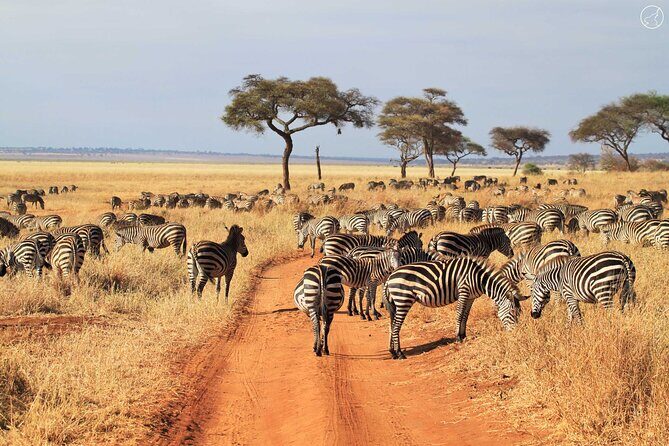
Then you’ll spend the rest of the day on full game drives around Serengeti, with the expectation of seeing a mix of common stars and some less-predictable sightings. The tour description lists possible encounters such as wildebeest, lions, elephants, giraffes, zebras, monkeys and baboons, hippos, rhinos, antelopes, and many birds.
The value here is that you’re not only doing one short morning session and calling it done. You get a second full day, which is crucial in a place where animal behavior shifts constantly. If you’re the type who enjoys watching patterns—how herds move, how predators position, how birds react—you’ll likely appreciate the extra time.
You’ll sleep at Serengeti Kati Kati Tented Camp (or similar). Tented camps in Serengeti tend to be part of the charm. Even when you’re tired from long days, the setting helps you feel like the safari is still your life, not just a day trip.
Ngorongoro Conservation Area and the Olduvai Gorge stop
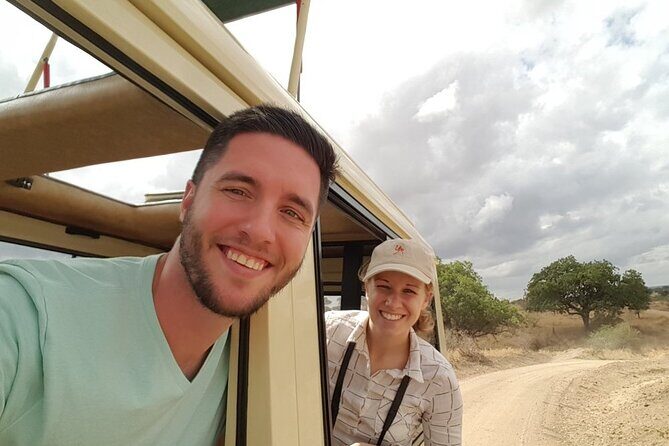
Day 4 is a transition day with two big stops: a classic human-history pause at Olduvai Gorge, then a move into the Ngorongoro area for dinner and overnight.
Olduvai Gorge is presented as a place where important fossils and skulls linked to human evolution were discovered, including figures the description connects to Drs. Lois and Mary Leakey. This is the kind of break that can reset your perspective. After hours of animal tracking, it’s oddly grounding to shift to the story of how humans fit into the long timeline of Earth.
Then you continue to Ngorongoro Rhino Lodge (or similar) for dinner and your overnight. There’s a practical reason these moves work well: you’re positioning yourself for the next morning’s crater descent, when you’ll want to be rested and ready.
Descending Ngorongoro Crater: 600+ meters of wow-factor
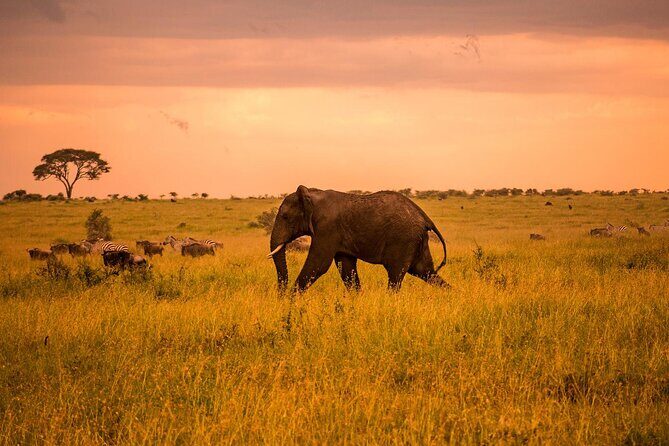
Day 5 is about the big headline: Ngorongoro Crater. After early breakfast, you descend more than 600 meters into the crater to view wildlife. That descent matters. It’s not just a dramatic entrance. The crater’s sheltered environment supports year-round water and fodder, which is exactly why wildlife density can feel so high compared to flatter landscapes.
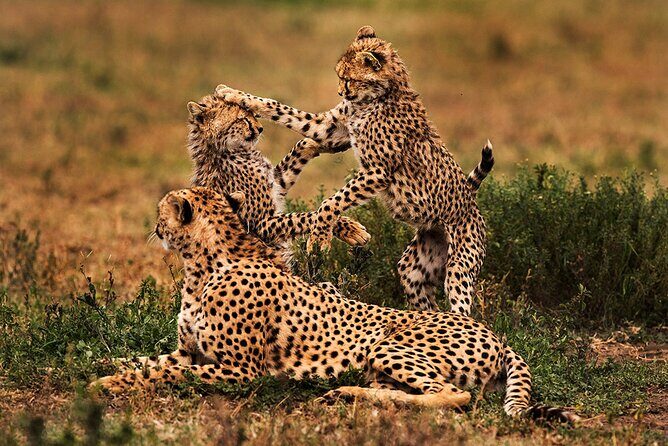
You’ll see a long list of animals expected in the crater, including herds of wildebeest and zebra, plus buffalo, eland, warthog, hippo, and giant African elephants. The tour also calls out the predator side: lions, hyenas, jackals, cheetahs, and the elusive leopard, with the idea that spotting can require a trained eye.
This is where private guiding has real value. When you’re in a crater bowl, animals can be scattered—but you also get moments when everything seems to happen at once. A driver who scans carefully and doesn’t waste your time helps you turn the “big crater day” into a day that feels earned, not rushed.
The plan also includes a visit to Lake Magadi, described as a large but shallow alkaline lake in the southwestern corner of the crater. Even if you aren’t chasing specific bird species, alkaline lakes often create a different visual mood than grassland, and that can make the end of your safari feel more varied.
A few more Kilimanjaro tours and experiences worth a look
Guides, vehicles, and why private feels worth it
This is a private tour, so only your group goes with your driver-guide. That matters in Tanzania because safari quality isn’t just about geography. It’s about decision-making in real time: where to stop, when to wait, how to manage time, and how quickly your guide responds when animals move.
In the feedback patterns tied to this operator, you’ll see the same names show up often: Herman (the owner/organizer), plus guides like Joshua, Elias, and John. The common thread is the combination of professionalism and flexibility. People also highlight the guide’s ability to spot animals from distance—meaning you’re not only sitting and hoping. You’re getting active searching.
There’s also mention of language skills, including one guide speaking German very well. That’s not a universal need, but if you speak German, it’s a comfort boost.
And yes, food gets called out. Chef Ibrahim shows up in feedback as a standout, along with meal service that feels organized rather than chaotic. For a safari, that’s a genuine quality-of-life factor. When meals are reliably good, you spend less time thinking about what you’ll eat next and more time paying attention to the wildlife outside.
Price and value: what $3,500 really buys you
At $3,500 per person for about five days, this isn’t a budget safari. But it doesn’t read like a “pay more for nothing” option either.
Here’s what your money covers based on the details provided:
- Private transportation for your group
- Game driving
- All fees and taxes (park costs are effectively handled)
- Meals included: lunch five times, dinner four times, breakfast four times
- Admission Ticket listed as free within the pricing structure
- Pickup offered, and a mobile ticket
For many travelers, the biggest hidden cost on safari is not the sticker price; it’s the extras that pile up once you land. With this setup, you’re told that fees and taxes are included, and meals are built into the schedule. That makes the trip easier to budget and less stressful to manage day to day.
Still, the main consideration for value is timing and expectations. In Serengeti, you might not get every predator moment exactly when you want it. But a second Serengeti day and an early-morning crater strategy are solid planning choices for increasing your odds.
If you’re traveling as a group and want maximum control over pace and stops, private often becomes a better deal than it looks on paper.
Season matters: migration timing and what to watch
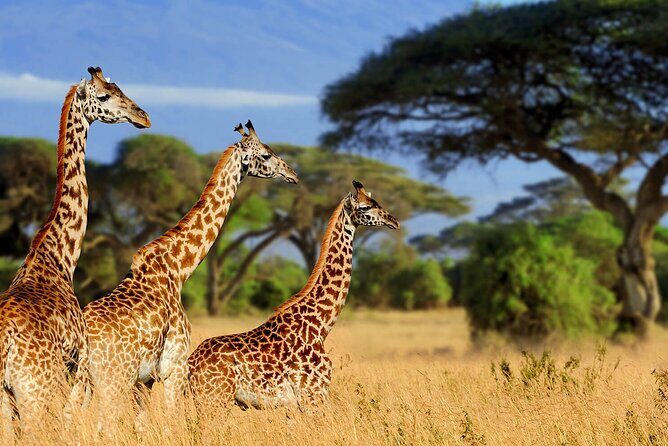
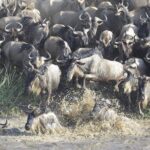
The overview specifically calls out December to April for the Great Migration in Serengeti. If you’re traveling in that window, the chance to see wildebeest movement becomes a headline reason to do Serengeti at all.
Even outside migration months, the tour is set up for year-round wildlife viewing across multiple ecosystems: Tarangire for elephants and baobabs, Serengeti for open-plains variety, and Ngorongoro for concentrated crater wildlife plus predator opportunities.
If your goal is migration drama, plan your dates carefully. If your goal is a full wildlife menu—mix of big cats, herbivores, birds, and elephants—this route still makes sense because it doesn’t pin everything on one seasonal event.
What this tour style is best for
This safari suits you if you:
- Want three major wildlife settings (Tarangire, Serengeti, Ngorongoro) without having to build a complex route yourself.
- Prefer private driving so you can keep your pace and ask for specific stops.
- Like early starts and long game-drive days more than a slow, hotel-hopping trip.
It might not suit you as well if you:
- Get cranky with long road days and early mornings.
- Want a super laid-back schedule with lots of free time in each location.
- Expect every game drive to include the rarest sightings, on demand. Safari works on animal time, not human time.
Packing and timing tips that actually help
Based on how the days are structured (early mornings, multiple long game-drive stretches, plus crater descent), I’d plan for:
- Layers: mornings can feel cooler, and you’ll switch between vehicle and open viewpoints.
- Sun protection: you’ll be in parks for hours, and the crater bowl can mean long stretches of direct light.
- Patience: you’ll spend meaningful time scanning. Good guides keep working even when sightings aren’t immediate.
Also, remember that tips aren’t included. So if you like to budget on the front end, set aside money for that before you arrive.
Should you book this 5-day private circuit safari?
If you want a high-odds classic northern safari combo with private guiding, included meals, and a strong mix of animals and scenery, I think this is a smart booking. The strongest signal in the provided feedback is consistent praise for the guide team (Herman, Joshua, Elias, John) and for food (including chef Ibrahim), which tells me the experience is being run with attention to how it feels day-to-day, not just where you drive.
If you’re flexible on exact sightings and you’re comfortable with early mornings and long days, this route gives you a lot of Tanzania in a short, well-structured window. And if you’re traveling in December to April, Serengeti migration timing gives you an extra reason to say yes.
FAQ
Where does the safari start and what time does it begin?
The tour start is at Kilimanjaro International Airport (Kilimanjaro Airport Rd, Tanzania) at 6:00 am.
Is this safari private or shared with other groups?
It’s a private tour/activity, meaning only your group participates.
Which parks and major sights are included?
The safari includes Tarangire National Park, Serengeti National Park, and Ngorongoro Conservation Area/Ngorongoro Crater, with a stop at Olduvai Gorge.
What meals are included during the trip?
Meals included are lunch (5), dinner (4), and breakfast (4).
Are park fees and tickets included in the price?
The tour lists all fees and taxes as included, and Admission Ticket is shown as free within the package details.
Is pickup included?
Pickup is offered. The tour also lists the start point as Kilimanjaro International Airport.
Is free cancellation available?
Yes. You can cancel for a full refund if you cancel up to 24 hours in advance of the experience start time.