REVIEW · TANZANIA
7 Days Migration Crossing in Mara River Northern Serengeti
Book on Viator →Operated by Long Way Expeditions Ltd · Bookable on Viator
Mara River crossing week is pure proof of Africa. This 7-day migration trip takes you from Arusha into the Northern Serengeti region, with a strong focus on the wildebeest as they search for new grazing. I like that it’s built around private movement (so you’re not stuck in a giant group shuffle) and that you get WiFi on board, which helps when you want to check messages during long game drives.
Two other things I really appreciate: you don’t have to manage meals—breakfast, lunch, and dinner are included—and you sleep in camping accommodation each night, which keeps the whole safari feeling close to nature rather than “hotel sightseeing.” The itinerary also keeps you moving through the action with real “where are they now?” pacing, especially on the day targeting the Mara River.
One drawback to consider: it’s a week of long, dusty days, and camping means you should pack with cold nights and basic conditions in mind. If you want a fully cushy, minimal-outdoor experience, this isn’t designed for that style.
In This Review
- Key Things That Make This Tour Worth Your Time
- Mara River Migration and Northern Serengeti: Why This Week Works
- Arusha Opening Acts: From Geneva of Africa to a Local Village Stop
- Serengeti Day 2: The Welcome Run Through the Park
- Day 3 Serengeti: A Second Shot at Migration and the Mara River Mood
- Day 4 Mara River Crossing: The Main Event
- Day 5 Onward: Game Viewing on the Route to Central Serengeti
- Day 6 Ngorongoro Crater: A Concentrated Ecosystem Day
- Camping Under the Stars: What Included Nights Really Mean
- WiFi on Board and Private Transport: Small Comforts That Matter
- Food Is Handled: Less Stress, More Wildlife Time
- Price and Value: Is $4,950 Fair for This Safari Week?
- Who This Tour Fits Best
- Tips to Make the Most of Your Week
- Should You Book This 7-Day Mara River Migration Crossing Tour?
- FAQ
- How long is the 7 Days Migration Crossing in Mara River Northern Serengeti tour?
- Where does the tour start and end?
- Is pickup offered?
- Is this tour private?
- What’s included for internet and connectivity?
- What meals are included?
- Do you camp each night?
- Which wildlife areas are part of the itinerary?
- What’s not included in the price?
- Is the tour refundable if you cancel?
- What are the operating hours for this experience?
Key Things That Make This Tour Worth Your Time
- Private transportation throughout for a calmer, faster pace
- WiFi in the vehicle so you stay connected between game drives
- Meals handled for you: breakfast (7), lunch (6), dinner (6)
- Camping accommodation each night for a more hands-on safari feel
- Focused Mara River migration day plus additional Serengeti time to keep sightings possible
- A strong “big ecosystem” stop at Ngorongoro Crater on the route
Mara River Migration and Northern Serengeti: Why This Week Works
If your goal is the wildebeest migration, the big idea here is simple: you don’t just “go to Serengeti,” you build your days around the movement patterns and the Mara River crossing drama. The Mara River is the show—wide, busy, and serious—because it’s where the herd’s direction meets the water’s trouble. When the crossing starts, it’s not a tidy moment; it’s messy, loud, and alive, with crocodiles part of the risk.
Northern Serengeti matters because it’s where you can get extended chances to see migration activity while still also finding lions, cheetahs, and other wildlife in their normal routines. The itinerary doesn’t just treat migration as a single checkbox day; it spreads Serengeti time so you’re more likely to catch the animals doing what they do best: moving, feeding, and hunting.
This tour also uses a practical approach to wildlife viewing time. You’re not only bouncing to a viewpoint; you’re spending multiple days in Serengeti National Park, which is the smart way to deal with the fact that animal behavior isn’t scheduled like a museum tour.
You can also read our reviews of more tours and experiences in Tanzania.

Arusha Opening Acts: From Geneva of Africa to a Local Village Stop
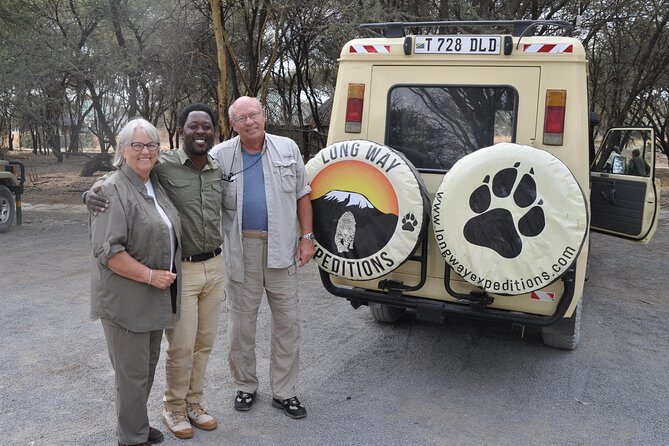
Your week begins in Arusha, described here as having cooler, greener conditions—earning it a nickname linked to Billy Clinton’s visit. That matters because Arusha is often your “reset point” before you head into the heat and dust of the parks. It’s a good first taste of Tanzania outside the safari bubble.
Then you’ll have a short drive-through and Arusha Village Experience included, timed after pickup at the airport. This is a chance to see a bit of everyday life and get your bearings before the big wildlife days start. It’s also low-pressure compared with a long cultural block—good if you want a brief, meaningful start without burning your first day.
Serengeti Day 2: The Welcome Run Through the Park
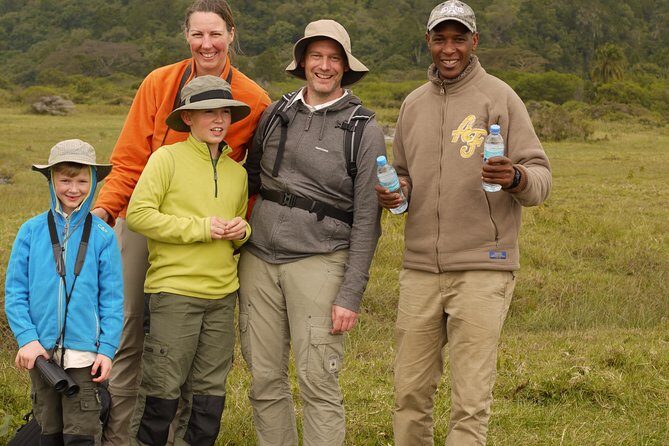
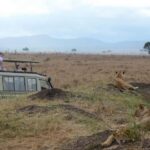
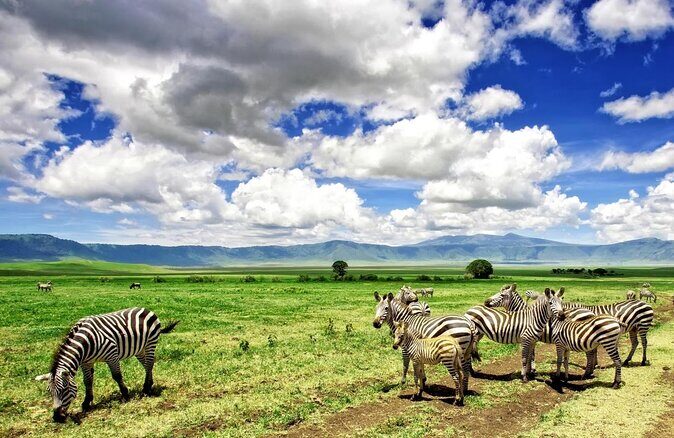
On the second day, you head into Serengeti National Park after breakfast, with a picnic lunch and several hours set aside for game viewing. This is the part of the safari where you get the big sky feeling right away: open plains, scattered acacia, and the constant sense that the park is bigger than your imagination.
This is also where you start stacking your mental wildlife map. The itinerary notes the park as a home of big cats, and that’s exactly what you’re trying to catch early—because once you reach migration areas later, you’ll appreciate having the “normal Serengeti rhythm” in your head.
If you’re sensitive to long drives, this day is still fairly standard for a safari week. The upside is that it’s not rushed like a stop-and-go day tour; you get a chunk of time where you can actually watch behavior rather than just pass by animals.
Day 3 Serengeti: A Second Shot at Migration and the Mara River Mood
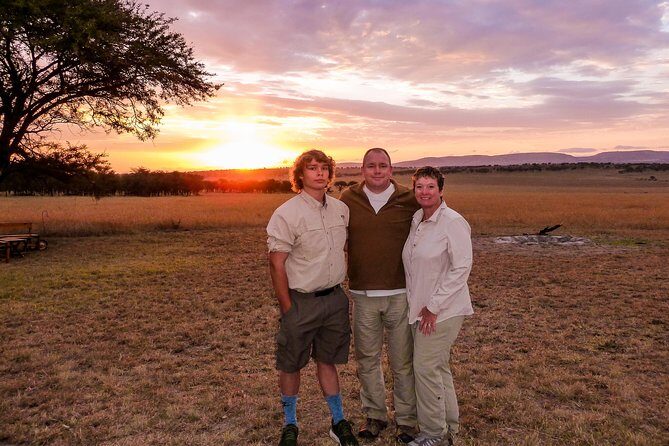
Day 3 is another full Serengeti day, focused on searching for migration crossing signs near the Mara River, plus the chance to see crocodiles and the broader mix of wildlife. The itinerary calls out the big and small five, which is a helpful way to set expectations: you’re not only waiting for wildebeest drama, you’re also hunting the variety that comes with Serengeti ecosystems.
This kind of “second attempt” is one of the most practical parts of any migration safari. Sometimes the crossing activity you want peaks at a specific moment, and your timing isn’t always identical to what you hoped for from afar. By giving you another day in Serengeti, the tour improves your odds of seeing migration movement even if the crossing isn’t happening at exactly the first moment you arrive.
The drawback? It’s still a lot of time in the vehicle. If you prefer frequent breaks, bring water, keep your legs loose, and plan for dusty roads.
Day 4 Mara River Crossing: The Main Event
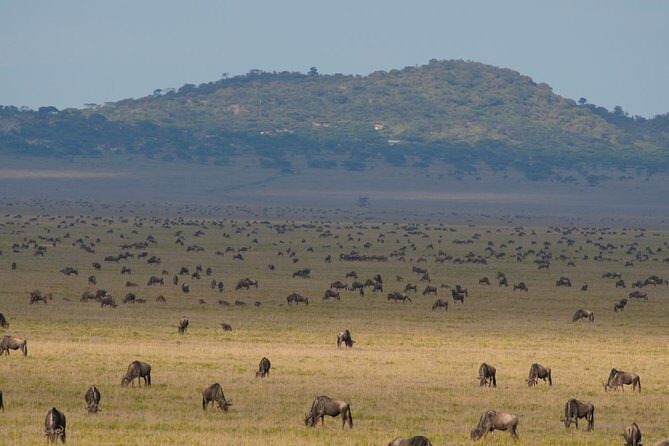
Day 4 is the day you came for: Migration crossing Mara River. The itinerary gives it a long block—about 10 hours—because the crossing can’t be rushed. You’re aiming to be in the right area when the herd decides the moment is right, and that often means waiting, repositioning, and watching for signals like movement direction, crowding, and river-edge hesitations.
The Mara River brings a specific kind of intensity. You’ll be looking at the same animals from multiple angles—wildebeest lining up, stepping into the water, and committing to the current. And yes, crocodiles are part of the story here, which is why this is never portrayed as gentle. It’s dramatic, and that drama is the point.
This is also where a strong guide makes a measurable difference. In past experiences organized by this operator, guides like Frank have been described as brilliant and extremely knowledgeable, with patience that matters when wildlife doesn’t cooperate on a strict schedule. Another name that shows up is Ann, noted for being attentive and accommodating—helpful when logistics and timing get real.

Day 5 Onward: Game Viewing on the Route to Central Serengeti
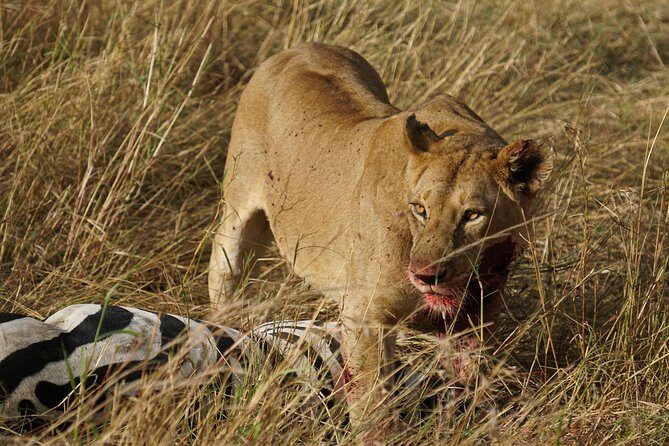
Day 5 shifts gears with a game-viewing day “on route to central Serengeti,” still within Serengeti National Park. The key value here is that you keep seeing wildlife rather than treating the Mara River day as the end of the journey.
This is the day that often turns into a “wildlife variety” experience: you may see predators, grazing herds, birds, and the kind of everyday Serengeti action that makes the park feel like a living system instead of a one-day event.
If you’re thinking about photography, this is also useful. Multiple days in the park improve your odds of getting different light conditions—morning energy versus late-day shadows—and you’re not left trying to capture everything on one exhausting day.
Day 6 Ngorongoro Crater: A Concentrated Ecosystem Day
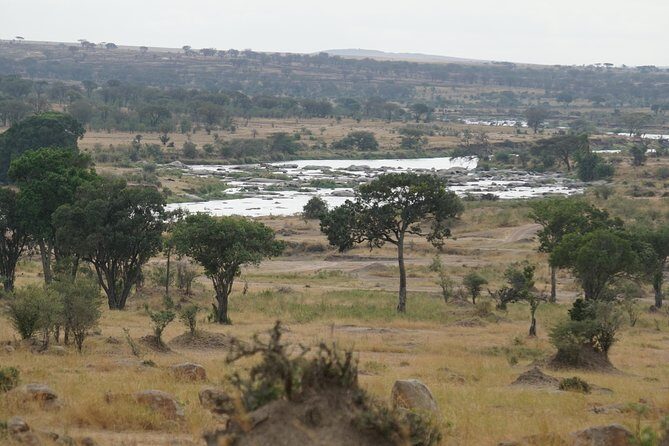
Day 6 includes Ngorongoro Crater, described as a collapsed volcanic mountain with an area around 250 square km, and presented as a self-sustained ecosystem. That’s the real point of this stop: it’s a compact place where a lot of wildlife activity can show up in one area.
The itinerary specifically mentions endangered black rhino and other animals like hyenas, lions, wildebeest, and buffalo. Even if you don’t see every headline species, this kind of concentrated ecosystem day is a smart way to broaden your week beyond just the migration storyline.
One practical consideration: crater drives often feel like a “busy sightseeing” day because visibility can be high and animals can be close to roads. Still, if you go in with patience and quiet watching, it’s worth it.
Camping Under the Stars: What Included Nights Really Mean
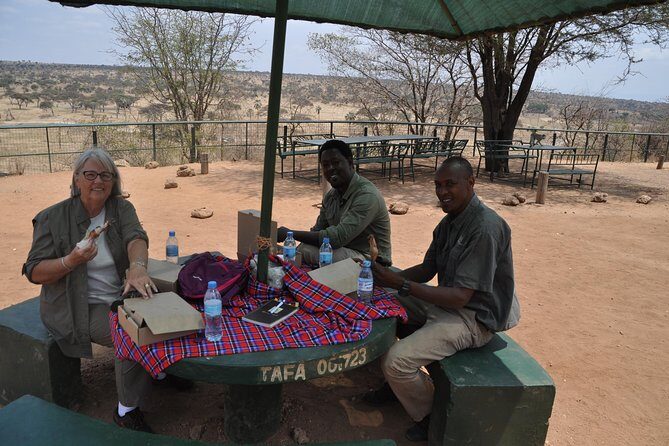
Every night includes camping accommodation, which changes the feel of your safari in a big way. You’re not only viewing wildlife during the day—you’re also living on the safari rhythm at night. That can be wonderful if you like the idea of waking to early morning activity and fall-asleep sounds coming from a wild environment.
It’s also where you should pack realistically. The itinerary doesn’t spell out gear specifics, but camping generally means you’ll want warm layers for evenings and a good attitude toward basic outdoor comfort. Bring a flashlight, keep essentials close, and expect a more “nature-forward” experience than a lodge stay.
The good news: the tour handles your daily meals (breakfast, lunch, dinner), so you’re not out there solving food logistics while also trying to enjoy the night.
WiFi on Board and Private Transport: Small Comforts That Matter
Two small inclusions can quietly make your trip easier: WiFi on board and private transportation.
WiFi matters more than you’d think on a safari week. You can check in with family, handle messages, or manage any practical travel planning without draining your energy at awkward times. And if you’re traveling with anyone who needs to keep work or logistics moving, this reduces stress.
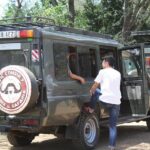
Private transport is also a real quality upgrade. It means less waiting for other vehicles, fewer forced stops, and a pacing that’s more focused on your group’s experience. The itinerary explicitly notes private transportation included, and that helps you avoid the tired “herding cats” feeling that can happen in larger safari formats.
Food Is Handled: Less Stress, More Wildlife Time
The tour includes breakfast (7), lunch (6), and dinner (6). For a migration safari, this is huge value because it reduces mental load. You don’t have to figure out where to eat, what to pack for snacks, or how to time your meals around wildlife hotspots.
It also means you can stay more present. When food is scheduled and handled, you’re less likely to miss a moment because you’re dealing with hunger or paperwork. The picnic lunch on Serengeti days is especially practical—packed, simple, and timed for the long game-viewing sessions.
If you have dietary needs, you’ll want to communicate them during booking, but based on the tour structure, the main point is that meals are part of the plan, not an afterthought.
Price and Value: Is $4,950 Fair for This Safari Week?
$4,950 per person is not a casual price tag. But this itinerary does include several items that add up fast on safari holidays: private transportation, WiFi on board, camping accommodation each night, and a full package of meals (breakfast/lunch/dinner across the week). It also includes parking fees, plus park/site admissions are listed as included on key days like the Mara River and Ngorongoro Crater.
What you’re paying for is time and positioning. Migration safaris live or die by where you are when the animals are moving, and that takes logistics. Private movement plus multiple days in the right zones improves your odds in a way that a cheaper, short format often can’t match.
Still, it’s smart to evaluate your priorities. If your main goal is only the crossing and you hate camping or long days, the cost might feel steep. If you want a full wildlife week with real chances for migration activity and a stronger odds-of-sightings setup, this pricing structure can feel more justified.
Who This Tour Fits Best
This tour is a good match if you want:
- Migration-focused pacing rather than a quick hit
- Private transport and a quieter experience
- Camping at night (with meals taken care of)
- A week where Serengeti time is split across multiple days, not only one
It’s also a good choice if you value communication and comfort in the vehicle—those WiFi hours can be a morale boost on long drives.
If you want a very “luxury lodge only” style holiday, you might prefer a different format. Camping can be fantastic, but it’s not trying to replicate a resort.
Tips to Make the Most of Your Week
Even with a guide and logistics handled, a few choices help you get more from each day:
Pack for dust and for cold nights. Safari conditions are dry, and camping evenings can feel cooler than you expect.
Bring layers you can put on quickly. Game viewing hours can swing between warm afternoons and cooler early mornings.
Stay flexible with your expectations. Migration is about animal timing. Your best photos and sightings often come when you stop trying to force a moment.
Use your downtime wisely. WiFi on board can help you plan tomorrow’s focus, but don’t let the screen steal your attention from the wildlife window.
Should You Book This 7-Day Mara River Migration Crossing Tour?
I’d book it if you want a real migration safari with multiple Serengeti days, a dedicated Mara River crossing day, and a week that mixes wildlife variety with a strong “here’s the goal” structure. The value feels strongest if you appreciate the included pieces—private transport, meals, camping nights, and WiFi—and you’re okay with long days and outdoor sleeping.
I’d think twice if camping and long drive time will drain you, or if you’re expecting a resort-style experience at every step. This is a safari designed for movement, wildlife focus, and being out there for the main event.
If that sounds like your kind of trip, this one is set up to deliver.
FAQ
How long is the 7 Days Migration Crossing in Mara River Northern Serengeti tour?
The tour is listed as 7 days (approx.).
Where does the tour start and end?
It starts in Arusha (with Arusha stops on the way in) and ends back at the meeting point.
Is pickup offered?
Yes, pickup is offered.
Is this tour private?
Yes. It’s a private tour/activity, meaning only your group participates.
What’s included for internet and connectivity?
WiFi is provided in your vehicle.
What meals are included?
Breakfast is included for 7 mornings, with lunch included for 6 days and dinner included for 6 days.
Do you camp each night?
Yes. Camping accommodation is included each night.
Which wildlife areas are part of the itinerary?
You spend time at Serengeti National Park, target the Mara River migration crossing, and also include Ngorongoro Crater.
What’s not included in the price?
Items of personal nature are not included.
Is the tour refundable if you cancel?
This experience is non-refundable and cannot be changed for any reason.
What are the operating hours for this experience?
The opening hours are Monday through Sunday from 8:00 AM to 6:00 PM.