REVIEW · ZANZIBAR CITY
Zanzibar: Jozani forest tour & Spice farm tour with lunch
Book on GetYourGuide →Operated by Zanzibar Home Tours & Safari · Bookable on GetYourGuide
Spices and monkeys in one easy day. This full-day Zanzibar outing strings together a Jozani Forest wildlife walk with a spice farm tour and lunch, so you get both nature and local food culture without hopping between multiple companies.
I especially like how you learn what spices actually come from, not just what they taste like. The day also treats the lunch as part of the experience, with spiced rice (pilau) and tropical fruit tastings that fit right into the spice story.
One consideration: the spice farm portion includes time for photos and shopping, so if you dislike sales moments, keep your focus on the guide’s explanations and plan your purchases (if any) for the end.
In This Review
- Key things to know before you go
- Spice Farm Meets Jozani Forest: Why This Combination Works
- The Spice Farm Walk: More Than Smelling Bottles
- Village Life, Rural Farmers, and African Farming Methods
- Fruits, Pilau Lunch, and the Taste Test Part of the Day
- Jozani Forest National Park: Red Colobus and the Rest of the Wildlife
- Mangrove Forest, Medical Plants, and Coastal Creatures
- Photos, Timing, and What to Bring for a 6-Hour Day
- Price and Value: What $110 Buys You in Real Terms
- Guides, Drivers, and the Quality of Your Day
- Who This Tour Fits Best (and Who Might Skip It)
- Should You Book This Zanzibar Jozani + Spice Farm Tour?
- FAQ
- FAQ
- How long is the Zanzibar Jozani forest and spice farm tour?
- Where does pickup happen?
- Where can you be dropped off after the tour?
- Is this tour private or shared?
- What language is the live guide?
- What’s included in the price?
- What wildlife and nature will you see in Jozani Forest National Park?
- Can you take photos or videos during the forest tour?
- What food and fruit are included?
- Is free cancellation available?
Key things to know before you go
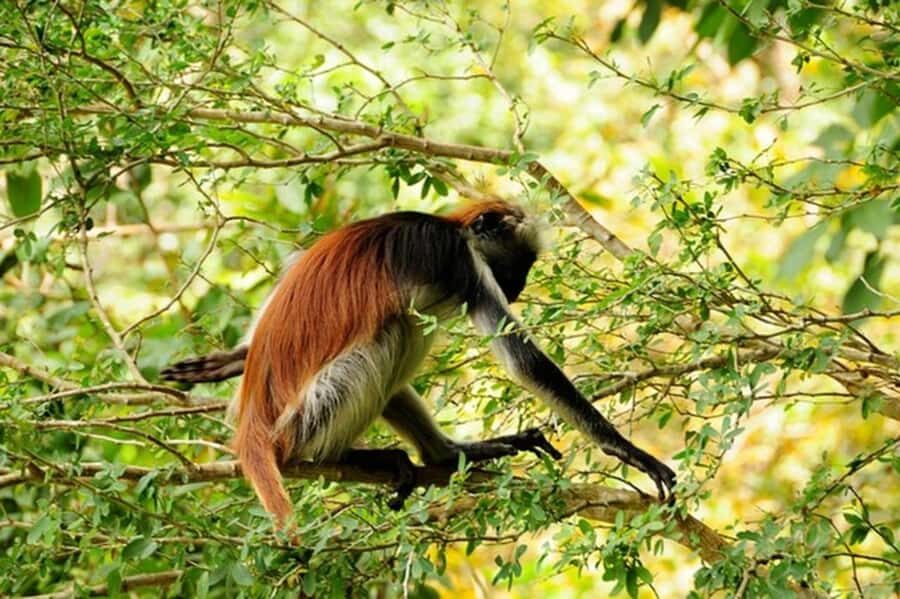
- Red colobus viewing feels close and practical in Jozani, with great photo opportunities
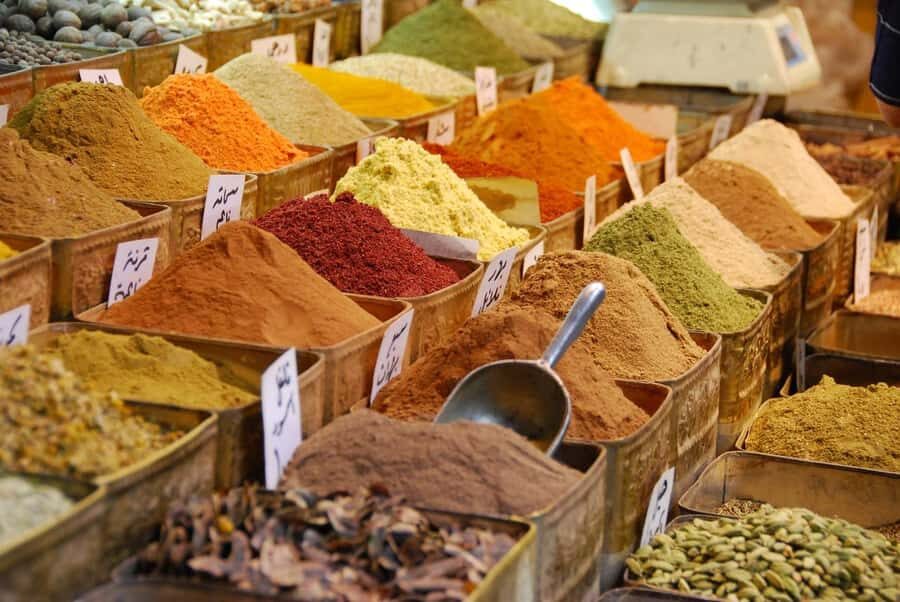
- Spice farming is taught like a system: growing, harvesting, and how people use spices as flavor and medicine
- You’ll see mangrove life plus Indian Ocean creatures like tropical fish and crabs
- Lunch is included with spiced rice (pilau) and fruit such as bananas, mangoes, oranges, and papaya
- Your day is timed well for a 6-hour slot, with ~3 hours at the spice farm and ~2.5 hours in Jozani
Spice Farm Meets Jozani Forest: Why This Combination Works
This tour is built for one thing: getting a lot of Zanzibar meaning into a single 6-hour window. You start with the human side of the island—how spices grow, how farmers work, and how those plants connect to daily meals. Then you switch gears to the wild side with Jozani National Park, where you can spot Zanzibar’s famous red colobus monkeys and more.
I like that the schedule doesn’t feel random. Spice learning and village life set the stage for why Jozani’s forest matters too: it’s all part of the island’s survival toolkit—plants, ecosystems, and how people live close to nature.
A few more Zanzibar City tours and experiences worth a look

The Spice Farm Walk: More Than Smelling Bottles
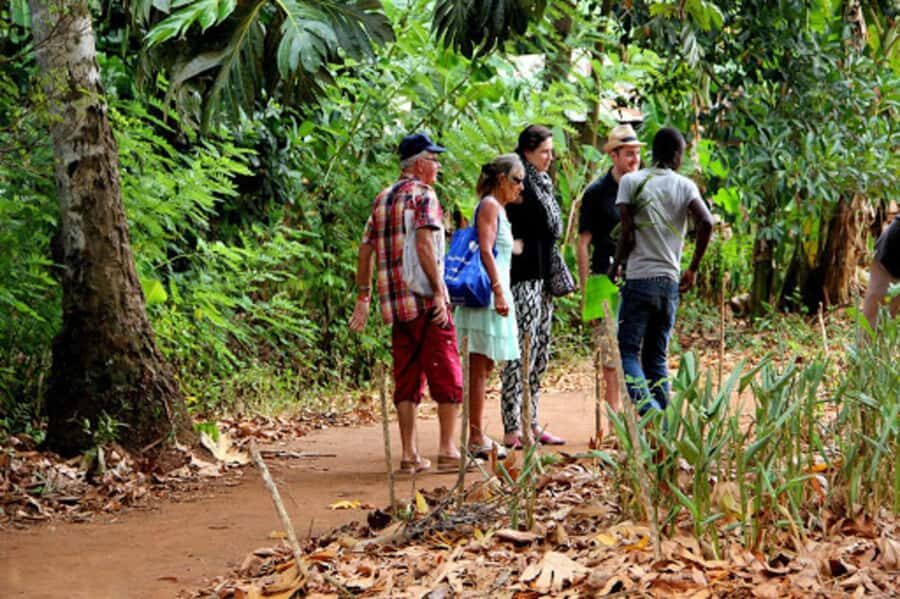
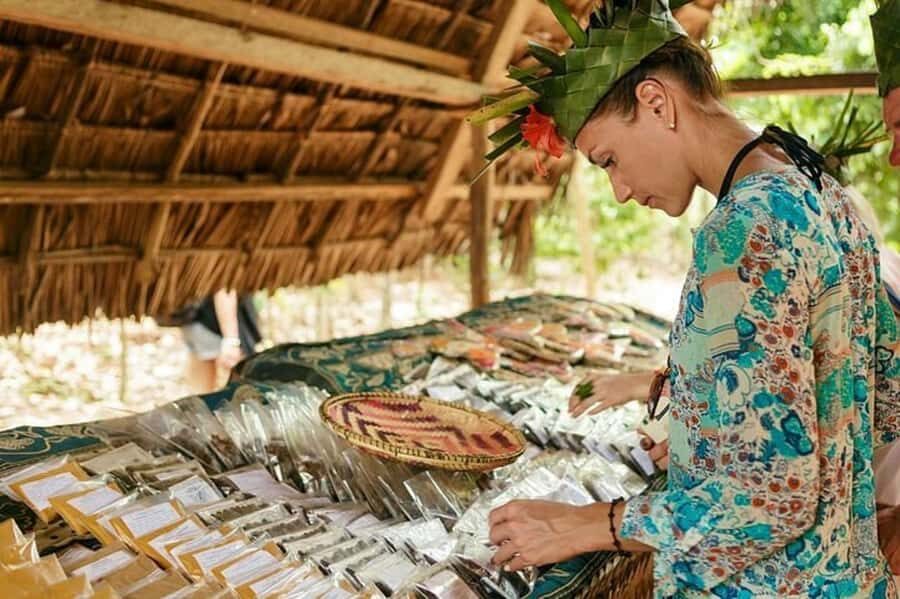
Your first real stop is a private spice farm with a guided tour, walking time, and photo stops. You’ll move through Zanzibar villages and farm areas while your guide explains how spices and herbs are grown, harvested, and used. This is the heart of the day if you care about everyday culture rather than just postcard photos.
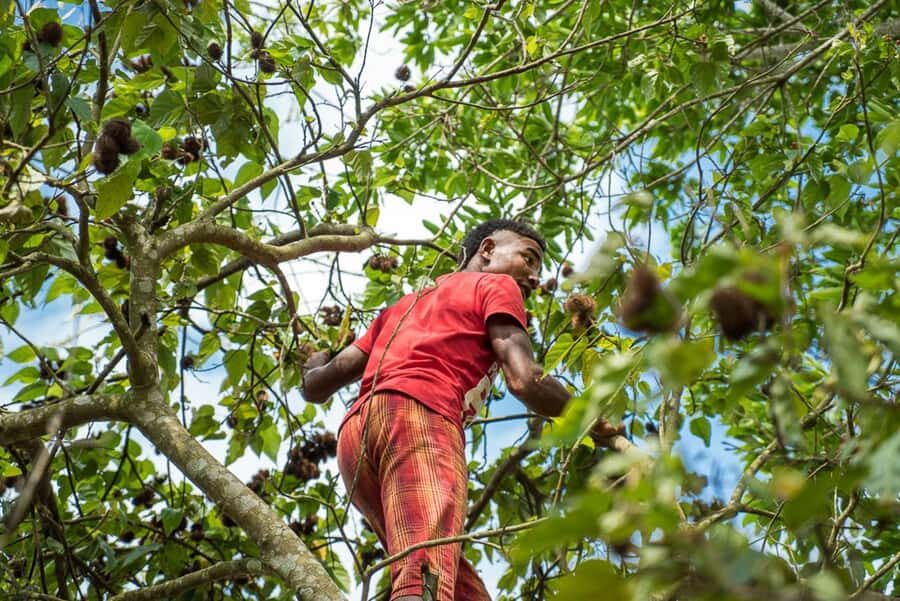
Expect a mix of hands-on conversation and guided viewing. You’ll get the practical story: which plants are cultivated, how they’re cared for, and why locals rely on them. The tour also connects spices to both medication uses and flavor in local dishes, which gives you a bigger mental picture than tasting alone.
A small but useful tip: take your time asking questions during the farm portion. One of the strongest moments on this type of tour is when your guide explains the same spice from multiple angles—plant, smell, and use in cooking. When you get a guide who teaches clearly (a guide like Ramadan is known for didactic explanations), the whole day clicks faster.
Village Life, Rural Farmers, and African Farming Methods
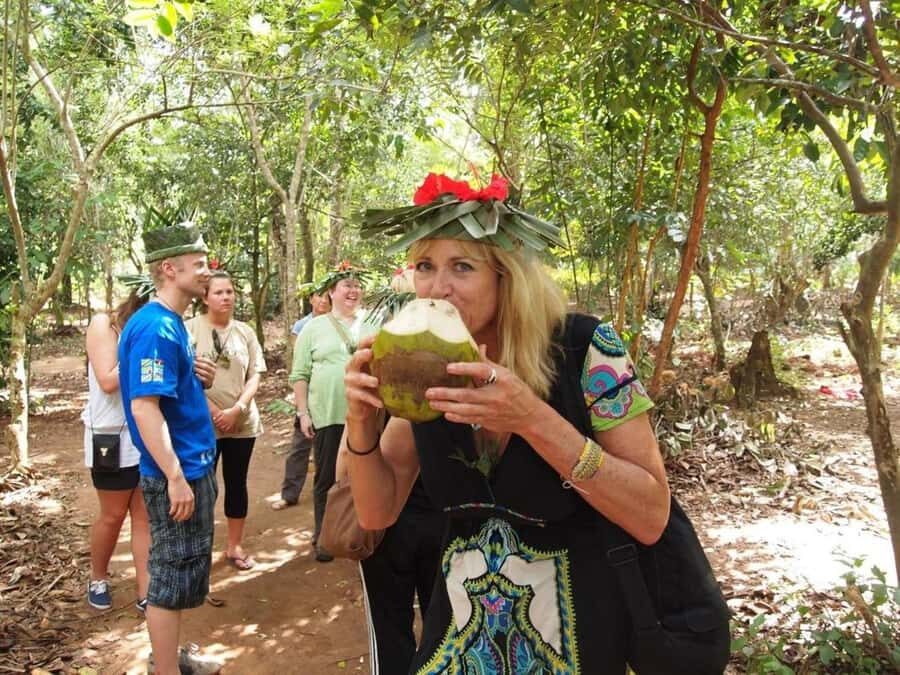
A big part of this experience is that you aren’t only walking past plants. You’re also walking through village settings and meeting rural farmers. You’ll learn about African farming methods and what it looks like to work the land in Zanzibar’s climate.
This matters because it keeps the tour from feeling like a staged museum. Even if you’re just curious about spices, you’ll come away understanding the human effort behind what ends up in markets and kitchens.
If your guide’s style is interactive, you’ll probably enjoy this portion even more. Past days have included guides who answer questions patiently and take time to explain how farms work day-to-day—so don’t be shy about asking how harvesting is timed or what’s used fresh versus dried.
Fruits, Pilau Lunch, and the Taste Test Part of the Day
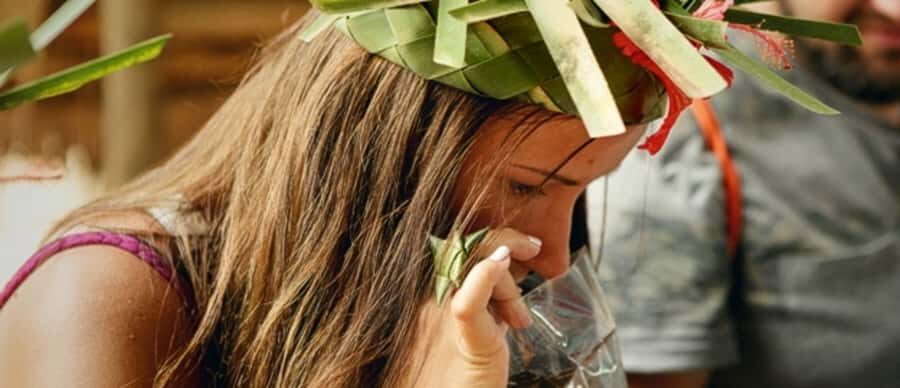
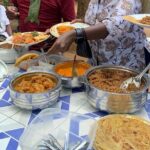
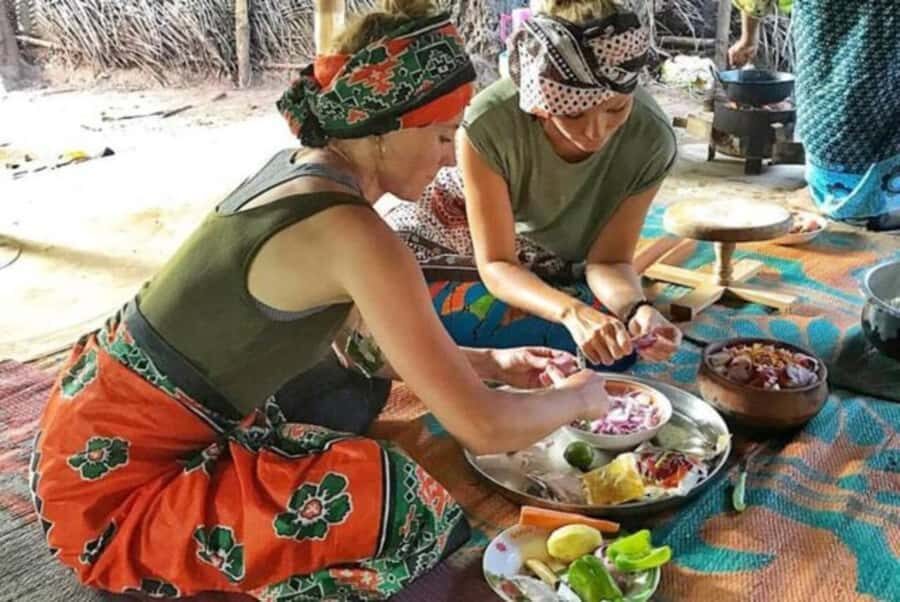
Lunch is included, and it isn’t an afterthought. You get spiced rice (pilau) plus tropical fruits like bananas, mangoes, oranges, papaya, and other island fruit. This is one of the easiest ways to turn spice knowledge into something you can actually remember.
I like that you eat during the spice portion of the day. By the time you sit down, you’ll have fresh context for why certain spices show up in local cooking. If you’re trying to understand Zanzibar flavors without doing a cooking class, this is a solid shortcut.
In some sessions, people have eaten local food seated on the ground, which can make lunch feel more connected to the setting. Either way, keep an eye on timing: you’ll want to eat enough to stay comfortable for the later forest walk.
Jozani Forest National Park: Red Colobus and the Rest of the Wildlife
After lunch, you head to Jozani Forest National Park for a guided walk of about 2.5 hours. This is the part most people book for, and for good reason. Jozani is well known for red colobus monkeys, and your guide will help you spot them along the route.
You should also expect bush babies, birds, butterflies, and plenty of chances for pictures and video. The wildlife viewing isn’t just about one species either. Once you’re watching the canopy and edges, you’ll start seeing more movement—small things that you’d miss on your own.
Here’s a practical note: sightings of red colobus can be quite close to where you start, so you don’t need to search deep just to get a good look. It’s still a walk, but the viewing feels manageable.
A few more Zanzibar City tours and experiences worth a look

Mangrove Forest, Medical Plants, and Coastal Creatures
Jozani isn’t only monkeys. The tour includes time for medical plants and the mangrove forest area. This is one of the best parts of the day if you like ecosystems and not just animals.
In the mangrove section, you can see Indian Ocean tropical fish flitting between mangrove roots and crabs scuttling across the mud. If you’ve never seen a mangrove system up close, this portion can feel like a different world—root chaos, shallow water life, and movement everywhere you look.
It also gives you a bridge between the morning and the afternoon. In the spice farm, you learn about medicinal uses of plants. In Jozani, you continue that theme with medical plants and then expand into how local ecosystems support life.
Photos, Timing, and What to Bring for a 6-Hour Day
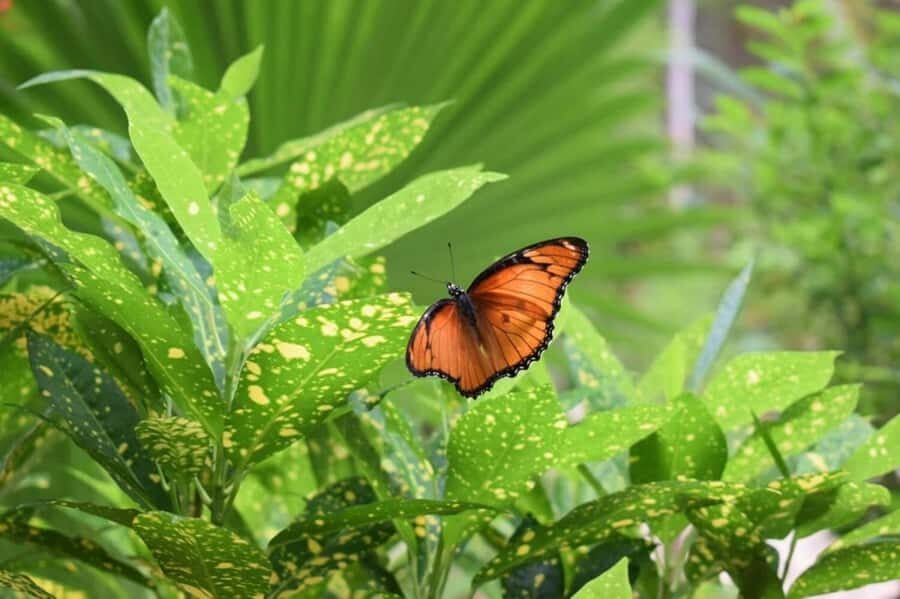
Because this is a half-day nature + half-day food/culture combination, you’ll likely walk at two different paces. The spice farm section is about 3 hours, and Jozani is about 2.5 hours, with transport sandwiched in between.
To make the day easier:
- Bring a hat and sunscreen. You’ll be outside for long chunks.
- Wear comfortable shoes with grip. Mangrove areas can be messy underfoot.
- Carry water, even if you’re not told about it. This is a long day in sun and humidity.
- Have your camera ready during wildlife moments. With colobus monkeys and birds, timing is everything.
Also, remember you’re allowed to take video and pictures in Jozani. That’s not just a nice-to-have—it helps when monkeys pause and then disappear fast.
Price and Value: What $110 Buys You in Real Terms
At $110 per person, you’re not just paying for two stops. You’re paying for a guided day that includes transport, entrance fees (tickets), a local guide, lunch, and Zanzibar fruit. For a 6-hour outing that covers both Jozani and a spice farm, this is pretty straightforward value.
The real question is what you want your Zanzibar day to do. If you want wildlife plus a deeper look at how spices grow and get used, this package tends to deliver. If you only want one thing—just monkeys, for example—you might find other options that feel more focused. But if you like variety, the day’s structure is a strong selling point.
There is one trade-off with value tours like this: the spice farm portion often includes points for photos and shopping. That can eat into time if the flow turns sales-heavy. The best approach is simple—watch how your guide spends time, and ask questions first. If shopping is offered, treat it as optional.
Guides, Drivers, and the Quality of Your Day
This tour lives or dies by the guide’s pacing and how they explain what you’re seeing. In past experiences, drivers like Mohammed and Isaac have been described as friendly and informative during transit, adding helpful context about daily life.
Guide quality in the two key segments matters a lot:
- On the spice farm, people have praised guides such as Ramadan for clear, patient teaching about spices, plants, and fruits.
- On the Jozani side, the narration style can vary. When the guide speaks quickly, you might feel like you’re watching more than learning.
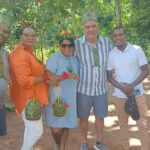
- Assistants can add fun touches. One highlight mentioned an assistant named Mohamed making palm-leaf creations like crowns or collars.
You can’t control who you get, but you can control your strategy. Ask your guide to slow down for a key plant or ask what to taste later in lunch. It’s amazing how fast learning improves when you direct the conversation.
Who This Tour Fits Best (and Who Might Skip It)
This tour fits best if you:
- Want Zanzibar spice knowledge plus Jozani wildlife in one day
- Like guided walks where your guide helps you spot animals and understand plants
- Enjoy lunch that’s connected to the theme of the tour, not just a stop for food
- Don’t mind some shopping time if it’s optional and doesn’t take over the tour
If you strongly dislike souvenir-style sales moments, go in with a plan. Focus on the farm walk and ask questions early. You can always pass on purchases.
Should You Book This Zanzibar Jozani + Spice Farm Tour?
Book it if you want the best of Zanzibar in one tidy day: red colobus monkey sightings, mangrove scenery, and a guided spice farm walk where you learn how spices are grown and used as both flavor and medicine. The included lunch and fruit make it feel complete.
Skip or consider a different style if you only care about one half of the day. Also, if sales moments will annoy you, treat shopping as optional and stay engaged with the guide’s explanations.
FAQ
FAQ
How long is the Zanzibar Jozani forest and spice farm tour?
The tour lasts about 6 hours.
Where does pickup happen?
Pickup is available from 14 hotel areas: Matemwe, Bwejuu, Uroa, Stone Town, Pwani Mchangani, Jambiani, Bububu, Nungwi, Kiwengwa, Chuini, Mangapwani, Paje, Kendwa, and Michamvi.
Where can you be dropped off after the tour?
Drop-off is available at 14 locations as well: Jambiani, Bwejuu, Stone Town, Matemwe, Kendwa, Michamvi, Kiwengwa, Paje, Bububu, Pwani Mchangani, Nungwi, Chuini, Uroa, and Mangapwani.
Is this tour private or shared?
It’s a private group.
What language is the live guide?
The live tour guide provides the experience in English.
What’s included in the price?
The package includes a local tour guide, transport from your hotel and back, entrance fees (tickets), lunch, and Zanzibar fruits.
What wildlife and nature will you see in Jozani Forest National Park?
You can look for red colobus monkeys, bush babies, birds, butterflies, and you’ll also explore medical plants and mangrove forest. The mangroves include tropical fish between mangrove roots and crabs across the mud.
Can you take photos or videos during the forest tour?
Yes, the tour includes time where you can take pictures and video of the wildlife.
What food and fruit are included?
Lunch includes spiced rice (pilau) and tropical fruits such as bananas, mangoes, oranges, papaya, and more.
Is free cancellation available?
Yes. You can cancel up to 24 hours in advance for a full refund.