Two days, one big Kilimanjaro hit. This Marangu Route trek is built for people who want the experience of climbing while skipping the summit stress, with an overnight stay in the park huts. You also get a real sense of altitude change, from rainforest to moorlands, without it turning into a 6–9 day ordeal.
I like the way the day plan balances effort and payoff, starting in the rainforest and then working in a side trip to Maundi Crater for big panorama time. I also like that Day 2 aims toward Horombo, where the views open up toward Mawenzi and Kibo, then you turn back before it becomes a full summit mission.
One drawback to consider: this is not a summit trek. You do not reach Uhuru Peak, and the altitude still asks for a strong fitness level and sensible pacing, even on a short timeline.
In This Review
- Key highlights at a glance
- Why the Marangu Route fits a 2-day Kilimanjaro goal
- Moshi pickup, the 8:00 am start, and getting to the gate
- Day 1: Rainforest hike to Mandara Hut, with Maundi Crater
- Day 2: Moorlands toward Horombo, then the turn back
- Huts, food, and porter help: what you can realistically expect
- Gear and pacing tips for a strong-fitness 2-day plan
- What you get for the $918 price: where the value is
- Safety and altitude reality check (and why no summit is a feature)
- Nature you’ll actually notice: wildlife, plants, and big-sky views
- Should you book this 2-day Marangu trek from Moshi?
- FAQ
- Is this hike on the Marangu Route?
- Do you reach the summit of Kilimanjaro on this trip?
- Where do you stay overnight?
- How long is the hike during each day?
- What time does the trek start, and is pickup included?
- What’s included in the meals?
- Are park fees and taxes included?
- What is not included in the price?
- Do I need a certified guide on Kilimanjaro?
- What is the cancellation window for a full refund?
Key highlights at a glance
- Overnight at Mandara Hut keeps you inside the national park, not just commuting through it
- Rainforest to moorland change gives you two very different Kilimanjaro moods in one trip
- Maundi Crater side trip adds a high-reward viewpoint toward Northern Tanzania and Kenya
- Horombo area views without a summit push means you get the iconic scenery with less pressure
- Private hiking on short treks lets your group move together at a pace that fits you
Why the Marangu Route fits a 2-day Kilimanjaro goal
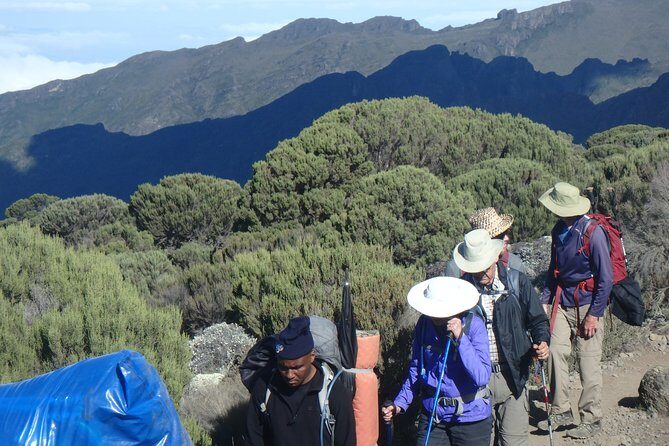
Kilimanjaro is famous for pushing people to the summit. This trek takes the opposite approach in the smartest way: it gives you the feeling of altitude hiking on Africa’s highest peak, without insisting you finish the full climb.
The big practical win is that this uses the Marangu Route, which is the only route where short treks are allowed. That matters because it’s the difference between a “taster” hike that still works logistically inside the park rules, and a plan that might look good on paper but falls apart in reality.
You also get a classic altitude rhythm. Day 1 begins in montane forest, so it’s greener and more sheltered. Day 2 shifts into open heathland and moorland, where you can see farther and feel the wind more.
You can also read our reviews of more hiking tours in Moshi
Moshi pickup, the 8:00 am start, and getting to the gate
The day begins in Moshi with a meeting time of 8:00 am, followed by about an hour drive to the Kilimanjaro National Park Gate. For most people, that timing helps because you start climbing while the day is still fresh, not mid-afternoon when the heat and fatigue creep in.
The tour includes an air-conditioned vehicle, which is a small detail that makes a big difference after the long journey to Tanzania. If you’re staying in Moshi, the convenience of pickup offered and a meeting point near public transportation can also reduce stress on your departure morning.
At the gate, you register and then start walking. It’s a straightforward process, but it’s also a reminder that national park climbing runs on local rules and guides who know the system.
Day 1: Rainforest hike to Mandara Hut, with Maundi Crater
Day 1 is your rainforest day, and it’s the one many people remember most because the air, the sound, and the light feel different than the open slopes.
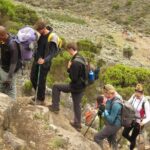
After breakfast, you meet your guide and start walking through montane forest toward Mandara Hut. The hike goes from about 5,500 ft (1,700 m) up to 9,000 ft (2,740 m), covering roughly 7 km in 4–5 hours. That’s a manageable climbing window for a 2-day plan, assuming you keep your pace steady and don’t try to “race the mountain.”
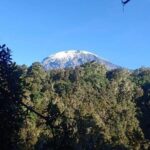
The rainforest part isn’t just scenery. You can look for towering eucalyptus trees and bird life, and you may also spot Colobus monkeys. It’s a nice contrast to the more stripped, windy reputation Kilimanjaro has on the high routes.
Then there’s the side trip to Maundi Crater. This is where the hike starts turning into a view-focused experience. You get a chance to see the surroundings, including Northern Tanzania and Kenya, and it’s a good mental reset from the constant “watch your steps” focus.
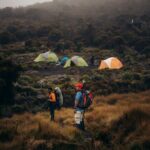
When you reach Mandara, you sleep at a park hut. Expect budget-style mountain lodging by necessity: simple, functional, and mostly about keeping you warm, dry, and ready for the next day. Dinner and lunch are included, which helps you avoid the awkward “what now?” moment on a short trek.
Day 2: Moorlands toward Horombo, then the turn back
Day 2 moves you out of the rainforest and into the open. That change is huge. You leave the tree cover, and suddenly your hike feels more exposed to weather, wind, and temperature swings.
You climb from roughly 9,000 ft (2,700 m) toward about 12,100 ft (3,700 m) and cover around 11 km total, with 3–4 hours up and 2+ hours down. The program is designed to take you far enough into the moorlands to feel the altitude and see the scenery, then bring you back before a summit attempt.
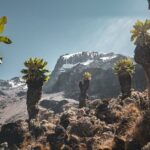
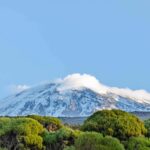
As you work upward toward Horombo, views become a real feature. You’ll get the kind of sightlines that show Mawenzi and the summit area of Kibo. The open area also changes what you notice: giant lobelias and groundsel are part of the high-elevation look and feel.
After lunch at Mandara, you hike back down to the park gate and drive to Moshi, about 1 hour. This return loop is one of the practical reasons the short trek works. You get a big day on the mountain, but you still finish in daylight with the option to get settled back in town.
Huts, food, and porter help: what you can realistically expect
Overnighting at Mandara Hut is the heart of this tour’s value. A simple overnight in the park changes the vibe from a day hike to a true mountain experience. You’re not just passing through, and you’re not rushing daylight-to-daylight like a conveyor belt.
The hut stay is labeled budget accommodation, which is exactly what you should picture: clean enough for sleeping, basic by nature, and dependent on mountain conditions. If you go in expecting a hotel room, you’ll be disappointed. If you go in expecting a mountain base for one night, you’ll likely feel fine.
Food is included: breakfast, lunch, and on Day 1 you also get dinner. For a short itinerary, that matters because it removes decision fatigue. You don’t need to hunt for meals, and you can focus on the one job that matters most on summit-less Kilimanjaro: pacing.
Porter support also comes up as a strong point. One of the standout themes from past experiences is that porters were attentive and helped with equipment. That’s not a “nice to have.” On Kilimanjaro, the difference between carrying everything yourself and having proper assistance can decide whether the hike feels doable or annoying.
A few more Moshi tours and experiences worth a look

Gear and pacing tips for a strong-fitness 2-day plan
This trek asks for a strong physical fitness level, and it’s worth taking that seriously. Two days can sound “easy” on a brochure, but altitude and time-on-feet add up quickly.
Because you’re climbing, even if you’re not climbing to the summit, you’ll want to take pacing seriously. The schedule includes uphill time on both days, and the second day’s moorlands are open and can feel colder and windier than you expect.
For your comfort, think in layers. Day 1 can be warmer in the forest and more comfortable for breathing, while Day 2 can bring cooler temperatures and more exposure. You might not have perfect weather control, so dressing for shifting conditions is smart.
Also, prioritize smooth walking over speed. You’ll get better views and spend less energy when you move like you’re hiking, not sprinting.
If your priority is photos, you’ll still want to keep moving. The best “caught-the-moment” shots often happen when you stop briefly, not when you freeze for long stretches and let yourself cool down.
What you get for the $918 price: where the value is
At $918 per person, you’re paying for a short Kilimanjaro experience that includes the expensive parts: a certified guide, park operations, and the logistics that keep the climb safe and organized.
The tour includes:
- Breakfast and lunch (with dinner included on Day 1)
- All fees and taxes
- An air-conditioned vehicle
- Guided time inside the park
It also includes pickup offered and a mobile ticket, which are small conveniences that reduce friction.
What’s not included is important: international and domestic flights. In other words, this price is for the mountain portion and the in-country experience, not the full travel package from your home airport.
So is it good value? For many people, yes—because you’re getting an overnight in the park plus two distinct mountain environments in just two days. You’re paying to shorten the trek without cutting corners on the essentials like fees, guide coverage, and hut lodging.
If you’re trying to minimize costs further, you’ll usually find tradeoffs in guide standards, meal consistency, and how smoothly the route runs. With Kilimanjaro, those tradeoffs can matter more than saving $50–$100.
Safety and altitude reality check (and why no summit is a feature)
This is explicitly a non-summit experience. That’s not a downgrade; it’s a decision that changes how the mountain treats you.
A summit push usually requires extra days for acclimatization and a bigger commitment of time, weather tolerance, and mental focus. This short trek gives you a taste of Kilimanjaro’s vertical world while keeping the itinerary compact and easier to fit into a limited schedule.
That said, you still gain significant altitude, including a climb toward 12,100 ft (3,700 m). Altitude can affect anyone. The best approach is to listen to your guide and keep your pace controlled.
Also, inside Tanzania National Park, trekking requires a certified Kilimanjaro guide. That’s a key point for both safety and smooth park operation. This tour is designed to meet those requirements.
Nature you’ll actually notice: wildlife, plants, and big-sky views
One of the reasons this works for a wide range of hikers is that it’s not only about altitude. It also gives you plenty of natural details to pay attention to.
On Day 1, you’re in the rainforest. That’s where you might notice eucalyptus trees towering overhead, active bird life, and the possibility of Colobus monkeys moving through the canopy.
On Day 2, the plants and the mood change. You’ll see giant lobelias and groundsel, and the open areas make the mountain feel wider and more dramatic. Mawenzi and Kibo become visible, and that’s where the trek starts rewarding your effort with clear, far-reaching views.
If you care about quiet moments, overnight at Mandara helps. The hut night can give you a slower, calmer pace than a day-only hike.
Some itineraries try to squeeze in the summit and end up feeling frantic. Here, the structure is more about enjoying the climb itself.
Should you book this 2-day Marangu trek from Moshi?
Book it if you want:
- A 2-day Kilimanjaro experience that still feels real
- An overnight at Mandara Hut instead of a quick pass-through
- The rainforest-to-moorland shift, plus Maundi Crater and Horombo area views
- A plan that fits people who want the excitement of being on Kilimanjaro without making the summit the sole goal
Skip it if:
- You’re determined to reach the summit. This one is not that trek.
- You’re not comfortable with uphill walking at altitude, even with a shorter itinerary.
- You need a hotel-style overnight experience. Hut lodging is basic by design.
Also, because it’s private for your group and you can start on any day of the year, this is a good option if you like control and a quieter pace than bigger group schedules.
My bottom line: this is a smart “best of Kilimanjaro in a short window” plan. The value comes from the overnight in the park, the switch in ecosystems, and the structured turnaround so you get the mountain without gambling on a summit effort.
FAQ
Is this hike on the Marangu Route?
Yes. The route is the Marangu Route.
Do you reach the summit of Kilimanjaro on this trip?
No. You hike on the Marangu Route and experience the trek without reaching the summit.
Where do you stay overnight?
You stay one night at Mandara Hut in the park.
How long is the hike during each day?
Day 1 includes about 7 km and takes roughly 4–5 hours. Day 2 covers about 11 km total, with 3–4 hours up and 2+ hours down.
What time does the trek start, and is pickup included?
The start time is 8:00 am, and pickup is offered. An air-conditioned vehicle is included for the transfers.
What’s included in the meals?
You have breakfast and lunch, and on Day 1 the itinerary also includes dinner.
Are park fees and taxes included?
Yes. All fees and taxes are included, and the experience notes admission ticket free.
What is not included in the price?
International and domestic flights are not included.
Do I need a certified guide on Kilimanjaro?
Yes. Trekking inside Tanzania National Park requires the services of a certified Kilimanjaro guide.
What is the cancellation window for a full refund?
You can cancel up to 6 days in advance of the experience for a full refund.